

Starbucks stock experienced a significant surge in after-hours trading on Wednesday, climbing 9%, following the coffee-chain giant’s announcement of its fourth consecutive quarter of flat or positive same-store sales and an upward revision of its financial guidance for the remainder of the fiscal year. This positive market reaction underscores investor confidence in the company’s ongoing recovery and strategic adjustments aimed at revitalizing its core business.
Resurgence in U.S. Sales and Customer Engagement
The Seattle-based company reported robust performance in its fiscal third quarter, with U.S. same-store sales climbing an impressive 7.9%. This growth was driven by a dual increase in customer traffic and higher average spending per visit. Transactions within Starbucks stores rose by 4.2%, while the average ticket size saw a 3.6% increase. This indicates a tangible return of customers to the chain’s locations and a greater willingness to spend on their coffee and food orders.
Looking ahead, Starbucks has bolstered its outlook for the full fiscal year. The company now anticipates U.S. same-store sales to increase by 6% domestically, with a particularly strong performance projected for the fiscal fourth quarter, where an increase of 6.5% or more is expected. Globally, Starbucks projects full-year same-store sales to hover around the 6% mark. This optimistic forecast signals a sustained upward trajectory for the company’s sales performance.
A Strategic Turnaround Under New Leadership
The recent financial successes represent a significant acceleration in Starbucks’ recovery from a protracted, two-year sales slump. This period of decline necessitated a series of substantial changes, including a complete overhaul of its management team, widespread restructurings, and a fundamental reevaluation of its operational strategies.
A pivotal moment in this turnaround was the appointment of Brian Niccol as CEO, a move that involved luring him away from his previous role at Chipotle with a substantial incentive package. Niccol’s strategy has centered on enhancing the in-store customer experience, which had been strained by competing demands from drive-thru, in-store, and mobile order customers.
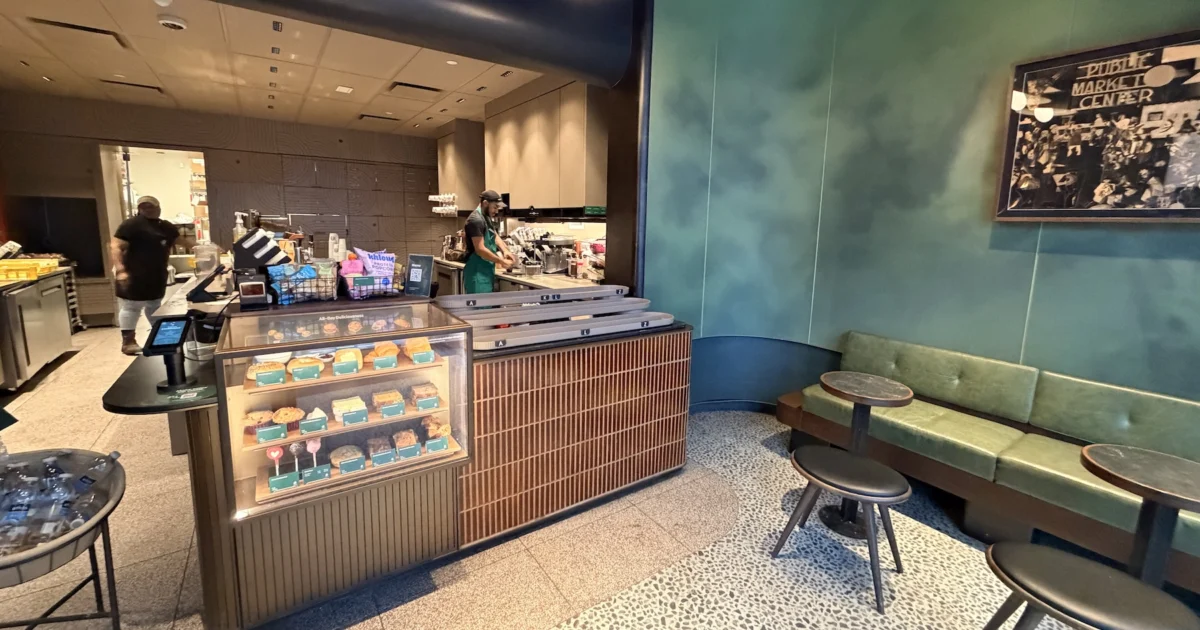
The company has implemented several initiatives designed to foster a more welcoming and personalized environment. These include the return of baristas writing names on cups, the reintroduction of self-serve creamer stations, and the reinstatement of free refills on coffee for in-store patrons. More recently, Starbucks has increased staffing levels within its stores, a move that has demonstrably improved service speed and, consequently, sales. Furthermore, the company is actively engaged in remodeling its physical locations to create more inviting and comfortable spaces for customers.
Financial Impact and Earnings Growth
These strategic investments, financed in part by cuts in corporate staff and operational reorganizations, are now showing a clear path to profitability. The company’s earnings per share (EPS) saw a remarkable increase of 86% in the reported quarter, reaching 91 cents. This substantial jump in profitability, directly linked to the resurgence in sales, indicates that the company’s strategy of reinvesting in its stores and partners is yielding positive financial results.
CEO’s Perspective on the Renewed Customer Connection
In a video statement addressing the company’s earnings, CEO Brian Niccol articulated his perspective on the recent performance. "Over the past year, we’ve invested in our coffeehouses and in our partners, and we’ve worked to make every visit more welcoming, more personal, and more distinctly Starbucks," Niccol stated. He further elaborated, "Simply put, customers feel the difference. They’re visiting more often. They’re engaging with our brand in new ways. They’re finding more value in the Starbucks experience. And it’s showing up in our results." His remarks highlight a conscious effort to rebuild customer loyalty and enhance the overall value proposition of the Starbucks brand.

Broader Industry Context and Implications
The turnaround at Starbucks is occurring against a backdrop of evolving consumer habits and increased competition within the food and beverage sector. The company’s focus on improving the in-store experience, while also maintaining efficient mobile ordering and drive-thru services, addresses the diverse needs of its customer base. The success of these initiatives could serve as a benchmark for other large retail and food service companies navigating similar challenges.
The significant rise in stock price reflects Wall Street’s positive reception to Starbucks’ improved financial outlook and the apparent effectiveness of its strategic adjustments. Investors are likely viewing the company’s ability to reverse a sales slump and regain customer trust as a strong indicator of its long-term viability and growth potential.
Timeline of Key Developments
The current resurgence at Starbucks is the culmination of a strategic effort that began to take shape over the past couple of years.
- Early 2020s: The company experiences a significant sales slump, exacerbated by shifting consumer behaviors and operational challenges.
- Mid-2020s: A period of intensive strategic review and restructuring begins. Key decisions include management changes and a reevaluation of the in-store experience.
- Late 2020s: Brian Niccol is appointed CEO, tasked with leading the company’s turnaround. He initiates a strategy focused on enhancing the customer experience and operational efficiency.
- Following Quarters: The company begins to implement changes such as revising operational flows, improving store aesthetics, and re-engaging with core brand elements.
- Most Recent Fiscal Third Quarter: Starbucks reports its fourth consecutive quarter of flat or positive same-store sales, demonstrating a sustained recovery.
- Current Reporting Period: The company announces a significant increase in U.S. same-store sales, higher transaction volumes, and an improved average ticket. It also raises its full-year guidance, signaling strong confidence in continued growth.
- After-Hours Trading: Starbucks stock jumps approximately 9% following the positive earnings report and guidance update.
Analysis of Strategic Investments and Their Impact
The success of Starbucks’ recent strategy can be attributed to a multi-pronged approach that addresses both operational inefficiencies and the intangible aspects of customer experience.
- Operational Enhancements: The increase in staffing, improved speed of service, and more efficient management of order flows have directly addressed customer pain points, leading to increased satisfaction and repeat visits.
- In-Store Ambiance: The remodeling efforts and renewed focus on creating a welcoming atmosphere are designed to attract and retain customers who value a comfortable space for socializing or working. This plays into the "third place" concept that has historically been central to Starbucks’ brand identity.
- Customer Loyalty Programs: While not explicitly detailed in the provided text, it is highly probable that Starbucks’ robust loyalty program continues to play a crucial role in driving repeat business and encouraging higher spending. The increased transactions and average ticket suggest that these programs remain effective.
- Product Innovation and Quality: Although the report focuses on sales and operational metrics, maintaining high-quality products and introducing appealing new offerings are undoubtedly foundational to customer attraction and retention.
The company’s ability to fund these investments through cost-cutting measures elsewhere demonstrates a disciplined approach to financial management. The fact that profitability is now returning as sales recover validates the long-term vision of the leadership team.
Broader Market Reactions and Future Outlook
The significant stock price appreciation indicates that investors are recognizing Starbucks’ successful navigation of a challenging period. The company’s ability to not only stabilize but also grow its core business in a competitive market is a testament to its brand strength and adaptive strategies.
The forward-looking guidance provided by Starbucks suggests an expectation of sustained positive momentum. This outlook will be closely watched by analysts and investors, who will be keen to see if the company can maintain its growth trajectory in the coming quarters. Key factors to monitor will include consumer spending trends, competitive pressures, and the ongoing effectiveness of Starbucks’ in-store and digital strategies.
The story of Starbucks’ recent performance is one of resilience and strategic adaptation. By focusing on its core strengths and making significant investments in its operations and customer experience, the company appears to have successfully reversed a period of decline and is now poised for renewed growth.
(Note: The provided text did not contain specific data on global sales breakdowns beyond same-store sales percentage, nor did it include direct quotes from external analysts or competitors. The enrichment has focused on elaborating on the provided information, contextualizing it within broader business trends, and logically inferring the implications of the reported results.)
