

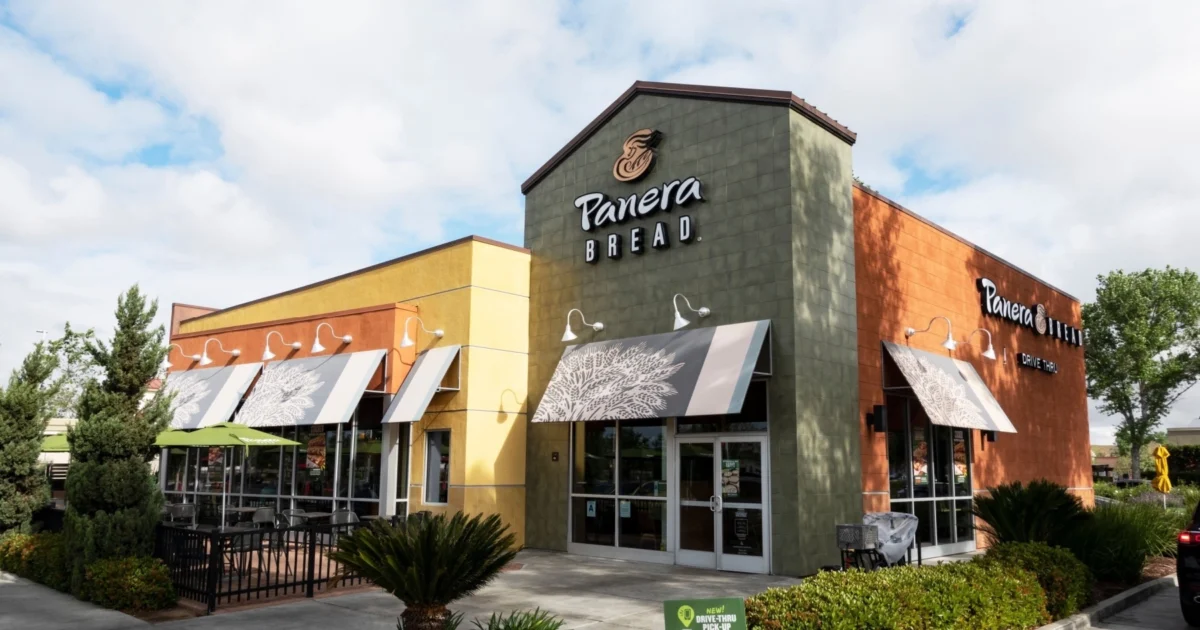
Panera Bread, a stalwart of the fast-casual dining scene, is set to relocate its corporate headquarters from St. Louis, Missouri, to the Boston area, with the move slated for July 2027. This significant transition marks the end of an era for the beloved brand, which has called St. Louis home since its inception. While the company will maintain a support center in its founding city, the majority of its corporate operations will shift to Weston, Massachusetts, a move CEO Paul Carbone has articulated as a strategic imperative for the brand’s ongoing transformation and future growth.
A New Chapter for Panera Bread
The decision to relocate the company’s central hub to the Boston metropolitan area, specifically to Weston, Massachusetts, approximately 15 miles west of Boston, is a pivotal moment in Panera Bread’s corporate history. This strategic shift is intrinsically linked to the company’s ambitious "Panera RISE" transformation plan. Introduced by CEO Paul Carbone in a recent memo to team members, this initiative encompasses a comprehensive overhaul of the menu, a renewed emphasis on enhancing the guest experience, and significant adjustments to its loyalty program. The relocation is intended to foster a more collaborative and dynamic work environment, enabling faster decision-making and a more unified company culture.
"The first year of our transformation strategy, Panera RISE, is focused on setting an important foundation to drive our next chapter of growth and reclaim our leadership in the fast casual industry," Carbone stated in his memo. "As we move forward, it is critical that we have an environment to enable even deeper collaboration, faster decision-making, and a more unified culture." The new workspace in Weston is designed to "fully align our teams against the strategic pillars of Panera RISE, operating as one connected team as we continue our transformation," he added. The exact number of employees who will be asked to relocate has not been disclosed, but the company has indicated that multiple factors were carefully considered in determining which team members would be offered the opportunity to move.
Deep Roots in St. Louis
Panera Bread’s journey began in St. Louis in 1987, founded by Ken and Linda Rosenthal as the St. Louis Bread Company. For decades, the city has been the brand’s operational heart, witnessing its growth from a local bakery-café to a national powerhouse. The St. Louis Bread Co. initially operated approximately 20 bakery-cafes before its acquisition by Au Bon Pain in 1993. Under the leadership of Ron Shaich, who was at the helm of Au Bon Pain, the brand began its transformation into Panera Bread, a name that would eventually become synonymous with fresh, healthy fast-casual dining. While the national expansion adopted the Panera Bread moniker, some St. Louis locations continued to operate under the original St. Louis Bread Company name for a period, underscoring the deep local connection.
Shaich’s vision propelled Panera to unprecedented growth, expanding the chain to over 2,000 locations before its acquisition in 2017 by JAB Holding Company, a global investment firm, for a reported $7.5 billion. This sale marked a new ownership era for Panera, and now, under JAB’s stewardship and Carbone’s leadership, the company is undertaking a significant geographical realignment. The decision to move headquarters, while maintaining a support center, reflects a nuanced approach to balancing operational efficiency with respect for the brand’s heritage and its existing workforce.
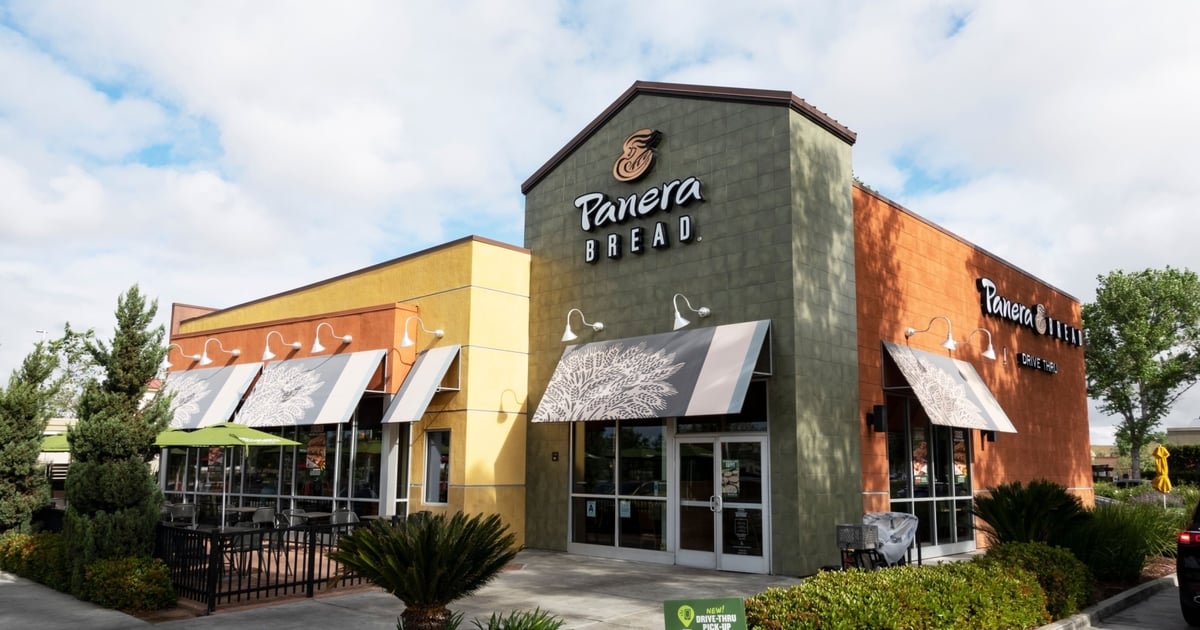
The Panera RISE Transformation: A Deeper Dive
The Panera RISE transformation plan, which serves as the primary driver for the headquarters relocation, is a multi-faceted strategy aimed at reasserting Panera’s leadership in the competitive fast-casual market. This plan, which has been underway, involves significant investments and strategic adjustments across several key areas:
- Menu Innovation and Optimization: Panera has consistently emphasized its commitment to providing wholesome and transparent food options. The RISE plan likely involves further refining its menu to cater to evolving consumer preferences, including a greater focus on plant-based options, healthier choices, and potentially expanded beverage offerings. The introduction of "bowls" and a stronger emphasis on beverages have been identified as key components of this strategy.
- Enhanced Guest Experience: In an increasingly crowded market, delivering an exceptional customer experience is paramount. Panera is likely investing in technology, store design, and staff training to ensure a seamless and enjoyable dining experience, whether in-store, for takeout, or via delivery. This could include improvements to digital ordering platforms, in-store ambiance, and personalized customer service.
- Loyalty Program Evolution: Panera’s loyalty program has been a cornerstone of its customer engagement strategy. The RISE plan may involve enhancements to this program, potentially offering more personalized rewards, exclusive benefits, and increased value to encourage repeat business and foster a stronger sense of community among its most loyal customers.
- Operational Efficiency: The relocation to a more modern and collaborative workspace is expected to drive operational efficiencies. By consolidating key teams and fostering better communication, Panera aims to streamline decision-making processes, accelerate innovation, and improve overall agility in responding to market dynamics.
Industry Trends: A Wave of Headquarters Relocations
Panera Bread’s move is part of a broader trend observed across the restaurant industry, where companies are reassessing their corporate footprints. Several other prominent chains have recently announced or completed headquarters relocations, indicating a dynamic shift in how businesses are structuring their operations and talent acquisition strategies.
- Jersey Mike’s: The popular sub sandwich chain recently relocated its headquarters, but notably, it maintained its presence within its home state of New Jersey, opting for a new facility that better accommodates its growth.
- Starbucks: The global coffee giant has announced plans to establish a new corporate office in Nashville, Tennessee, later this year. This move signals a strategic expansion of its corporate presence and an intent to tap into the growing business ecosystem in the region.
- In-N-Out Burger: While not a full headquarters move, the iconic West Coast burger chain has also established a significant regional presence in Nashville, indicating a broader trend of West Coast companies exploring new markets for operational hubs.
- Taco John’s: The fast-food chain specializing in Mexican-inspired cuisine made a notable relocation last year, moving its headquarters from Wyoming to Minneapolis, Minnesota, a move that likely aimed at accessing a larger talent pool and a more central operational base.
These relocations often stem from a variety of factors, including the desire to access new talent pools, reduce operational costs, consolidate dispersed teams, or position the company closer to key markets or logistical hubs. For Panera, the move to the Boston area, a region known for its strong talent in technology, innovation, and consumer goods, suggests a strategic effort to align its corporate structure with its future growth ambitions and its focus on innovation.
Implications of the Move
The relocation of Panera Bread’s headquarters carries several potential implications for the company, its employees, and the broader business landscape:
- Talent Acquisition and Retention: The Boston area boasts a highly educated workforce and a thriving corporate environment, which could provide Panera with access to a wider pool of skilled professionals in areas such as marketing, technology, finance, and culinary innovation. However, it also presents challenges in terms of retaining existing St. Louis-based employees, many of whom may be unable or unwilling to relocate. The company’s approach to supporting its employees through this transition will be crucial.
- Brand Perception and Heritage: While the move is strategically driven, it does represent a significant departure from the brand’s St. Louis origins. Panera will need to carefully manage its public relations to ensure that its deep roots in St. Louis are acknowledged and honored, even as it embraces its new East Coast base. Maintaining a robust support center in St. Louis is a key step in this regard.
- Operational Synergy: The primary objective of the move is to enhance collaboration and efficiency. A centralized headquarters in a dynamic business hub like the Boston area is expected to foster greater innovation and faster execution of strategic initiatives, ultimately contributing to Panera’s competitive edge.
- Economic Impact: The relocation will have an economic impact on both St. Louis and the Boston area. While St. Louis will see a reduction in corporate jobs, the Boston region will benefit from the influx of a major corporate employer. The maintenance of a support center in St. Louis will help mitigate some of the economic impact on its founding city.
As Panera Bread prepares for this significant transition in 2027, the move represents a bold step forward, signaling the company’s commitment to adapting and thriving in a constantly evolving industry. The success of this relocation will hinge on its ability to integrate its new environment with its core values and strategic objectives, ensuring that the Panera RISE transformation leads to sustained growth and continued leadership in the fast-casual dining sector.
