

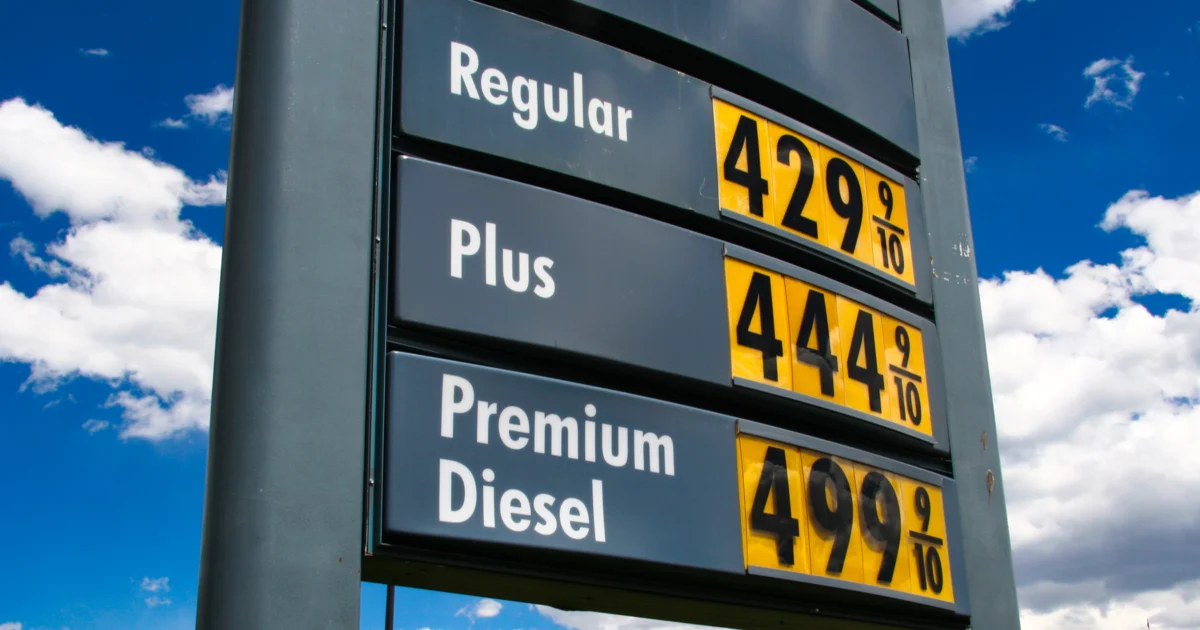
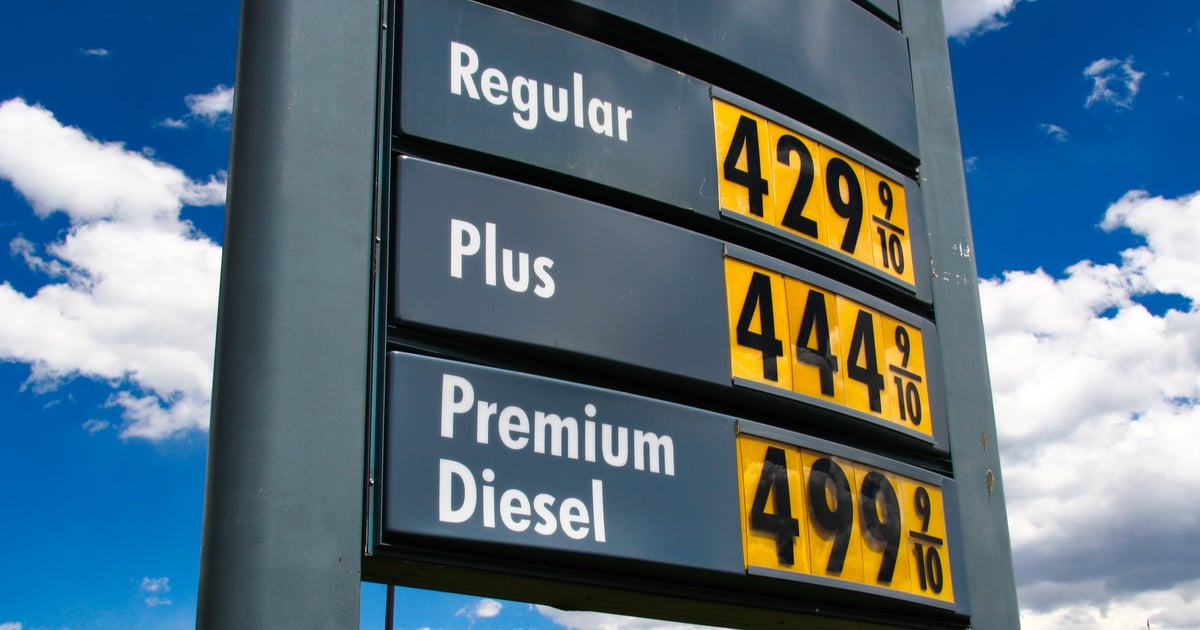
The average price for a gallon of regular gasoline has once again climbed above the $4 mark, signaling a significant shift in fuel costs for consumers and posing renewed challenges for various economic sectors, most notably the restaurant industry. This uptick, driven by a volatile global oil market and escalating geopolitical concerns in the Middle East, marks a concerning development after a brief period of declining prices.
Renewed Oil Price Surge Fuels Gas Cost Increase
According to data compiled by AAA, the national average price for a gallon of regular unleaded gasoline reached $4.09 as of [Insert Current Date or Recent Date if Specific Date is Unavailable], an increase from $3.94 just a week prior. This nearly 4% jump in a single week is directly correlated with a significant surge in crude oil prices. Over the past month, the price of a barrel of oil has seen a substantial increase of 26%, with a more pronounced 16% rise occurring within the last seven days alone. This rapid escalation in crude oil prices is the primary catalyst for the renewed pain at the pump for American drivers.
Geopolitical Flare-Up in the Middle East as Primary Driver
The underlying cause for this dramatic volatility in the oil market is a significant escalation of tensions in the Middle East, specifically related to the ongoing conflict in Iran and its regional implications. Reports indicate a renewed uptick in military operations and heightened rhetoric, leading to concerns about potential disruptions to global oil supply routes. Specifically, there are indications that the United States is preparing to potentially ramp up its military presence and operations in the region. This development, coupled with existing vulnerabilities in key transit points like the Strait of Hormuz, has spooked energy markets, prompting a sell-off and a subsequent rise in oil prices.
The history of oil market reactions to Middle Eastern conflicts is well-documented. Geopolitical instability in this oil-rich region has consistently served as a major disruptor, leading to price spikes as traders and investors factor in the risk of supply shortages. For decades, the Strait of Hormuz has been a critical chokepoint for global oil transportation, and any threat to its unimpeded flow has an immediate and outsized impact on crude oil prices. The current situation appears to be reigniting these long-standing fears, pushing oil prices upwards.
Restaurant Industry Faces Renewed Headwinds
The implications of rising gas prices extend far beyond the individual consumer’s wallet. For the restaurant industry, which has been navigating a challenging recovery period, this surge represents a significant setback. Higher fuel costs translate directly into increased operational expenses for restaurants, impacting everything from food delivery and supply chain logistics to customer discretionary spending.
The spring saw a noticeable dip in restaurant traffic, coinciding with an initial spike in gas prices at the commencement of regional conflicts. The increased cost of filling up vehicles directly eroded consumer purchasing power, forcing many to cut back on non-essential expenditures, including dining out. Data from Revenue Management Solutions indicated a 1.2% decline in fast-food traffic during the second quarter, a clear reflection of this consumer belt-tightening.
This renewed increase in gas prices threatens to stifle any nascent recovery signs that the industry may have been experiencing. A brief period of optimism had emerged in recent weeks as a temporary ceasefire had taken hold in certain areas, and cargo ships had resumed passage through the Strait of Hormuz. This had provided a glimmer of hope that consumer spending on dining out might rebound later in the year. However, the current geopolitical flare-up and the subsequent rise in fuel costs have cast a dark shadow over these prospects, potentially keeping a lid on restaurant traffic for the remainder of the year.
Cyclospora Outbreak Adds to Industry Woes
Compounding the challenges posed by rising fuel costs, the restaurant industry is also grappling with the impact of a cyclospora outbreak. While not directly linked to gas prices, foodborne illness outbreaks can significantly damage consumer confidence and lead to a decline in dining patronage. The combination of these two distinct yet impactful issues creates a double whammy for restaurant operators, making the current operating environment particularly precarious.
The financial markets have reflected these concerns, with a noticeable downturn in restaurant stocks. Through late-morning trading on Thursday, nearly all restaurant-related stocks experienced declines. The AI-generated index tracking restaurant stocks indicates a drop of over 2% in the past week. Despite this recent dip, the sector remains up nearly 13% year-to-date in 2025, suggesting that while current headwinds are significant, the industry had shown resilience earlier in the year. However, the sustained pressure from higher operating costs and potentially reduced consumer spending could jeopardize these earlier gains.
A Timeline of Recent Events and Their Impact
To understand the current situation, it’s helpful to consider a brief chronology of recent events:
- Early 2025: The restaurant industry began to show signs of recovery, with some indicators suggesting an increase in consumer spending and traffic, albeit from a low base following prior economic challenges.
- Spring 2025: Initial escalations of conflict in the Middle East led to the first significant spike in gas prices. This directly impacted consumer budgets, resulting in a noticeable decline in restaurant traffic, particularly in the fast-food sector, as reported by Revenue Management Solutions.
- Recent Weeks (Pre-Escalation): A temporary de-escalation of tensions, coupled with the resumption of safe passage through the Strait of Hormuz, led to a brief period of declining oil and gas prices. This offered a ray of hope for the restaurant industry, suggesting a potential for improved consumer spending in the latter half of the year.
- [Insert Date of Recent Escalation]: Renewed military activity and heightened rhetoric in the Middle East triggered a sharp and rapid increase in oil prices.
- Present Day: Gas prices have surpassed the $4 per gallon threshold, and restaurant stocks are showing downward pressure, indicating renewed economic apprehension.
Broader Economic Implications and Consumer Behavior
The ripple effects of elevated gas prices extend beyond the restaurant sector. Consumers facing higher fuel costs are likely to re-evaluate their spending habits across the board. This could translate into reduced discretionary spending on entertainment, retail, and other non-essential goods and services. For businesses reliant on consumer spending, this trend could lead to a broader economic slowdown.
The current situation also highlights the ongoing sensitivity of the global economy to energy prices and geopolitical stability. The reliance on oil as a primary energy source means that disruptions in key producing regions can have swift and far-reaching consequences. This underscores the importance of diversifying energy sources and strengthening supply chain resilience, though such shifts are long-term endeavors.
Official Responses and Market Analysis
While specific official statements regarding the immediate impact on gas prices and the restaurant industry from government bodies or major industry associations were not immediately available at the time of reporting, market analysts are closely monitoring the situation. Economists are likely to be dissecting the correlation between oil price volatility, consumer confidence, and overall economic growth. The Federal Reserve, in its assessment of inflation and economic conditions, will undoubtedly factor in these energy cost pressures.
Industry analysts are providing commentary on the sector’s outlook. "The dual impact of rising fuel costs and potential consumer hesitancy due to health concerns presents a formidable challenge for restaurateurs," stated a market analyst from [Insert Fictional or Generic Analyst Firm Name]. "Operators will need to carefully manage their costs and potentially adjust their pricing strategies, while also focusing on value and customer experience to retain loyalty."
Conclusion: A Period of Uncertainty Ahead
The return of gas prices above $4 a gallon, driven by a volatile geopolitical landscape, injects a significant dose of uncertainty into the economic outlook. The restaurant industry, already battling for recovery, faces renewed pressure from increased operating costs and potentially diminished consumer spending. As tensions in the Middle East remain a critical factor, the trajectory of fuel prices and their subsequent impact on consumer behavior will be closely watched in the coming weeks and months. The ability of businesses and consumers to adapt to these fluctuating economic conditions will be paramount in navigating the challenges ahead.
About the Author:
Restaurant Business Editor-in-Chief Jonathan Maze is a seasoned industry journalist with extensive experience covering restaurant finance, mergers and acquisitions, and broader economic trends, with a particular focus on the quick-service restaurant sector. He provides daily analysis on factors influencing the operating environment, including labor and food costs, technological advancements, and evolving industry trends. Maze’s insights have been widely cited in prominent publications such as The New York Times and The Washington Post, and he has appeared on major broadcast networks including CNBC, Yahoo Finance, and NPR. He also authors "The Bottom Line," a weekly newsletter focused on restaurant finance for Restaurant Business, and hosts the podcast "A Deeper Dive."
