

The European Union’s Deforestation Regulation (EUDR), set to take effect in January 2027, poses a significant hurdle for Honduras’s crucial coffee industry, threatening the livelihoods of thousands of smallholder farmers and impacting the nation’s economy. This landmark legislation mandates that commodities exported to the EU, including coffee, must be proven to be produced on land that was not deforested after December 31, 2020. For a sector deeply intertwined with the country’s social and economic fabric, the EUDR introduces complex traceability and due diligence requirements that many farmers and exporters are struggling to meet.
The Backbone of Honduras: Coffee Cultivation and Livelihoods
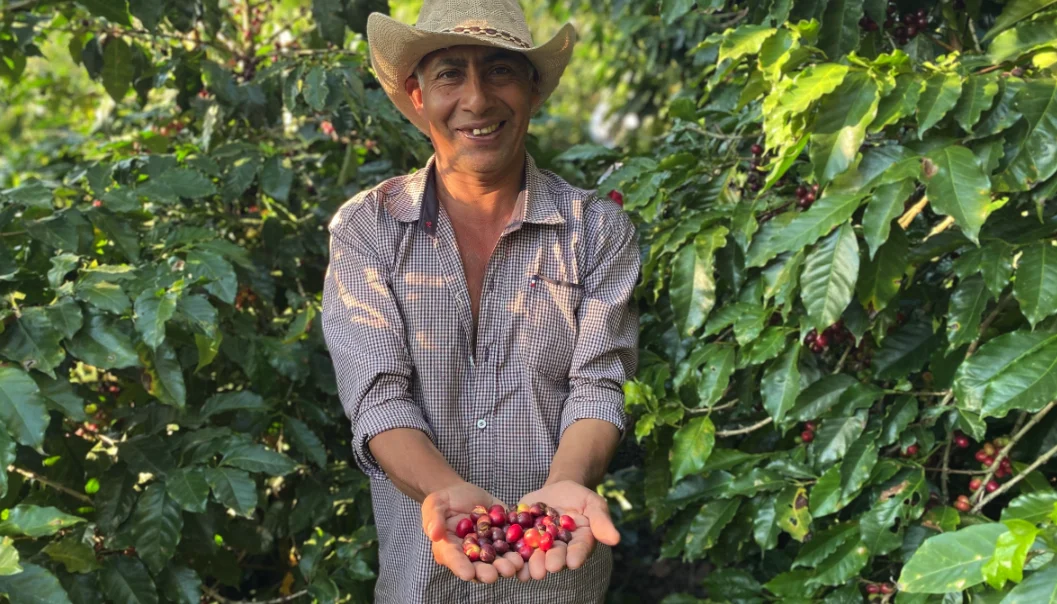
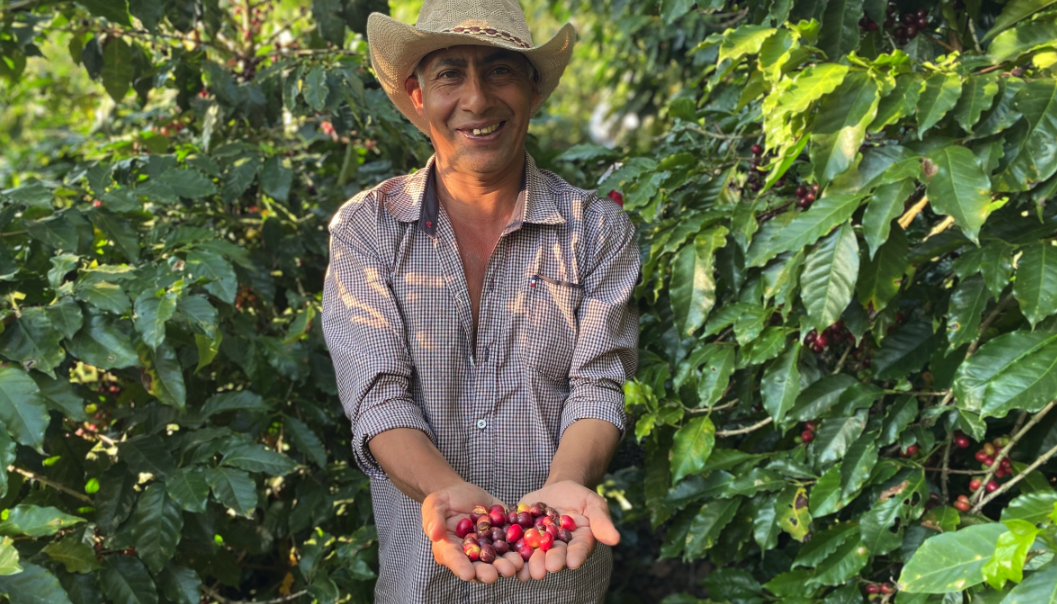
Coffee is more than just an agricultural product in Honduras; it is the lifeblood of numerous communities and a cornerstone of the national economy. Reinerio Zepeda, an 88-year-old farmer from near Minas de Oro, exemplifies the deep generational connection to coffee cultivation. Having dedicated nearly a century to growing arabica coffee on his shaded finca, Zepeda expresses a deep appreciation for the natural environment that sustains his livelihood. "I love the peace up here, the trees and the birds," he shared, reflecting a sentiment shared by many who rely on the land.
The Honduran coffee sector comprises approximately 98,000 registered growers, with a significant majority, over 90%, owning less than three hectares of land, according to recent data. These smallholder farmers, often operating in remote, mountainous regions, are the backbone of the industry. For individuals like Zepeda, who has traditionally sold his harvest to intermediaries, the upcoming EUDR requirements raise questions about the future. The need to ensure supply chain traceability introduces a layer of bureaucratic complexity that many, especially those with limited access to information and technology, find daunting.
"I have heard something on TV about Europe being concerned about deforestation, but nobody has showed up here to explain it to me," Zepeda admitted, his primary concern remaining the volatile nature of coffee prices rather than the intricacies of EU regulations. He asserts his commitment to sustainable practices, stating, "I haven’t cut trees; that would be crazy because I need them to produce my coffee. Everybody can come up here and check." This sentiment highlights a potential disconnect between the EU’s regulatory intent and the on-the-ground realities of small-scale farmers who inherently practice shade-grown methods to protect their crops.
Economic Significance and EUDR’s Impact
The economic implications of the coffee sector for Honduras are profound. Over half of the nation’s coffee exports are destined for the European Union, representing approximately 5% of the national Gross Domestic Product (GDP). Domestically, the industry is an unparalleled job creator, generating employment for an estimated 1.1 million people and serving as the primary source of foreign exchange for the country. The potential disruption posed by the EUDR, therefore, extends far beyond individual farms to the entire national economy.
Deforestation Concerns vs. Reality in Honduran Coffee Farming
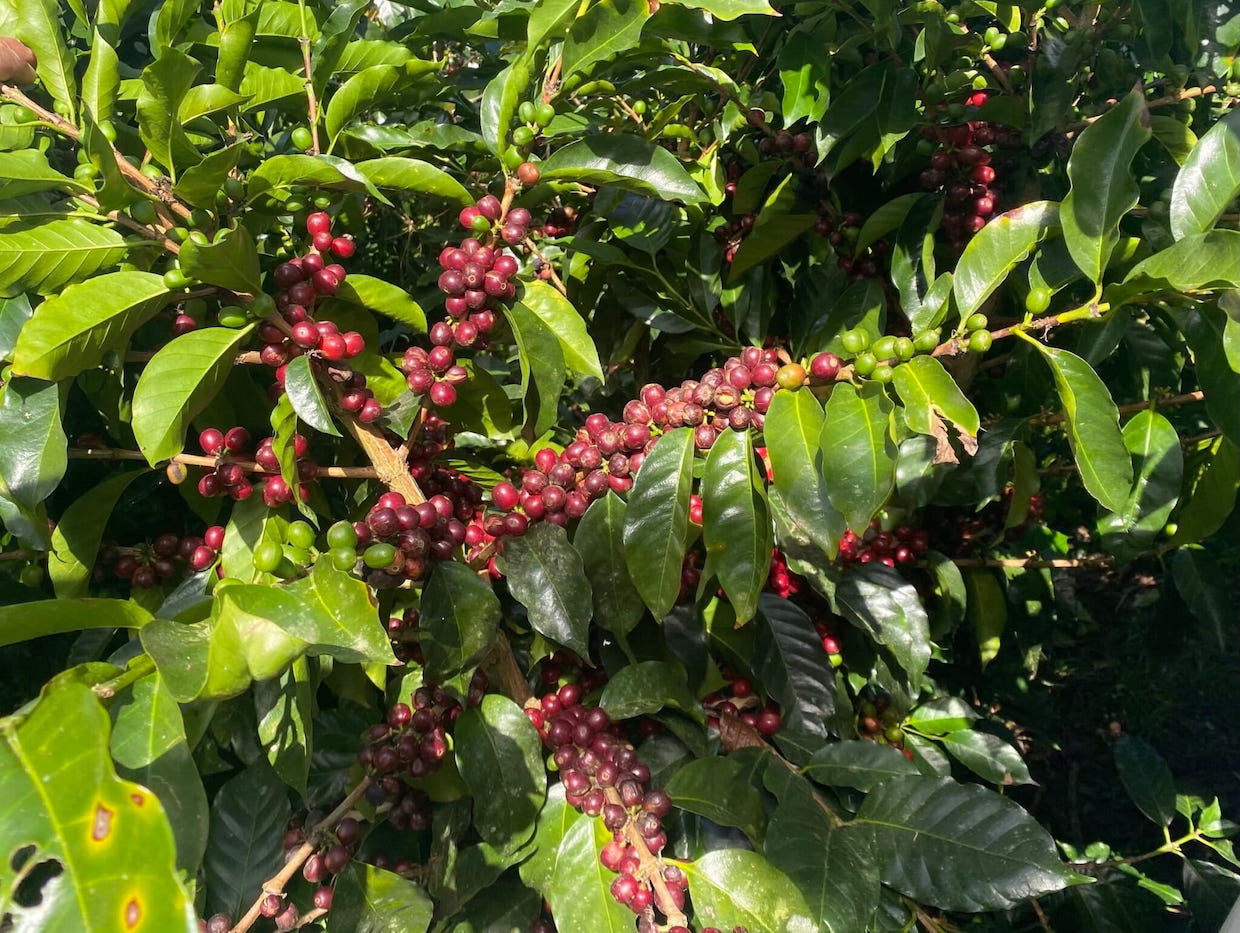
Experts argue that deforestation is a relatively minor issue within the Honduran coffee sector. The sensitive arabica coffee variety is traditionally cultivated under shade in highland regions, a practice that inherently preserves forest cover. The EUDR, however, extends its requirements beyond deforestation to encompass labor and human rights, areas where Honduran coffee farmers face more significant challenges.
During Cafexpo, a major annual coffee event held in San Pedro Sula, discussions about the EUDR were prevalent on the sidelines. While some technology startups showcased supply-chain traceability applications, there was a notable absence of dedicated EUDR-focused initiatives. Crucially, a clear understanding of how many Honduran coffee farms had been georeferenced – a process of mapping their precise geographical coordinates for traceability – and were thus prepared for EUDR-compliant exports remained elusive.
Navigating Fragmentation and the Path to Compliance
The implementation of the EUDR in Honduras is hampered by fragmented data and a lack of centralized coordination. Francisco Ordoñez, appointed deputy secretary of state for coffee production at the Ministry of Agriculture by the new president in January, acknowledges these challenges. The complex coffee supply chain involves around 120,000 producers, over 500 intermediaries, and 81 exporters, including both large corporations and smaller cooperatives.
"Everyone has done some work – exporters, cooperatives, the Honduran Coffee Institute – but we need to bring it all together," Ordoñez stated. He highlighted the dormant status of the National Coffee Council (CONCAFE), the industry’s regulator, which had not convened for four years. "Now we will put efforts, political will, and, if necessary, funds to ensure that we will be ready," he pledged, signaling a renewed commitment to addressing the EUDR’s demands. Ordoñez views the EUDR not just as a regulatory burden but as an opportunity to modernize and enhance transparency within a historically fragmented sector.
Shifting Perceptions: From Resistance to Opportunity
The EUDR, adopted by the European Parliament in 2023, initially met with resistance from some stakeholders. Daniel Dubon, executive director of Promecafe, a regional association, noted, "Some actors thought the EU was imposing new rules that were not their business." However, this sentiment has largely dissipated, with most industry players now recognizing the EUDR as a catalyst for developing more robust, transparent, and sustainable supply chains. "Most actors see the EUDR as an opportunity, helping them to create a more solid, transparent, and sustainable supply chain," Dubon observed.
The Human Element: Labor Rights and Land Tenure
The primary challenges for the Honduran coffee sector in meeting EUDR standards revolve around land tenure and family labor, which are often informal. Many farmers lack formal land titles, with ownership sometimes being collective or based on verbal agreements. Furthermore, child labor remains a prevalent issue in coffee cultivation. Many young pickers report starting to assist their parents with coffee crops as early as age six.
"School vacations from November to January coincide with harvest season; the legal framework has some gaps, and enforcement is weak," Dubon explained. Tackling this issue effectively would require nationwide awareness campaigns and supportive measures, such as childcare assistance during the harvest season. Even when exporters implement due diligence programs, these efforts are often sporadic and difficult to monitor.
Private Sector Initiatives and Technological Hurdles
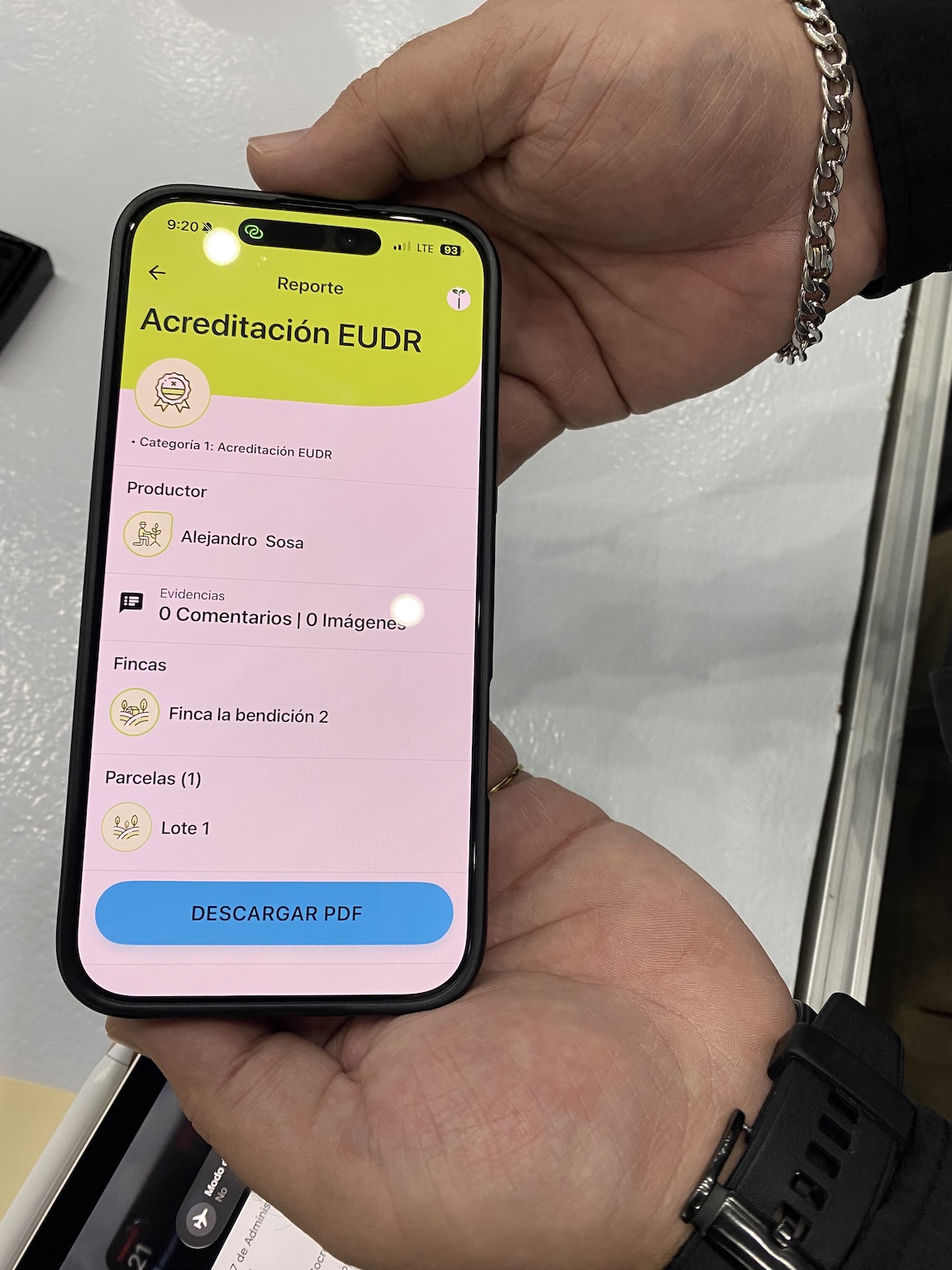
In response to the government’s slow action in recent years, the private sector, particularly exporters concerned about losing access to the lucrative EU market, has taken the lead. Many have developed proprietary software and platforms for traceability. Napoleón Matute, technical manager at IHCAFE, observed, "Everyone has his own traceability and due diligence system." This proliferation of diverse systems, some free and some costly, and the varying priorities of importers, creates significant uncertainty.
Companies like Becamo, which sources coffee from 9,800 producers, work with platforms developed by their major clients, such as Neumann Kaffee Gruppe (NKG) in Germany. Comsa, a Marcala-based exporter of organic coffee from over 1,200 producers, utilizes a different system. Both have already conducted trial shipments of "deforestation-free coffee" to assess their compliance with EUDR requirements. The stakes are high, as importers face substantial fines of up to 4% of their annual EU turnover for violations once the law takes effect.
A significant technical hurdle lies in analyzing satellite data using Artificial Intelligence (AI). Many AI models are trained on European and U.S. data, lacking adaptation for local contexts like Central American coffee farms. The Hansen Global Forest Change dataset, a common tool for tracking deforestation, proved highly accurate for the Amazon but generated a high rate of "false positives" in Honduras, often misinterpreting essential agroforestry practices like tree pruning as deforestation. In some instances, incorrect measurements on farms growing multiple crops, or the impact of natural events like bark beetle infestations that destroyed shade trees, led to erroneous deforestation alerts. The rugged terrain and small plot sizes in the Honduran mountains further complicate the accuracy of satellite and AI-powered software.
To address these inaccuracies, organizations like Solidaridad, an NGO focused on inclusive and sustainable supply chains, now employ multiple layers of satellite data, reducing error rates from 90% to 22%. Becamo is also adopting a similar multi-layer system. Both entities cross-reference their findings with data from the National Institute for Forest Conservation, which has established the 2020 forest cover baseline.
Cost, Awareness, and the Risk of Exclusion
Despite these technological advancements, the costs and technical expertise required for EUDR compliance remain substantial barriers for many exporters. Basilio Fuschich, president of the Association of Honduran Coffee Exporters (ADECAFEH), reported that only half of the 44,200 farms associated with ADECAFEH have been georeferenced. "Our clients are worried that Honduras won’t deliver enough coffee," he stated, warning that the EUDR could bifurcate the market. "Some exporters will comply, but many are not interested and prefer to sell to Asia and the U.S. without all this paperwork."
Daniel Dubon points out that the EUDR imposes costs on the country of origin without providing producers with any additional price premium for their coffee. "Not everyone is willing to bear the costs and is looking for the cheapest solution," remarked Daniel Flores of Solidaridad. The cost of accurately georeferencing a farm and conducting data analysis is estimated at $22.50 for a seven-hectare farm. Solidaridad, in partnership with IHCAFE, is offering free enrollment and training to approximately 10,000 coffee farmers belonging to associations or cooperatives in the coming months.
However, this initiative reaches only a fraction of the total farming population, as only a third of all coffee farmers are members of such groups. Those without organizational support or exporter backing risk being left behind. A recent study indicated that only 44% of coffee farmers in Honduras are aware of the EUDR, and merely one in three has completed a training course. "Although 70% believe they meet the criteria, this perception does not necessarily mean they fulfill the technical requirements," the study noted.
Fredy Pastrana, an independent producer from Danlí, voices concerns about being marginalized. He has sought guidance from exporters on compliance but has received discouraging responses. "They say they will georeference your finca, but they don’t operate on an open platform; they own your data, which makes it difficult to switch during the harvest to another retailer who may be offering a better price," Pastrana explained. He advocates for a public institution to manage such data, ensuring compliance with the law and preventing potential abuses in commercialization.
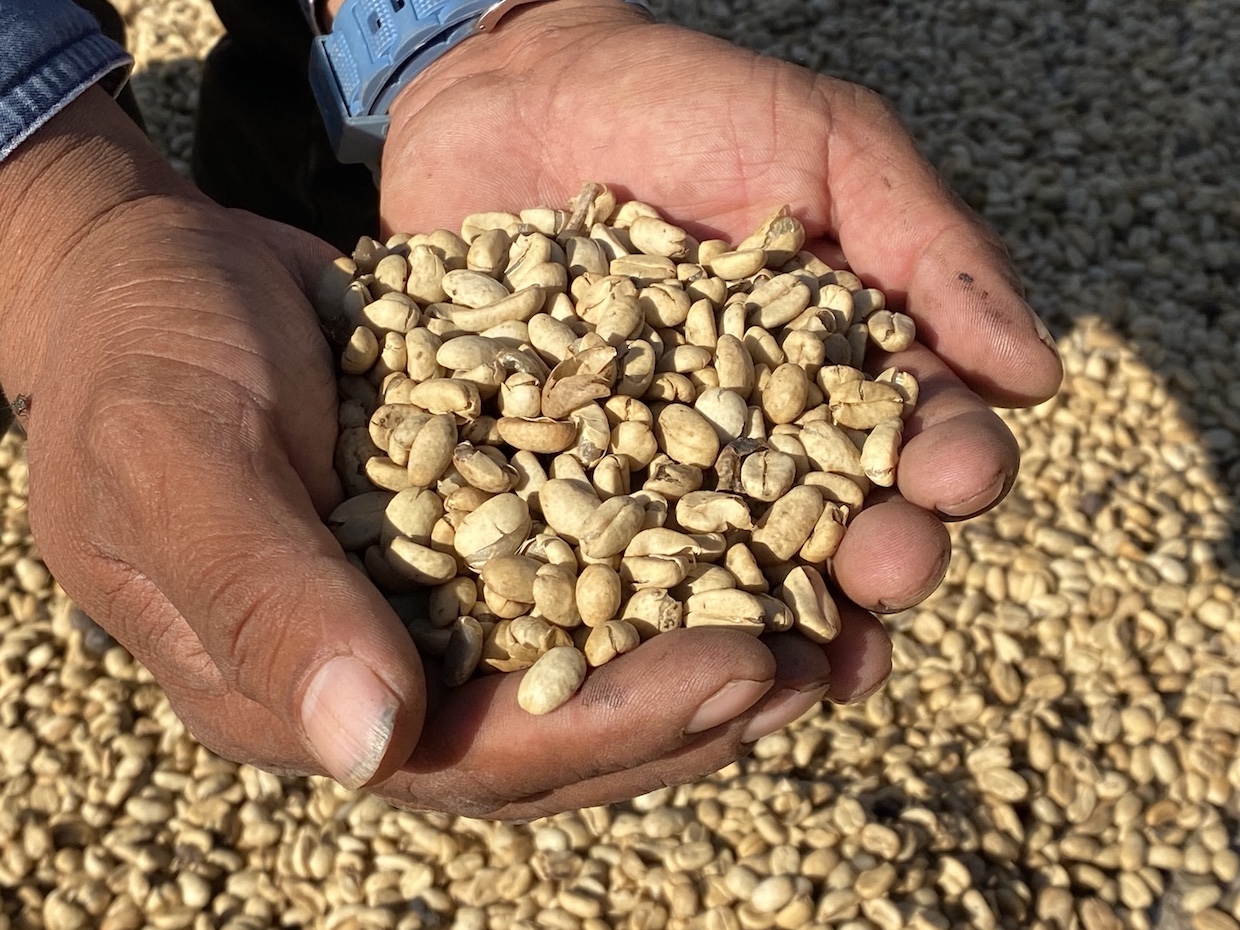
The Challenge of Data Management and Trust
IHCAFE has developed an application linked to its producer registry, but initial attempts at an open-source app yielded limited useful data. A collaborative effort to create a shared public platform with exporters also faltered due to a reluctance to share sensitive information, with organizations fearing competitors gaining access. Exporters, however, counter that IHCAFE has not adequately guaranteed data security and confidentiality, fostering widespread distrust in Honduras, a country grappling with significant corruption issues.
While Dubon acknowledges the EUDR’s aim to increase farmer visibility, he stresses that its success hinges on addressing underlying injustices in the commercialization process, where producers receive a disproportionately small share of the profits. "If we fail to involve small-scale producers and improve their living conditions," he warned, "they will migrate or switch to other crops." The EUDR, therefore, presents not only a regulatory challenge but also a crucial opportunity to fundamentally rethink and improve the sustainability and equity of the Honduran coffee value chain.
