

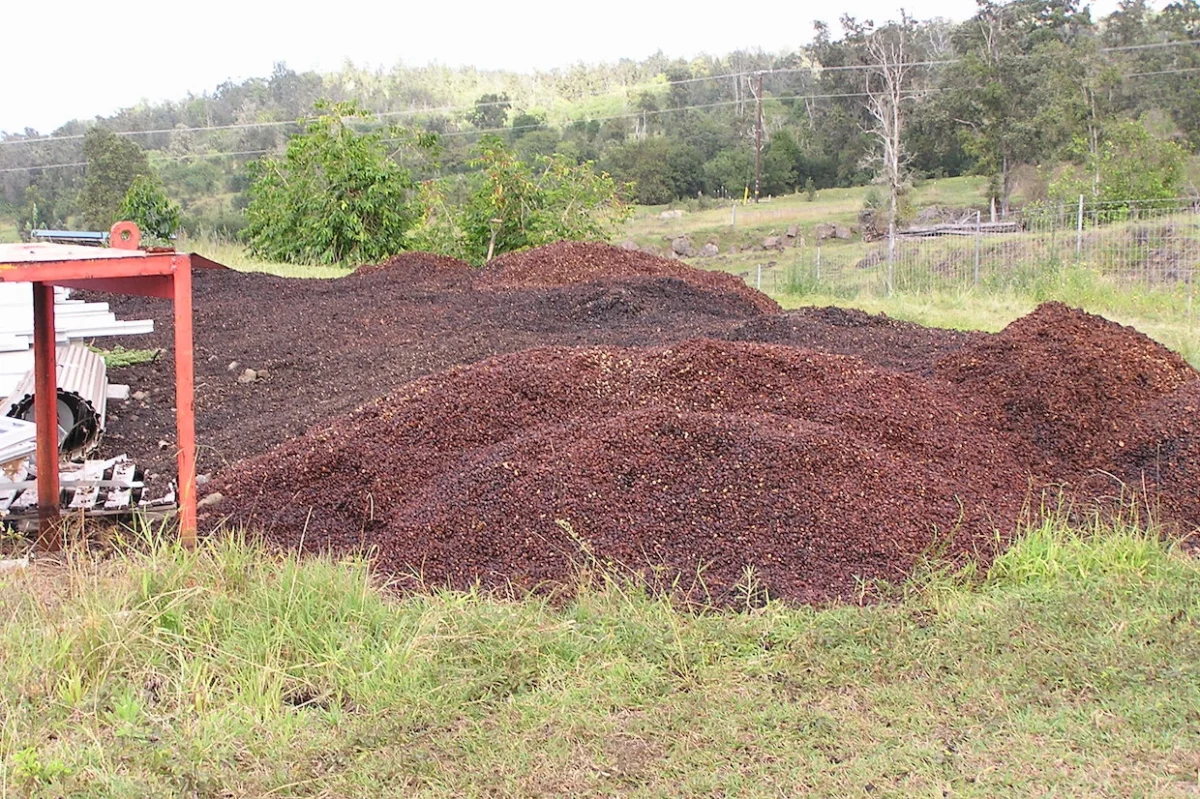
A recent clinical trial conducted in Thailand has yielded promising results, indicating that a beverage derived from the pulp of arabica coffee beans, a component often discarded or composted during coffee processing, may lead to modest improvements in cholesterol markers among adults classified as obese. The findings, published on March 12 in the peer-reviewed journal Frontiers in Nutrition, represent a significant step in exploring the potential health benefits of upcycling a previously undervalued byproduct of the coffee industry.
The study involved 79 adult participants who met specific health criteria: a Body Mass Index (BMI) of 25 or higher, indicative of overweight or obesity, and a baseline LDL cholesterol level of at least 130 milligrams per deciliter, a threshold often associated with increased cardiovascular risk. Participants were administered a liquid supplement, commercially available under the brand name Coffogenic, which is formulated from an extract of coffee pulp. This extract is known to be rich in beneficial compounds such as chlorogenic acid and other polyphenols, which have been recognized for their antioxidant and anti-inflammatory properties. The study design employed a randomized, placebo-controlled approach, where participants received either the Coffogenic supplement or a placebo over a period of 24 weeks.
Unpacking the Study’s Methodology and Key Findings
The rigorous methodology of the trial aimed to isolate the effects of the coffee pulp extract. Participants were instructed to consume 75 milliliters of the Coffogenic extract twice daily. The primary outcome measured was the change in LDL cholesterol levels from the initial baseline measurement. The results demonstrated a notable difference between the intervention and placebo groups.
After 24 weeks, participants who consumed the coffee pulp extract experienced a significant reduction in their LDL cholesterol levels, averaging a 14.9% decrease from their baseline. In contrast, the placebo group showed a more modest decrease of 7.7%. When researchers adjusted the data to account for initial lipid levels, the LDL cholesterol reduction in the extract group remained robust at 13.7%, compared to 7.1% in the placebo group. This suggests a statistically significant effect attributable to the Coffogenic supplement.
Beyond LDL cholesterol, the study also monitored other lipid profiles. Triglycerides, another type of fat in the blood, showed a trend towards favorable changes in the group consuming the coffee pulp extract, although this improvement did not reach statistical significance. This suggests that while the extract may influence various lipid markers, its most pronounced effect was observed on LDL cholesterol.
The research also delved into secondary health indicators, including body weight, waist circumference, and insulin resistance. The findings indicated that participants in the extract-drinking group exhibited more favorable trends across these secondary outcomes as well. However, the authors of the study were careful to qualify these results, noting that some of these changes were modest and might reflect statistical significance rather than a clear and profound clinical impact. This measured approach underscores the commitment to objective reporting of the data.
Delving into the Potential Mechanisms of Action
The researchers proposed a plausible biological mechanism through which the coffee pulp extract might exert its cholesterol-lowering effects. They suggested that the compounds within the extract could interfere with the formation of cholesterol micelles in the intestine. Micelles are crucial for the absorption of dietary fats and cholesterol. By disrupting this process, the extract could potentially reduce the amount of cholesterol absorbed from the digestive tract into the bloodstream.
This proposed mechanism draws parallels to the way certain pharmaceutical interventions work. The authors specifically compared the extract’s action to that of ezetimibe, a prescription medication widely used to lower LDL cholesterol. Ezetimibe is known to work by inhibiting cholesterol absorption in the small intestine and has been shown to reduce LDL cholesterol levels by approximately 17%. While the effect observed in the study was modest, the similarity in the proposed mechanism is noteworthy and warrants further investigation. The rich presence of chlorogenic acid, a potent antioxidant and anti-inflammatory compound, is a key area of focus in understanding these potential benefits.
Industry Backing and Publication Timeline: Points of Consideration
It is important to acknowledge the context surrounding the study’s funding and publication. The research received support from Thailand Science Research and Innovation, a government agency dedicated to advancing scientific endeavors, as well as an educational grant from Hillkoff Co., a coffee company based in Chiang Mai, Thailand. Hillkoff Co. not only provided the coffee pulp extract used in the study but also markets Coffogenic in conjunction with its purported benefits for cholesterol management.
The author team, comprising researchers from Chiang Mai University, the University of Phayao, and Maejo University, formally declared no conflicts of interest, a crucial aspect of maintaining scientific integrity. However, the significant time lag between the data collection and the publication of the study raises questions. The trial data were gathered between November 2019 and June 2020, yet the findings were only published nearly six years later, in March 2026. The study paper itself does not provide an explanation for this considerable delay. Such gaps can sometimes affect the perception of the timeliness and relevance of research findings, although the scientific rigor of the study itself remains paramount.
The Growing Potential of Coffee Pulp and Cascara
This study aligns with a broader trend in the coffee industry: the increasing recognition and utilization of coffee pulp and cascara, the dried skins of coffee cherries, as valuable ingredients. As Daily Coffee News has previously reported, these materials are transitioning from waste products to sought-after components in various consumer goods. Companies like PectCof have attracted substantial investment for developing food applications derived from coffee pulp, highlighting the economic and environmental potential of this formerly overlooked resource.
The marketing of coffee pulp extracts and related products often emphasizes their rich content of chlorogenic acid and other polyphenols. These compounds are well-documented for their health-promoting properties, including antioxidant, anti-inflammatory, and potentially anti-diabetic effects. Previous research has explored the use of coffee pulp powder as a functional ingredient, even in applications like enhancing the health-related and flavor attributes of burger patties, suggesting a wide range of potential culinary and nutritional applications.
Broader Implications and Future Directions
The findings from this Thai study contribute to a growing body of evidence suggesting that components of the coffee plant, beyond the roasted bean, hold significant health potential. The modest, yet statistically significant, improvements in cholesterol levels observed in the study, particularly in a population group at higher risk due to obesity, are encouraging.
If these findings are replicated and further substantiated through independent research, coffee pulp extracts could emerge as a valuable natural supplement for individuals seeking to manage their cholesterol levels. This could have several implications:
- Sustainable Sourcing and Waste Reduction: Increased demand for coffee pulp could incentivize coffee processors to invest in better collection and extraction methods, transforming a waste stream into a valuable commodity and contributing to a more circular economy within the coffee sector.
- Natural Health Solutions: For consumers seeking natural alternatives to pharmaceutical interventions, coffee pulp-derived products could offer a palatable and accessible option, provided their efficacy and safety are further confirmed.
- Economic Opportunities: The development of a market for coffee pulp extracts could create new economic opportunities for coffee-producing regions, adding value to the entire coffee supply chain.
However, it is crucial to approach these findings with a balanced perspective. The observed effects were modest, and the study was conducted on a specific demographic with particular health profiles. Further research is needed to:
- Validate findings in larger, more diverse populations: Studies involving a wider range of ages, ethnicities, and health conditions are necessary to confirm the generalizability of these results.
- Investigate long-term effects and safety: The current study focused on a 24-week period. Longer-term trials are needed to assess the sustained efficacy and any potential long-term side effects of regular consumption.
- Clarify the precise active compounds and mechanisms: While the micelle disruption theory is plausible, further research is required to pinpoint the exact bioactive compounds responsible for the observed effects and to fully elucidate their molecular mechanisms.
- Address the publication delay: Greater transparency regarding the reasons for the significant gap between data collection and publication would enhance the credibility and perceived timeliness of the research.
In conclusion, the clinical trial published in Frontiers in Nutrition offers a compelling glimpse into the health potential of coffee pulp. While more research is warranted to fully understand and validate these promising results, the study underscores the innovative ways the coffee industry is exploring the full value of its resources, potentially offering natural solutions for health management while simultaneously promoting sustainability. The journey from coffee cherry waste to a functional health supplement is a testament to scientific inquiry and the evolving understanding of the complex chemistry and biology of one of the world’s most beloved beverages.
