

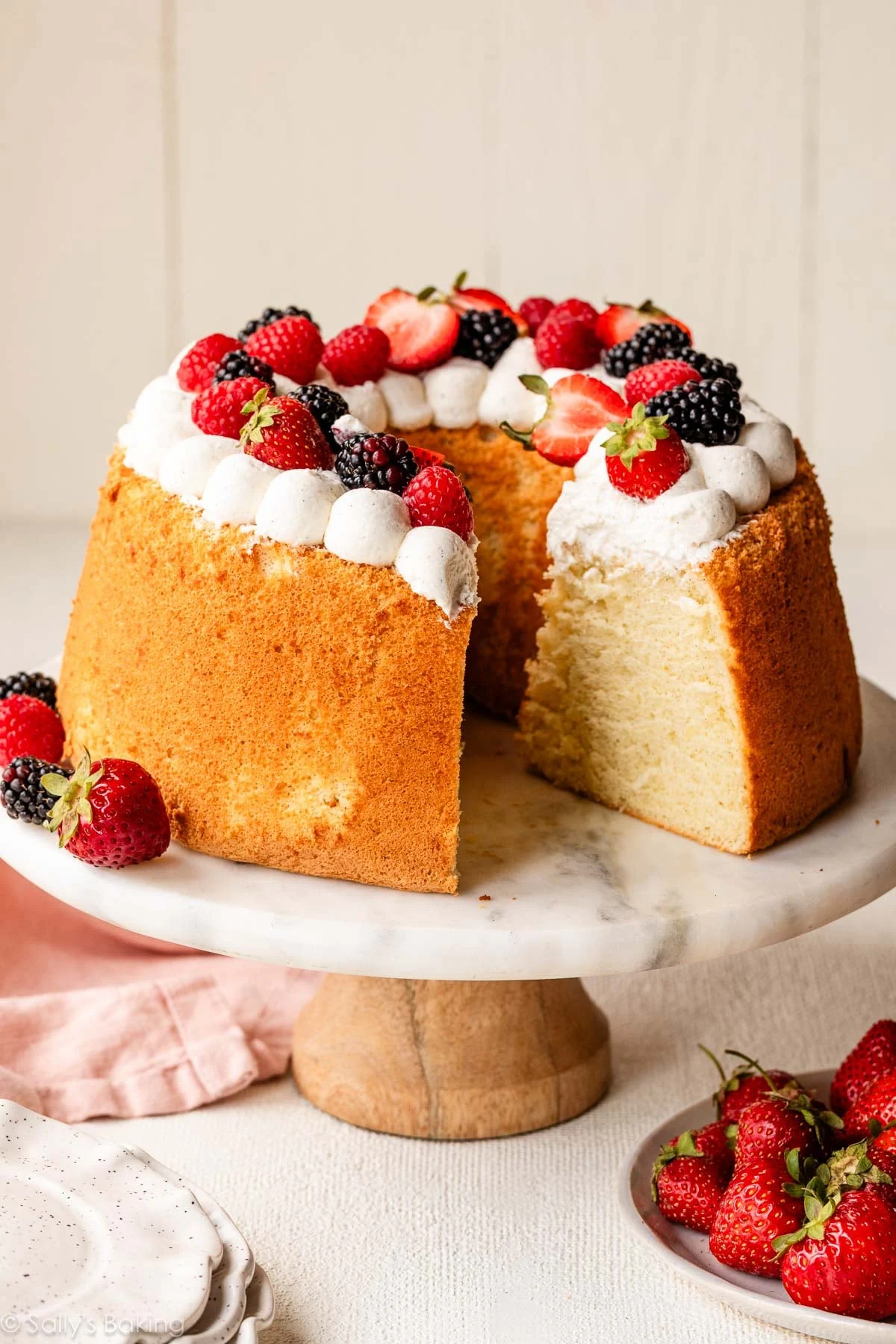
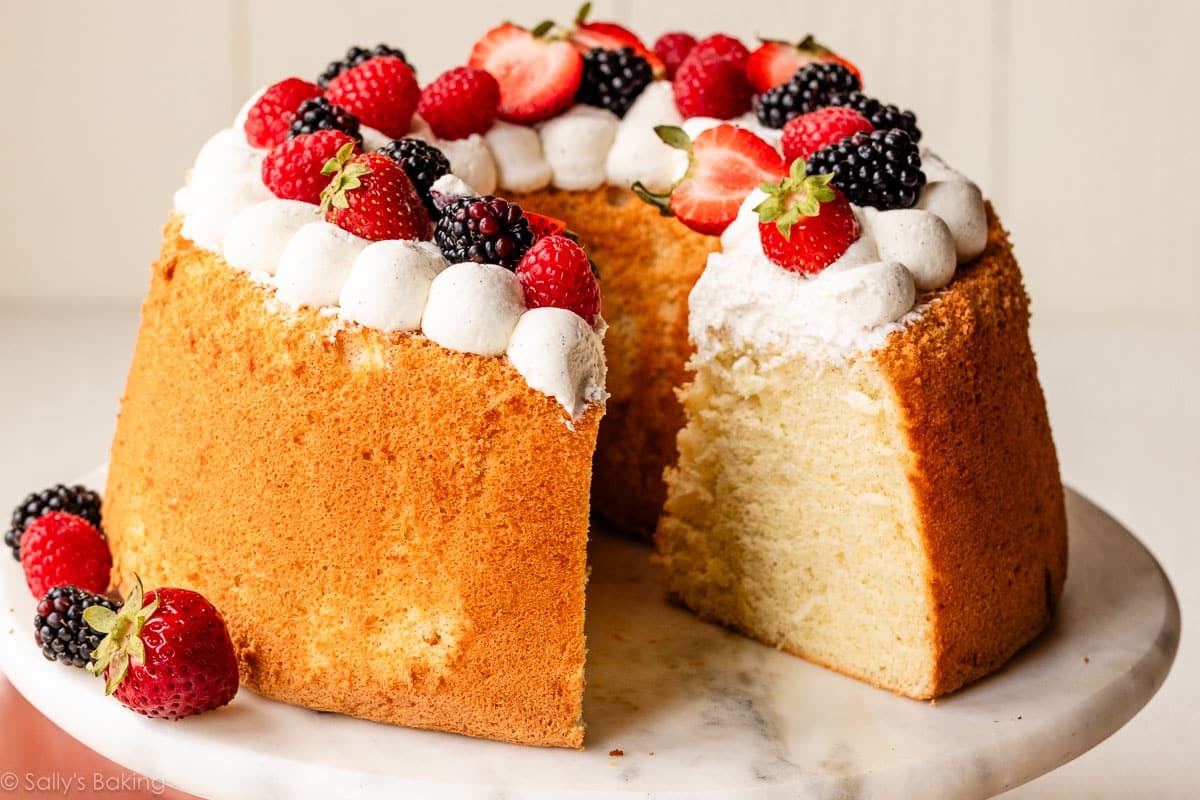
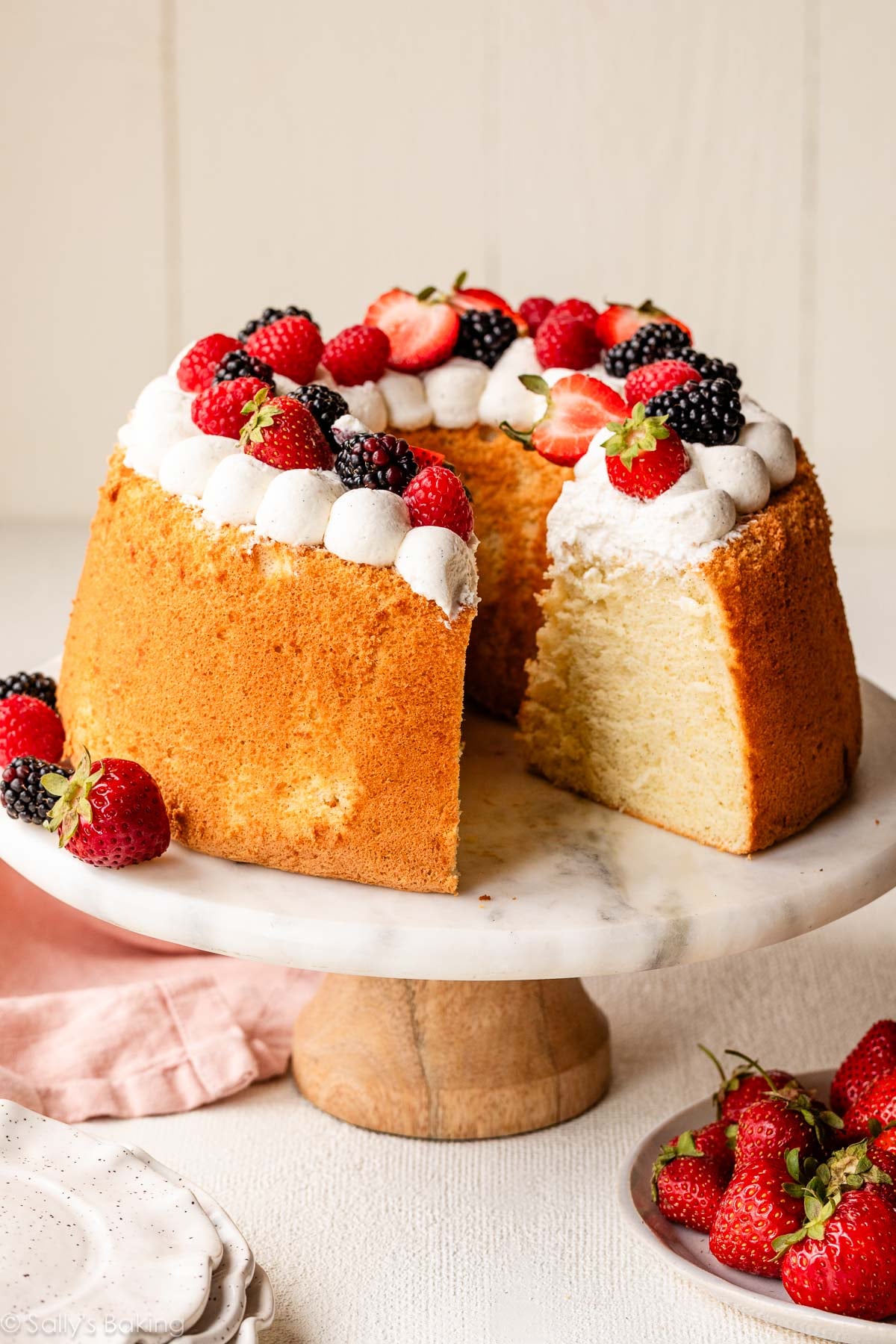
The classic chiffon cake stands as a testament to culinary ingenuity, revered for its unparalleled lightness, remarkable moistness, and delicate richness. Often hailed as one of the most elegant cakes to prepare from scratch, it masterfully marries the cloud-like loftiness typically found in angel food cake with the tender texture and substantial flavor profile of a traditional butter cake. This unique hybrid achieves its distinctive characteristics through the synergistic action of whipped egg whites and the strategic incorporation of oil into its batter. Whether presented simply adorned with fresh berries and a dollop of whipped cream or meticulously transformed into an elaborate, multi-layered celebration cake, this timeless recipe consistently delivers a confection that is tall, exquisitely fluffy, and exceptionally soft.
The Genesis and Evolution of a Culinary Icon
The chiffon cake, a creation shrouded in culinary mystique for nearly two decades, emerged from the innovative kitchen of Harry Baker, an insurance salesman turned caterer in Los Angeles, California. Baker developed the recipe in 1927, maintaining its ingredients and methods as a closely guarded secret for 20 years. He famously supplied his light-as-air cakes to Hollywood celebrities and high-end restaurants, fueling public fascination with his seemingly magical dessert. The recipe’s secrecy was finally lifted in 1947 when Baker sold it to General Mills, which then popularized it through extensive advertising campaigns, including its feature in Better Homes and Gardens magazine. This strategic release introduced the chiffon cake to the American home baker, quickly cementing its status as a beloved classic. Its rise coincided with a post-World War II era where home baking flourished, and novel, yet accessible, recipes were eagerly embraced. The cake’s sophisticated appearance coupled with its surprisingly straightforward preparation techniques contributed significantly to its widespread adoption and enduring popularity across generations.
Deconstructing the Chiffon Cake: A Hybrid of Excellence
At its core, chiffon cake is an incredibly light, airy sponge cake distinguished by a soft, tender crumb and a subtly rich flavor. It represents a masterful fusion, borrowing the most desirable attributes from both angel food cake and traditional butter cake. The structural integrity and signature fluffiness of chiffon cake are largely derived from the meticulous incorporation of whipped egg whites, which are gently folded into the batter. This technique, shared with angel food cake, introduces a vast network of air pockets, creating an exceptionally delicate matrix. However, chiffon cake deviates significantly from its fat-free counterpart by including additional components that enhance its richness and moisture. Contemporary chiffon recipes typically integrate baking powder, egg yolks, and milk. The inclusion of fat, primarily from the egg yolks and milk, imbues the cake with a profound tenderness and a richer, more nuanced flavor profile, evoking a buttery quality despite the absence of butter in the batter itself.
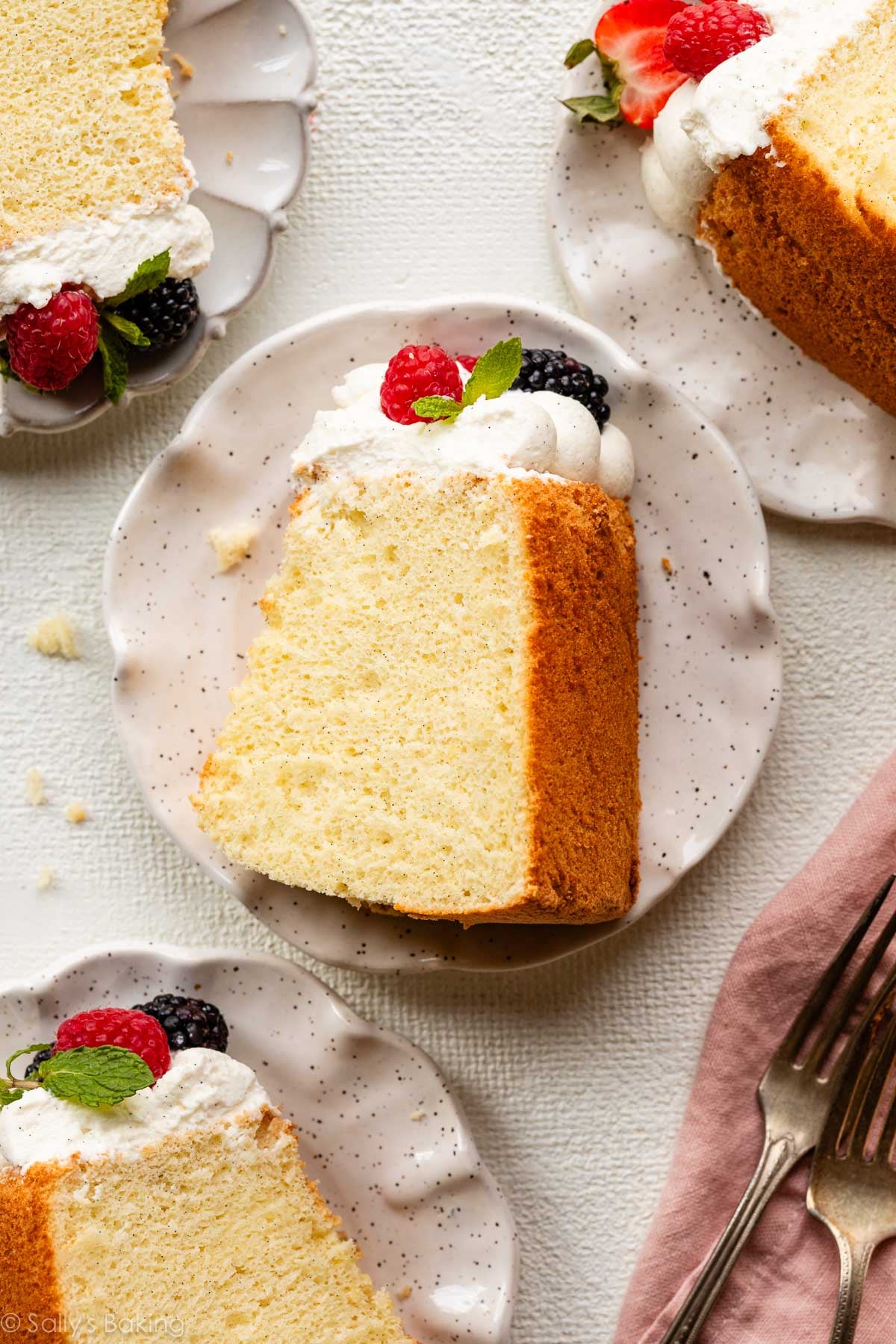
A pivotal ingredient that distinctly sets chiffon cake apart from many other sponge cakes is the use of oil. While traditional sponge cakes often rely solely on eggs, sugar, and flour for their structure, the addition of vegetable oil in chiffon cake plays a critical role in ensuring every bite remains exceptionally moist and remarkably soft. The molecular structure of oil, primarily unsaturated fats, contributes to a more fluid batter and, crucially, a finished cake that resists drying out. Unlike butter, which can solidify and make cakes dense or crumbly when refrigerated, oil maintains its liquid state at cooler temperatures. This characteristic means that chiffon cake retains its tender, melt-in-your-mouth texture and delicate crumb even after refrigeration, allowing it to stay fresh and soft for several days. This unique property makes chiffon cake an ideal choice for preparations where advance baking or extended freshness is desired. The resulting cake strikes a perfect balance: it is light enough to be a refreshing dessert for spring and summer gatherings, yet sufficiently rich and satisfying to elevate any occasion into a special event. For those seeking a dessert that offers sophistication without being overly sweet or heavy, chiffon cake presents an undeniably superb option.
The Science of Structure: Key Ingredients and Their Roles
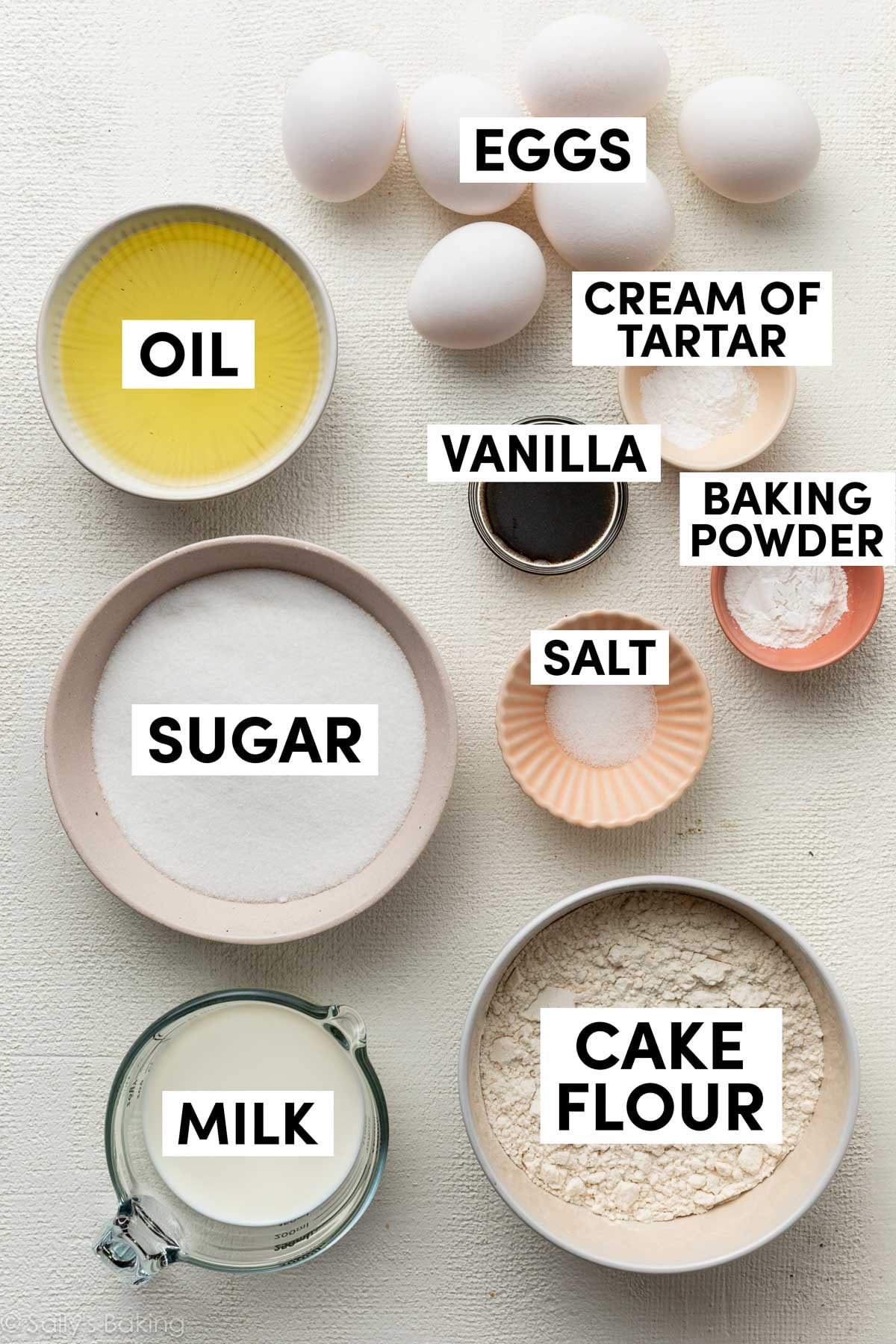
The construction of a classic chiffon cake relies on a carefully selected blend of pantry staples, each playing a critical role in achieving its towering height, ethereal softness, and delightful lightness. Understanding the scientific contribution of each component is crucial for successful execution.
- Eggs (Separated): The cornerstone of chiffon cake. Egg whites, devoid of fat, whip into a stable meringue that traps air, providing the primary leavening and airy structure. Egg yolks contribute emulsifiers (lecithin), richness, flavor, and a tenderizing effect due to their fat content.
- Cake Flour: Essential for the tender crumb. Cake flour has a lower protein content (typically 7-9%) compared to all-purpose flour. This reduced protein means less gluten development, resulting in a softer, more delicate texture that wouldn’t be achievable with higher-protein flours.
- Granulated Sugar: Beyond sweetness, sugar plays multiple roles. In the meringue, it stabilizes the whipped egg whites, creating a glossy, firm structure. In the yolk batter, it contributes to tenderness by interfering with gluten formation and aids in moisture retention.
- Vegetable Oil: A defining ingredient. Unlike solid fats (butter), liquid oil disperses more thoroughly through the batter, coating flour particles and inhibiting gluten development, leading to a profoundly moist and tender crumb. Its liquid state ensures the cake remains soft even when chilled.
- Milk: Adds moisture, richness, and aids in browning. The dairy fats and proteins contribute to the overall tender texture and flavor.
- Baking Powder: A chemical leavening agent. It provides an additional lift, working in conjunction with the aerated egg whites to ensure the cake achieves maximum volume and an open, airy structure.
- Cream of Tartar: A crucial acid often used when whipping egg whites. It stabilizes the egg white foam, helping it reach greater volume and preventing it from collapsing, ensuring the meringue holds its stiff, glossy peaks.
- Vanilla Extract: Provides essential aromatic depth, complementing the delicate flavors of the cake without overpowering them.
Precision in Preparation: The Art of the Chiffon Cake
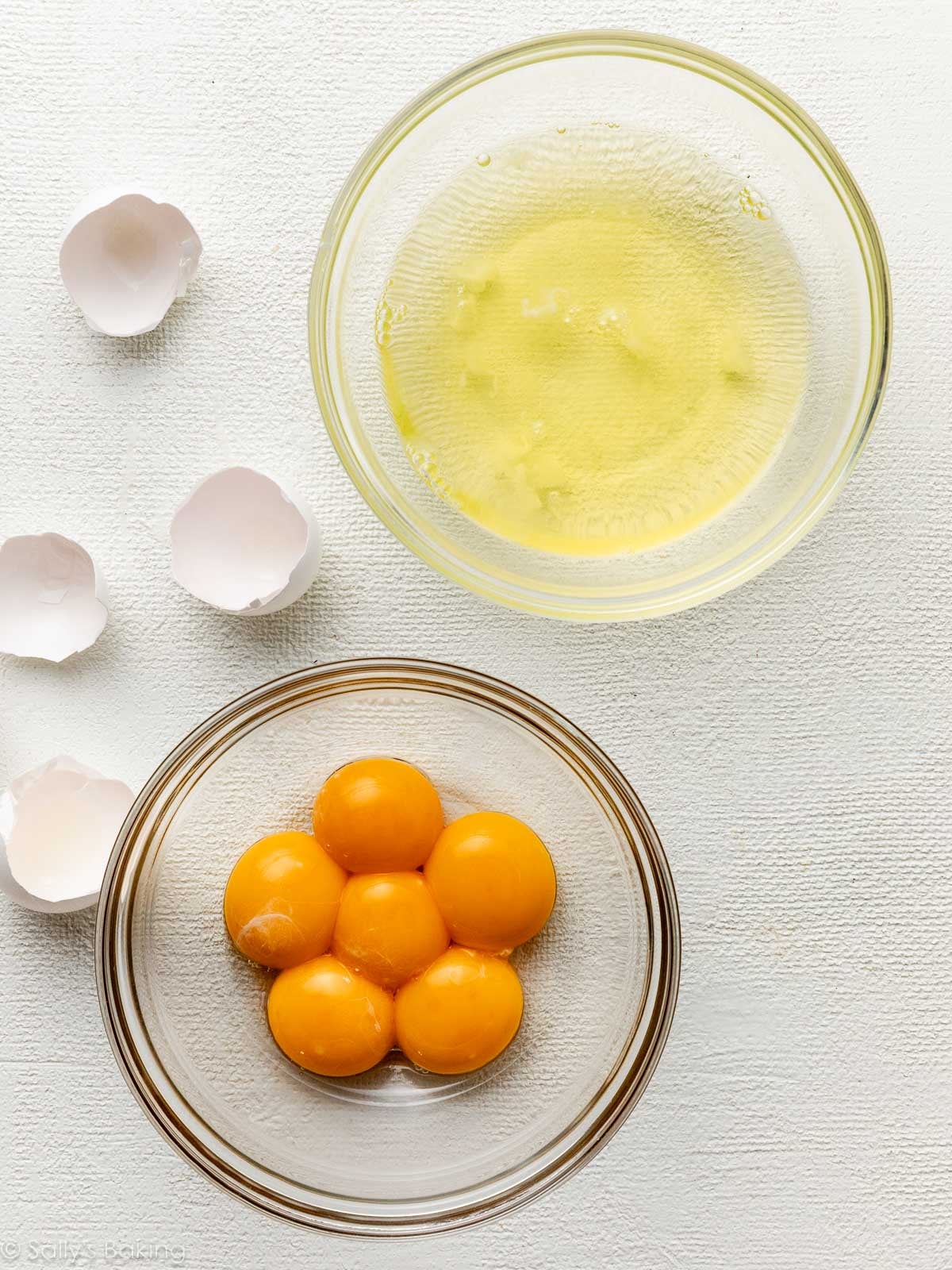
Crafting a classic chiffon cake demands precision and adherence to specific techniques, each contributing to its characteristic texture. The process is a choreography of careful separation, gentle mixing, and strategic handling.
- Egg Separation: The foundational step involves meticulously separating egg whites from yolks. Even a trace amount of yolk fat can inhibit the egg whites from whipping to their full potential, a critical factor for the cake’s lift.
- Dry Ingredients Sifting: Half of the granulated sugar is sifted together with the cake flour, baking powder, and salt. Sifting is not merely about removing lumps; it aerates the dry ingredients, ensuring they are evenly dispersed and preventing dense pockets in the finished cake. A fine-mesh sieve is indispensable for this step.
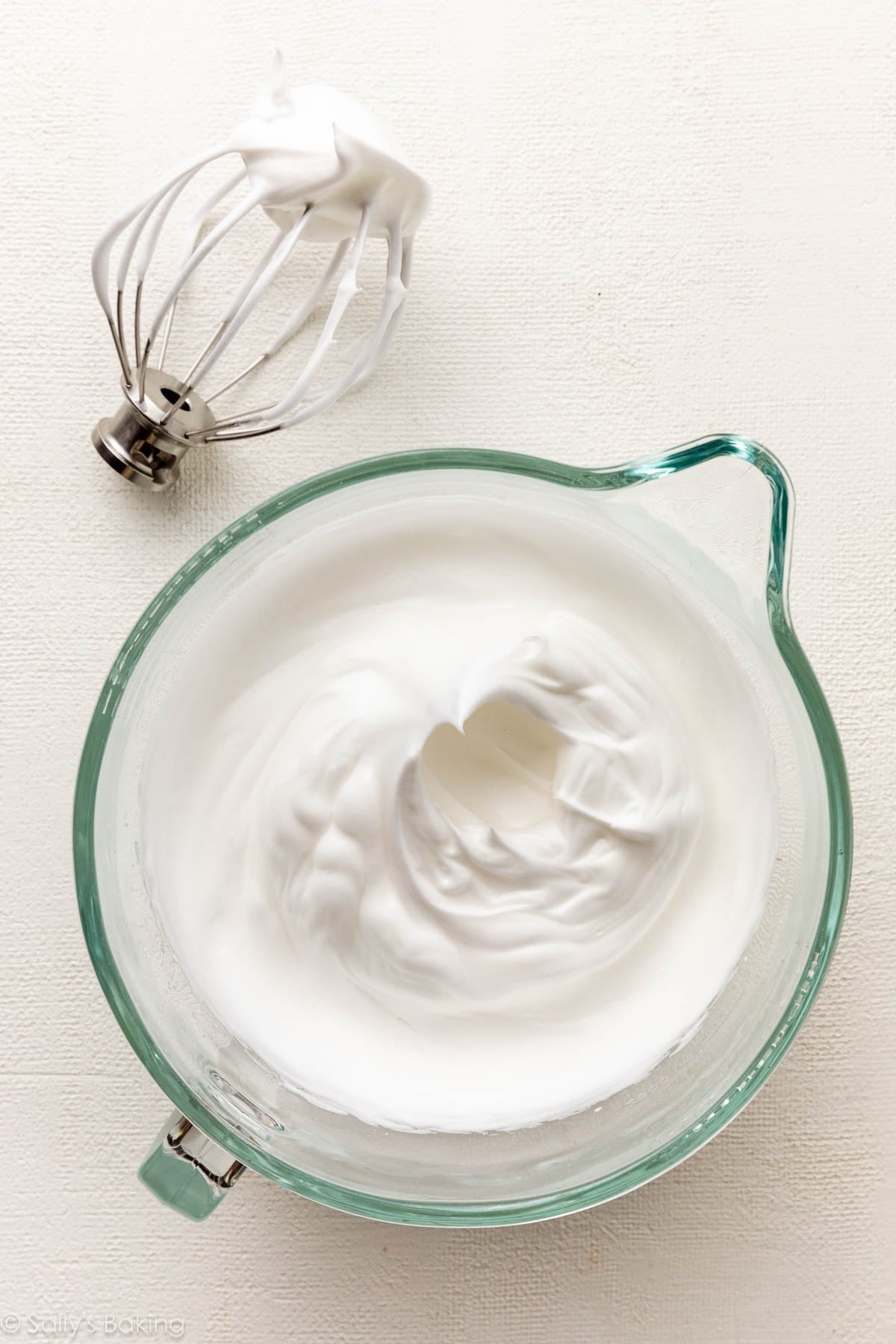
- Meringue Formation: This is arguably the most critical stage. Egg whites are whipped with cream of tartar until foamy. The cream of tartar, an acid, lowers the pH of the egg whites, strengthening the protein bonds and allowing them to trap more air more effectively. The remaining sugar is then gradually incorporated while the mixer continues to run, leading to the formation of stiff, glossy peaks. This robust meringue is the primary engine for the cake’s impressive volume and airy texture. Over-whipping can lead to a dry, brittle meringue, while under-whipping results in a weak structure that cannot support the cake.
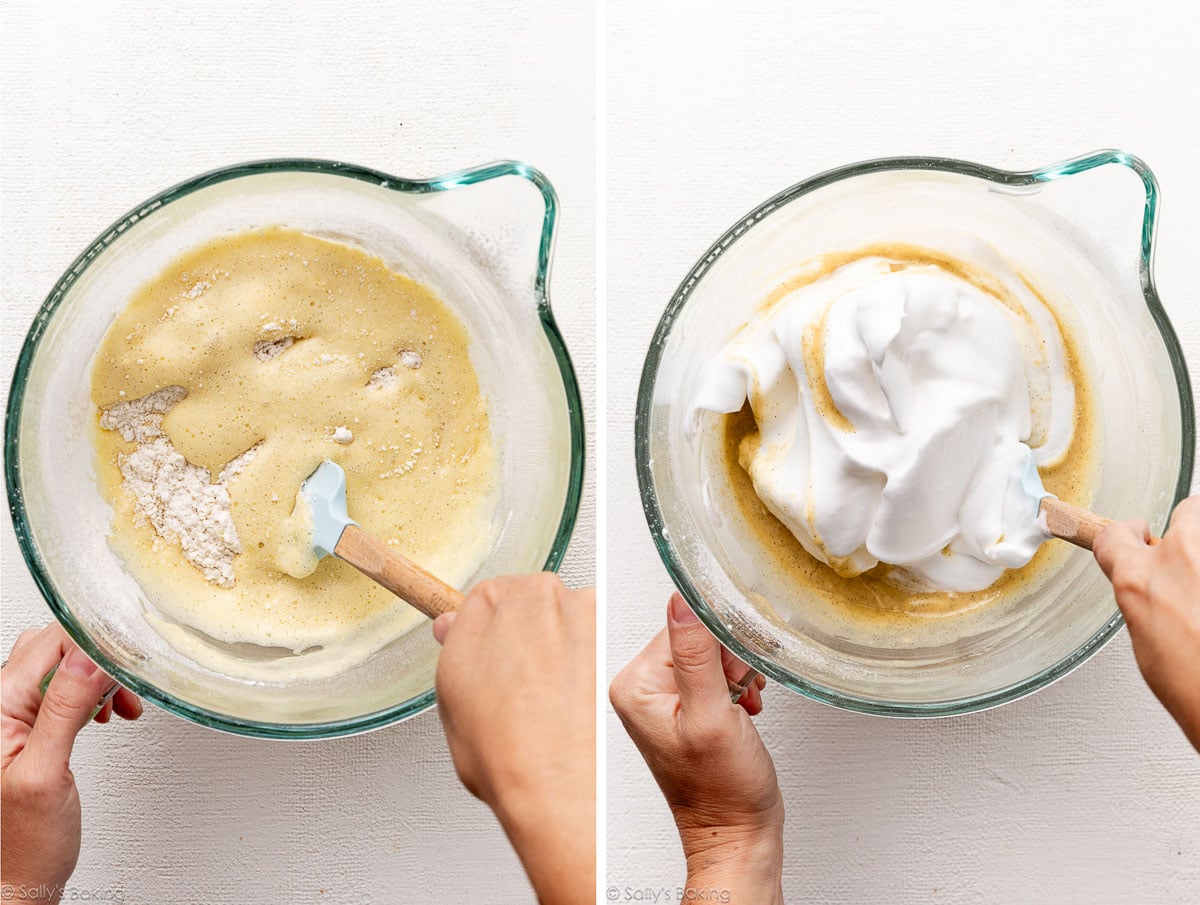
- Yolk Batter Integration: While the meringue is set aside, the egg yolks are combined with the oil, milk, and vanilla extract. The previously sifted dry ingredients are then whisked into this yolk mixture until just combined, ensuring not to overmix, which could develop gluten excessively and toughen the cake.
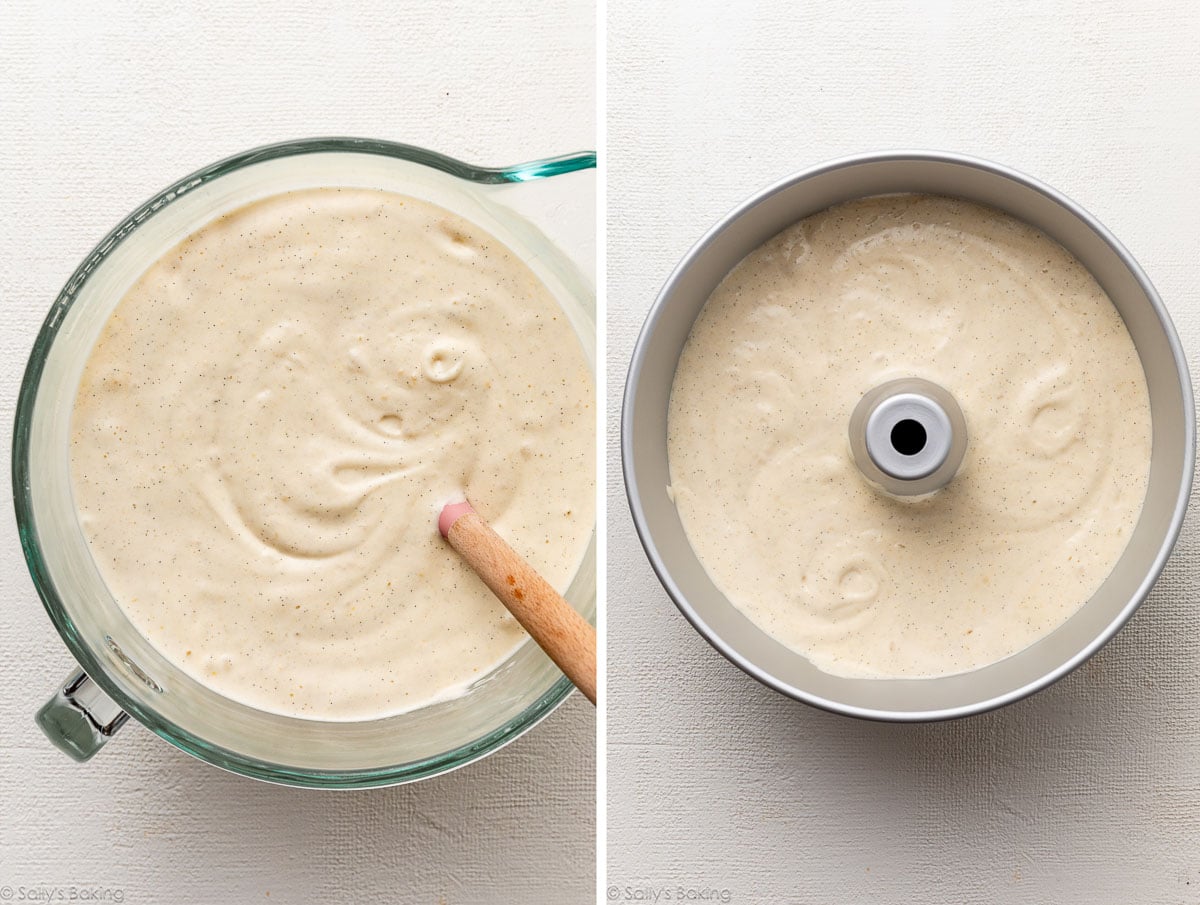
- Gentle Folding: The final assembly involves carefully folding the prepared meringue into the yolk batter. This step requires a delicate touch to preserve the air incorporated into the egg whites. Beginning by folding in half of the meringue helps to lighten the denser yolk batter, making the subsequent incorporation of the remaining meringue easier and less likely to deflate the fragile air cells. Streaks of white are acceptable initially, but overmixing must be avoided to prevent the loss of volume.
The Ungreased Tube Pan: A Crucial Design for Ascent
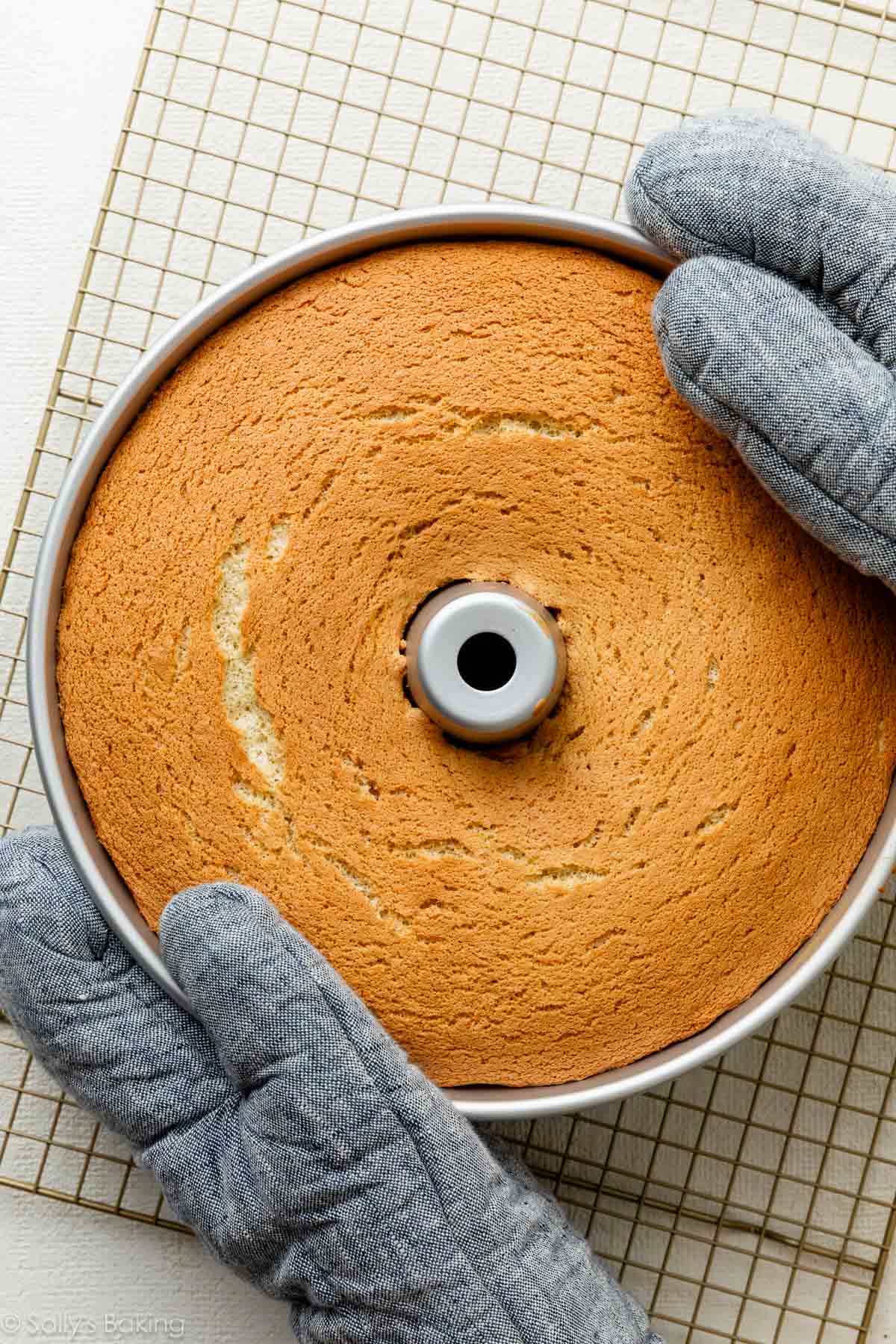
A distinctive requirement for baking chiffon cake is the use of an ungreased tube pan, often referred to as an angel food cake pan. This pan typically features a removable bottom and a central tube. The instruction to not grease the pan often surprises novice bakers, but it is fundamentally critical to the cake’s success. The batter requires a surface to cling to as it rises during baking. If the pan’s sides are greased, the batter lacks the necessary grip and may slide downwards, preventing the cake from achieving its characteristic impressive height and fluffy texture. The ungreased sides provide the structural support needed for the delicate batter to climb.
Furthermore, the central tube of the pan plays a vital role in ensuring even heat distribution. Chiffon cake batters are voluminous, and without the central conduit, the outer edges of the cake would bake and dry out long before the thick center could cook through. The tube allows heat to penetrate the batter from both the perimeter and the core, facilitating uniform baking and preventing a dense, undercooked interior.
The Upside-Down Cool: Preventing Collapse
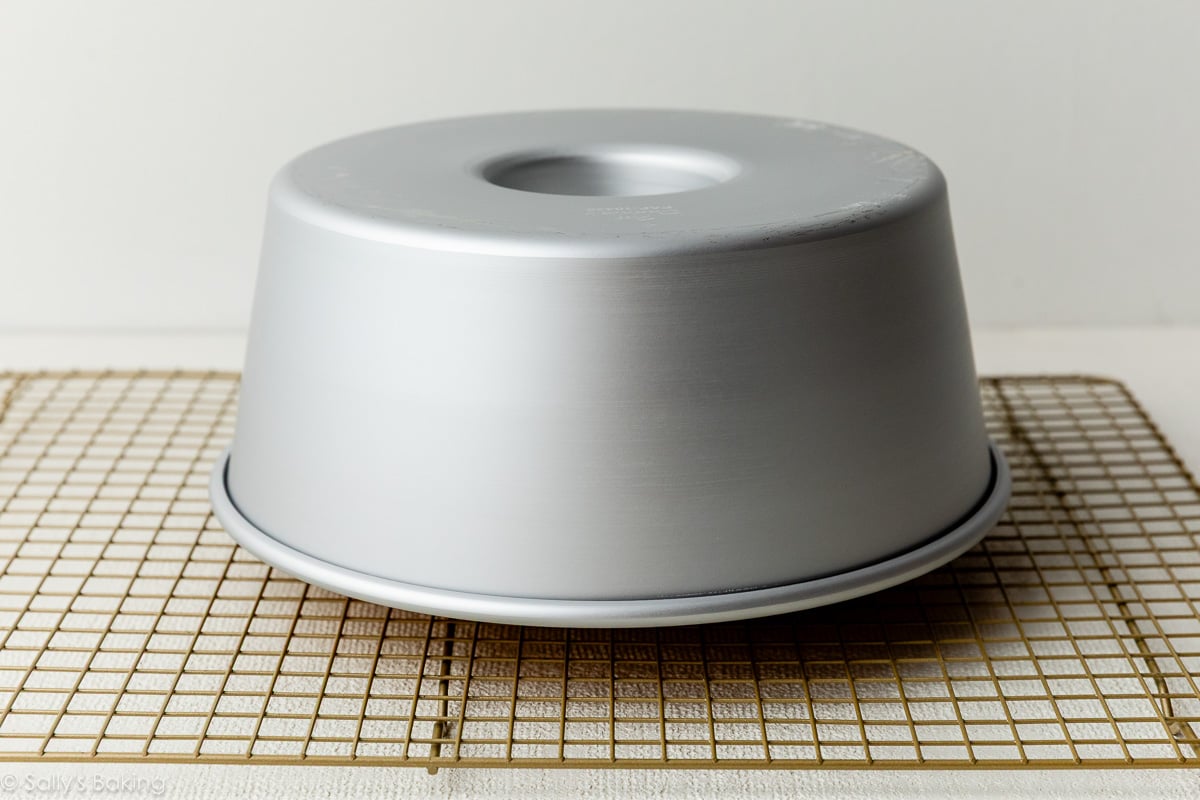
Upon removal from the oven, a chiffon cake requires immediate inversion. The tube pan is typically designed with small "feet" that allow it to be inverted and rest above a counter surface, or it can be inverted over the neck of a bottle. This seemingly peculiar step is, in fact, a non-negotiable technique for preventing the delicate, still-warm structure from collapsing under its own weight as it cools. The air-filled network within the cake is fragile when hot, and gravity would inevitably cause it to compress. Cooling the cake upside down allows the structure to set completely and firm up in its lofty state, preserving its full height and airy texture. Premature removal or failure to invert will almost certainly result in a significantly shorter, denser cake.
Versatility and Presentation: Beyond the Basic Slice
While a classic chiffon cake is inherently delightful on its own, perhaps with a simple dusting of confectioners’ sugar, its versatility extends far beyond this minimalist presentation. It shines when paired with fresh accompaniments such as a medley of seasonal berries and a generous serving of freshly whipped cream. For those desiring a more stable and robust topping, a cream cheese whipped cream offers a slightly tangier, firmer alternative that holds its shape better than traditional whipped cream, making it ideal for piping or layering.
The inherent stability of chiffon cake, despite its ethereal lightness, also makes it an excellent foundation for elaborate layered celebration cakes. The cooled cake can be baked in multiple round pans or meticulously sliced horizontally if baked in a tube pan, creating perfect tiers for fillings and frostings. This adaptability allows for endless creative possibilities, from fruit curds and mousses to various buttercreams and ganaches, ensuring the chiffon cake can be customized to suit any occasion or flavor preference. However, it is crucial to note that a Bundt pan is unsuitable for chiffon cake due to its intricate designs and the non-stick surfaces, which would prevent the batter from clinging and rising correctly, making removal in one piece exceptionally challenging. A straight-sided tube pan or standard round cake pans are the appropriate choices.
Mastering the Art: Essential Success Tips
Achieving a perfect chiffon cake consistently boils down to understanding and diligently applying several key principles:
- Accurate Ingredient Measurement: Baking is a science; precise measurements are paramount. Use a kitchen scale for flour and sugar for best results.
- Room Temperature Ingredients: Eggs separate more easily when cold, but egg whites whip to greater volume when at room temperature. Allow separated whites to warm up before whipping.
- Clean Equipment: Any grease or oil residue on mixing bowls or beaters will prevent egg whites from whipping properly. Ensure all equipment is meticulously clean and dry.
- Proper Egg White Whipping: The meringue should be stiff and glossy, but not dry or curdled. It should hold firm peaks when the whisk is lifted.
- Gentle Folding: The primary goal is to incorporate the meringue into the yolk batter without deflating the air. Use a wide, flexible spatula and a gentle "cut and fold" motion.
- Unaltered Pan: Do not grease or flour the tube pan. The batter needs to adhere to the sides to climb.
- Correct Baking Temperature and Time: An oven thermometer is advisable to ensure accuracy. Over-baking can dry the cake, while under-baking leads to collapse.
- Immediate Inversion: Cooling the cake upside down is non-negotiable for preserving its height and airy structure.
In conclusion, the chiffon cake is more than just a dessert; it is a culinary marvel that beautifully illustrates the science of baking. Its unique blend of ingredients and precise techniques results in a cake that is simultaneously light and rich, delicate and satisfying. From its clandestine origins to its widespread recognition, the chiffon cake has carved out a significant niche in the world of baking. By mastering the core principles—attentive egg white preparation, gentle folding, and the critical upside-down cooling—bakers can consistently produce a dependable classic that garners admiration and often elicits a surprised "You made this?!" from delighted recipients. Its enduring appeal lies not only in its exquisite taste and texture but also in the rewarding challenge and ultimate triumph of its creation.
