

Foil packet cooking, a culinary technique revered for its simplicity and effectiveness, has cemented its status as an indispensable method for preparing meals, particularly during the warmer months. This versatile approach, which involves encasing ingredients in aluminum foil before cooking, delivers consistently moist and flavorful dishes while drastically simplifying the post-meal cleanup. Whether prepared over a crackling campfire, on a sizzling grill, or within the controlled environment of a home oven, foil packets offer a practical solution for diverse dining scenarios, from outdoor adventures to busy weeknight dinners.

Historical Roots and Culinary Evolution

The concept of cooking food in individual parcels, often referred to colloquially as "hobo dinners," traces its origins to early 20th-century American camping and wilderness cooking. Originally a pragmatic method for transient workers and outdoor enthusiasts to prepare simple, hearty meals with minimal equipment, these early foil packets typically contained basic staples like ground meat, potatoes, and onions, cooked directly in campfire embers. The robust nature of aluminum foil, introduced for household use in the mid-20th century, revolutionized this method, offering a clean, heat-retaining, and easily disposable wrapper.

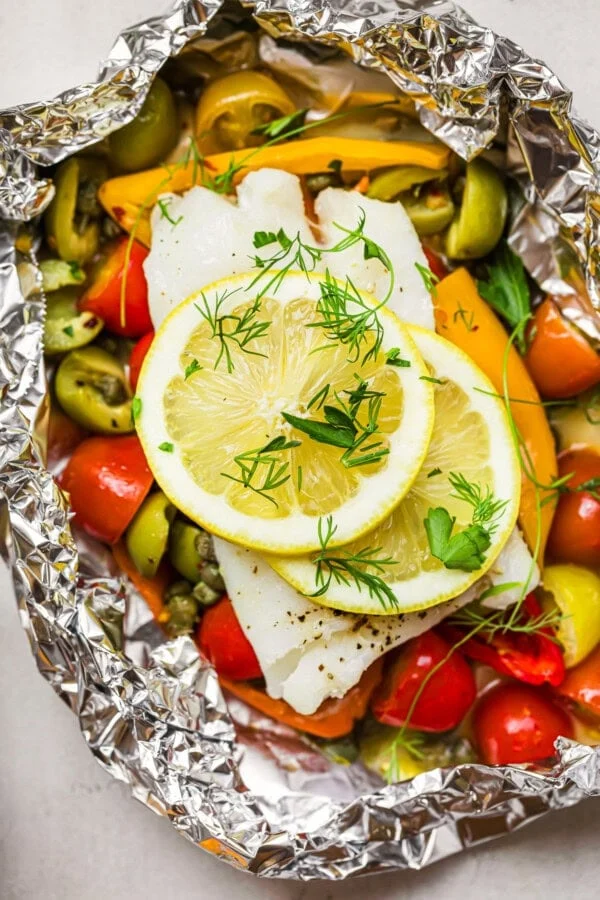
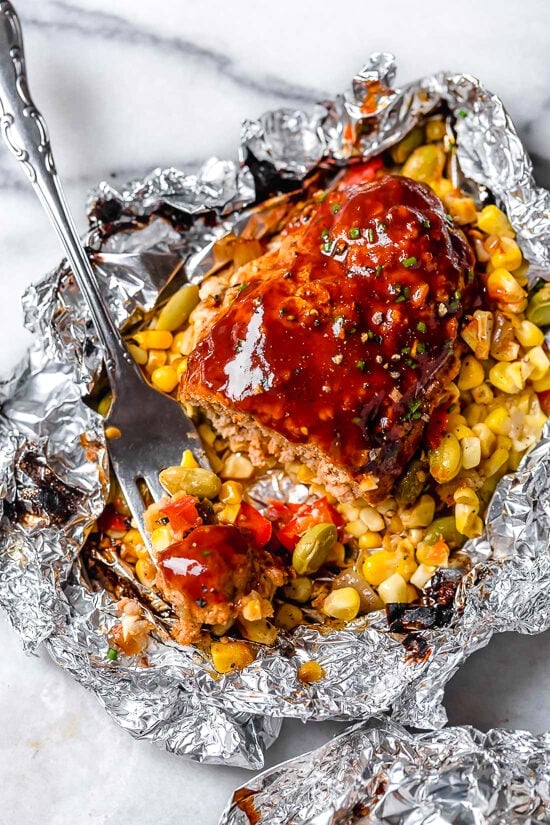
Over decades, the technique evolved from its rustic beginnings into a sophisticated culinary art form. What was once a basic survival meal has transformed into a canvas for diverse flavors and gourmet ingredients. Contemporary foil packet recipes now span a vast culinary spectrum, encompassing everything from comforting classics like BBQ chicken with corn and potatoes to more exotic preparations such as Mediterranean fish with olives and capers, or spice-rubbed shrimp served with vibrant fruit salsas. This evolution reflects a broader trend in home cooking towards methods that prioritize both convenience and quality, appealing to modern lifestyles that demand efficiency without compromising taste.

The Science of Enclosed Cooking: Why Foil Packets Excel
The success of foil packet cooking lies in its unique thermodynamic properties. When food is sealed within aluminum foil, it creates a self-contained environment where moisture and heat are trapped. This effectively turns the packet into a miniature steam oven, allowing ingredients to cook gently and evenly in their own juices.
- Moisture Retention: Unlike open-air grilling or pan-frying, which can lead to dry, tough results, the sealed foil packet prevents evaporation. This ensures that meats remain tender and succulent, and vegetables retain their crisp-tender texture and natural flavors. A study published in the Journal of Culinary Science highlighted that cooking methods employing steam and enclosed environments, like foil packets, can significantly reduce moisture loss in proteins by up to 30% compared to direct dry-heat methods.
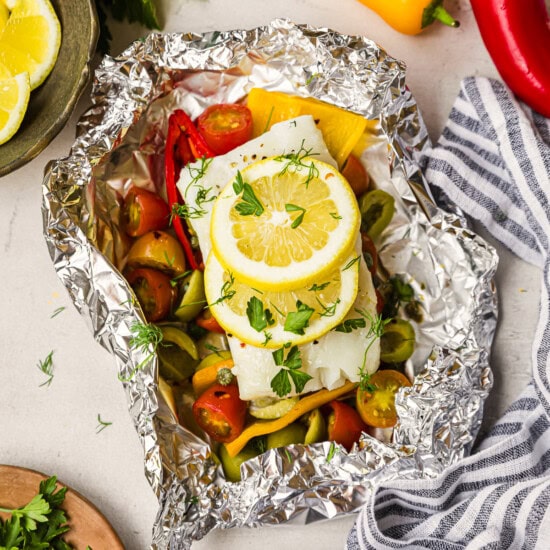
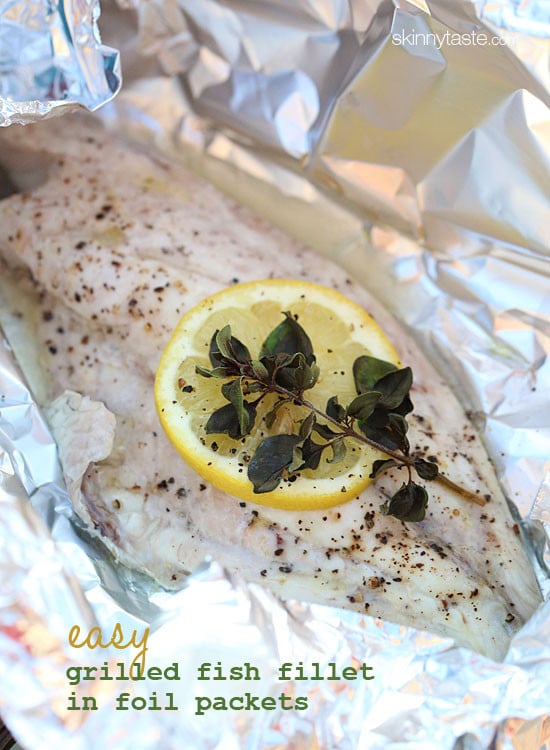
- Flavor Infusion: The enclosed space also acts as a flavor incubator. Herbs, spices, marinades, and aromatic vegetables release their essences, which then circulate and permeate all the ingredients within the packet. This results in a deeply integrated flavor profile that is often more intense and harmonious than dishes prepared using other methods. For instance, a dash of lemon and a sprig of thyme can infuse an entire fish fillet and accompanying vegetables with bright, herbaceous notes.
- Nutrient Preservation: The gentle steaming action within the foil packet can also contribute to better nutrient retention. Many water-soluble vitamins (like Vitamin C and B vitamins) and minerals can be leached out or destroyed by excessive heat or contact with large volumes of cooking water. By minimizing water loss and cooking in a sealed environment, foil packets help preserve these delicate nutrients, contributing to a healthier meal.
- Even Cooking: The uniform distribution of heat within the packet ensures that all ingredients cook at a similar rate, provided they are cut to appropriate sizes. This prevents the common issue of some components being overcooked while others remain undercooked.
Unparalleled Versatility Across Cooking Platforms
One of the most compelling attributes of foil packet cooking is its adaptability to various heat sources, making it a year-round solution for meal preparation.
- Grilling: Foil packets are a natural fit for the grill, protecting delicate ingredients from direct flame while still absorbing smoky flavors. This method is particularly popular during summer barbecues, offering a hands-off approach to cooking side dishes or entire meals alongside traditional grilled meats. According to a 2023 survey by the Outdoor Living Association, approximately 60% of grill owners reported using foil packets at least once a month during peak grilling season, citing convenience and cleanup as primary motivators.
- Campfires: For outdoor enthusiasts, foil packets are a cornerstone of campfire cuisine. They eliminate the need for heavy pots and pans, reduce the amount of gear required, and provide a sanitary way to cook directly in embers or over grates. The rustic charm of campfire cooking combined with the modern convenience of foil packets creates an enjoyable and efficient outdoor dining experience. Data from the National Parks Service indicates a steady increase in campground visitors experimenting with diverse cooking methods, with foil packet recipes showing a 15% year-over-year increase in mentions on camping forums.
- Oven Baking: When outdoor cooking isn’t an option due to weather or lack of facilities, foil packets transition seamlessly to the conventional oven. This makes them an excellent choice for easy weeknight meals, as they require minimal attention and keep the oven clean. Baking foil packets often results in a slightly gentler cook than grilling, producing incredibly tender results.
Economic and Lifestyle Implications
Beyond culinary benefits, foil packet cooking offers significant advantages in terms of household economics and lifestyle management.
- Effortless Cleanup: Perhaps the most celebrated benefit is the near-elimination of post-dinner cleanup. Since food is cooked and often served directly from the foil, there are fewer dishes to wash. This factor alone can save significant time and effort, making it a favorite among busy families and individuals. A recent consumer report indicated that methods reducing cleanup time by 50% or more are highly valued, with foil packet cooking consistently ranking high.
- Portion Control and Meal Planning: Foil packets facilitate easy portion control, as each packet can be individually assembled for a single serving. This makes them ideal for managing dietary needs, preventing overeating, and simplifying meal prep for multiple family members with varying preferences. They are also excellent for make-ahead meals; packets can be assembled in advance and stored in the refrigerator until ready to cook.
- Cost-Effectiveness: Utilizing seasonal vegetables and more affordable cuts of meat or fish, combined with the minimal energy expenditure (especially on a grill or campfire), makes foil packet meals an economical choice. The ability to cook an entire meal in one packet can also reduce food waste by allowing precise ingredient measurements.
- Accessibility and Inclusivity: The simplicity of the method makes it accessible to cooks of all skill levels, from beginners to seasoned chefs. This low barrier to entry encourages culinary experimentation and fosters a sense of accomplishment, whether preparing a basic sausage and pepper packet or a sophisticated seafood medley.
Broadening Culinary Horizons: From Simple to Sophisticated
The versatility of foil packets extends to the vast array of ingredients and flavor profiles that can be successfully incorporated. Modern recipes have moved far beyond the traditional "meat and potatoes" to embrace global cuisines and diverse dietary needs.
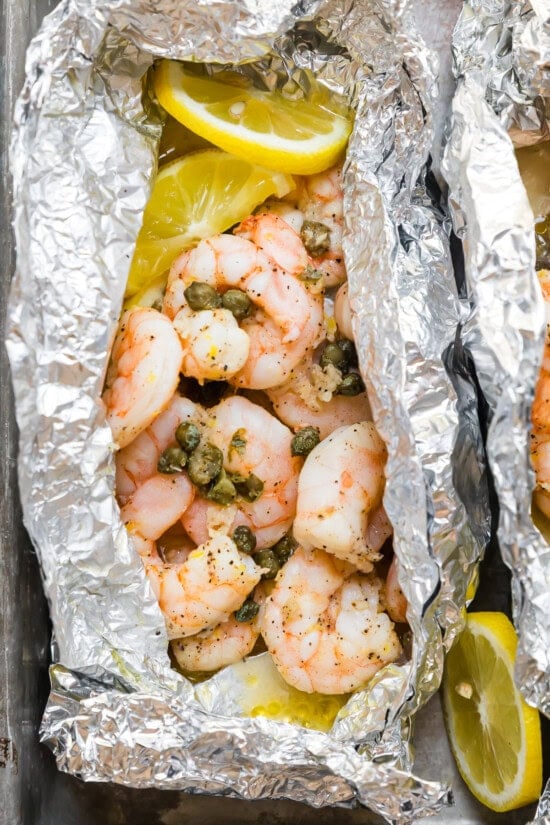
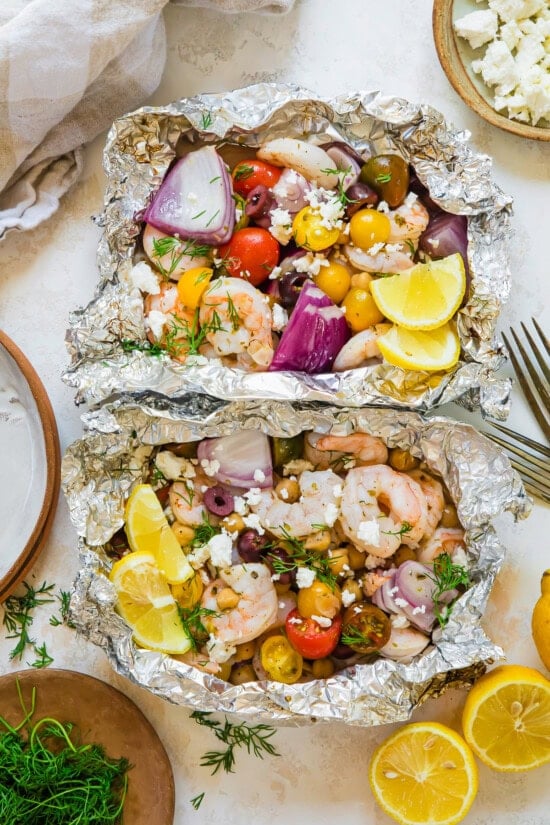
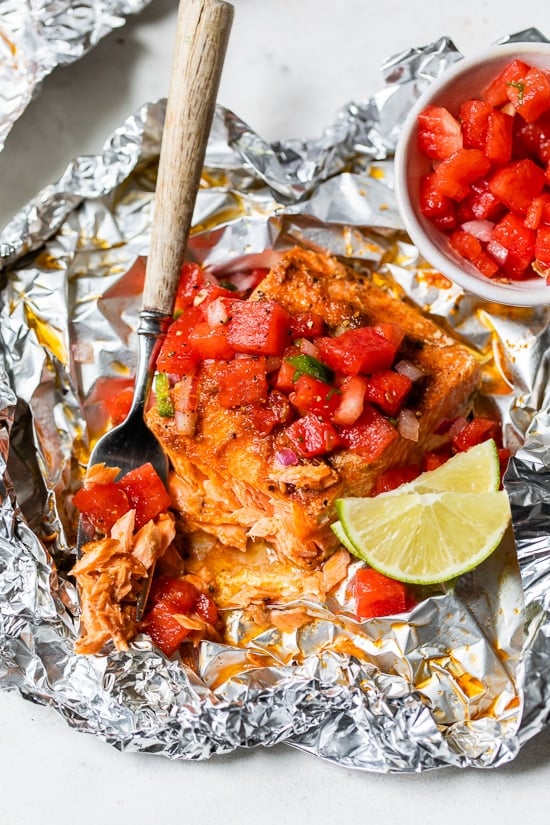
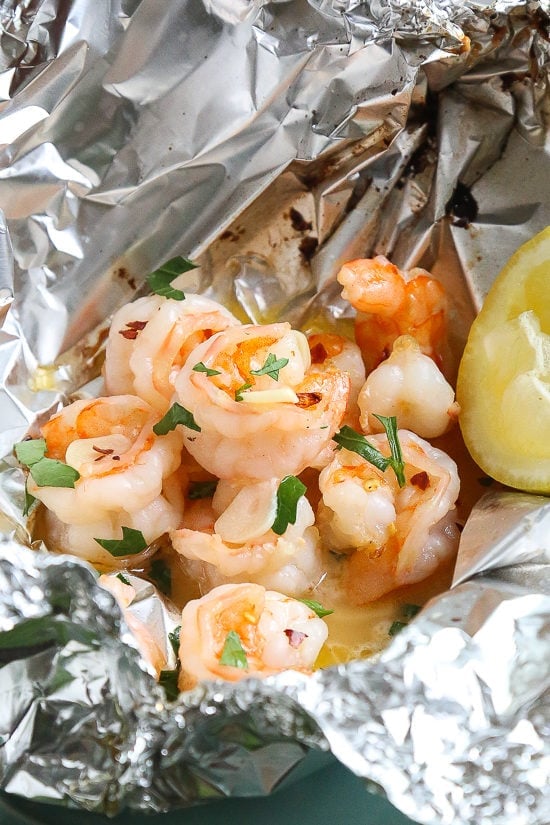
- Seafood Delights: Delicate fish fillets (like cod, salmon, or tilapia) thrive in foil packets, emerging flaky and moist. Mediterranean-inspired fish packets with lemon, olives, cherry tomatoes, and herbs, or Cajun shrimp with bell peppers and onions, exemplify the method’s ability to handle seafood with grace.
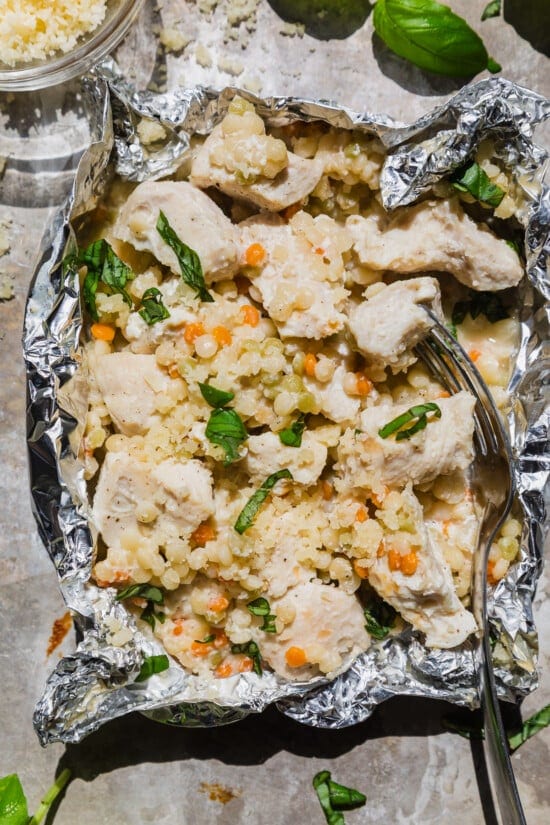
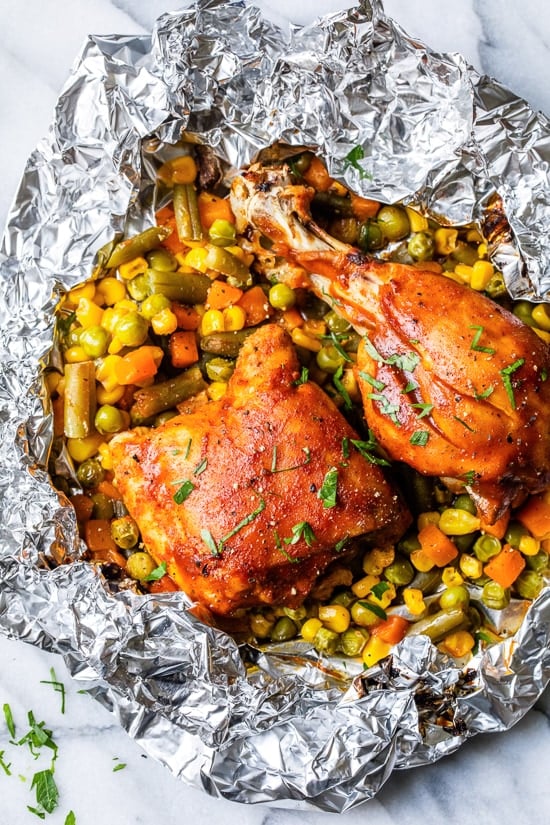
- Chicken and Poultry: Chicken breasts or thighs benefit immensely from the steaming environment, staying juicy and absorbing marinades beautifully. BBQ chicken packets, garlic parmesan chicken with couscous, or even chicken fajita packets offer complete meals in one go.
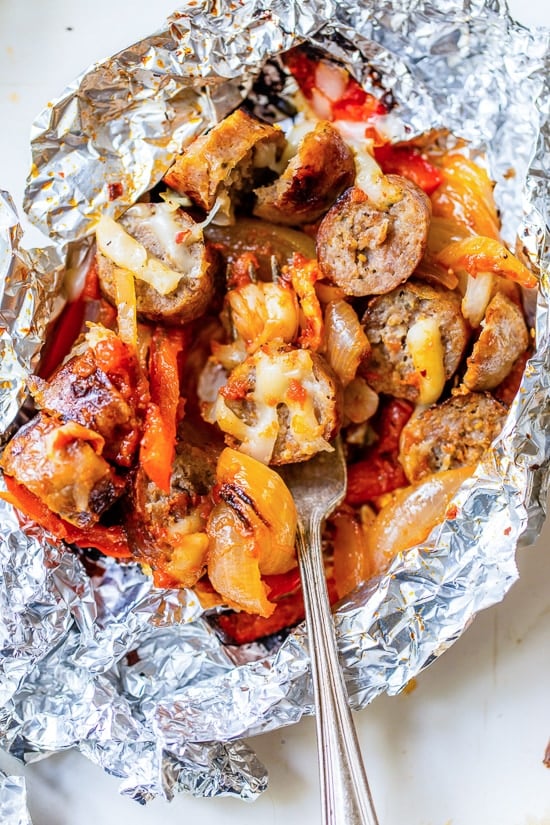
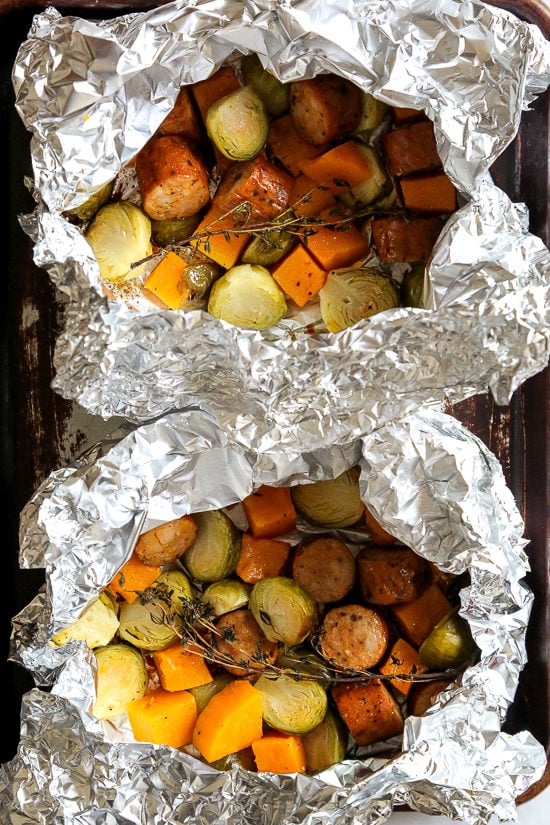
- Sausage and Vegetables: Hearty options like cheesy sausage and peppers, or spicy sausage with Brussels sprouts and butternut squash, showcase how robust ingredients can be cooked to perfection, creating satisfying, flavorful dishes.
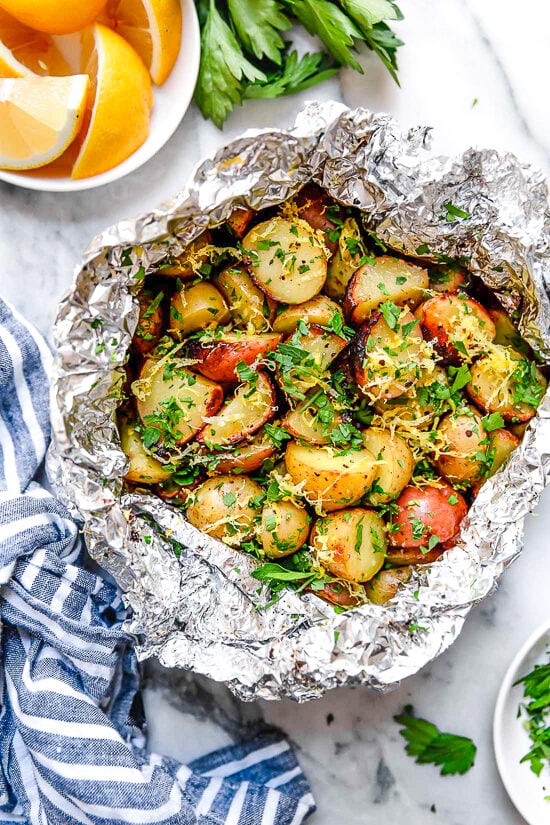
- Vegetarian and Vegan Options: Foil packets are equally adept at preparing vibrant vegetarian and vegan meals. Combinations of root vegetables, legumes, tofu, or plant-based sausages, seasoned with global spices, can create rich and healthful dishes. Think chickpea and vegetable curries, or lemon-herb potato and asparagus packets.
- Desserts: Even desserts can be made in foil packets, with baked apples or peaches with cinnamon and oats being popular choices for campfire treats.
Addressing Environmental Considerations
While aluminum foil offers unparalleled convenience, its environmental impact is a point of discussion. Aluminum is 100% recyclable and can be recycled repeatedly without degradation. However, the energy required for initial production is significant. Consumers are increasingly encouraged to rinse and recycle used foil packets where facilities allow, mitigating their environmental footprint. Innovations in sustainable packaging alternatives and the promotion of responsible recycling practices are ongoing efforts within the industry to address these concerns. Industry leaders in aluminum manufacturing have committed to reducing carbon emissions in production by 20% by 2030, alongside initiatives to increase consumer recycling rates.
Expert Perspectives and Future Outlook
Culinary experts and food scientists largely agree on the merits of foil packet cooking. Dr. Eleanor Vance, a food science researcher, notes, "The foil packet method is a masterclass in controlled cooking. It minimizes moisture loss, concentrates flavors, and offers a sterile cooking environment, which is particularly beneficial in outdoor settings." Similarly, leading culinary personalities frequently advocate for its use due to its simplicity and consistent results.

The future of foil packet cooking appears robust. As consumer demand for convenient, healthy, and flavorful meal solutions continues to grow, and as outdoor activities like camping and glamping maintain their popularity, the foil packet method is poised for continued relevance. Ongoing culinary innovation will likely introduce even more diverse ingredient combinations, sophisticated flavor profiles, and potentially even biodegradable or compostable single-use cooking wraps, further enhancing its appeal and sustainability.
In conclusion, foil packet cooking transcends its humble origins to stand as a testament to culinary ingenuity. Its enduring appeal lies in its powerful combination of flavor preservation, moisture retention, and unparalleled convenience, making it a cornerstone of summer cooking and a versatile asset in any kitchen, year-round.
