

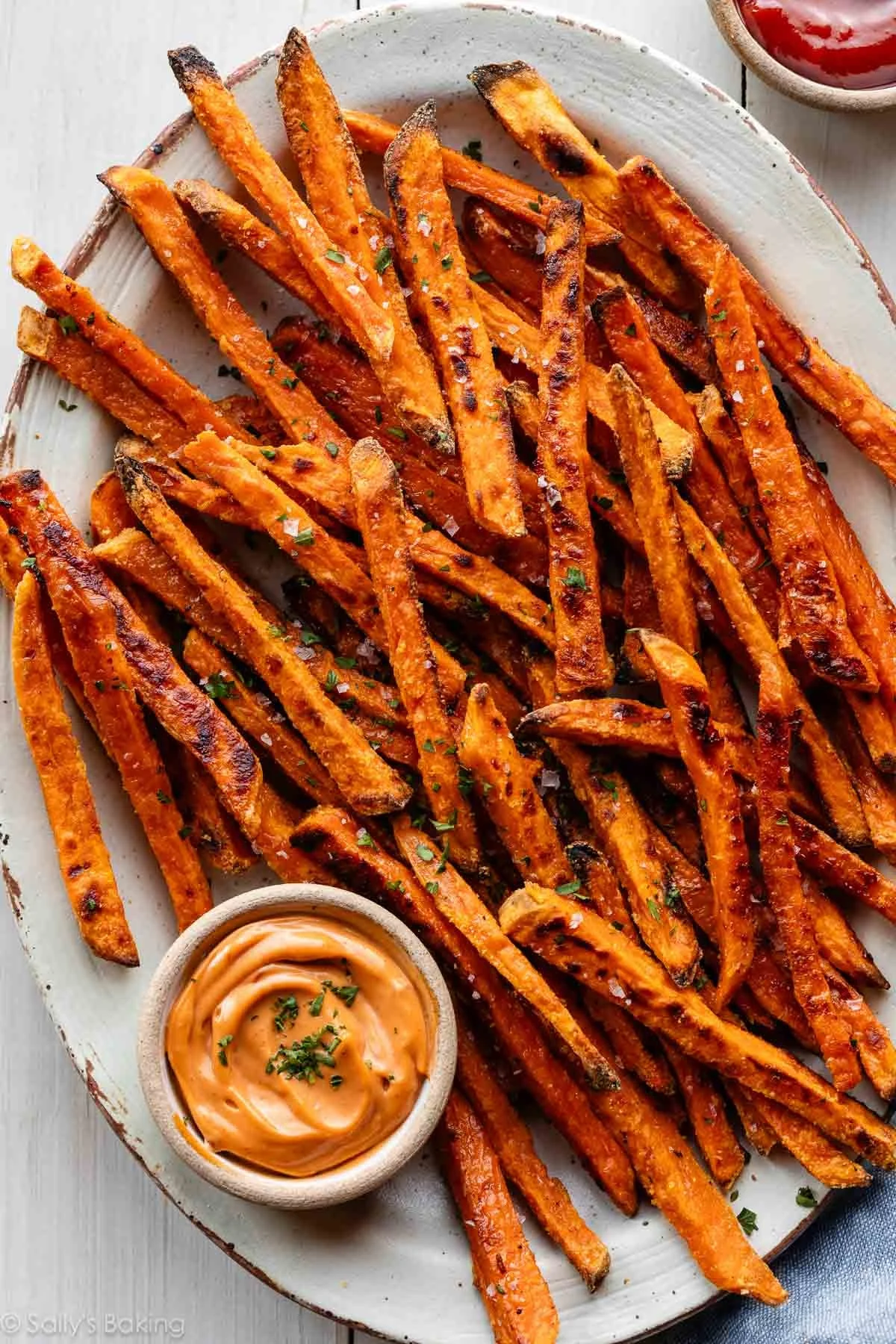
A detailed analysis reveals the culinary science and practical techniques behind consistently crispy baked sweet potato fries, a dish that has evolved from a simple side to a staple in health-conscious kitchens worldwide. This particular methodology, first documented in 2013 and subsequently refined, addresses the inherent challenges of crisping sweet potatoes without resorting to deep-frying, offering a versatile and scalable solution for home cooks and culinary professionals alike. The recipe’s enduring popularity and continuous updates, including the integration of modern kitchen appliances like the air fryer, underscore a broader trend towards healthier, yet equally satisfying, food preparation methods.
The Culinary Conundrum: Why Sweet Potatoes Pose a Crisping Challenge
Sweet potatoes, scientifically known as Ipomoea batatas, are renowned for their vibrant color, inherent sweetness, and rich nutritional profile. However, these very characteristics present a unique challenge when attempting to achieve a crispy texture comparable to traditional potato fries. Unlike their starchy counterparts, sweet potatoes contain a higher moisture content and a greater concentration of natural sugars. When subjected to heat, this excess moisture can lead to steaming rather than roasting, resulting in a soft, often soggy exterior. Furthermore, the higher sugar content can cause quicker caramelization and potential burning before the interior is fully cooked or the exterior achieves desired crispness, demanding precise temperature control and specific preparatory steps.
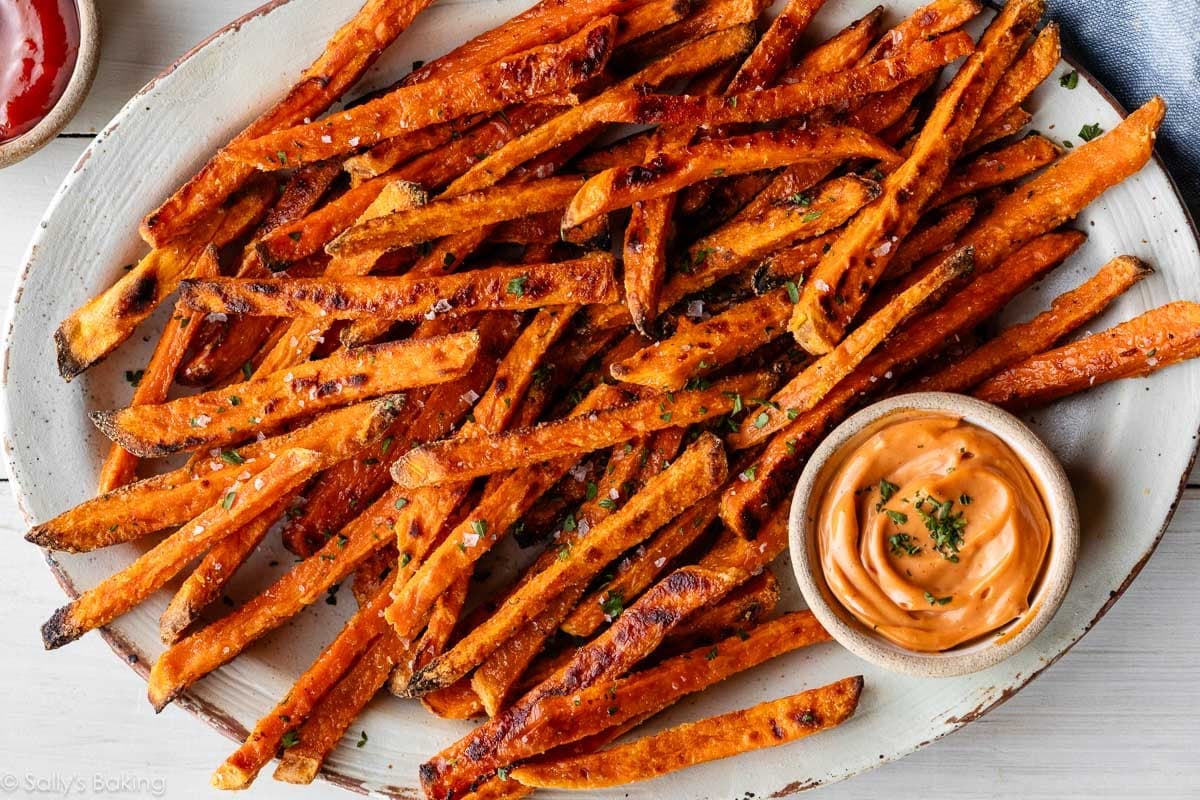
Culinary experts often highlight that the cellular structure of sweet potatoes, with its robust cell walls and starch composition, reacts differently to heat compared to white potatoes. While white potatoes rely on starch gelatinization and subsequent dehydration for crisping, sweet potatoes require a more nuanced approach to manage their moisture and sugar levels effectively. This understanding forms the bedrock of successful sweet potato fry preparation, moving beyond conventional frying wisdom.
A Decade of Refinement: The Recipe’s Evolution and Adaptation
The foundational recipe for achieving crispy baked sweet potato fries was initially published in September 2013. Its longevity in the culinary landscape is a testament to its effectiveness and adaptability. Over the past decade, the recipe has undergone significant updates, reflecting advancements in kitchen technology and a deeper understanding of food science. These revisions have included new photographic documentation to illustrate key steps, expanded success tips addressing common pitfalls, and crucially, the addition of comprehensive instructions for air fryer preparation. This chronological evolution from traditional oven baking to incorporating air frying showcases the recipe’s responsiveness to consumer demand for faster, more efficient, and often healthier cooking methods.
The continuous refinement of such recipes is indicative of a broader trend in food blogging and recipe development, where creators actively engage with their audience’s feedback and leverage new technologies to improve culinary outcomes. This iterative process ensures that tried-and-true methods remain relevant and accessible, empowering home cooks to consistently produce high-quality dishes.
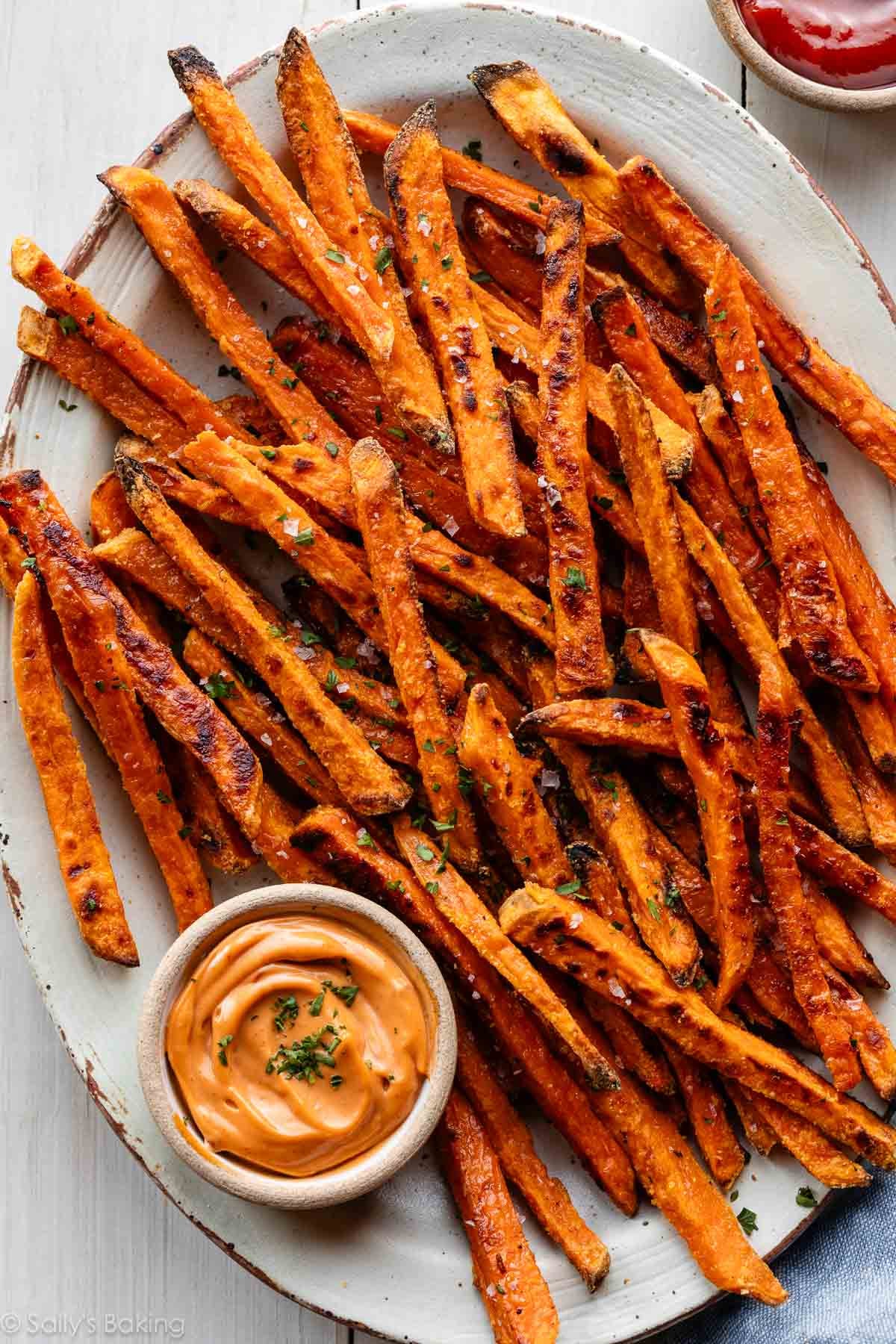
The Science of Crispness: Key Techniques Unveiled
Achieving the coveted crisp exterior and tender interior in sweet potato fries hinges on a few fundamental, scientifically-backed techniques that counteract their inherent moisture and sugar.
-
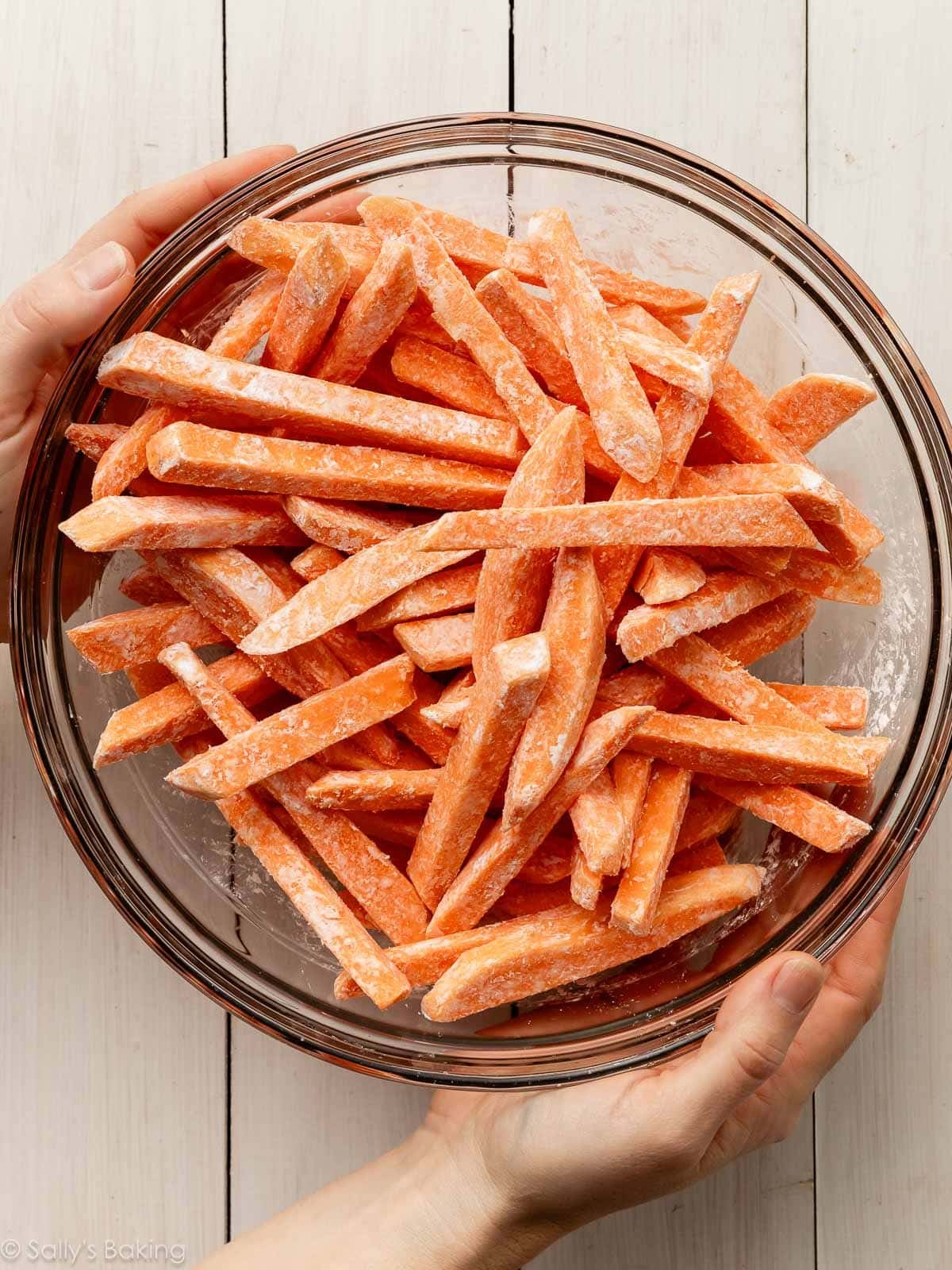
Moisture Management with Cornstarch: The application of a light cornstarch coating is a critical innovation. Cornstarch, a complex carbohydrate derived from corn, acts as a desiccant, absorbing surface moisture from the sweet potato sticks. Upon heating, this starch layer undergoes gelatinization and subsequent dehydration, forming a thin, crisp shell that encases the fry. This barrier not only promotes crispness but also helps to prevent the sugars from burning too quickly, contributing to an even golden-brown finish. The optimal method involves tossing the pre-cut fries with cornstarch before adding oil and seasonings, ensuring an even, thin layer without clumping, which would otherwise result in an unpleasant powdery taste.
-
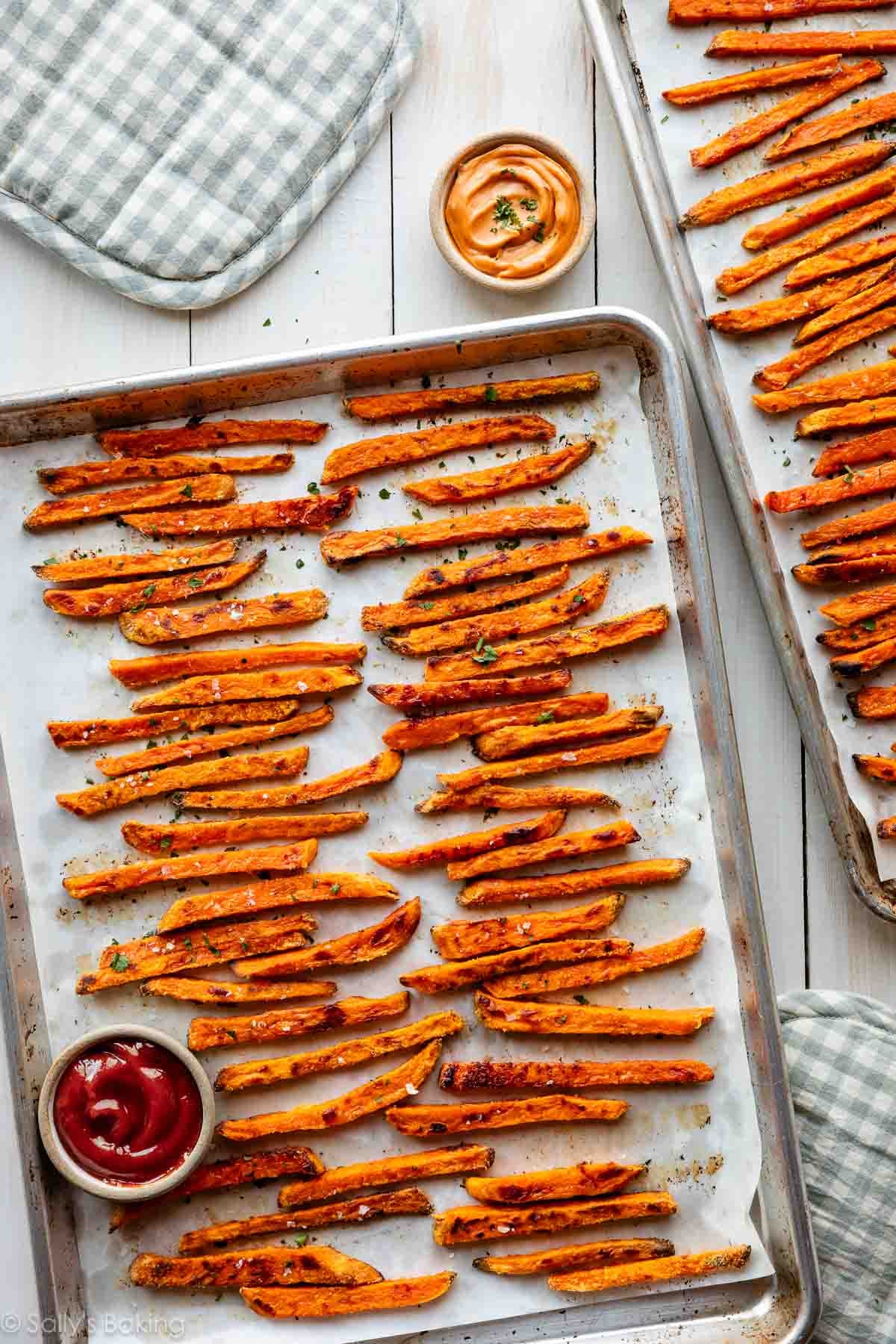
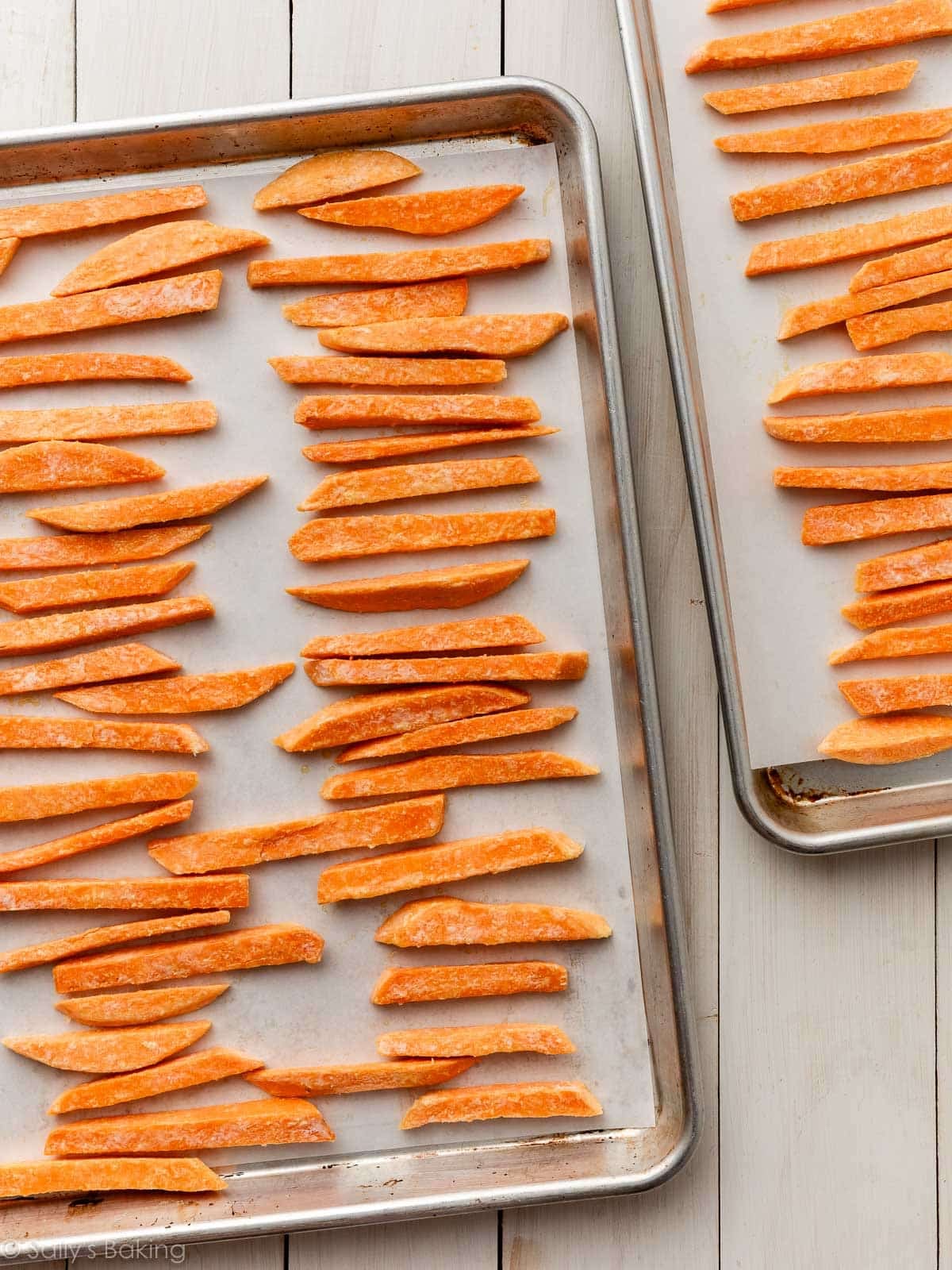
Optimal Heat Transfer and Spacing: High heat is paramount for effective roasting. Baking at temperatures typically around 400-425°F (200-220°C) promotes rapid surface dehydration and caramelization, crucial for crispness. Equally important is ensuring ample space between individual fries on the baking sheet. Overcrowding a pan traps steam, effectively turning the baking process into a steaming one, which directly counteracts the goal of crisping. Utilizing two baking sheets or baking in batches allows for proper air circulation, ensuring each fry is exposed to direct heat and can roast evenly. Culinary academics often cite the Maillard reaction and caramelization as key processes occurring at these high temperatures, contributing to both flavor and texture development.
-
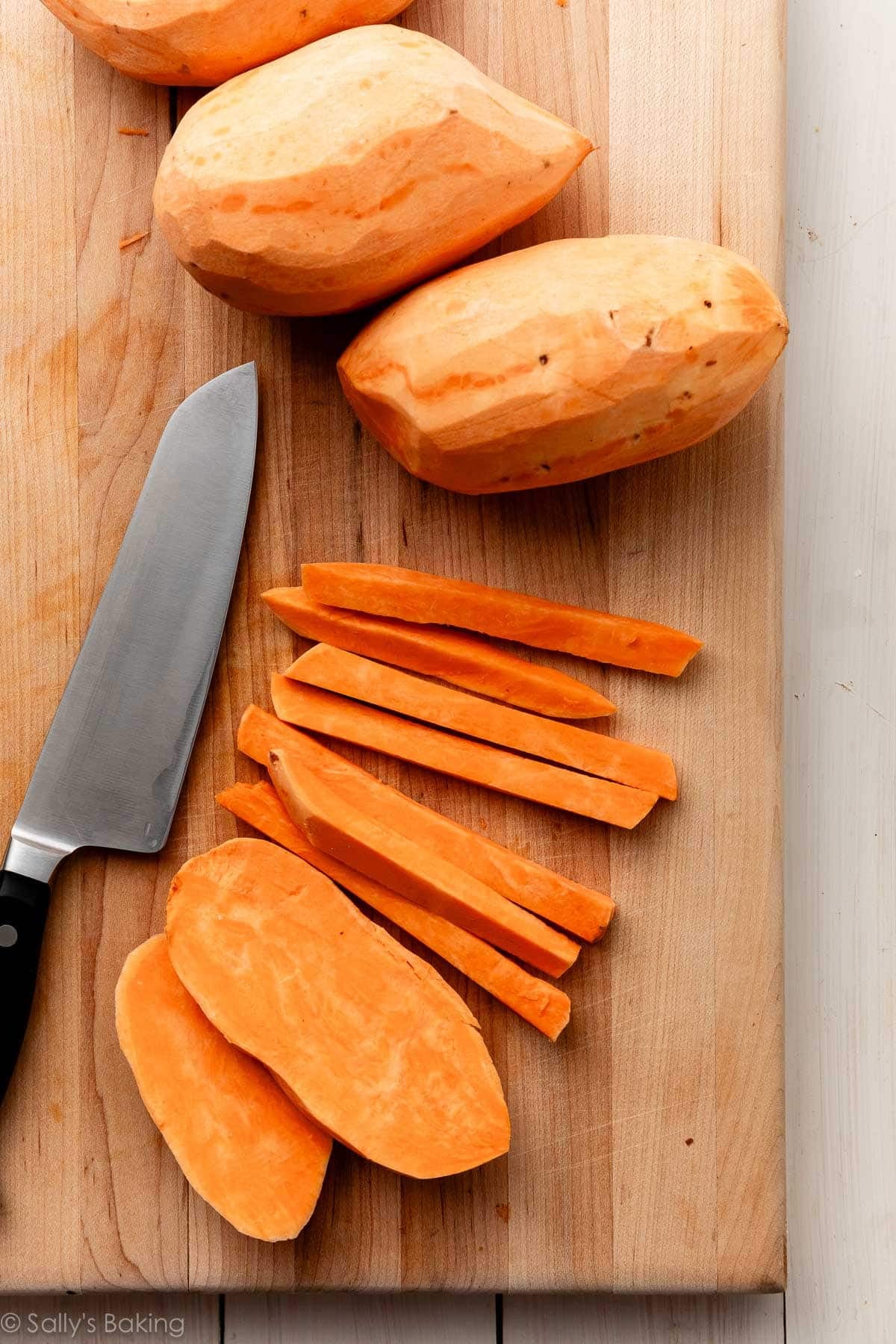
Precision Cutting for Uniformity: The thickness and uniformity of the sweet potato fries significantly impact their cooking time and final texture. Fries cut approximately 1/4-inch wide strike a balance between achieving crisp edges and retaining a tender interior. Shoestring-thin fries risk burning quickly, while excessively thick fries may remain soft in the center or take too long to crisp externally. Consistent cutting ensures that all fries cook at a similar rate, preventing a mix of burnt, soggy, or undercooked pieces. While perfect uniformity is not strictly necessary, a general consistency is advised for optimal results.
-
Strategic Flipping and Pan Rotation: Mid-bake flipping of the fries, coupled with rotating the baking sheets, is essential for even cooking. This ensures all sides of the fries come into contact with the hot baking surface and are exposed to the oven’s radiant heat, promoting uniform browning and crisping. For multiple baking sheets, swapping their rack positions further guarantees even heat distribution across the oven cavity, mitigating hot spots and cold spots.
Ingredient Spotlight: Beyond the Basics
The core ingredients for this recipe are minimal yet impactful:
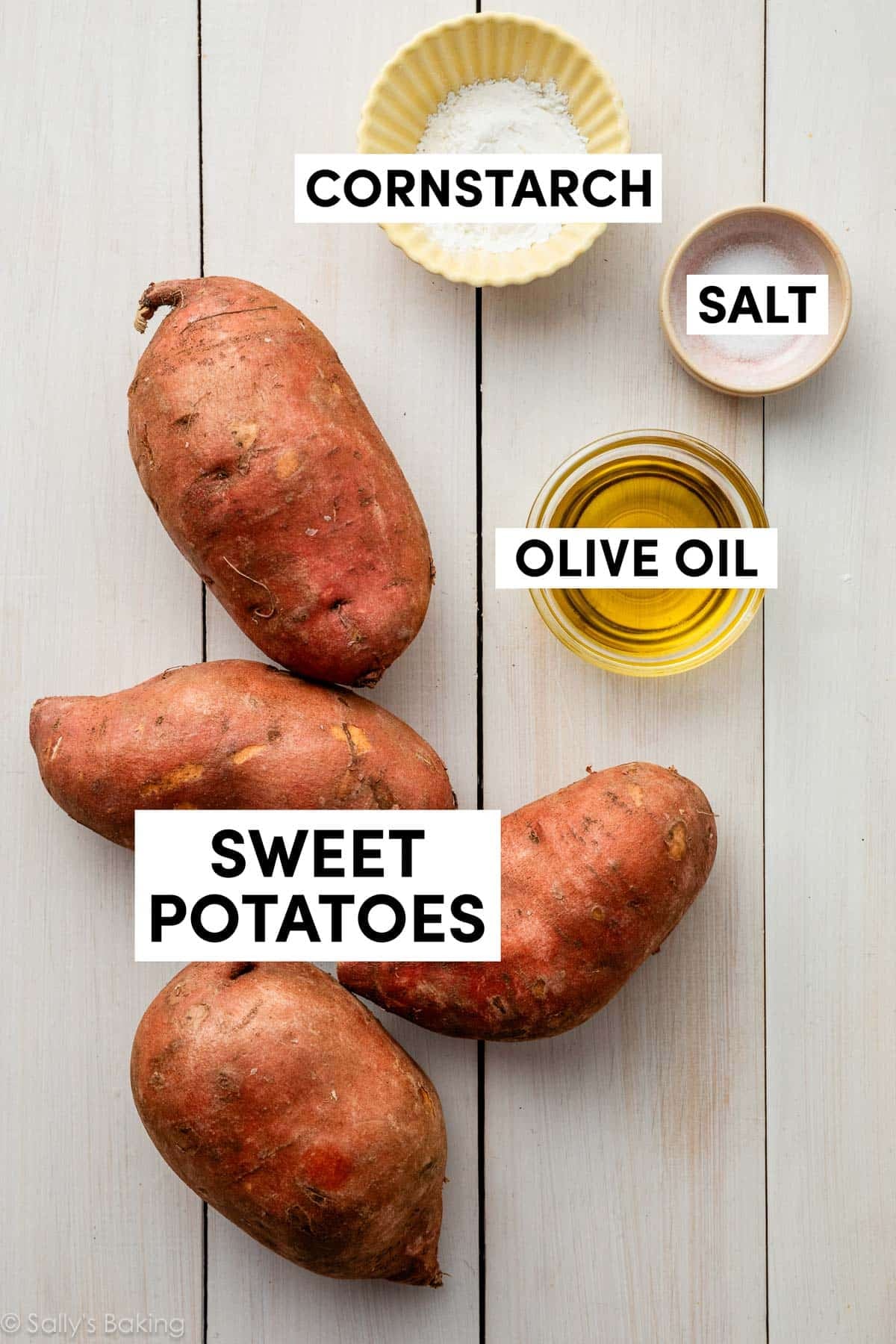
- Sweet Potatoes: The primary ingredient, offering natural sweetness and nutritional density. Varieties like Jewel or Garnet are popular choices for their flavor and texture.
- Cornstarch: The critical agent for moisture absorption and crisping.
- Olive Oil: Or another high-smoke-point oil (e.g., avocado oil). Oil facilitates heat transfer, promotes browning, and helps seasonings adhere. The amount used is carefully measured to coat lightly without saturating, preventing sogginess.
- Salt: A fundamental seasoning that enhances the natural flavors of the sweet potato.
Seasoning Spectrum: Enhancing Flavor Profiles
While salt is a universal enhancer, the versatility of sweet potato fries allows for a broad spectrum of seasoning variations, catering to diverse palates and meal pairings:
- Classic Savory: Garlic powder, onion powder, black pepper, and paprika create a universally appealing savory profile.
- Spicy Kick: A dash of cayenne pepper, chili powder, or smoked paprika can introduce a pleasant heat.
- Sweet & Savory: A pinch of cinnamon, nutmeg, or even a very light dusting of brown sugar (added after initial crisping to prevent excessive burning) can complement the sweet potato’s natural sugars, creating a gourmet twist often paired with a savory main course.
- Herbal Infusion: Dried rosemary or thyme can add an aromatic, earthy note, particularly when serving alongside roasted meats.
- Umami Boost: Nutritional yeast or a sprinkle of grated Parmesan cheese (added towards the end of baking) can introduce a savory depth.
The choice of seasoning can transform the fries from a simple side to a dish that perfectly complements a wide array of main courses, from grilled chicken to hearty burgers or even as a standalone snack.
Technological Advancement: The Air Fryer Revolution
The advent and widespread adoption of the air fryer have provided an alternative, often superior, method for achieving ultra-crispy sweet potato fries in less time. Air fryers operate by circulating hot air rapidly around the food, creating a convection effect that mimics deep-frying with significantly less oil.
Air Fryer Instructions:
- Preparation: Follow the same steps for cutting, coating with cornstarch, oil, and seasonings.
- Preheating: Preheat the air fryer to 375-400°F (190-200°C), depending on the model.
- Batch Cooking: Place fries in a single layer in the air fryer basket, ensuring no overcrowding. Due to the smaller cooking capacity of most air fryers, cooking in multiple batches is usually necessary.
- Cooking Process: Air fry for approximately 15-20 minutes, shaking the basket every 5 minutes to ensure even cooking and browning. The precise timing will vary based on fry thickness and air fryer model.
Oven vs. Air Fryer: A Comparative Analysis
The choice between oven baking and air frying largely depends on desired texture, time constraints, and available equipment.
- Crispness: Air fryers generally yield a superior, more uniform crispness due to the intense, circulating hot air. Oven-baked fries can be very crispy, but often require more attention to spacing and flipping.
- Time Efficiency: Air frying significantly reduces cooking time, typically taking 15-20 minutes compared to 30-40 minutes in a conventional oven. This makes air fryers a preferred choice for quick meal preparation.
- Batch Size: Ovens can accommodate larger batches, making them ideal for feeding more people or meal prepping. Air fryers are better suited for smaller servings or when cooking for one or two individuals.
- Energy Consumption: Air fryers are generally more energy-efficient for smaller batches as they heat a smaller cavity. For larger quantities, a conventional oven may be more efficient overall.
Food industry analysts note a consistent upward trend in consumer preference for healthier snack alternatives, with air fryers playing a pivotal role in this shift. Market research indicates a significant increase in air fryer sales, reflecting a desire for convenient cooking solutions that do not compromise on texture or flavor.
Nutritional Perspective: Health Benefits of Sweet Potatoes
Beyond their delicious taste and satisfying texture, sweet potato fries offer substantial nutritional benefits, particularly when baked or air-fried as opposed to deep-fried. Sweet potatoes are an excellent source of beta-carotene, a powerful antioxidant that the body converts to Vitamin A, crucial for vision, immune function, and skin health. They are also rich in Vitamin C, manganese, and several B vitamins, as well as dietary fiber, which aids digestion and promotes satiety.
Compared to traditional white potato fries, sweet potatoes generally have a lower glycemic index, meaning they cause a slower, more gradual rise in blood sugar levels. Baking or air frying eliminates the need for excessive oil, drastically reducing the fat and calorie content associated with deep-fried versions, transforming them into a genuinely healthy side dish or snack. This aligns with broader public health recommendations for increased consumption of nutrient-dense vegetables and reduced intake of fried foods.
Broader Culinary Impact: The Rise of Health-Conscious Home Cooking
The enduring appeal and continuous refinement of recipes like crispy baked sweet potato fries are symptomatic of a larger culinary movement: the increasing emphasis on health-conscious home cooking. Consumers are increasingly seeking ways to prepare nutritious, flavorful meals in their own kitchens, driven by a desire for greater control over ingredients, dietary needs, and cost efficiency.
This recipe exemplifies how simple ingredients, combined with scientifically informed techniques, can transform humble vegetables into gourmet experiences without sacrificing health benefits. It reflects a shift away from processed foods and towards whole, natural ingredients, prepared in ways that maximize both taste and nutritional value. The versatility of sweet potato fries, pairing well with virtually any main course—from burgers and sandwiches to grilled fish and salads—further solidifies their status as a modern culinary cornerstone.
In conclusion, the journey of the crispy baked sweet potato fry, from its initial publication to its refined, air fryer-compatible iteration, illustrates more than just a recipe’s evolution. It mirrors the dynamic interplay between culinary science, technological innovation, and a global shift towards healthier, more accessible home cooking. By understanding and applying these simple yet effective techniques, anyone can achieve the perfect balance of crisp exterior and tender interior, transforming a challenging vegetable into a consistently delicious and nutritious culinary delight.
