

In the vibrant world of culinary creations, few dishes achieve the universal appeal and sheer deliciousness of guacamole. Often relegated to a simple side dish or appetizer, this avocado-based delight is capable of transforming any meal into a celebratory occasion. This article delves into the art and science behind crafting the quintessential guacamole, exploring the key ingredients, meticulous techniques, and the nuanced factors that elevate this beloved dip to restaurant-quality perfection. Drawing upon established culinary wisdom and insights from food enthusiasts, we aim to provide a comprehensive guide for home cooks seeking to master this iconic recipe.
The Foundation: Selecting the Perfect Avocado
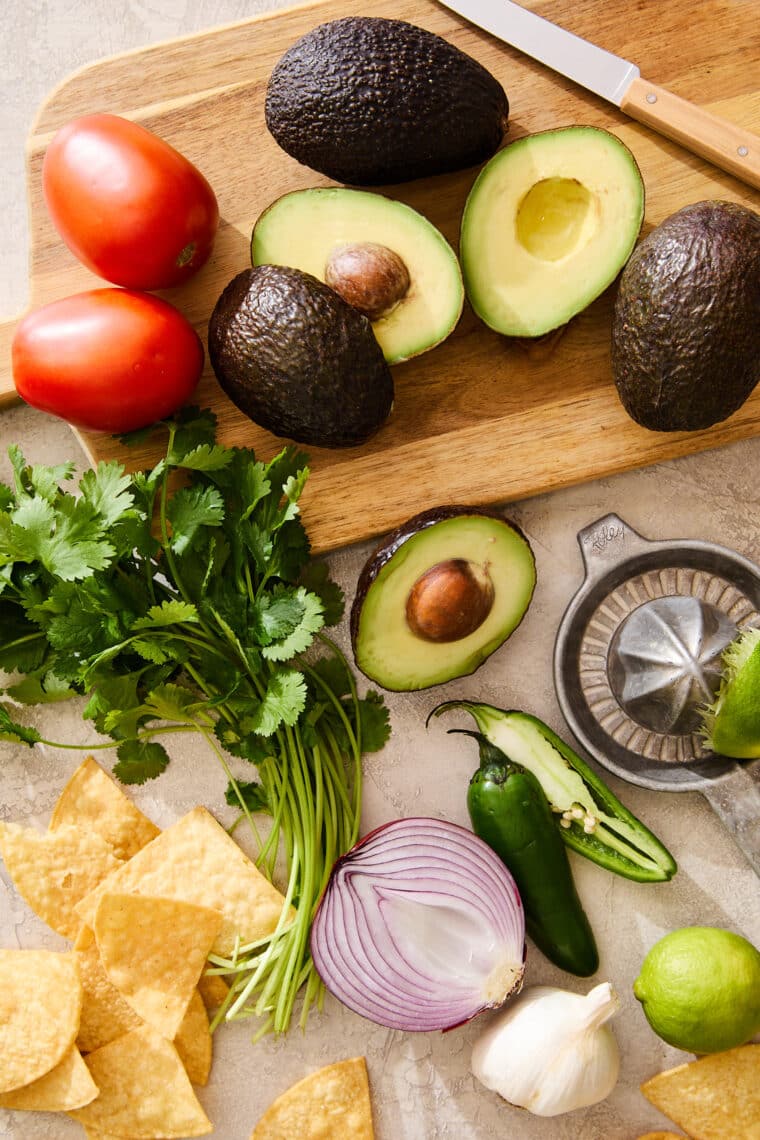
The journey to exceptional guacamole begins with the star ingredient: the avocado. The success of the dish hinges on the quality and ripeness of this creamy fruit. Experts advise selecting avocados that possess a dark, pebbly skin, a sign of maturity and readiness. Crucially, the avocado should yield to gentle pressure, indicating a soft yet firm interior. Overly soft or mushy avocados, while tempting, often signal a bruised or overly ripe state that can detract from the guacamole’s texture and flavor. For those planning ahead, choosing avocados that are firm and bright green allows for gradual ripening, ensuring they are at their peak when ready to be transformed into guacamole. The Hass avocado, known for its rich, nutty flavor and creamy texture, is a perennial favorite for guacamole aficionados. Data from the USDA indicates that avocado consumption in the United States has surged dramatically over the past two decades, underscoring its growing popularity and the importance of understanding how to select the finest specimens.
A Symphony of Flavors: Key Ingredients and Their Roles
Beyond the avocado, a carefully curated selection of complementary ingredients works in harmony to create the complex flavor profile of great guacamole.
-
Onion: While white onion is a common choice for its sharp bite, this particular recipe advocates for red onion. Its subtly sweeter, milder flavor and vibrant hue offer a visually appealing contrast and a more nuanced taste experience. Finely dicing the red onion ensures its flavor is distributed evenly without overpowering the other elements.
-
Cilantro: This herbaceous powerhouse is indispensable in traditional guacamole. Its bright, slightly peppery, and citrusy notes cut through the richness of the avocado, providing a refreshing counterpoint. The essential oils in fresh cilantro are key to its distinctive aroma and taste. For those who find cilantro’s flavor polarizing, a common substitute is flat-leaf parsley, which offers a milder herbaceousness without the characteristic "soapy" note some individuals perceive in cilantro.
-
Lime (Zest and Juice): The inclusion of both lime zest and juice is a critical step in achieving both flavor and preservation. The zest, packed with aromatic oils, imparts a potent citrus burst, while the juice adds a bright tanginess. Crucially, the citric acid present in lime juice acts as a natural antioxidant, significantly slowing down the oxidation process that causes guacamole to turn brown. This ensures the dip maintains its vibrant green hue for longer, a hallmark of freshly prepared guacamole.
-
Jalapeño: For a touch of heat, the jalapeño pepper is the go-to ingredient. The level of spice can be precisely controlled by adjusting its preparation. Removing the seeds and inner membranes, which contain the majority of the capsaicin (the compound responsible for heat), will yield a milder flavor. Conversely, leaving them in, or opting for a spicier pepper like a serrano, will intensify the heat. Pickled jalapeños can also be used, offering a tangy undertone and a moderated heat level.
-
Garlic: A small amount of fresh garlic adds a warm, savory depth that balances the creamy, tangy, and spicy elements of the guacamole. For an elevated flavor, consider using roasted garlic, which offers a sweeter, mellower, and more complex garlic profile. The intensity of raw garlic can vary, so a finely minced clove is often sufficient to impart its desirable notes without becoming dominant.
-
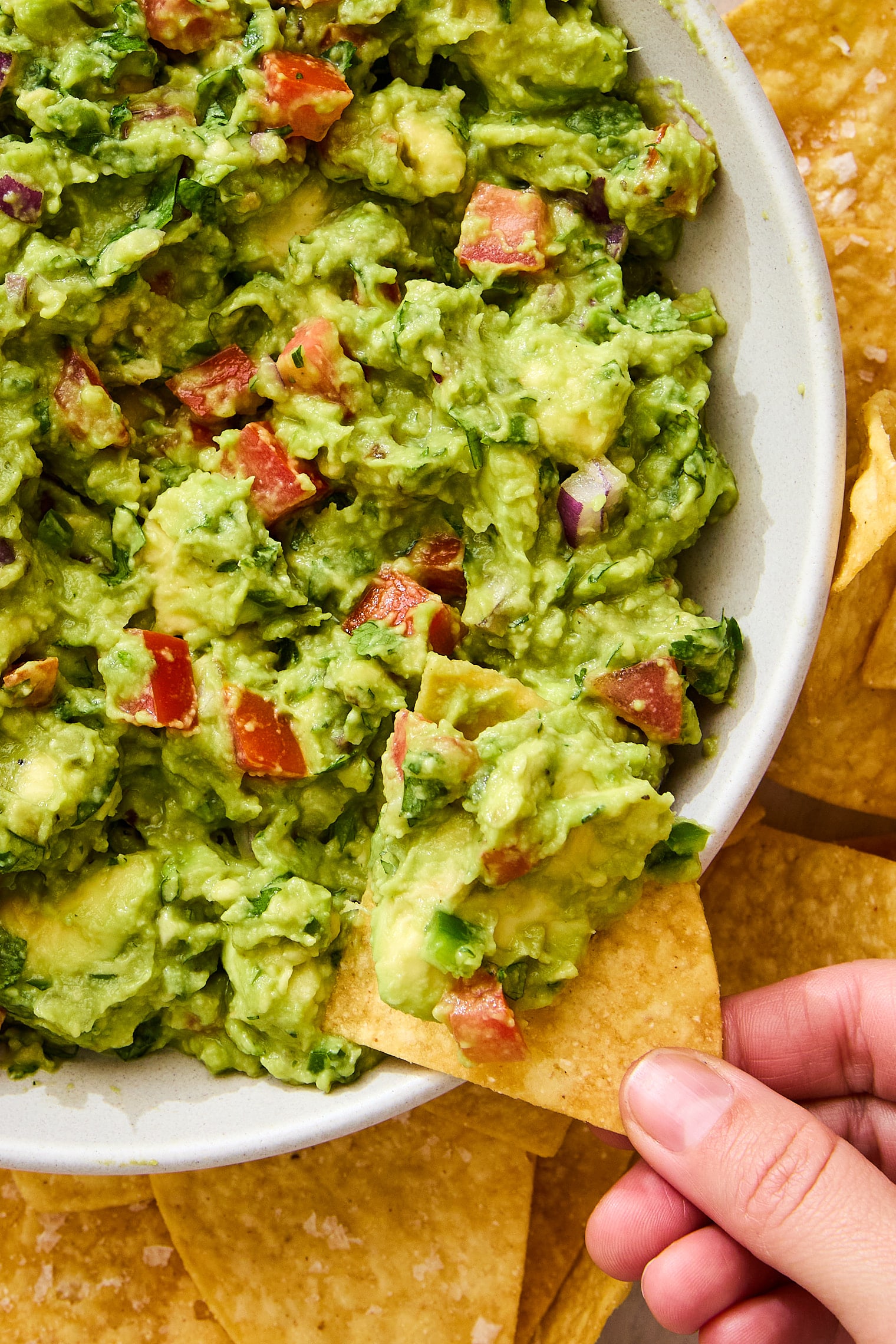
Tomato: While not universally included in all guacamole recipes, tomatoes add a refreshing burst of acidity and a pleasant textural contrast. When using tomatoes, Roma tomatoes are recommended due to their lower water content, which prevents a watery guacamole. It is often advised to fold in diced tomatoes at the very end of the preparation process to maintain their integrity and prevent them from becoming mushy.
The Art of Preparation: Techniques for Perfection
The method of preparing guacamole is as important as the ingredients themselves. The goal is to achieve a balanced texture – creamy yet with discernible chunks of avocado – and to ensure the flavors are well-integrated.
Selecting the Best Avocado for Guacamole
As previously mentioned, ripeness is paramount. Avocados that are firm and bright green are ideal for later use, while those yielding to gentle pressure with a dark, pebbly skin are ready for immediate consumption. Avoid avocados that are overly soft, as this indicates they are past their prime and may have a bruised or discolored interior.
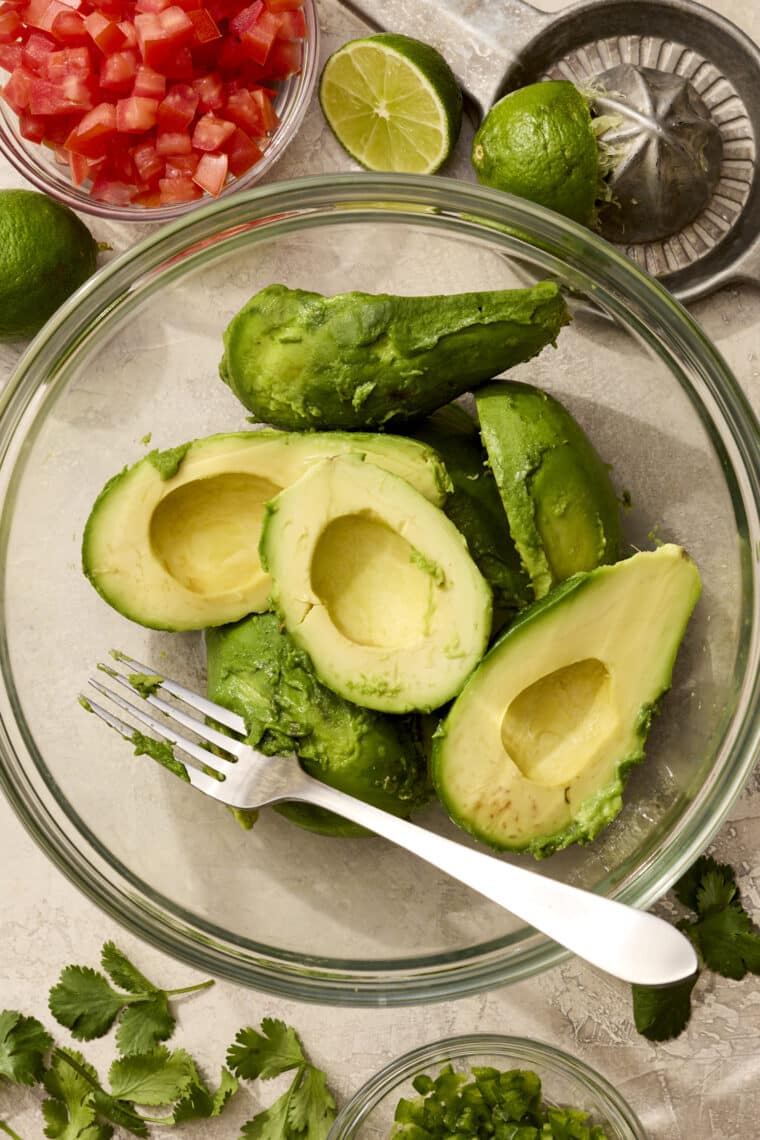
The Guacamole Making Process
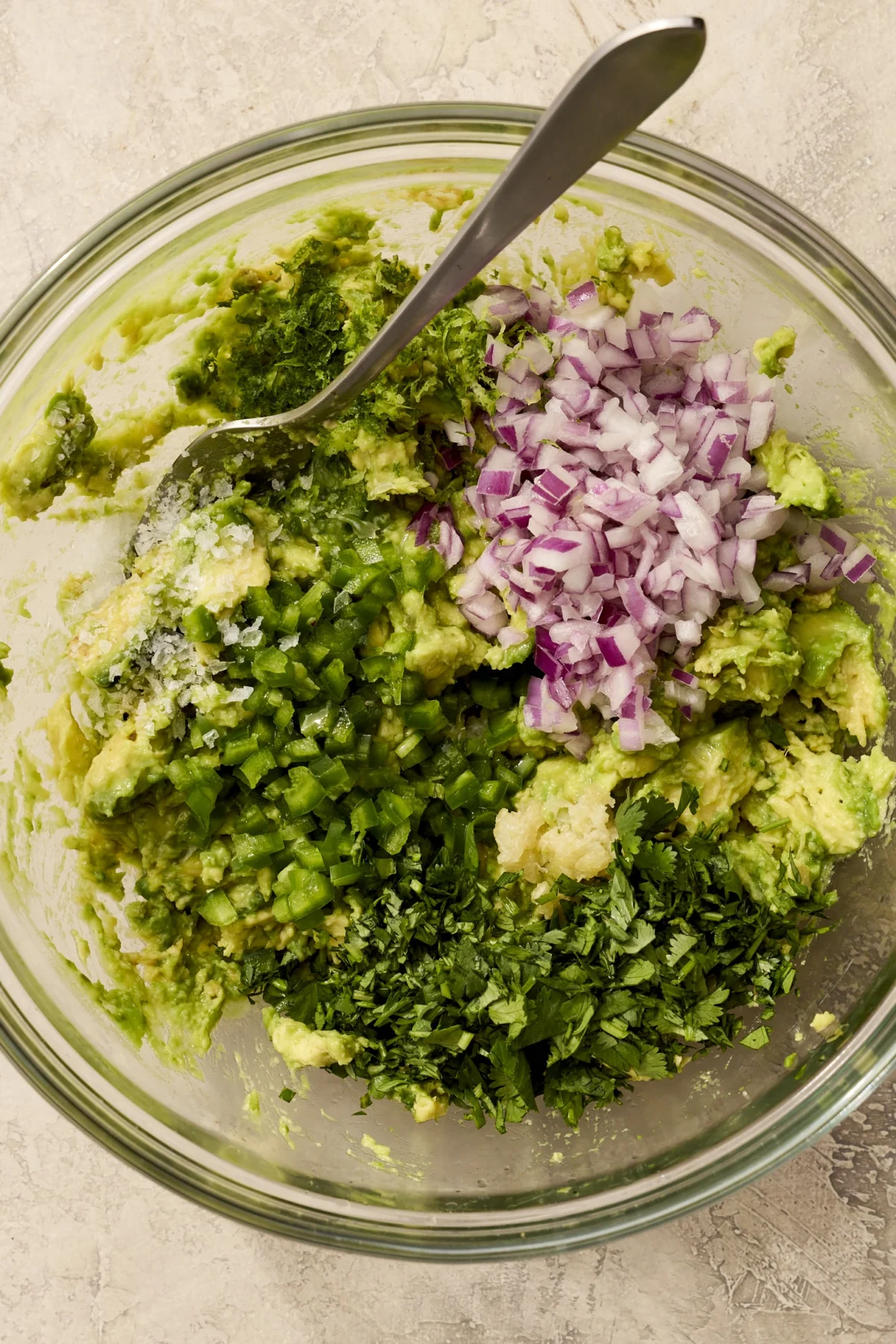
- Prepare the Aromatics: Finely dice the red onion, mince the garlic, and finely chop the cilantro. If using jalapeño, mince it finely, removing seeds and membranes to control the heat level.
- Mash the Avocados: Halve the ripe avocados, remove the pits, and scoop the flesh into a medium bowl. Using a fork or a potato masher, gently mash the avocados to your desired consistency. Some prefer a smoother texture, while others enjoy larger avocado chunks.
- Combine Ingredients: Add the diced red onion, minced garlic, chopped cilantro, and minced jalapeño (if using) to the mashed avocado.
- Add Lime and Seasoning: Squeeze in the fresh lime juice and add the lime zest. Season generously with salt.
- Fold in Tomato (Optional): If using, gently fold in the diced Roma tomatoes.
- Taste and Adjust: This is a crucial step. Taste the guacamole and adjust the seasoning, lime juice, or jalapeño as needed to achieve your preferred balance of flavors.
Tips and Tricks for Restaurant-Quality Guacamole
Achieving that coveted restaurant-style guacamole often comes down to a few key considerations:
- Freshness is Paramount: Use the freshest ingredients possible. The vibrant flavors of ripe avocados, fresh cilantro, and zesty lime are the backbone of great guacamole.
- Don’t Over-Mash: Aim for a texture that is creamy but still has some discernible avocado pieces. Over-mashing can lead to a paste-like consistency.
- Balance is Key: The interplay between the creamy avocado, sharp onion, bright cilantro, tangy lime, and subtle heat from the jalapeño is what makes guacamole so delightful. Taste and adjust seasonings throughout the process.
- The Role of Salt: Salt is not just for flavor; it enhances the natural sweetness of the avocado and helps to meld all the ingredients together. Be generous but taste as you go.
- Preservation Technique: To prevent browning when making guacamole ahead of time, press plastic wrap directly onto the surface of the guacamole, ensuring no air pockets remain. This creates a barrier against oxygen. Refrigerate until ready to serve.
Frequently Asked Questions About Guacamole
-
Is this guacamole spicy?
The jalapeño pepper introduces a subtle heat. For a milder experience, remove the seeds and membranes or omit the jalapeño entirely. If you desire more heat, consider using a serrano pepper. -
What can I use to substitute cilantro in guacamole?
Flat leaf parsley is an excellent substitute, offering a similar herbaceous quality, albeit with a milder flavor profile.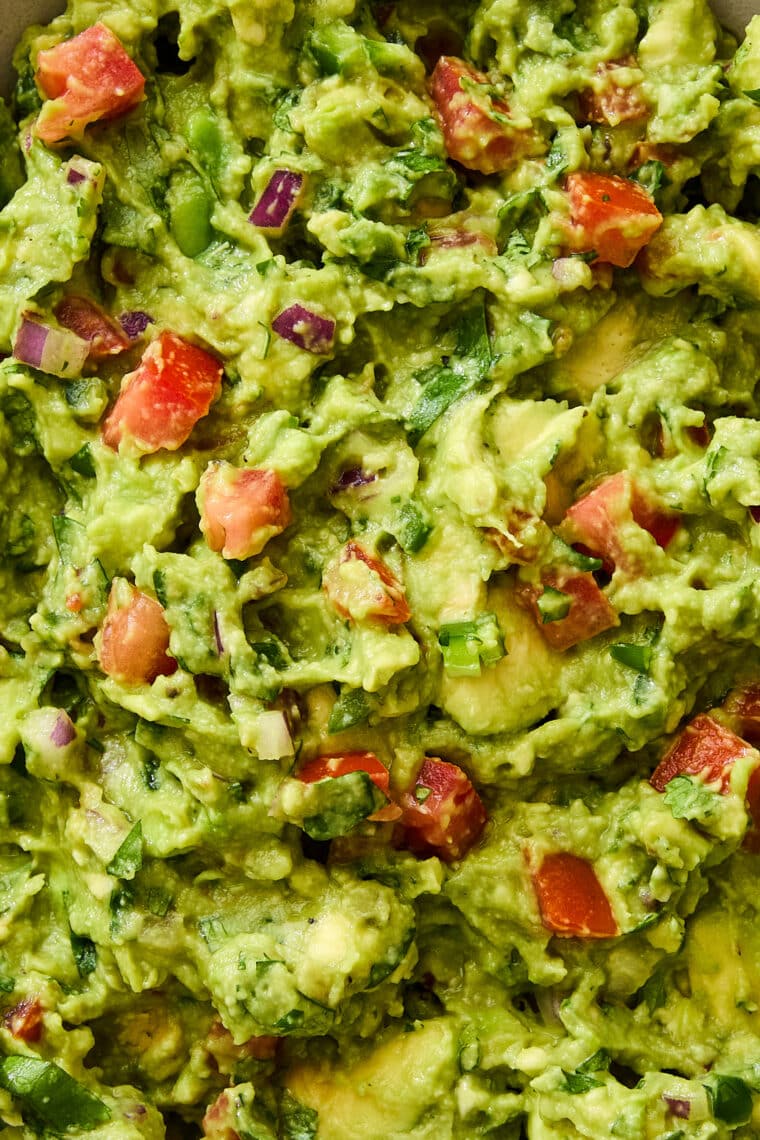
-
Do I have to add the tomato?
The inclusion of tomatoes is a matter of personal preference. While some culinary purists argue against it due to its potential to add moisture and act as a filler, many appreciate the fresh, bright flavors and chunky texture tomatoes provide. -
What can I serve guacamole with?
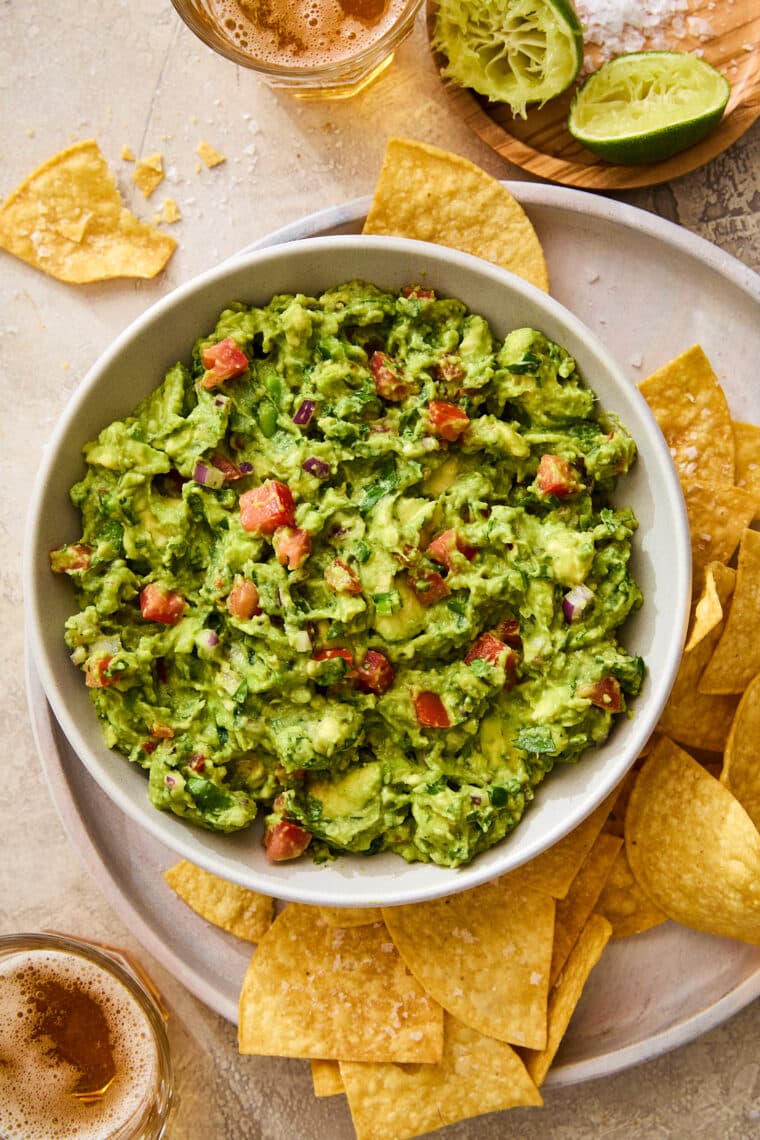
Guacamole is incredibly versatile. It pairs perfectly with tortilla chips, crackers, and an array of fresh vegetable dippers such as carrots, celery, bell peppers, cucumbers, and jicama. It also serves as an exceptional topping or accompaniment for tacos, quesadillas, fajitas, nachos, burgers, sandwiches, and wraps. -
Can I make guacamole ahead of time?
Yes, guacamole can be prepared up to one day in advance. To maintain its vibrant green color, press plastic wrap directly onto the surface of the guacamole to eliminate air pockets, then refrigerate.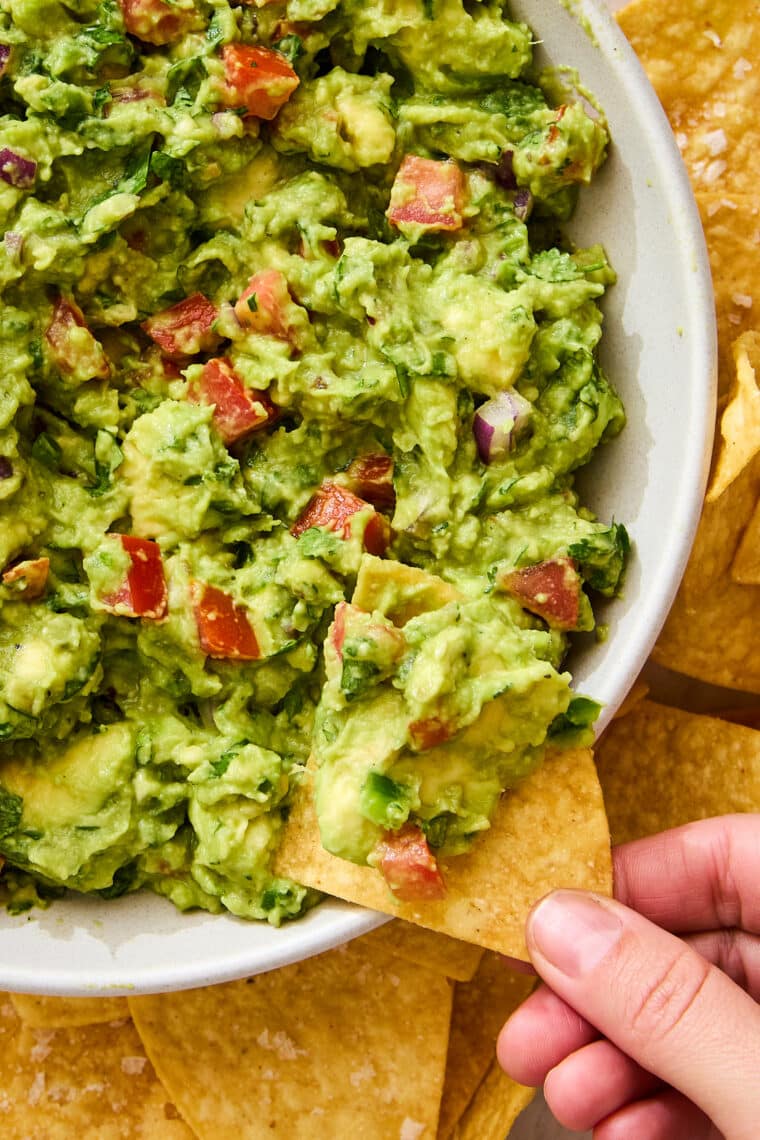
The Enduring Appeal of Guacamole
The enduring popularity of guacamole is a testament to its simplicity, its fresh and vibrant flavor profile, and its incredible versatility. From casual gatherings to more formal occasions, it consistently emerges as a crowd-pleasing favorite. The ability to customize its spice level and texture, coupled with its inherent health benefits derived from avocados (rich in healthy monounsaturated fats, fiber, and various vitamins and minerals), further solidifies its status as a culinary staple. As avocado consumption continues to rise globally, the art of crafting the perfect guacamole remains a rewarding endeavor for cooks of all skill levels, promising a delicious and satisfying culinary experience. The detailed exploration of its components and preparation methods underscores that guacamole is more than just a dip; it is a finely tuned culinary creation that celebrates the natural goodness of its ingredients.
