

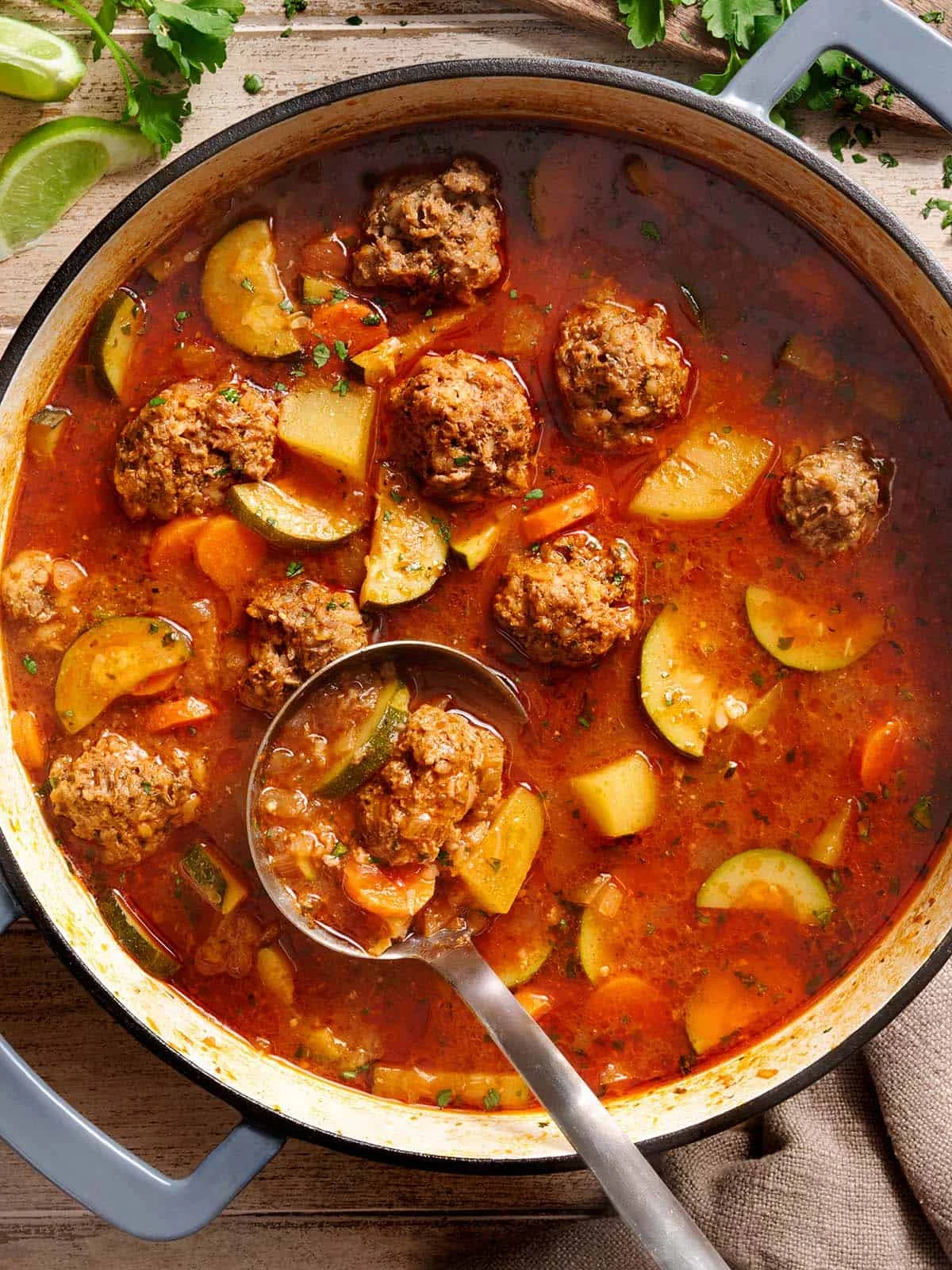
The traditional Mexican dish known as Albóndigas soup represents a significant intersection of cultural history, nutritional efficiency, and economic accessibility in contemporary home cooking. Often referred to simply as Mexican meatball soup, Albóndigas is a staple in households across North America and beyond, prized for its ability to deliver a complex flavor profile through relatively simple, cost-effective ingredients. Recent culinary evaluations, including those conducted by the Nashville Test Kitchen, highlight the dish’s versatility and its role as a model for balanced meal preparation. By utilizing common pantry staples such as rice and ground beef alongside fresh vegetables, this soup addresses modern demands for gluten-free and budget-conscious dining without sacrificing the depth of flavor associated with long-simmered stews.
Historical Lineage and Etymological Origins
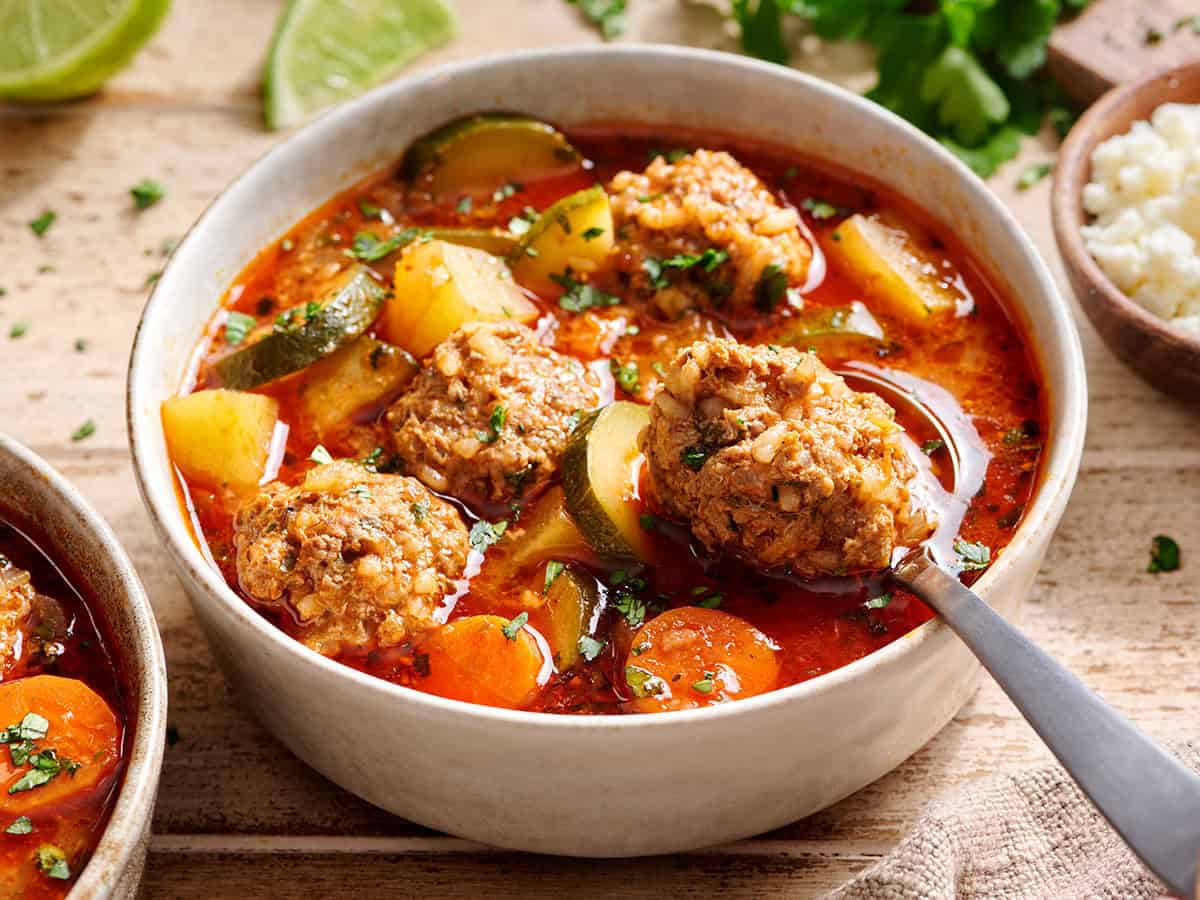
To understand the significance of Albóndigas soup, one must examine its deep historical roots, which span several continents and centuries. The term "albóndiga" is derived from the Arabic word "al-bunduq," which translates to "the hazelnut" or, more broadly, "a small, round object." This etymology points to the Islamic influence in the Iberian Peninsula during the period of Al-Andalus. The Moors introduced various culinary techniques to Spain, including the practice of rolling minced meat into small, uniform spheres.
Following the Spanish colonization of the Americas, these culinary traditions were transplanted to Mexico. Over time, the recipe evolved to incorporate indigenous ingredients and regional preferences. While the Spanish version of albóndigas is frequently served as a tapa in a thick tomato-based sauce, the Mexican adaptation transformed the dish into a hearty, brothy soup. This evolution reflects a broader cultural trend in Mexican cuisine where soups (caldos) serve as complete, one-pot meals designed to nourish large families. The inclusion of rice within the meatball itself is a distinctive Mexican innovation, providing a unique texture and acting as a functional binder that replaces the European tradition of using breadcrumbs.
Economic Analysis of Home-Cooked Nutrition
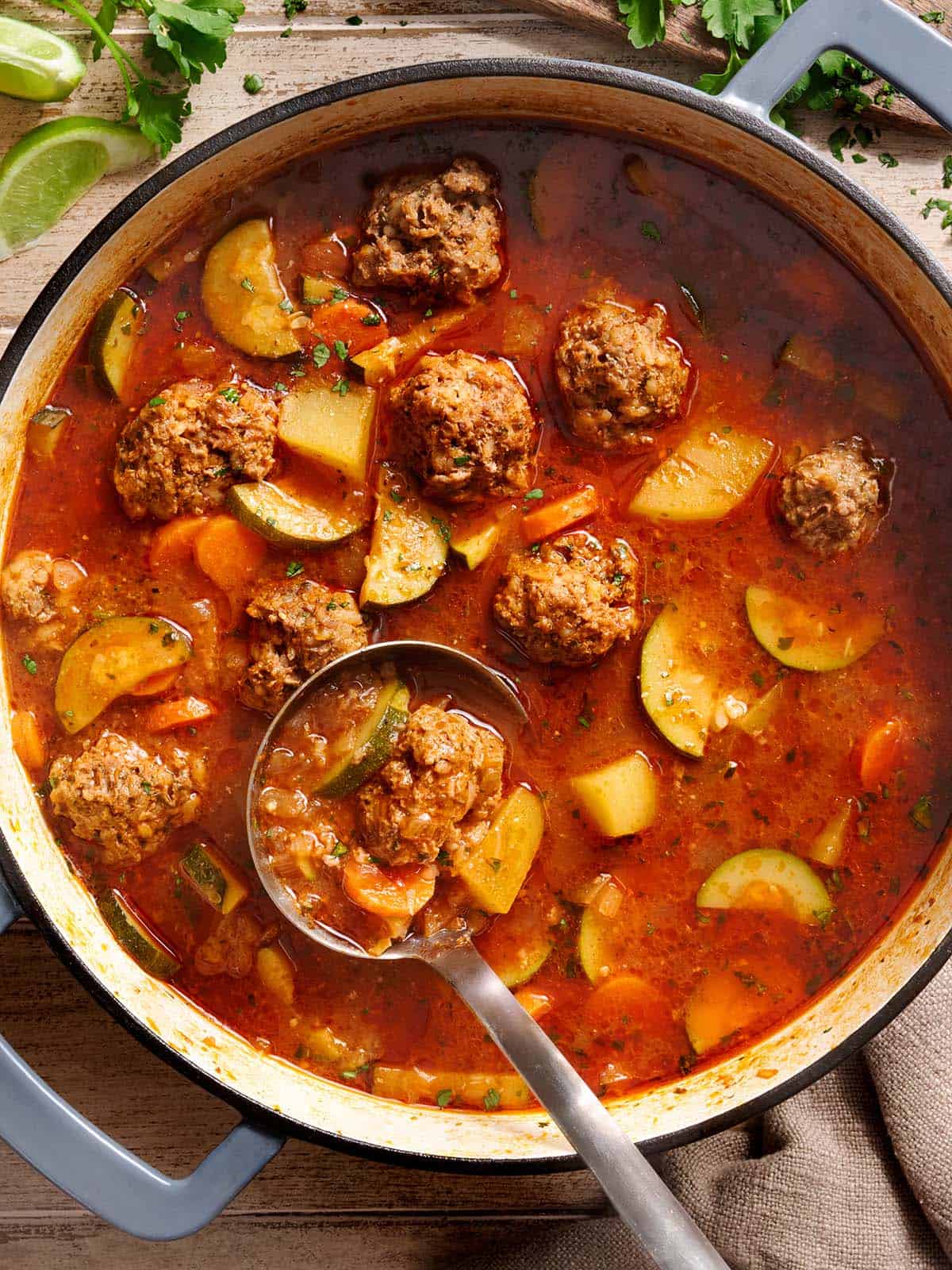
In an era of fluctuating food prices and increased cost-of-living pressures, the economic profile of Albóndigas soup makes it a subject of interest for budget-conscious consumers. Detailed cost analysis provided by culinary researchers indicates that a standard six-serving batch of the soup can be produced for approximately $12.78. This brings the cost per serving to an estimated $2.13, a figure significantly lower than the average cost of a fast-casual meal or a commercially processed canned soup of similar nutritional density.
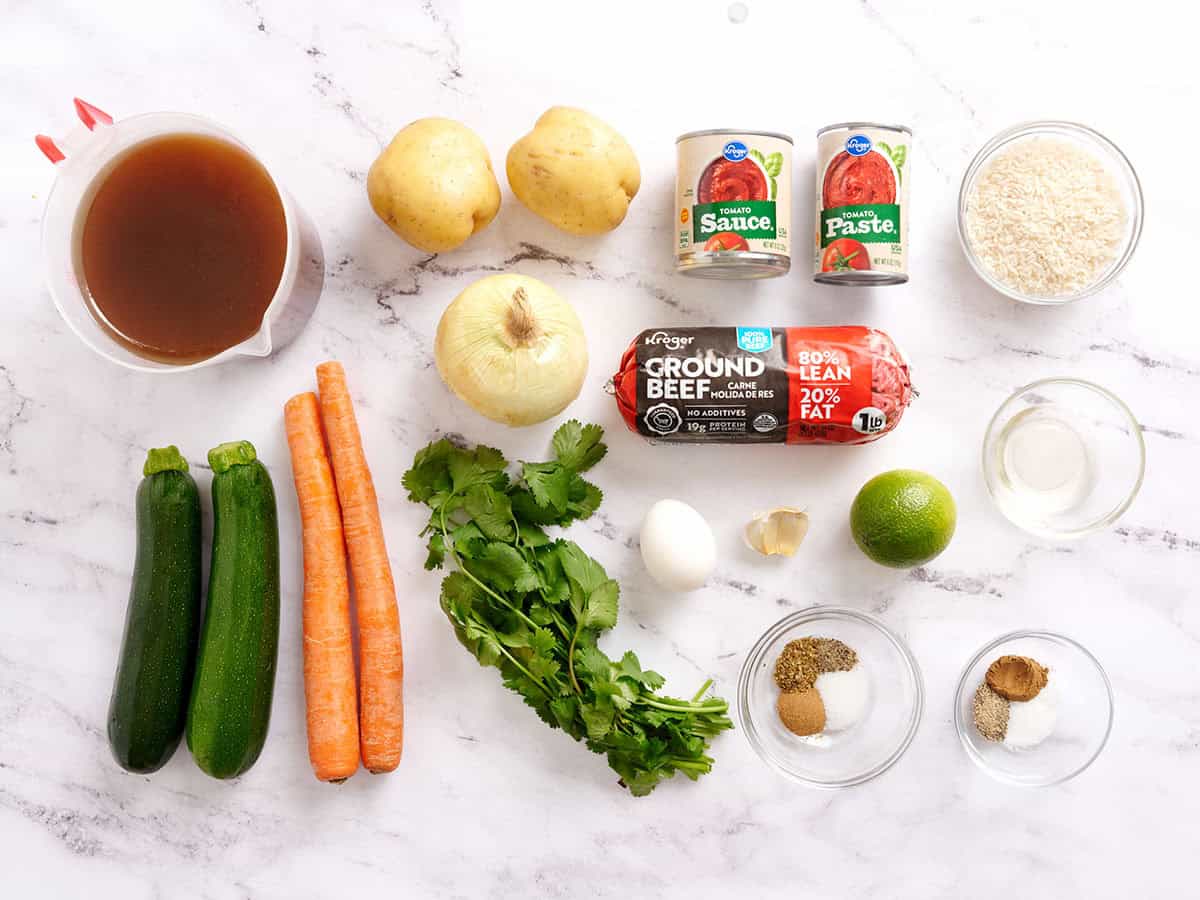
The affordability of the dish is rooted in its use of "filler" ingredients that do not compromise quality. The use of uncooked white rice as a binding agent in the meatballs serves a dual purpose: it extends the volume of the ground beef—the most expensive component of the recipe—and provides a gluten-free alternative to wheat-based binders. Furthermore, the reliance on hardy, low-cost vegetables such as carrots, potatoes, and zucchini ensures that the meal is high in volume and fiber while remaining low in price. Analysts suggest that the "next-day effect," where the soup’s flavors deepen during refrigeration, further enhances its economic value by providing high-quality leftovers that reduce the need for additional meal preparation.
The Nashville Test Kitchen Methodology
The standardization of the Albóndigas recipe has been refined through rigorous testing environments, most notably the Nashville Test Kitchen. This facility focuses on three primary pillars: ease of execution, affordability, and flavor consistency. The technical process for creating a balanced Albóndigas soup involves a specific sequence of operations designed to maximize the extraction of aromatics while maintaining the structural integrity of the ingredients.
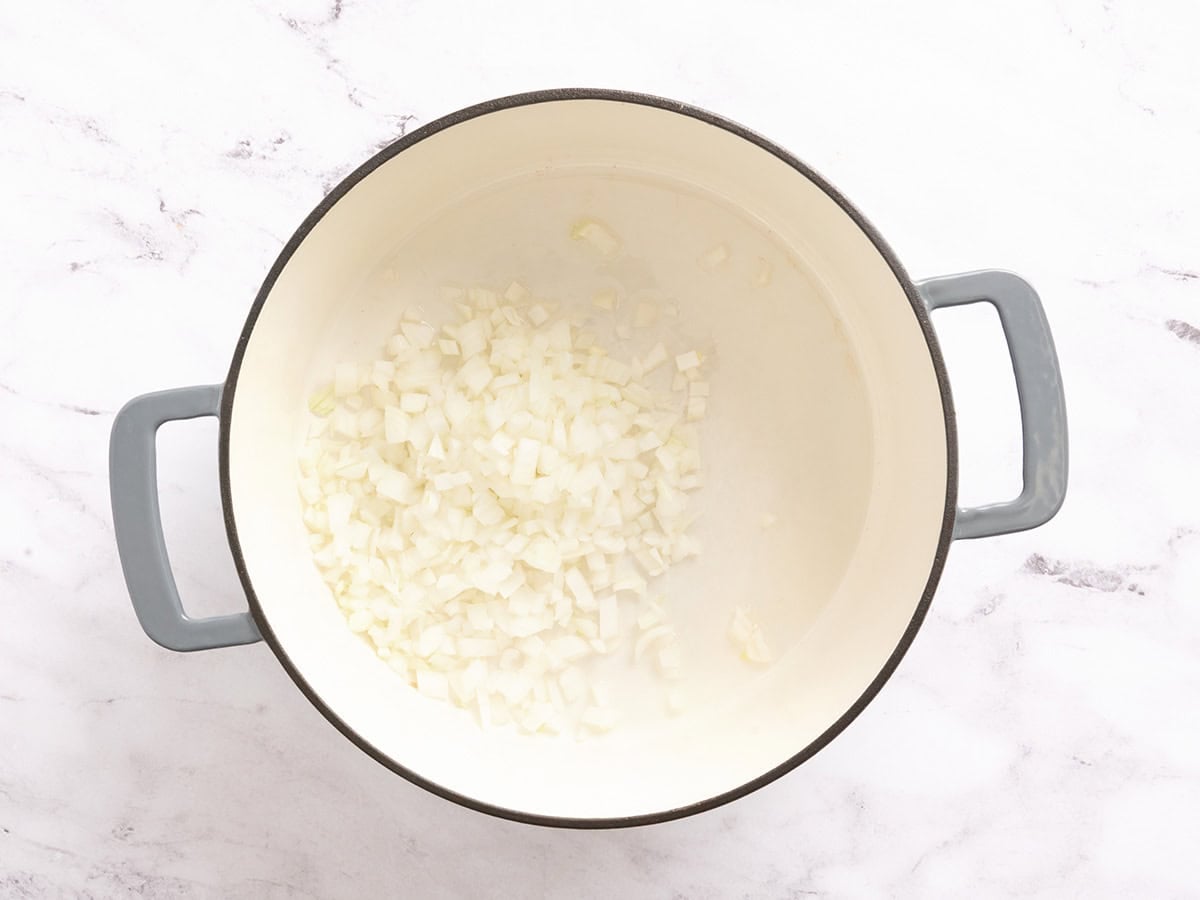
The process begins with the "sofrito" stage, where onions and garlic are sautéed to create a flavor base. The addition of tomato paste at this stage is critical; the paste is cooked until it darkens, a process known as pincer, which caramelizes the natural sugars and provides a rich, umami foundation for the beef broth. This methodology ensures that the resulting liquid is not merely a thin tea, but a robust medium capable of supporting the heavy protein and vegetable components.
Chronological Preparation and Structural Integrity
The assembly of Albóndigas soup follows a precise chronology to ensure that every element reaches its optimal doneness simultaneously.
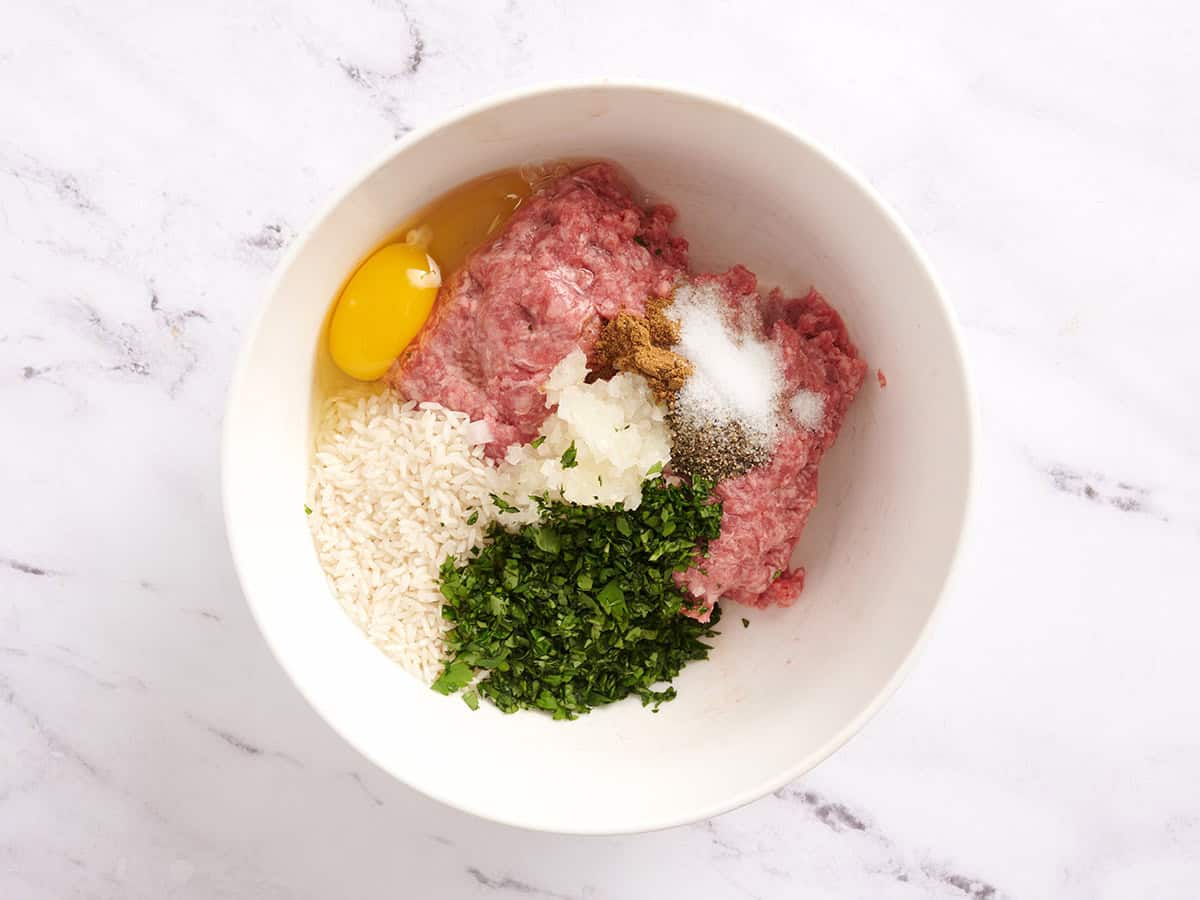
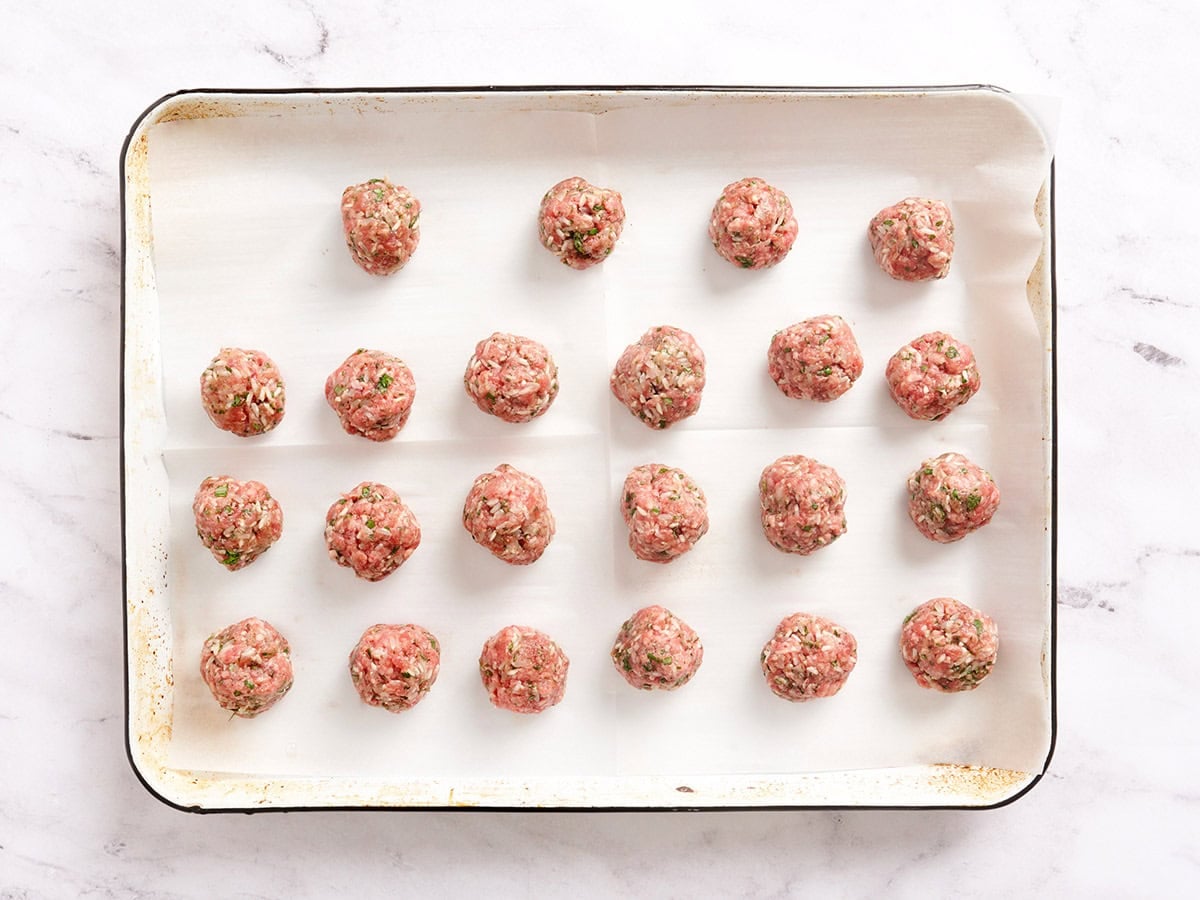
- The Meatball Construction: The protein base consists of ground beef mixed with uncooked rice, eggs, and a blend of spices including cumin and oregano. Culinary experts emphasize the importance of gentle mixing; over-handling the meat can lead to protein cross-linking, resulting in a dense, rubbery texture. The inclusion of raw rice is a calculated risk that pays off during the simmering phase, as the rice absorbs the juices of the meat, expanding to create a tender, "hedgehog" texture.
- The Broth Foundation: Once the aromatics are sautéed and the tomato paste is caramelized, beef broth and tomato sauce are added. This liquid is brought to a gentle simmer before the addition of root vegetables. Carrots and Yukon gold potatoes are introduced early in the process due to their density and longer cooking requirements.
- The Poaching Phase: The meatballs are lowered into the simmering broth. A critical technical detail noted by chefs is the "no-stir" period. For the first five minutes of poaching, the meatballs must remain undisturbed to allow the egg proteins to set, ensuring the spheres do not disintegrate into the broth.
- The Final Addition: Zucchini, which has a high water content and softens quickly, is added during the final five to ten minutes of cooking. This prevents the vegetable from becoming mushy and helps it retain its vibrant green color.
- The Brightening Stage: The cooking process concludes with the addition of fresh lime juice. This acid serves as a flavor "brightener," cutting through the richness of the beef fat and balancing the earthy notes of the cumin and oregano.
Nutritional Profile and Dietary Implications
A quantitative analysis of the Albóndigas soup reveals a balanced macronutrient distribution suitable for a variety of dietary needs. A standard two-cup serving contains approximately 390 calories, making it a substantial but controlled meal option.
The nutritional breakdown is as follows:
- Protein (21g): Primarily sourced from the ground beef and egg, providing essential amino acids for muscle maintenance.
- Carbohydrates (33g): Derived from the rice, potatoes, and carrots, offering a mix of simple and complex carbohydrates for sustained energy.
- Fat (20g): Contributed by the beef and cooking oil, which aids in the absorption of fat-soluble vitamins (A, D, E, and K) found in the vegetables.
- Fiber (4g): Sourced from the varied vegetable inclusions, supporting digestive health.
One area of note for health-conscious consumers is the sodium content, which can reach 1799mg per serving if prepared with standard commercial bouillons. Nutritionists recommend the use of reduced-sodium stocks or the careful adjustment of added salt to align the dish with cardiovascular health guidelines. Despite the sodium levels, the dish is praised for being naturally dairy-free and gluten-free, making it an inclusive option for individuals with common food sensitivities.
Broader Cultural and Social Impact
The enduring popularity of Albóndigas soup reflects a broader societal trend toward "comfort foods"—dishes that evoke a sense of nostalgia and physical well-being. In the context of the Mexican-American experience, Albóndigas is more than a meal; it is a cultural touchstone often associated with maternal care and domestic stability.
Sociologists noting the rise of "slow cooking" and traditional foodways suggest that dishes like Albóndigas offer an antidote to the highly processed, fast-paced food culture of the 21st century. The act of hand-rolling meatballs and simmering a pot of soup requires a temporal investment that fosters a connection between the cook and the ingredients. Furthermore, the dish’s ability to "stretch" ingredients to feed a large group highlights the communal nature of traditional Mexican dining.
Future Implications for Home Gastronomy
As home cooks increasingly seek out recipes that balance technical simplicity with professional-grade results, Albóndigas soup stands as a primary example of successful home gastronomy. The integration of science-based cooking methods—such as the Nashville Test Kitchen’s rigorous trials—with traditional heritage recipes ensures that these dishes remain relevant for future generations.
The shift toward resourcefulness in the kitchen, characterized by the "Budget Bytes" philosophy, suggests a long-term move away from luxury ingredients in favor of technique-driven cooking. Albóndigas soup, with its rich history, nutritional balance, and undeniable cost-effectiveness, is likely to remain a cornerstone of the global culinary landscape, proving that the most comforting meals are often those born from necessity and refined by time.
