

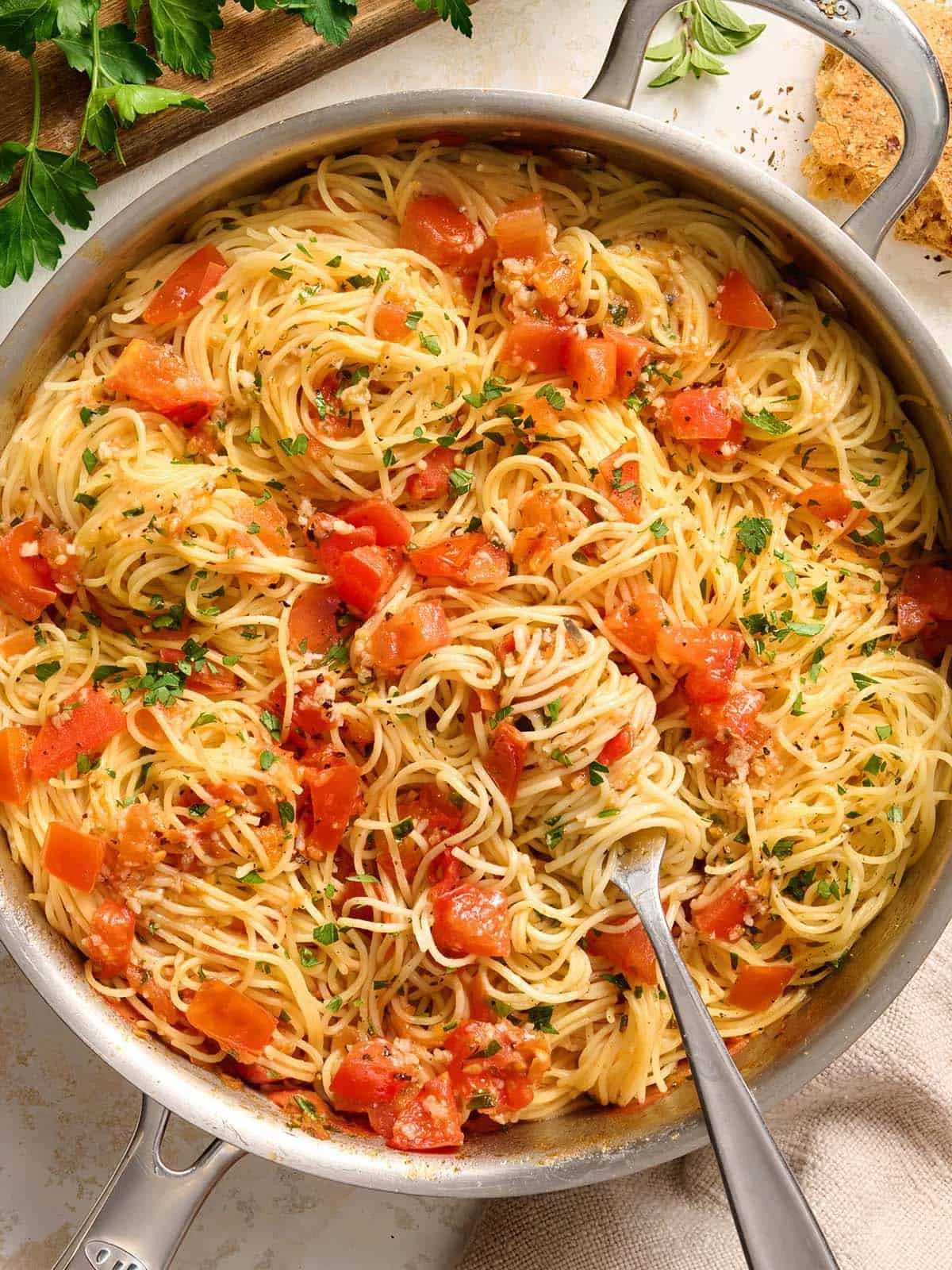
The resurgence of traditional Italian "cucina povera"—or "cooking of the poor"—has found a significant foothold in the modern domestic kitchen, exemplified by the enduring popularity of Angel Hair Pasta Pomodoro. This dish, characterized by its use of accessible ingredients and rapid preparation time, represents a convergence of historical culinary tradition and the practical demands of contemporary household management. Recent data from culinary test centers, including the Nashville-based Budget Bytes laboratory, indicates that this specific preparation remains one of the most cost-effective nutritional options available to consumers, with an estimated cost of $5.21 for an eight-serving recipe, or approximately $0.65 per serving. As food inflation continues to impact global markets, the strategic use of high-yield, low-cost staples like Roma tomatoes and dried pasta strands has transitioned from a matter of historical necessity to a modern economic strategy.
Historical Context and Culinary Origins
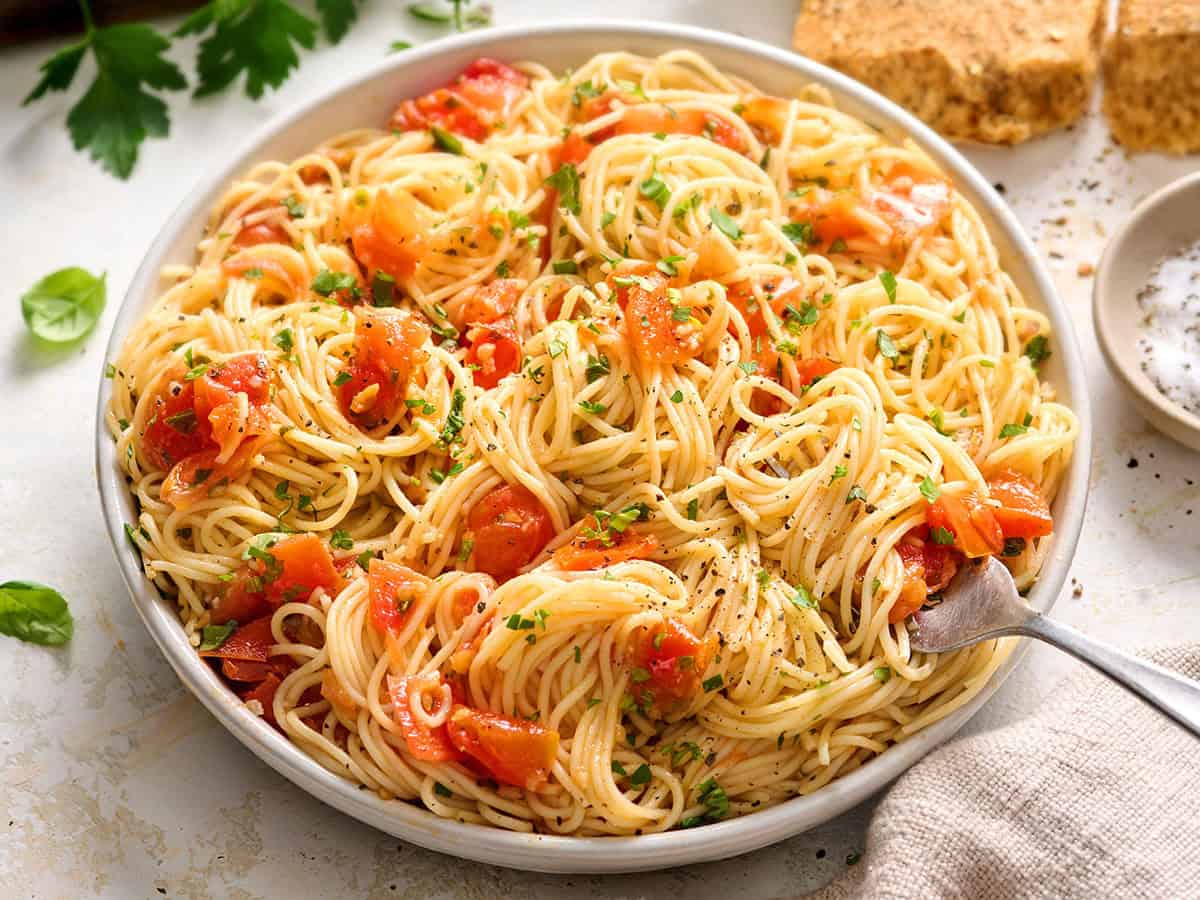
The components of Pasta al Pomodoro carry a rich lineage that reflects the socioeconomic shifts of the Mediterranean region over several centuries. While the term "pomodoro" translates literally to "tomato" in Italian, the integration of this fruit into the Italian diet was a gradual process. Following the Columbian Exchange, tomatoes were initially viewed with suspicion in Europe, often relegated to ornamental use due to their membership in the nightshade family. It was not until the late 18th and early 19th centuries in Naples that tomato-based sauces became a documented staple of the working-class diet.
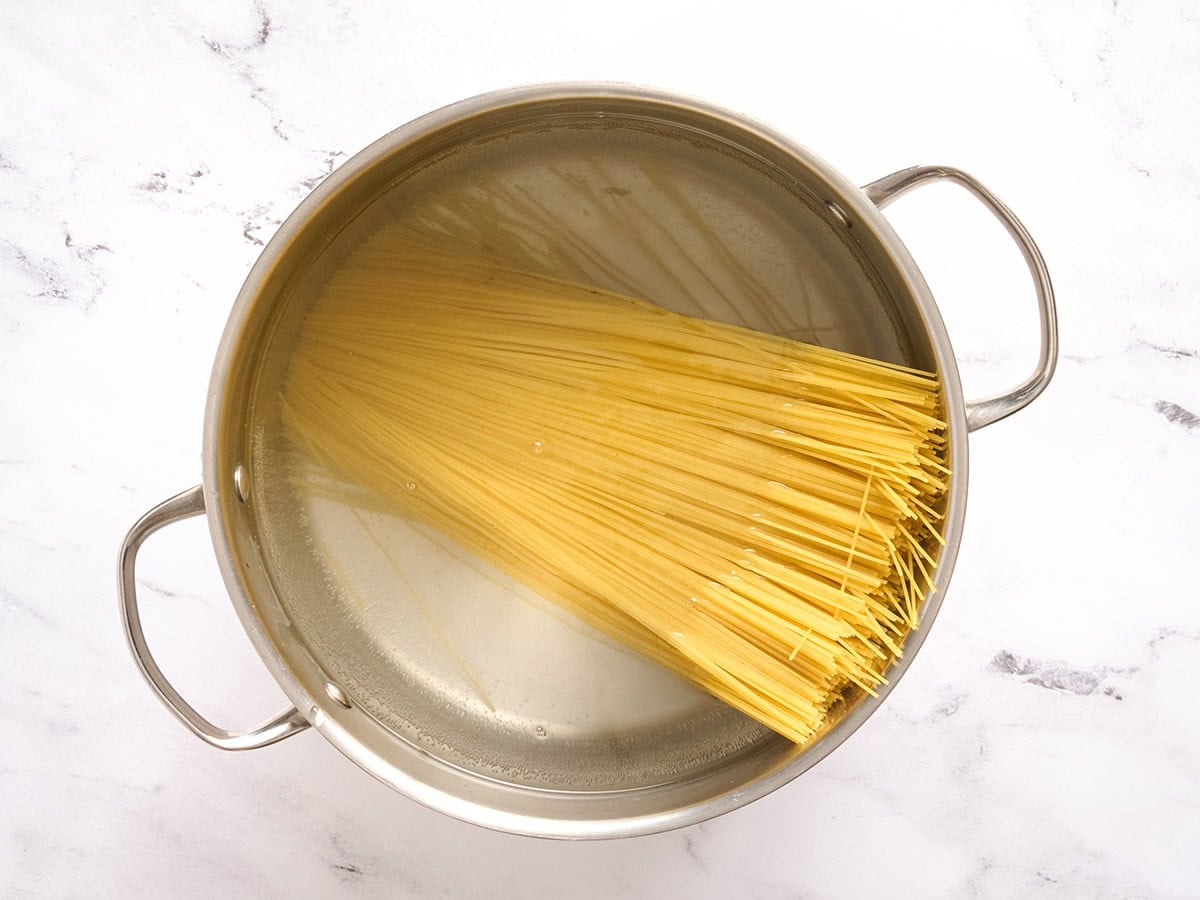
Angel hair pasta, or capelli d’angelo, predates the widespread adoption of the tomato. Historical records suggest that these exceptionally thin strands were being produced as early as the 14th century. Unlike thicker varieties such as spaghetti or fettuccine, angel hair was prized for its delicate texture and its ability to cook in a fraction of the time required by other shapes. In the hierarchy of Italian pasta, capelli d’angelo was often associated with lightness and elegance, yet its rapid cooking time—frequently cited as 120 seconds in boiling water—makes it an ideal candidate for high-efficiency meal preparation in the modern era.
Technical Analysis of Ingredients and Preparation
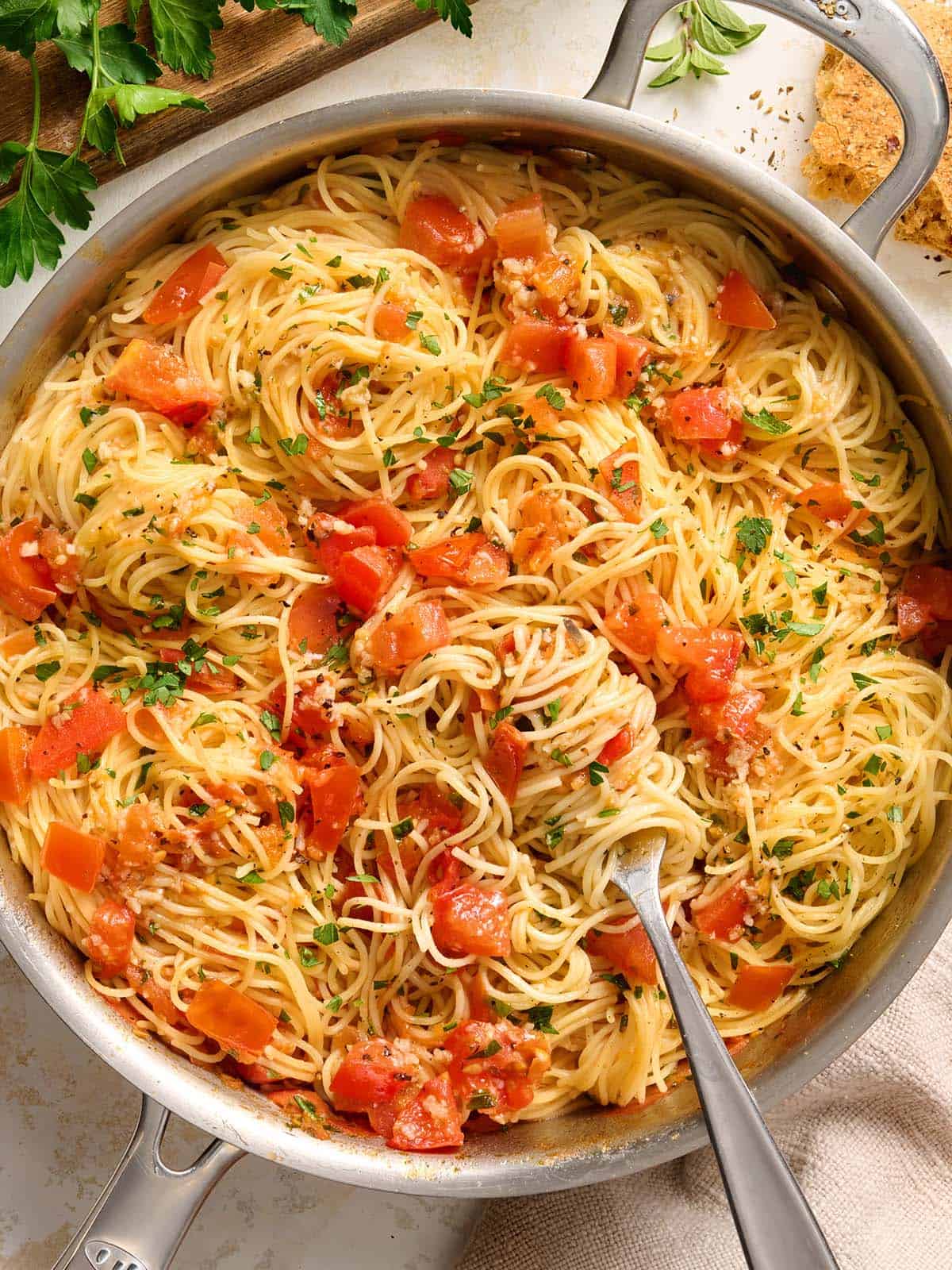
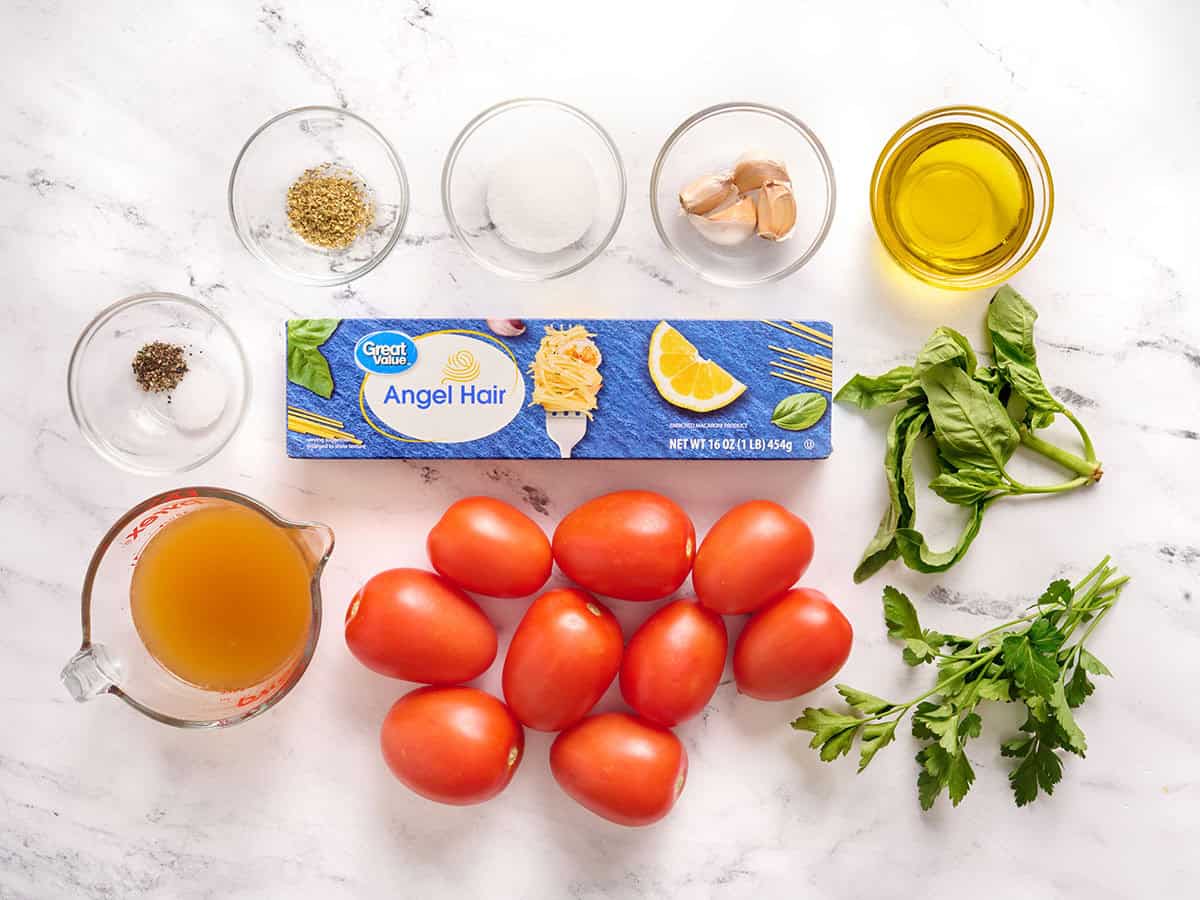
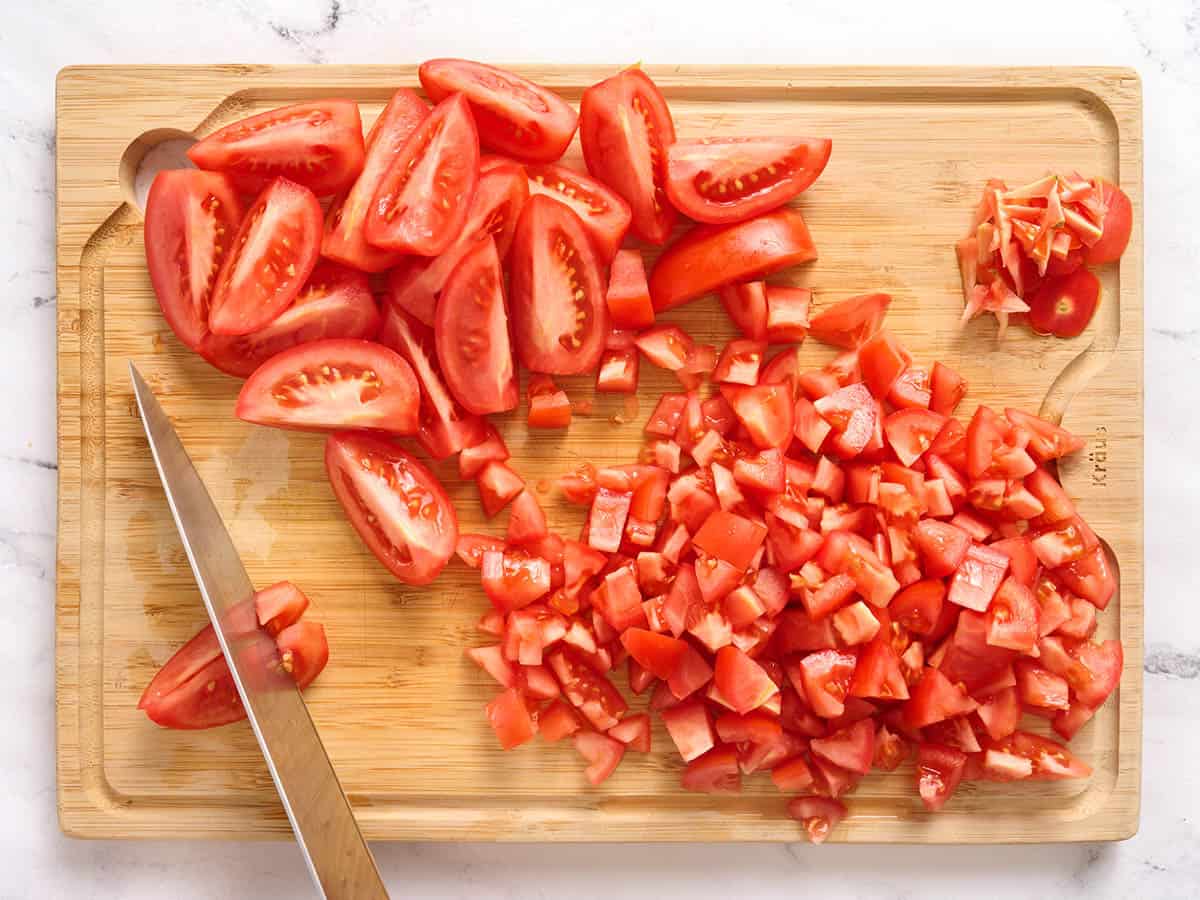
The success of the Pomodoro sauce relies on a specific chemical and culinary balance between acidity, fat, and aromatics. The use of Roma tomatoes is a deliberate choice based on their physical properties. Romas, or plum tomatoes, possess a lower moisture content and fewer seed pockets compared to beefsteak or heirloom varieties. This structural integrity allows for a sauce that is substantial without requiring the prolonged reduction times associated with heavier ragùs.
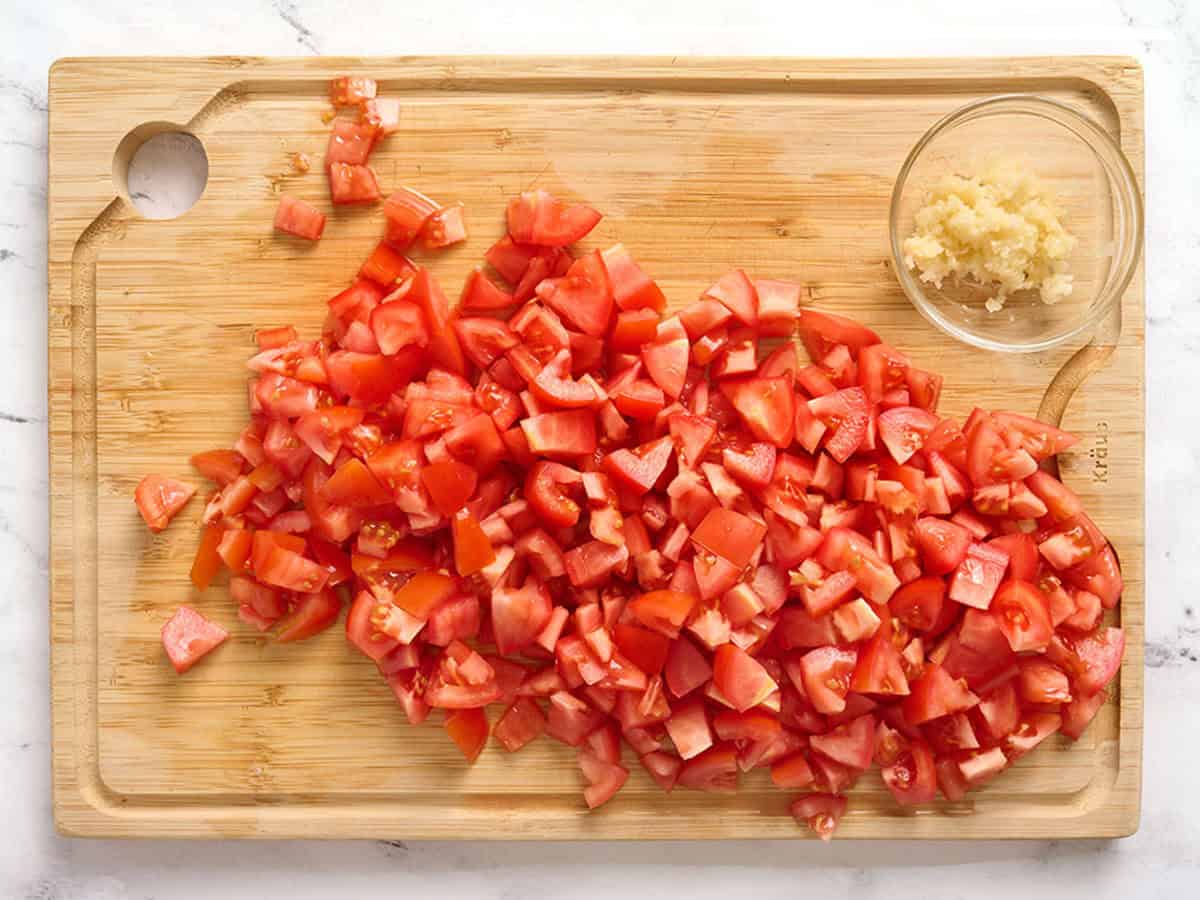
In the standardized preparation methodology developed by culinary experts such as Jess Rice, a former Chef Professor at Niagara College, the process begins with the infusion of olive oil with minced garlic and dried oregano. This step, conducted over medium-low heat for approximately two minutes, serves to extract fat-soluble compounds from the aromatics without inducing the bitterness associated with browning or burning.
The subsequent addition of diced Roma tomatoes introduces natural sugars and acids. The inclusion of the tomato juices and seeds is essential for flavor depth, while the addition of a concentrated vegetable bouillon—specifically the "Better Than Bouillon" brand in test kitchen environments—serves as an economic alternative to pre-packaged liquid broths. This approach reduces the cost per serving while allowing the cook to control the sodium and flavor concentration.
Quantitative Nutritional and Economic Data
A rigorous analysis of the Angel Hair Pasta Pomodoro recipe reveals a nutritional profile that balances caloric density with affordability. According to standardized testing, a single 1.5-cup serving provides the following:
- Calories: 288 kcal (14% of the recommended daily value)
- Carbohydrates: 46g (15% DV)
- Protein: 8g (16% DV)
- Fat: 8g (12% DV)
- Sodium: 1176mg (51% DV)
- Fiber: 3g (13% DV)
The economic efficiency of the dish is its most striking feature. At $0.65 per serving, the dish significantly undercuts the average cost of a commercially prepared "fast casual" meal, which currently ranges between $12.00 and $18.00 in the United States. Furthermore, the total recipe cost of $5.21 falls well within the "Thrifty Food Plan" guidelines established by the USDA for low-income household budgeting.
The use of "Better Than Bouillon" is a key factor in this cost-suppression strategy. One teaspoon of bouillon combined with one cup of water replaces a standard 8-ounce can of broth, which can cost up to three times more per ounce. This highlights a broader trend in "budget-conscious" cooking where concentrated bases are preferred over diluted, shelf-stable liquids.
Expert Perspectives and Professional Commentary
Chef Jess Rice, whose background includes tenure as a professor in Canadian wine country and as a restaurateur in Nashville, notes that the simplicity of the dish is its greatest asset. "Angel hair pasta pomodoro is a go-to for those evenings when the labor of cooking feels prohibitive," Rice states. Her professional transition from teaching classic culinary techniques to developing accessible recipes for the general public reflects a shift in the industry toward "democratized gastronomy."
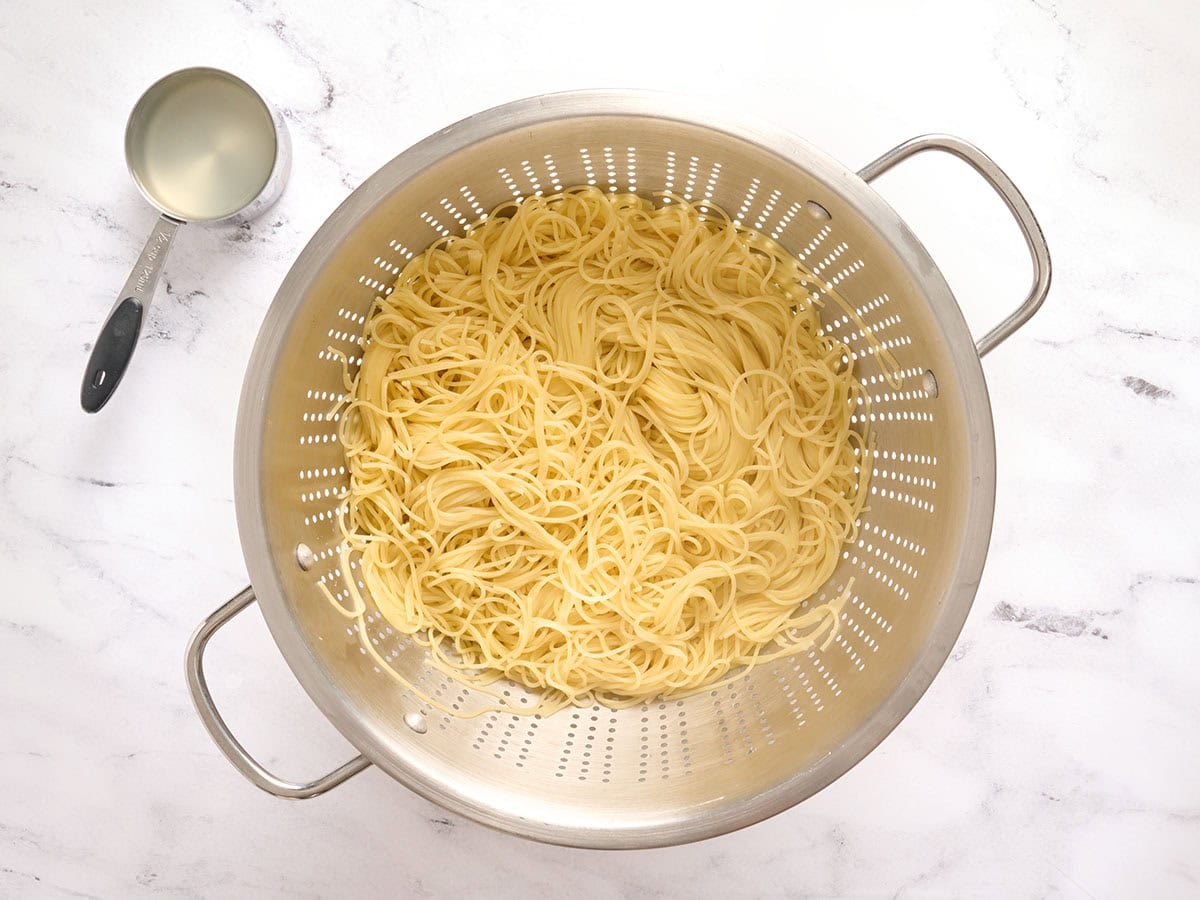
Rice emphasizes that the "freshness" of the pomodoro sauce is a departure from the heavy, long-simmered marinara sauces often found in jarred varieties. The quick-sauté method preserves the "bright" and "vibrant" notes of the tomato, which are often lost during high-heat commercial canning processes. From a technical standpoint, the reservation of a half-cup of pasta cooking water—a liquid rich in released starches—is a critical step. This starchy water acts as an emulsifier, binding the olive oil and tomato juices to the fine strands of the angel hair, ensuring a cohesive texture without the need for dairy-based thickeners.
Broader Implications for Modern Household Management
The popularity of this dish reflects several intersecting trends in global food consumption. First, there is a growing demand for vegan and dairy-free options that do not rely on expensive meat substitutes or highly processed "vegan cheeses." The Angel Hair Pasta Pomodoro is naturally plant-based, making it an inclusive choice for diverse dietary requirements.
Second, the "two-minute" cook time of angel hair pasta addresses the "time poverty" experienced by many modern families. As work-life boundaries become increasingly blurred, the ability to produce a nutritionally complete meal in under twenty minutes is a significant factor in reducing reliance on ultra-processed convenience foods.
Finally, the dish serves as a foundational recipe for culinary education. Its reliance on basic knife skills (mincing garlic, dicing tomatoes) and heat management (sautéing vs. simmering) provides a low-stakes entry point for novice cooks. The versatility of the base—allowing for the addition of proteins like shrimp scampi or baked chicken—enables households to scale the dish according to their specific nutritional needs and budget availability.
Conclusion and Future Outlook
As the culinary landscape continues to evolve under the pressures of economic volatility and a heightened focus on sustainability, dishes like Angel Hair Pasta Pomodoro are likely to remain central to the domestic repertoire. The combination of historical significance, technical simplicity, and extreme cost-efficiency creates a robust model for modern eating.
The Nashville Test Kitchen’s findings suggest that the future of home cooking may not lie in complex, multi-stage preparations, but rather in the refinement of "peasant staples" that utilize fresh, seasonal produce and pantry essentials. By maintaining a focus on the $0.65-per-serving threshold, culinary developers are providing a vital service to a public increasingly concerned with the intersection of health, time, and financial stability. The Angel Hair Pasta Pomodoro is more than a meal; it is a testament to the enduring utility of Italian culinary logic in a globalized, fast-paced world.
