

The global consumer market is witnessing a significant shift toward hyper-specialized utility, adaptive design, and ethically sourced craftsmanship, as evidenced by the latest trends in holiday retail and lifestyle curation. This evolution reflects a broader societal movement toward intentional consumption, where purchasers prioritize products that solve specific physiological challenges, support environmental sustainability, or offer high-precision analog experiences in an increasingly digital world. From the integration of patented hands-free technology in footwear to the resurgence of legacy writing implements, the current landscape of high-end consumer goods is defined by a convergence of form, function, and specialized accessibility.

The Rise of Adaptive Design and Universal Accessibility
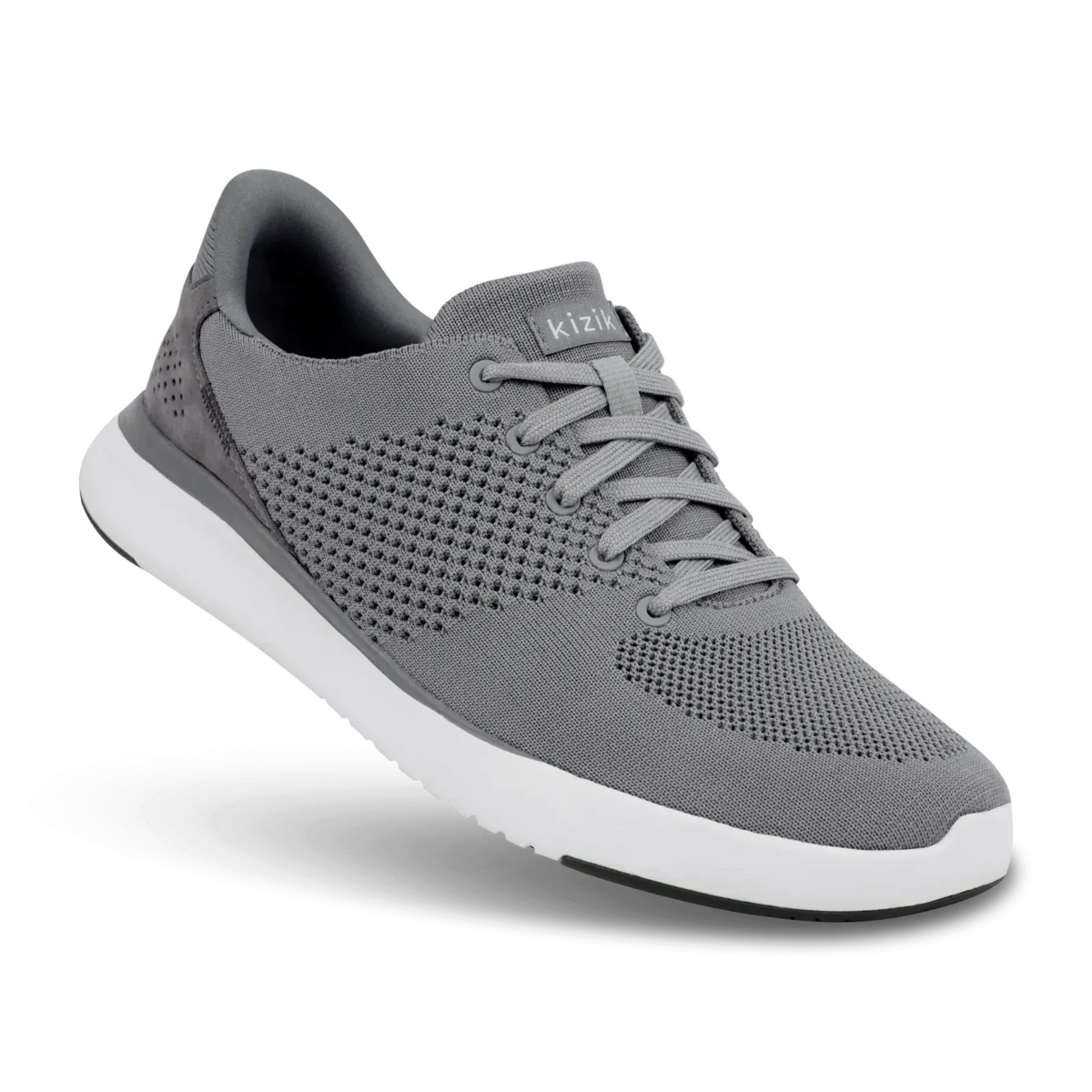
A primary driver in the modern lifestyle sector is the advancement of "universal design"—the creation of products usable by all people, to the greatest extent possible, without the need for adaptation or specialized design. In the footwear industry, this is most prominently seen in the growth of hands-free technology. Kizik, a leader in this segment, utilizes patented aerospace-grade titanium alloys and specialized heel-rebound technology that allows users to step into shoes without using their hands.

Market data indicates that the adaptive clothing and footwear market is projected to reach approximately $400 billion globally by 2026. This growth is fueled not only by aging populations but also by consumers with chronic illnesses, such as spinal cerebrospinal fluid (CSF) leaks or mast cell activation syndromes, who require ergonomic solutions that minimize physical strain. The success of models like the Kizik Lima and the newly introduced Chelsea boots highlights a demand for products that bridge the gap between medical necessity and mainstream fashion.

Similarly, the culinary tool market is adapting to ergonomic requirements. Professional-grade cutlery, historically characterized by heavy, forged-steel construction, is being challenged by lightweight Japanese alternatives. Nakano Knives, for example, has gained traction by offering high-carbon steel chef’s knives weighing as little as 185 grams. This reduction in mass is critical for users managing chronic pain or neurological conditions that limit grip strength and lifting capacity, representing a shift in the professional kitchenware industry toward user-specific physical optimization.
The Resurgence of Legacy Analog Tools and High-Precision Stationery
Despite the ubiquity of digital note-taking, the premium stationery market has experienced a robust revival. The history of the Blackwing 602 pencil serves as a definitive case study in consumer-led brand resurrection. Originally introduced by the Eberhard Faber Pencil Company in the 1930s, the Blackwing became the preferred tool for cultural icons ranging from John Steinbeck to Looney Tunes creator Chuck Jones.

The product was discontinued in 1998 following a series of corporate acquisitions, leading to a secondary market where individual pencils sold for upwards of $40 to devotees. In 2010, the California Cedar Products Company utilized its access to high-quality incense-cedar and Japanese graphite to relaunch the brand. This revival tapped into a growing "analog movement" among professionals seeking to reduce digital fatigue.

Market analysis suggests that the "luxury" pencil segment thrives on the tactile feedback and modularity of the tools—specifically the Blackwing’s unique rectangular, replaceable eraser system. This trend extends to specialized notebooks, such as those produced by Joytop, which prioritize seam integrity and paper texture. Industry reports from the Writing Instrument Manufacturers Association (WIMA) confirm that while basic pencil sales remain steady, the "boutique" and "artist-grade" segments have seen a 5% to 7% year-over-year increase in revenue as consumers treat high-quality stationery as a functional luxury.

Specialized Logistics for Health-Conscious and Medical Travel
The intersection of tourism and dietary health has created a niche for specialized communication tools. Celiac disease, which affects approximately 1% of the global population, presents a significant barrier to international travel. In response, a specialized market for "gluten-free translation cards" has emerged.

Unlike generic translation apps, these professional-grade cards—such as those developed through the Legal Nomads project—undergo multi-stage translation processes involving medical professionals familiar with cross-contact protocols and local ingredient nuances. With over 12,000 units sold across 15 languages, including recent expansions into Bahasa Indonesia and Croatian, these tools represent a critical development in medical travel logistics.

Furthermore, the gamification of the travel experience has seen a shift toward physical media. The "Trip Chaser" card game, developed by travel industry veterans Dalene and Pete Heck, exemplifies the trend of "educational entertainment." By simulating the complexities of international bartering and destination logistics, such products cater to a demographic that values travel literacy. Retail performance for these niche games has been strong, with frequent stock shortages in North American markets indicating a high demand for travel-themed social activities that do not require digital interfaces.

Sustainability and Ethical Standards in Luxury Aquaculture
The jewelry sector is increasingly scrutinized for its environmental footprint, leading to a rise in "transparent luxury." Kamoka Pearls, operating out of the Ahe Atoll in French Polynesia, has set a global benchmark for sustainable aquaculture. The farm utilizes solar and wind energy to power its operations and adheres to strict ecological protocols that have been shown to actually increase local fish populations.

According to a study conducted in collaboration with National Geographic, the nutrient-rich environment of sustainably managed pearl lagoons supports biodiversity rather than depleting it. This has allowed for the development of innovative products like the Mana Bracelet, which utilizes kangaroo leather—documented as the strongest leather by weight—to create durable, water-resistant jewelry for active consumers. This shift toward "adventure-proof" luxury reflects a consumer base that demands both aesthetic value and environmental accountability.

Therapeutic Technology and the Decentralization of Wellness
The healthcare sector is seeing a rapid move toward "home-based clinical technology." Red light therapy (RLT), or photobiomodulation, is a prominent example of this transition. Devices like the FlexBeam, a portable LED red light system, are designed to deliver specific wavelengths (typically between 600nm and 900nm) to stimulate cellular repair and mitigate nerve pain.

For consumers with complex medical profiles, such as mast cell disorders, the ability to control light intensity and wavelength is paramount. Clinical data suggests that while low-wavelength light can sometimes trigger histaminic responses, higher-wavelength near-infrared light can penetrate deeper tissues to reduce inflammation without disrupting surface-level mast cells. The global light therapy market is projected to grow at a CAGR of 5.1% through 2030, driven by the increasing availability of medical-grade portable devices that allow patients to manage chronic pain outside of clinical settings.

The Psychological Impact of Whimsical Art and Satirical Branding
In the contemporary art market, there is a notable trend toward "relatable distress"—art that acknowledges the complexities and frustrations of modern life through humor. Bird-themed art, specifically the "Birdstrips" series by illustrator Jess and the "Effin Birds" collection by Aaron Reynolds, has achieved significant commercial success by juxtaposing vintage ornithological aesthetics with existential commentary and profanity.

This sub-genre of retail therapy addresses a psychological need for catharsis. The "Fowl Language" 1000-piece puzzle and "Shitmas" seasonal collections cater to a demographic that rejects traditional, idealized holiday imagery in favor of authenticity. This market segment demonstrates that niche internet subcultures can successfully transition into high-volume retail through platforms like Instagram, where "Birdstrips" and similar creators have amassed hundreds of thousands of followers.

Impact and Future Implications
The diversification of the holiday gift market into these specialized categories indicates a permanent change in consumer behavior. Shoppers are no longer satisfied with generic "travel" or "lifestyle" products; they are seeking items that align with their specific physical needs, ethical values, and aesthetic sensibilities.

The success of small-scale artisans, such as the husband-and-wife team behind Sadie and June’s hand-embroidered maps or Kelsea’s knitted cacti, underscores the "maker economy’s" ability to compete with mass-market retailers by offering personalization and nostalgia. These "heart maps," which connect disparate geographic locations via embroidered thread, tap into the deep-seated human need for connection in an era of high mobility.

As we move into 2025, the retail industry is expected to further integrate these themes of accessibility, sustainability, and specialized health utility. The convergence of medical-grade technology with consumer lifestyle products is not merely a holiday trend but a fundamental restructuring of how products are designed, marketed, and consumed in a more inclusive and conscientious global economy. Professional analysts suggest that companies failing to adopt these "human-centric" design principles will likely lose market share to agile, niche-focused brands that prioritize the specific lived experiences of their customers.
