

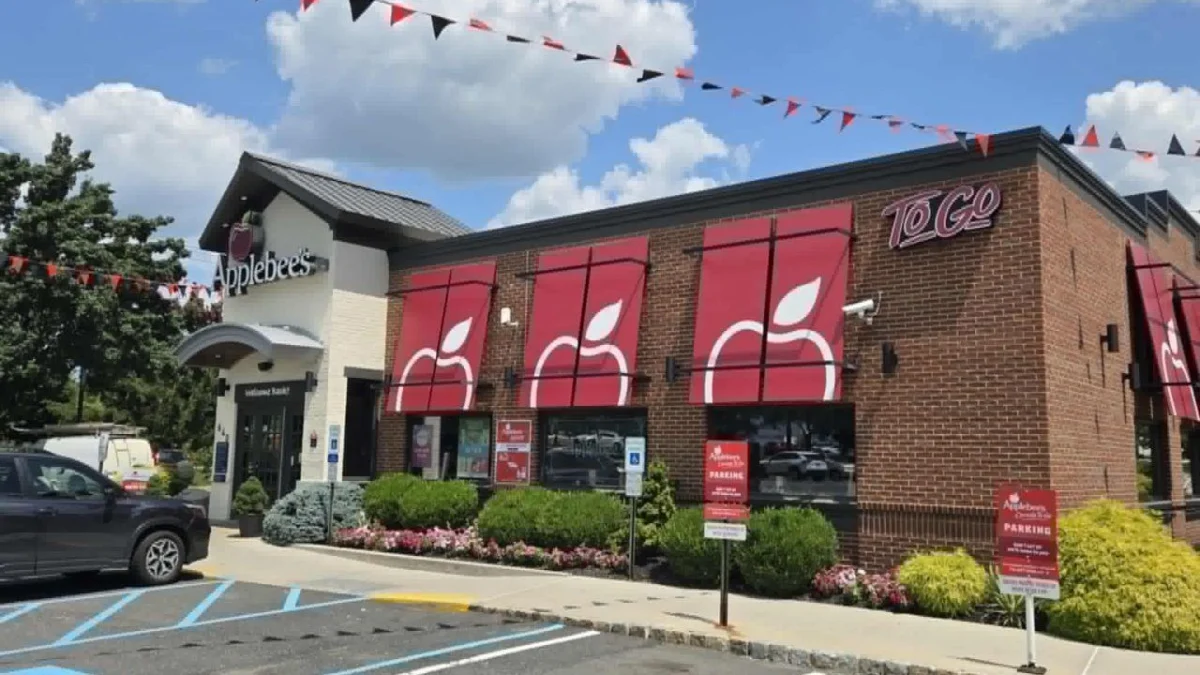
In a significant strategic realignment, Applebee’s is fundamentally altering its advertising playbook for 2026, allocating a larger portion of its marketing budget to digital and social media channels than to traditional television advertising for the first time in the casual dining chain’s history. This watershed moment for the brand, a long-time proponent of broadcast media, signifies a proactive adaptation to evolving consumer media consumption habits and a strategic response to the dynamic landscape of the restaurant industry. The shift, detailed by John Peyton, CEO of parent company Dine Brands and president of Applebee’s, during the UBS Global Consumer and Retail Conference, underscores a broader industry trend towards digitally-native engagement, particularly among demographic segments that drive restaurant traffic.
The decision to reallocate marketing resources is intrinsically linked to a concurrent strategy of reducing the overall number of promotional periods throughout the year. Historically, Applebee’s executed between 10 and 12 distinct promotional campaigns annually. Under the new model, the chain is streamlining its promotional calendar to focus on four to five key periods. Peyton articulated that this concentrated approach is more effective for a brand like Applebee’s, whose customer base does not exhibit the same high frequency of visits as quick-service restaurants (QSRs) or coffee-focused concepts. This strategic recalibration acknowledges that consumers in the casual dining sector often make dining decisions less spontaneously and require more sustained, targeted engagement.
"Television still moves the market in this category," Peyton stated at the conference, acknowledging the enduring power of broadcast media. However, he quickly qualified this by emphasizing the perceived strategic advantage of the evolving media mix: "but we think that (digital and social) mix makes sense for us." This statement reflects a nuanced understanding that while television remains a powerful tool for broad reach, the targeted precision and engagement capabilities of digital platforms offer a more efficient and effective means of connecting with specific consumer segments and driving measurable results.
The dual objectives driving this marketing pivot are clear: to ensure that new product introductions are given paramount focus in any television advertising that remains, and to capitalize on the considerable brand equity generated by the highly successful "Date Night Pass" promotion. This pass, introduced a few years prior, proved to be an unprecedented success, with Peyton proudly claiming that it "broke the internet." The initial launch in 2024 saw the limited-edition Date Night Pass sell out within a mere minute, a testament to its viral appeal and the pent-up demand for innovative, experience-driven offers.
The Resounding Success of the Date Night Pass and its Evolution
The genesis of the Date Night Pass can be traced back to a strategic initiative by Applebee’s to foster deeper customer loyalty beyond traditional point-accumulation programs. In 2024, the chain launched the first iteration of the Date Night Pass, a limited-time offer that provided a set number of dine-in meals for couples at a fixed price. The overwhelming consumer response validated the concept, generating significant buzz and driving immediate traffic to participating locations. The rapid sell-out not only demonstrated pent-up demand but also provided invaluable data on customer engagement with unique, experience-focused promotions.
Building on this initial success, the 2025 iteration of the Date Night Pass incorporated a crucial element: linkage to the "Club Applebee’s" loyalty program. This strategic integration served a dual purpose. Firstly, it incentivized customers to join or engage with the existing loyalty program, thereby expanding the direct communication channel with consumers. Secondly, it created an element of exclusivity, rewarding existing members and further solidifying their connection to the brand. This approach proved highly effective, with the campaign contributing to the acquisition of an impressive 300,000 new members for Club Applebee’s.
The success of the Date Night Pass has prompted Applebee’s to explore its potential for further expansion. Peyton indicated that the brand is actively considering extending the concept to include other variations, such as a "family pass" or a "holiday pass." These potential offerings suggest a strategy of leveraging the successful pass model to create recurring opportunities for customer engagement throughout the year, tailored to different occasions and consumer needs. This ongoing innovation in promotional strategy is crucial for a casual dining brand that, by its nature, experiences lower visit frequency compared to faster service models.
Rethinking Loyalty in the Casual Dining Sector
The strategic emphasis on programs like the Date Night Pass stems from a broader reevaluation of how loyalty is cultivated within the casual dining sector, a segment characterized by inherently lower customer visit frequency than QSR or fast-casual counterparts. Peyton articulated this challenge directly: "We can see extending the Date Night Pass. There are other passes – family pass, holiday pass – that’s going to be part of our marketing. He added that Applebee’s has to think about loyalty differently than much of the industry because casual dining generates less frequency."
This necessitates a departure from traditional loyalty models that rely heavily on accumulating points or frequent visits. Instead, Applebee’s is exploring innovative approaches to "engender loyalty in a way that doesn’t allow you to accumulate points," as Peyton stated. This involves focusing on creating memorable experiences, offering unique value propositions, and building emotional connections with consumers that transcend transactional relationships.
One of the primary pillars of this loyalty-building strategy is a more robust innovation pipeline. Historically, Applebee’s has been perceived as less consistently innovative. However, since 2024, the company has made a concerted effort to rectify this, investing in the development of a significantly expanded product portfolio. This includes detailed plans for new entrées and appetizers projected to roll out over the next eight quarters, ensuring a steady stream of fresh offerings to entice diners and provide reasons for repeat visits. This commitment to menu innovation is critical for maintaining relevance and excitement in a competitive market.
Enhancing Off-Premises Growth and Customer Convenience
Beyond in-restaurant experiences and menu innovation, Applebee’s is also strategically bolstering its off-premises channels, which now represent a substantial 23% of total sales – a significant increase of over 6% compared to the previous year. This growth trajectory is attributed, in part, to the brand’s decision to implement nationally advertised promotions for its off-premises offerings for the first time.
"That was a bit of a no-brainer," Peyton remarked, highlighting the immediate positive impact of this decision. "Once we started to do that, it made a difference." The company has also adopted a more data-driven and purposeful approach to managing its off-premises business, leveraging classic analytics and A/B testing to optimize performance. This analytical rigor, coupled with a commitment to continuous improvement, suggests a belief that further upside potential exists within this crucial segment.
A significant implication of this off-premises expansion, according to Peyton, is its ability to "level the playing field for consumers’ consideration sets." In the past, casual dining options like Applebee’s may not have been the first choice for consumers seeking convenience. However, the enhanced off-premises capabilities have shifted this perception. "It’s competitive with QSR and fast casual because we weren’t necessarily considered a convenient buy right before the pandemic, but now 20% of our guests view us as equally convenient," Peyton observed. This increased perception of convenience is a powerful driver of customer choice, particularly for households balancing busy schedules.
Redefining Value in the Modern Dining Landscape
Another critical tactic Applebee’s is employing to foster customer loyalty revolves around its value platform. However, the company acknowledges that the definition of "value" has evolved significantly. Today’s diners are seeking a more holistic understanding of value, encompassing not just price but also portion sizes, the overall dining experience, and the intangible "vibe" of the establishment.
"Guests are looking for all of that right now," Peyton stated, emphasizing the heightened importance of the in-restaurant experience. "When you talk to diners, the experience in the restaurant is super important and shows up in a much more significant way than in the past." This holistic view of value means that Applebee’s must deliver on multiple fronts to meet customer expectations.
The chain made strategic adjustments to its value offerings in the preceding year, which contributed to an uplift in both sales and traffic. Currently, approximately 30% of Applebee’s transactions include value items. While the company does not have a specific target for the proportion of sales derived from value offerings, it intends to maintain its current strategy. This approach is guided by a guest-centric philosophy: "Value is driven by our guests, so if the guests are coming to us and they’re choosing from that portion of our menu, and that’s what they need right now, we’re fine with that, because the value portion of our menus are profitable," Peyton explained.
The profitability of these value offerings is further enhanced by strategic upselling opportunities. Peyton elaborated on how these value platforms are designed in partnership with franchisees, allowing for add-ons such as steak for an additional $2 or other premium options for $3. This integrated approach ensures that value-focused meals remain profitable while still catering to customer demand for affordability.
Implications and Future Outlook
Applebee’s strategic pivot signals a critical understanding of the evolving media consumption habits of its target audience and a proactive approach to adapting its marketing and loyalty strategies. By shifting resources towards digital and social channels, the brand aims to achieve more precise targeting, enhanced engagement, and a greater return on investment. The streamlining of promotional periods suggests a move towards more impactful, less frequent campaigns that can generate significant buzz and drive measurable results.
The continued emphasis on innovative loyalty programs like the Date Night Pass, alongside a robust menu innovation pipeline and a strengthened off-premises business, positions Applebee’s to better compete in the modern restaurant landscape. The redefinition of value to encompass the entire dining experience, from price to ambiance, reflects a keen awareness of current consumer priorities.
As Applebee’s navigates this new marketing paradigm, the success of these initiatives will be closely watched by the broader casual dining industry. The ability to effectively engage consumers across multiple touchpoints, foster genuine loyalty, and adapt to changing definitions of value will be crucial determinants of the brand’s future growth and market position. The data-driven approach and strategic focus on innovation indicate a commitment to sustained relevance and a forward-looking vision for the iconic casual dining chain.
