

The landscape of holiday consumerism has undergone a significant transformation in recent years, shifting from a focus on mass-produced novelties toward curated selections that prioritize accessibility, sustainability, and artisanal craftsmanship. This evolution is particularly evident in the 2023-2024 holiday gift cycle, where the intersection of travel-ready utility and adaptive design has created a new niche for consumers. As the global travel market continues its post-pandemic recovery—with international arrivals expected to reach 1.3 billion by the end of the year—the demand for products that facilitate ease of movement and daily comfort has intensified.

The Rise of Adaptive Fashion and Hands-Free Technology
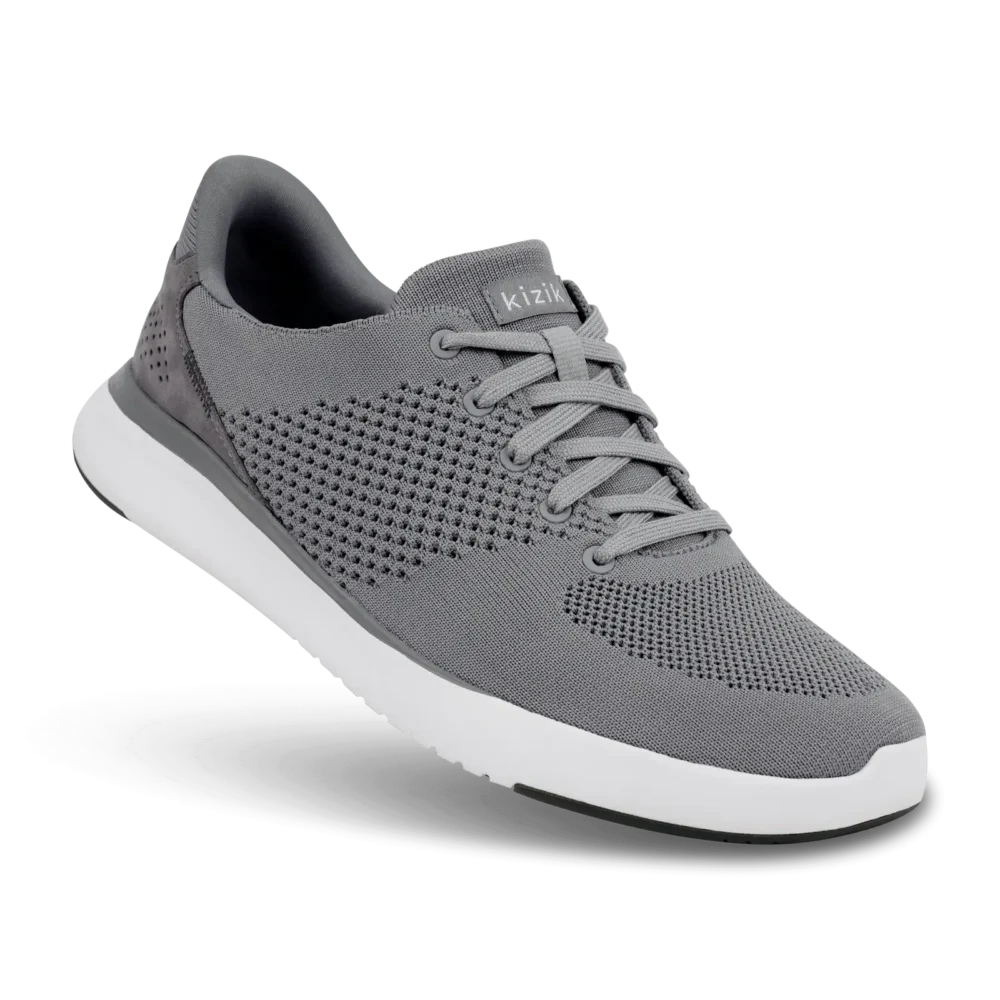
A cornerstone of the modern gift market is the integration of adaptive technology into everyday apparel. Kizik, a footwear company that has garnered significant attention for its patented "step-in" technology, represents a major shift in the footwear industry. Originally founded to assist those with limited mobility, the brand has expanded into the mainstream market, appealing to a broad demographic including pregnant women, seniors, and travelers seeking efficiency during airport security screenings.

The technical specifications of the Kizik models, such as the Lima and the now-discontinued Cairo, feature a titanium arc in the heel that allows the shoe to collapse and rebound without the need for manual adjustment or the use of hands. Market data indicates that the adaptive clothing market is projected to reach $400 billion globally by 2026, driven by an aging population and an increasing societal focus on inclusive design. For travelers dealing with chronic conditions—such as spinal cerebrospinal fluid (CSF) leaks or other mobility-restricting ailments—these advancements represent a critical improvement in quality of life.

The Resurgence of Heritage Stationery and Analog Tools
While digital tools dominate the professional landscape, there is a documented "analog resurgence" within the creative sectors. The Blackwing 602 pencil serves as a primary case study for this trend. Originally manufactured by the Eberhard Faber Pencil Company from the 1930s until 1998, the Blackwing became a "cult classic" used by literary icons such as John Steinbeck and animators like Chuck Jones.
Following its discontinuation, individual pencils were reportedly sold on secondary markets for upwards of $40. In 2010, the California Cedar Products Company revived the brand, utilizing California incense-cedar and high-quality Japanese graphite. The current market for premium stationery is bolstered by a consumer desire for tactile experiences and "slow living" practices. The Blackwing 602’s rectangular, replaceable eraser and ergonomic grip continue to make it a preferred tool for writers and artists who prioritize precision over digital convenience.

Complementing this trend is the rise of boutique notebooks, such as those produced by Joytop. These items prioritize paper weight, seam durability, and aesthetic covers, catering to a market that values the physical act of journaling as a form of mental health maintenance.

Culinary Diplomacy and the Expansion of Accessible Travel Tools
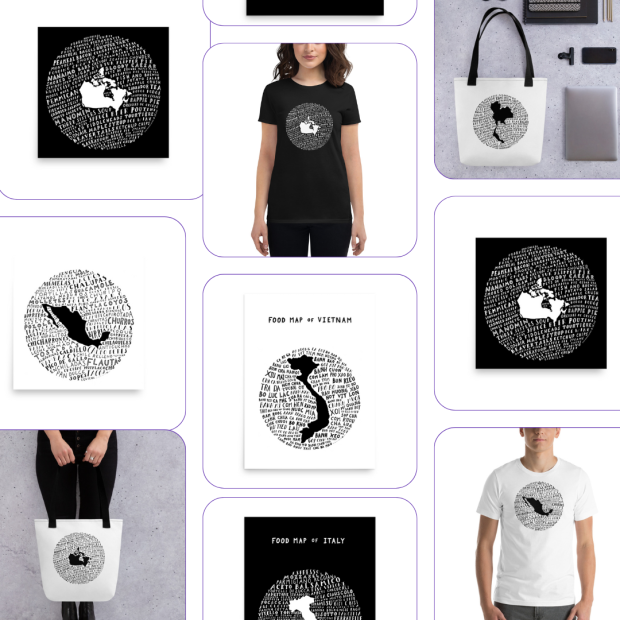
The globalization of the culinary arts has birthed a unique market for "food maps" and specialized travel aids. Legal Nomads, a platform known for its focus on the intersection of food and culture, has introduced a series of hand-drawn food maps featuring the cuisines of Canada, Vietnam, Portugal, Thailand, Japan, Italy, and Mexico. These maps serve both as educational tools and interior design elements, reflecting a broader consumer interest in "culinary tourism," which is currently one of the fastest-growing segments of the travel industry.

For travelers with dietary restrictions, the logistical challenges of international dining remain significant. The Celiac Disease Foundation notes that approximately 1 in 100 people worldwide are affected by celiac disease, yet many international destinations lack standardized labeling for gluten-free products. The development of professional-grade gluten-free translation cards—available in over 15 languages including Bahasa Indonesia, Croatian, and Swedish—addresses this gap. These cards are vetted by native speakers and medical professionals to ensure that nuances regarding cross-contamination and local ingredient names are accurately communicated, thereby reducing the medical risks associated with international travel for the immunocompromised.

Ergonomic Kitchenware and the Science of Weight Distribution
The demand for ergonomic kitchen tools has seen a sharp increase as consumers seek to maintain independence in the home despite physical limitations. Nakano Knives, a Japanese cutlery brand, has addressed this need through the development of lightweight chef’s knives. The "classic chef knife" model, weighing approximately 185 grams (6.5 oz), is designed to provide the cutting power of traditional high-carbon steel without the wrist strain associated with heavier European-style blades.

The science of ergonomics in the kitchen focuses on reducing repetitive strain injuries (RSIs) and accommodating users with nerve pain or reduced grip strength. By utilizing high-quality materials that maintain sharpness for longer periods, these tools require less downward pressure during use, making them an essential recommendation for those managing chronic pain or spinal injuries.

Sustainable Luxury and Ethical Pearl Farming
In the jewelry sector, the focus has shifted toward transparency and environmental stewardship. Kamoka Pearls, based in the Ahe Atoll of French Polynesia, has emerged as a leader in sustainable aquaculture. Unlike traditional pearl farming, which can sometimes disrupt local ecosystems, Kamoka utilizes solar and wind power and employs farming methods that have been shown to increase local fish populations.

A study featured in National Geographic highlighted that the nutrient-rich lagoons managed by Kamoka act as protected habitats for marine life. Their product line, including the "Mana Bracelet"—crafted with kangaroo leather for durability—caters to "active luxury" consumers who require jewelry that can withstand the rigors of surfing, hiking, and travel while adhering to ethical production standards.

The Intersection of Art, Humor, and Mental Health
The holiday season often brings a surge in the "whimsical" gift market, which utilizes humor to address complex emotions. Brands like Effin Birds and Birdstrips have built massive followings by combining ornithological illustrations with existential commentary and profanity. This "subversive" art movement reflects a societal trend toward "authentic expression" and the de-stigmatization of mental health struggles.

Similarly, the puzzle market—which saw a 300% increase in sales during the 2020 lockdowns—remains a staple of the holiday season. The "Fowl Language" puzzle from Uncommon Goods exemplifies the fusion of high-quality printing with adult-oriented humor, providing a low-tech entertainment option for the winter months.

Advancements in At-Home Wellness Technology
One of the most significant developments in the 2023 gift guide is the inclusion of medical-grade wellness technology for home use. Red light therapy (photobiomodulation) has moved from clinical settings into portable consumer devices. The FlexBeam, a device developed in Norway and manufactured in Thailand, utilizes specific wavelengths of red and near-infrared light to stimulate mitochondrial function and alleviate nerve pain.

Research suggests that red light therapy can be particularly effective for individuals with Mast Cell Activation Syndrome (MCAS) or chronic inflammatory conditions, provided the wavelengths are carefully modulated. As the "biohacking" movement goes mainstream, devices that offer targeted pain relief without the use of pharmaceuticals are becoming increasingly popular among travelers and those with chronic illnesses.

Artisanal Craftsmanship and Local Economies
The guide concludes with a focus on small-scale artisans who utilize traditional techniques to capture personal history. Sadie and June, an Ottawa-based business, specializes in hand-embroidered maps that connect two geographic locations with a physical thread. This product taps into the "nostalgia economy," where consumers seek personalized items that represent their global footprints and personal relationships.

Market analysis shows that consumers are increasingly willing to pay a premium for "story-driven" products that support local economies. By shifting away from mass-market retailers and toward platforms that support independent creators, holiday shoppers are contributing to a more resilient and diverse economic landscape.

Broader Implications and Future Outlook
The diversification of the holiday gift market reflects a more inclusive understanding of what it means to "live well." For the modern consumer, a gift is no longer just a commodity; it is a tool for accessibility, a piece of sustainable art, or a means of maintaining health and connection. As adaptive design and ethical production become the standard rather than the exception, the products highlighted in this guide represent the vanguard of a more thoughtful and functional consumer culture.

The shift toward lightweight materials, hands-free technology, and specialized dietary tools indicates that the industry is finally recognizing the "purple dollar"—the purchasing power of people with disabilities and chronic illnesses. As we move into 2024, the success of these products will likely encourage further innovation in the realms of accessible travel and inclusive home design, ensuring that the holiday season remains a time of practical support as much as celebration.
