

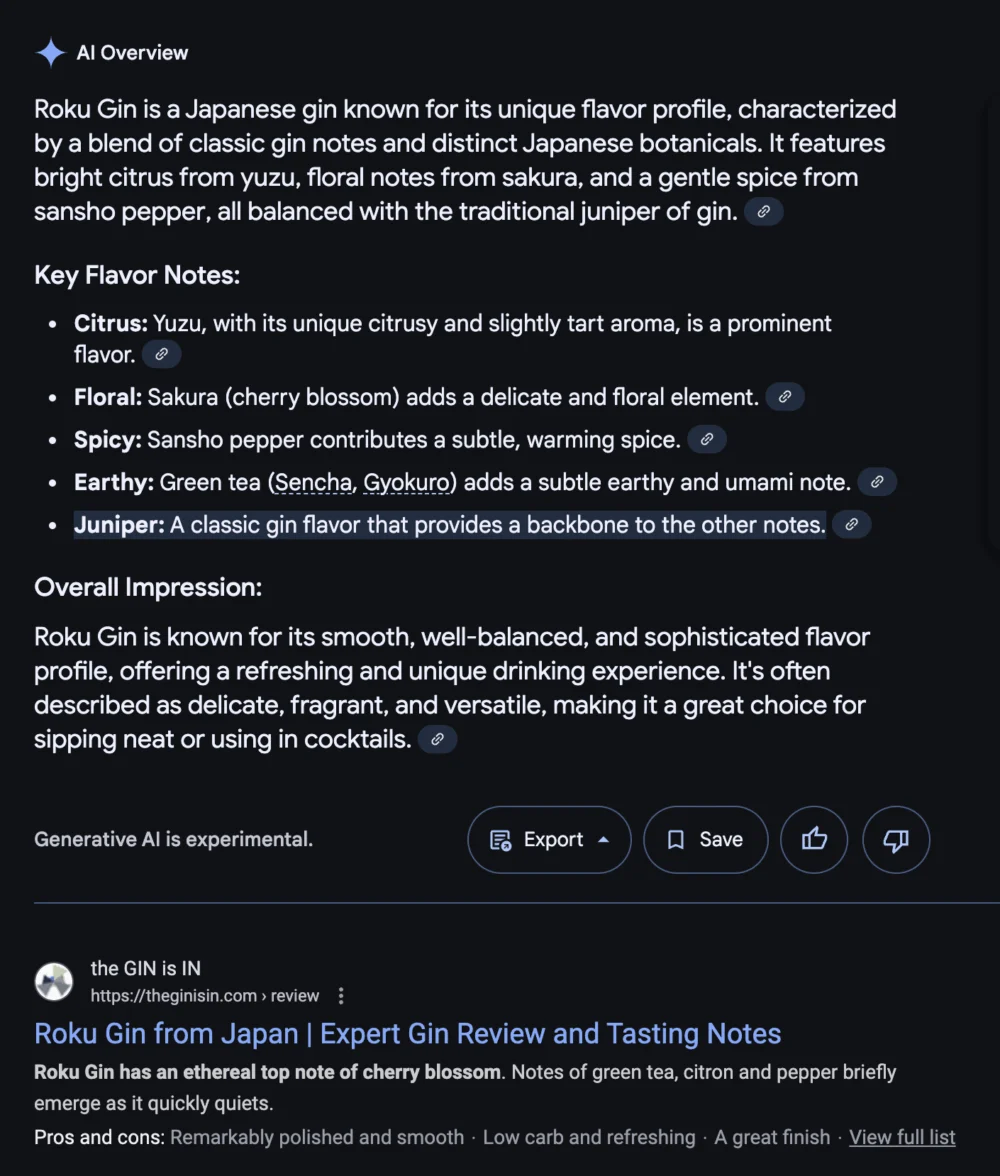
The landscape of independent digital publishing is undergoing a seismic shift as generative artificial intelligence (AI) transforms the fundamental mechanics of internet search and content consumption. For sixteen years, The GIN is IN, an independent spirits review platform founded by Aaron Knoll, has served as a primary resource for gin enthusiasts and distillers alike. However, the emergence of AI-driven summaries from platforms such as Google and OpenAI’s ChatGPT has precipitated a critical decline in organic traffic, forcing the publication to abandon traditional advertising models in favor of direct reader support. This development highlights a broader crisis facing niche journalism, where the very tools designed to organize the world’s information are increasingly accused of cannibalizing the sources that provide it.
The Evolution of Independent Spirits Journalism
Established in the late 2000s, The GIN is IN carved out a unique position in the spirits industry by maintaining a strict policy of independence. Unlike many lifestyle publications that rely on "pay-to-play" models or sponsored content, the site built its reputation on non-sponsored reviews, refusing to charge distillers for coverage or accept guest posts from brand marketers. This commitment to objectivity allowed the site to grow alongside the global "ginaissance," a period of rapid expansion in the craft gin market that saw the number of distilleries and labels proliferate worldwide.
For over a decade, the site’s business model mirrored that of many independent blogs: high-quality, niche content attracted organic search traffic, which was then monetized through display advertising. At its peak, the platform managed hosting requirements for nearly one million visitors, an expense that necessitated the use of programmatic advertising like Google Ads to defray costs. While effective for a time, the reliance on search engine optimization (SEO) and ad revenue created a vulnerability that became apparent with the advent of Large Language Models (LLMs).
The Rise of the Zero-Click Search
The primary catalyst for the current crisis in independent publishing is the transition toward "zero-click" searches. In May 2024, Google began the wide-scale rollout of AI Overviews (formerly known as Search Generative Experience), which provides synthesized answers to user queries directly at the top of the search results page. For a site like The GIN is IN, which specializes in specific product evaluations, the impact was immediate and profound.
When a user searches for a specific product review—for instance, "Roku Gin Review"—the AI now extracts the core findings, flavor profiles, and ratings from the original source and presents them in a concise summary. Consequently, the user obtains the necessary information without ever clicking through to the source website. While these AI tools often include citations or attributions, the functional result is a plummeting click-through rate (CTR). Data from the industry suggests that while a site may maintain high "impressions" (appearing in search results), the actual traffic—and the associated ad revenue—evaporates as the search engine itself becomes the final destination for the reader.
Chronology of a Digital Disruption
The trajectory of The GIN is IN serves as a case study for the broader challenges facing the "Open Web." The following timeline illustrates the shift from growth to survival:
- 2009–2015: The GIN is IN establishes itself as a leading independent voice in the craft spirits movement, relying on organic growth and community engagement.
- 2016–2022: As traffic scales to nearly one million visitors, the site adopts programmatic advertising to cover rising hosting and operational costs. The site remains a top-ranked result for thousands of gin-related queries.
- May 2023: Google announces the integration of generative AI into its search engine, signaling a move away from providing links toward providing direct answers.
- May 2024: The widespread implementation of AI summaries begins to divert traffic from niche publishers. Independent creators report significant drops in engagement despite maintaining high search rankings.
- April 2025: Aaron Knoll publicly announces a pivot in the site’s business model. Citing the "hurtful" experience of intrusive ads and the traffic-stripping nature of AI, the publication moves toward a patronage-based system via platforms like Patreon, Venmo, and Ko-Fi.
Economic Implications for Niche Publishers
The economic reality for independent sites is becoming increasingly tenable. For a publication like The GIN is IN, the cost of maintaining a public-service archive of reviews is high, yet the traditional methods of monetization are failing. Knoll has noted that while options like Substack—which allow for paywalled content—are popular, they conflict with the mission of providing a public resource for the spirits community. Furthermore, hiding reviews behind a paywall can be seen as a disservice to the distillers who provide samples for review, as it limits the audience for their products to a small circle of paying subscribers.

Industry analysts point to a "value gap" where AI companies utilize the intellectual property of writers to train their models and answer user queries, but do not share the resulting revenue with the content creators. This has led to a series of legal and ethical debates regarding "fair use." While some large media conglomerates have reached licensing agreements with AI firms, small, independent publishers lack the leverage to negotiate such deals, leaving them to rely on the generosity of their audience or face closure.
Supporting Data and Market Trends
The struggles reported by The GIN is IN are reflected in broader market data. According to studies by SEO research firms like SparkToro, more than 50% of Google searches now end without a click to a non-Google property. This trend is expected to accelerate as AI summaries become more sophisticated.
Furthermore, the "ad-lite" movement is gaining traction among readers who are fatigued by the intrusive nature of programmatic ads—pop-ups, auto-playing videos, and layout shifts—that many publishers used to compensate for falling traffic. Knoll’s decision to remove ads in favor of a cleaner user experience is a gamble that high-quality, independent content still holds enough value to inspire direct financial support. This "patronage model" is seen by many as the last remaining viable path for niche, high-integrity journalism in an era dominated by automated content aggregation.
Broader Impact on the Spirits Industry and Beyond
The potential loss of independent sites like The GIN is IN has implications beyond the media industry. In the spirits world, independent reviewers act as a check against the marketing budgets of multinational conglomerates. They provide a platform for small craft distilleries to gain visibility based on the quality of their liquid rather than the size of their advertising spend. If independent voices are silenced by the economic pressures of the AI era, the consumer’s primary source of information may shift toward AI-generated summaries that may lack the nuance, expertise, and updated sensory data of a human reviewer.
Furthermore, there is the risk of a "dead internet" feedback loop. AI models require fresh, human-generated data to remain accurate. If independent publishers are driven out of business, the primary source of training data for AI search engines will disappear, potentially leading to a degradation in the quality of the AI summaries themselves.
Conclusion and Future Outlook
The appeal for support from Aaron Knoll is a microcosm of a larger struggle for the soul of the internet. As "The GIN is IN" transitions to a model funded by Patreon and direct tips, it joins a growing number of independent creators attempting to bypass the algorithmic gatekeepers that once facilitated their growth.
The success of this transition will depend on whether audiences value independent expertise enough to pay for it directly, rather than through the "hidden cost" of their data and attention. For now, Knoll remains committed to keeping his sixteen-year archive public and accessible, asserting that the privilege of writing about the craft of gin is worth the effort of reimagining how digital journalism can survive in an age of artificial intelligence. The outcome of this shift will likely determine whether the future of the web remains a diverse ecosystem of independent voices or becomes a centralized repository of AI-synthesized information.
