

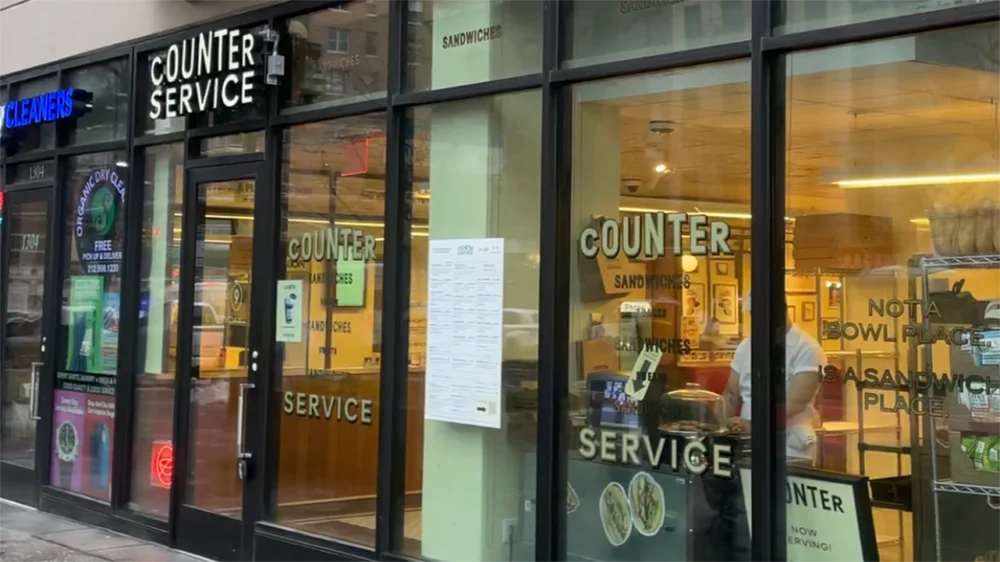
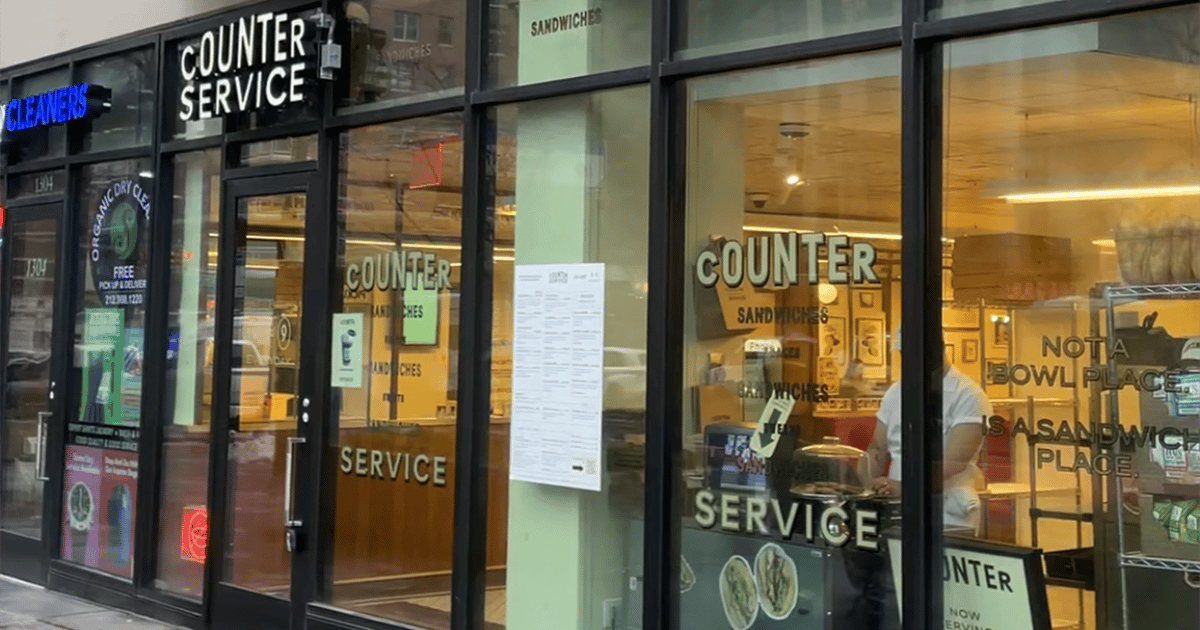
The culinary landscape of New York City, a global epicenter for food innovation, has a new contender making waves with its unique blend of classic deli fare and cutting-edge technology. Counter Service, a sandwich restaurant chain founded by Steve Ells, the visionary behind Chipotle Mexican Grill, is quietly but steadily expanding its presence across Manhattan, offering a glimpse into the future of fast-casual dining. This report delves into the establishment and growth of Counter Service, exploring its operational philosophy, menu offerings, and the strategic implications of its expansion within the competitive New York market.
The Genesis of Counter Service: A New Chapter for a Culinary Innovator
Steve Ells, renowned for revolutionizing the fast-casual dining sector with Chipotle’s "food with integrity" ethos, has turned his attention to a more traditional yet equally beloved segment of American cuisine: the sandwich. Counter Service, which celebrated its first anniversary just over a year ago, represents Ells’ latest venture, aiming to marry the comfort of familiar deli flavors with the efficiency and technological advancements that have become hallmarks of modern food service. The brand currently boasts four locations across Manhattan, with further expansion plans indicating a deliberate strategy to establish a significant footprint in one of the world’s most demanding culinary markets.
This new endeavor is not Ells’ first foray into technologically advanced restaurant concepts. His previous venture, the plant-based restaurant Kernel, explored the integration of robotics and automation in the kitchen. While Kernel ultimately faced challenges and ceased operations, the lessons learned have been directly applied to Counter Service. This strategic application of back-of-house technology is a key differentiator for Counter Service, enabling it to streamline operations and deliver a consistent product efficiently. The company’s focus on leveraging technology suggests a commitment to optimizing the customer experience, from ordering to food preparation, thereby enhancing speed and accuracy.
A Technological Edge in a Classic Setting
Counter Service’s operational model is a testament to its forward-thinking approach. While the menu features beloved deli classics, the underlying infrastructure is designed for the digital age. The restaurant prominently features self-service kiosks, one of which is notably designed to resemble a vintage phone booth, adding a touch of whimsical nostalgia to the ordering process. This technological integration is not merely for novelty; it serves a critical function in managing order flow and minimizing human error, especially during peak hours.
The emphasis on back-of-house technology is particularly significant. By investing in automated systems for food preparation and assembly, Counter Service aims to achieve a level of consistency and speed that is difficult to attain in traditional sandwich shops. This approach allows for the efficient execution of a diverse menu, including an all-day breakfast offering, which is a popular draw in the bustling New York City environment. The reduction in manual labor for certain tasks can also contribute to cost efficiencies, potentially allowing for competitive pricing while maintaining high-quality ingredients.
A Taste of Counter Service: Menu Highlights and Culinary Philosophy
The menu at Counter Service is designed to appeal to a broad audience, offering a curated selection of classic deli sandwiches, sides, and desserts. During a recent visit to the Upper East Side location, the fan-favorite Green Goddess Chicken Club was sampled, a testament to the restaurant’s ability to elevate familiar flavor profiles. The Sausage and Cheddar, featuring house-made sausage, speaks to a commitment to quality ingredients and in-house preparation, a characteristic often associated with Ells’ previous ventures.
Sides such as the Chickpeas and Feta offer lighter, healthier options, catering to diverse dietary preferences. The dessert offerings are equally thoughtful, with the OG Brown Butter Chocolate Cookie and the Malted Cookie Crisps standing out. The latter is particularly noteworthy for its clever design to avoid food waste, aligning with a broader industry trend towards sustainability and resourcefulness. This attention to detail, from the main courses to the sweet endings, suggests a holistic approach to menu development that prioritizes both taste and responsible practices.
The selection of items for sampling represents a strategic choice to showcase the breadth and depth of the Counter Service menu. The Green Goddess Chicken Club, being a "fan-favorite," highlights popular demand and customer satisfaction. The Sausage and Cheddar with housemade sausage points to artisanal quality and a dedication to crafting signature items. The inclusion of a vegetarian side like chickpeas and feta demonstrates an effort to cater to diverse palates and dietary needs, a crucial factor for success in a city like New York. Finally, the dessert items, particularly the waste-conscious Malted Cookie Crisps, underscore the brand’s commitment to innovation and sustainability beyond just the savory offerings.
Market Dynamics and Strategic Implications
The expansion of Counter Service into New York City is a calculated move within a highly competitive market. The city is saturated with dining options, ranging from established delis with decades of history to emerging fast-casual concepts. Counter Service’s strategy of leveraging technology and focusing on classic comfort food with a modern twist positions it to capture a segment of the market seeking convenience, quality, and a novel dining experience.
The success of Chipotle has demonstrated the viability of a scalable, technology-enabled fast-casual model. While the challenges of the restaurant industry are well-documented, including rising labor costs, supply chain disruptions, and evolving consumer preferences, Counter Service’s approach appears designed to mitigate some of these risks. The investment in back-of-house automation, for instance, could help to stabilize labor costs and improve operational efficiency. Furthermore, the brand’s focus on classic, widely appealing menu items provides a strong foundation for broad market acceptance.
The choice of locations, such as the Upper East Side, suggests a target demographic that values quality and convenience. This affluent neighborhood is known for its discerning consumers who are often early adopters of new culinary trends. The ongoing expansion to four locations within a relatively short period indicates strong initial performance and investor confidence in the brand’s concept and execution.
The Future of Fast-Casual Deli
Counter Service’s emergence raises questions about the future evolution of the fast-casual deli sector. As consumers increasingly seek both convenience and quality, restaurants that can effectively blend these attributes are poised for success. The integration of technology, from ordering kiosks to advanced kitchen systems, is no longer a futuristic concept but a present-day necessity for many operators.
The lessons learned from Kernel, particularly in the realm of robotics and automation, provide a unique advantage for Counter Service. This experience allows the company to implement proven technologies and avoid some of the pitfalls that might be encountered by a less experienced operator. The focus on optimizing the back-of-house operations suggests a commitment to not just customer-facing innovation but also to the underlying efficiency that drives profitability and scalability.
The food waste reduction aspect of the Malted Cookie Crisps is also a significant indicator of the brand’s values. In an era of heightened environmental awareness, businesses that demonstrate a commitment to sustainability are often rewarded with greater consumer loyalty. This seemingly small detail reflects a broader ethos that is becoming increasingly important for consumers when making dining choices.
Conclusion
Counter Service, under the guidance of Chipotle founder Steve Ells, represents a compelling fusion of classic American deli traditions and modern technological innovation. Its steady expansion across Manhattan signifies a strategic push to redefine the fast-casual sandwich experience. By drawing on lessons learned from past ventures and investing in efficient back-of-house operations, Counter Service is well-positioned to navigate the complexities of the New York City dining scene. As the brand continues to grow, its impact on the fast-casual market, particularly within the deli segment, will be a key area to observe, offering insights into the evolving landscape of how we dine. The journey of Counter Service is not just about serving sandwiches; it’s about crafting a new blueprint for the future of quick-service dining.
