

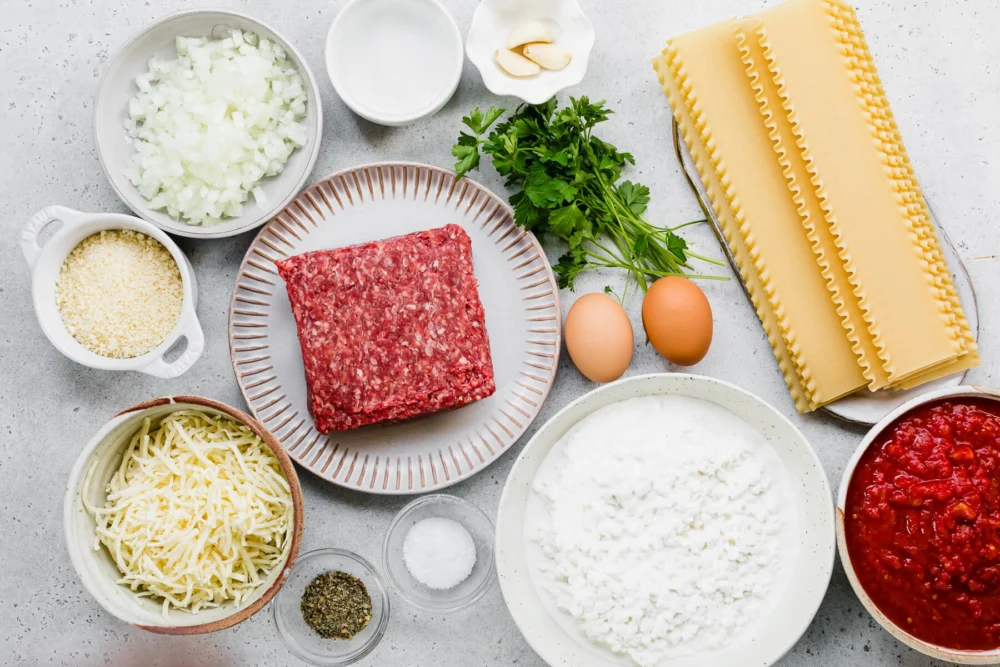
The advent of the slow cooker has steadily transformed home kitchens, offering a hands-off approach to preparing hearty, comforting meals. Among the myriad dishes to find a new home in this versatile appliance, lasagna stands out as a particularly compelling adaptation. This traditional Italian layered pasta dish, known for its intricate assembly and lengthy oven bake, has been successfully reimagined for the slow cooker, promising convenience without compromising on flavor or nutritional value. This innovative approach, exemplified by recipes featuring a blend of lasagna noodles, a robust meat sauce, and a protein-rich cottage cheese-parmesan filling, addresses the modern demand for simple, family-friendly dinners that fit into increasingly busy lifestyles. The result is a dish that delivers all the cozy, classic lasagna experience, cooked low and slow, entirely removing the need for an oven.

The Evolution of Convenience Cooking
The slow cooker, or Crock-Pot as it’s widely known, has been a kitchen staple for decades, first gaining widespread popularity in the 1970s. Its initial appeal lay in its ability to transform tough cuts of meat into tender, flavorful dishes with minimal effort, allowing home cooks to prepare meals in the morning and return to a ready-made dinner. In recent years, its utility has expanded significantly, driven by a global shift towards busier schedules and a renewed appreciation for home-cooked meals that offer both comfort and nutritional value. Market research consistently indicates a sustained interest in kitchen appliances that save time and reduce culinary stress, with slow cookers frequently topping lists of essential gadgets for modern households. This resurgence is particularly notable among younger generations and working parents seeking efficient meal solutions. The "hands-off" nature of slow cooking aligns perfectly with the contemporary desire to minimize active cooking time while maximizing the quality and wholesomeness of family dinners.

Traditional lasagna, while universally beloved, often presents a logistical challenge due to its multi-step preparation and extended baking time. The laborious process of boiling noodles, preparing multiple fillings, and carefully layering them before an hour-plus in the oven can be daunting for weeknight meals or even weekend gatherings. The adaptation of this classic to the slow cooker represents a significant culinary innovation, streamlining the process without sacrificing the dish’s signature layers of pasta, rich sauce, and creamy cheese. This transformation underscores a broader trend in culinary development: leveraging technology to make time-honored recipes accessible to a new generation of cooks.
Crafting the Perfect Slow Cooker Lasagna: A Methodical Approach

The success of slow cooker lasagna hinges on a careful understanding of how ingredients behave under prolonged, moist heat. Unlike oven-baked versions where noodles are typically par-boiled, many slow cooker recipes utilize dry lasagna noodles, which absorb moisture directly from the sauce during the extended cooking period. This not only simplifies preparation but also infuses the pasta with deeper flavor. The core components remain familiar: a hearty meat sauce, a creamy cheese filling, and the lasagna noodles themselves.
The meat sauce, often a blend of ground beef or turkey, diced tomatoes, herbs, and spices, forms the foundational layer of flavor. Pre-cooking the meat and assembling the sauce before layering is crucial for even cooking and optimal taste development. This initial step ensures that the meat is browned and seasoned appropriately, preventing a watery or bland final product. The choice of lean ground meat is often preferred in recipes aiming for a healthier profile, aligning with contemporary dietary preferences.

The cheese filling is another critical element. In many recipes, including the one described, a high-protein blend of cottage cheese and Parmesan cheese is used. This combination not only provides a rich, tangy flavor but also significantly boosts the protein content of the dish. Cottage cheese, often mixed with an egg and seasonings, acts as a binder, creating a stable, creamy layer that holds its structure during the slow cooking process. The addition of Parmesan cheese contributes a sharp, salty depth that complements the other ingredients. Other cheese varieties like mozzarella or ricotta are often incorporated for their melting properties and classic lasagna appeal, forming stringy, satisfying layers.
The layering process within the slow cooker mirrors that of its oven-baked counterpart, starting with a thin layer of sauce to prevent sticking, followed by noodles, cheese filling, and more sauce. This sequence is repeated, typically for three to four layers, until the slow cooker is full. Breaking the lasagna noodles to fit the oval or rectangular shape of most slow cookers is a common technique, ensuring even distribution and preventing dry spots. The final layer is often generously topped with cheese, which melts into a golden, bubbly crust during the latter stages of cooking.

Nutritional Benefits and Modern Dietary Trends
The emphasis on a "high-protein" cottage cheese-parmesan filling in this slow cooker lasagna is particularly relevant in today’s health-conscious culinary landscape. Protein is an essential macronutrient vital for muscle repair, immune function, and satiety. With increasing public awareness of the benefits of protein-rich diets for weight management, energy levels, and overall health, recipes incorporating higher protein sources are gaining traction. Cottage cheese, in particular, is celebrated for its high protein content and relatively low fat, making it an excellent ingredient for enhancing the nutritional profile of comfort foods.

By integrating cottage cheese, this lasagna variant offers a substantial protein boost compared to traditional versions relying solely on ricotta or mozzarella. For an individual serving (approximately 1/8th of the recipe), a typical slow cooker lasagna might yield around 35.5 grams of protein, a significant contribution to daily protein requirements. This makes it an attractive option for athletes, individuals focusing on muscle maintenance, or anyone looking to feel fuller for longer. Furthermore, the inclusion of vegetables in the meat sauce, such as onions, garlic, and sometimes bell peppers or spinach, adds essential vitamins, minerals, and fiber, enhancing the dish’s overall nutritional value. This holistic approach to meal preparation—combining convenience with a focus on macronutrient balance—reflects a sophisticated understanding of modern dietary needs.
Insights from the Recipe’s Originator

The creation of such a recipe often stems from personal need and experimentation. Gina, the culinary voice behind this particular slow cooker lasagna, shared her motivation: "I love making this Slow Cooker Lasagna on Sundays when I’m away at church. I come home to a protein-packed, family friendly dinner everyone in my home loves." This sentiment highlights the practical benefits for busy individuals and families. Her initial foray into developing the recipe was somewhat impromptu: "I made this lasagna in my slow cooker for dinner the other night on a bit of a whim, starting with my high-protein lasagna recipe and tweaking it as I went." This candid admission reveals the iterative nature of recipe development, where existing successful formulas are adapted to new methods.
The immediate positive reception from her family underscores the recipe’s effectiveness: "I wasn’t totally sure how it would turn out. Slow cooker lasagna can be unpredictable, but it was a huge hit with my family. The noodles cooked perfectly, the layers held together, and the leftovers were just as good the next day. This one is definitely going into our regular dinner rotation." This personal endorsement from a seasoned home cook provides valuable insight into the recipe’s reliability and appeal, reassuring others who might be hesitant about adapting a classic dish to a less conventional cooking method. Her observations about the unpredictability of slow cooker lasagna also hint at the testing and refinement often required to perfect such adaptations, transforming a potential culinary risk into a consistent success.

The Broader Impact on Home Cooking and Meal Planning
The rise of recipes like slow cooker lasagna has significant implications for how families approach meal planning and daily routines. The "set it and forget it" nature of the slow cooker frees up valuable time, allowing individuals to pursue other activities or simply relax, rather than being tethered to the kitchen during meal preparation. This convenience is particularly impactful for working parents, caregivers, and anyone juggling multiple responsibilities. Instead of resorting to takeout or less nutritious processed foods on busy days, families can enjoy a wholesome, homemade meal with minimal active cooking time.

Furthermore, the generous yield of most lasagna recipes, including slow cooker versions, makes them ideal for meal prepping and managing leftovers. The original recipe notes that "leftovers that taste even better the next day," a common characteristic of slow-cooked dishes where flavors deepen and meld over time. This aspect contributes to household efficiency, providing ready-to-eat lunches or subsequent dinners, thereby reducing food waste and optimizing grocery budgets. From an economic perspective, preparing meals at home using cost-effective ingredients, rather than relying on restaurant or pre-made options, can lead to substantial savings over time. Surveys consistently show that consumers prioritize affordability and efficiency in their meal choices, making slow cooker meals a compelling option.
Key Considerations for Optimal Results

Achieving perfect slow cooker lasagna involves several key tips that contribute to its success:
- Choosing the Right Slow Cooker: A 6-quart (or larger) oval or rectangular slow cooker is typically recommended to accommodate the lasagna noodles and layers effectively.
- No-Boil Noodles: While regular lasagna noodles can be used and will soften in the sauce, many recipes specifically recommend oven-ready or no-boil noodles as they absorb moisture more readily and maintain better texture without becoming mushy.
- Moisture Control: Ensuring adequate moisture is crucial, as the noodles will absorb a significant amount. A slightly more liquid sauce than an oven-baked version might be beneficial.
- Lining the Cooker: For easier cleanup and to prevent sticking, lining the slow cooker with parchment paper or using a cooking spray is often advised.
- Cooking Time and Temperature: Slow cooker lasagna typically cooks on low for 3-4 hours or on high for 2-3 hours. Monitoring the noodles for doneness and the cheese for melting is important, as cook times can vary slightly between slow cooker models.
- Resting Period: Allowing the lasagna to rest for 10-15 minutes after cooking allows the layers to set, making it easier to slice and serve cleanly.
Variations and Customization

The slow cooker lasagna recipe is highly adaptable, allowing for numerous variations to suit different tastes and dietary needs. For those seeking vegetarian options, the meat sauce can be replaced with a robust vegetable marinara, incorporating ingredients like mushrooms, zucchini, bell peppers, and spinach. Plant-based ground meat substitutes can also be used to mimic the texture and heartiness of a traditional meat sauce. Dairy-free alternatives for cheeses and milk can cater to specific dietary restrictions, expanding the recipe’s appeal.
Flavor profiles can also be customized. Adding Italian sausage alongside or in place of ground beef introduces a richer, spicier note. Incorporating fresh herbs like basil, oregano, and parsley enhances the aromatic depth of the sauce. A touch of red wine in the meat sauce can also add complexity. For those who enjoy a bit of heat, a pinch of red pepper flakes can be stirred into the sauce. This flexibility ensures that the slow cooker lasagna remains a versatile staple, capable of evolving with personal preferences and culinary trends.

Looking Ahead: The Future of Convenient Cuisine
The continued popularity of dishes like slow cooker lasagna signals a clear direction for the future of home cooking. As lifestyles remain fast-paced, the demand for convenient, nutritious, and delicious meal solutions will only grow. This will likely drive further innovation in kitchen appliances and recipe development, focusing on efficiency, automation, and adaptability. We may see more smart slow cookers with advanced programming capabilities, or new methods for preparing traditionally complex dishes with minimal fuss. The underlying principle, however, will remain constant: empowering home cooks to create satisfying meals that nourish both body and soul, even amidst the demands of modern life.

In conclusion, the slow cooker lasagna represents more than just a convenient meal; it embodies a broader culinary movement towards intelligent, time-saving cooking. By transforming a beloved classic into an accessible weeknight or weekend option, it caters to the practical needs of today’s families while upholding the cherished traditions of home-cooked comfort food. Its ease of preparation, high protein content, and adaptability solidify its position as a valuable and enduring addition to the contemporary recipe repertoire.
