

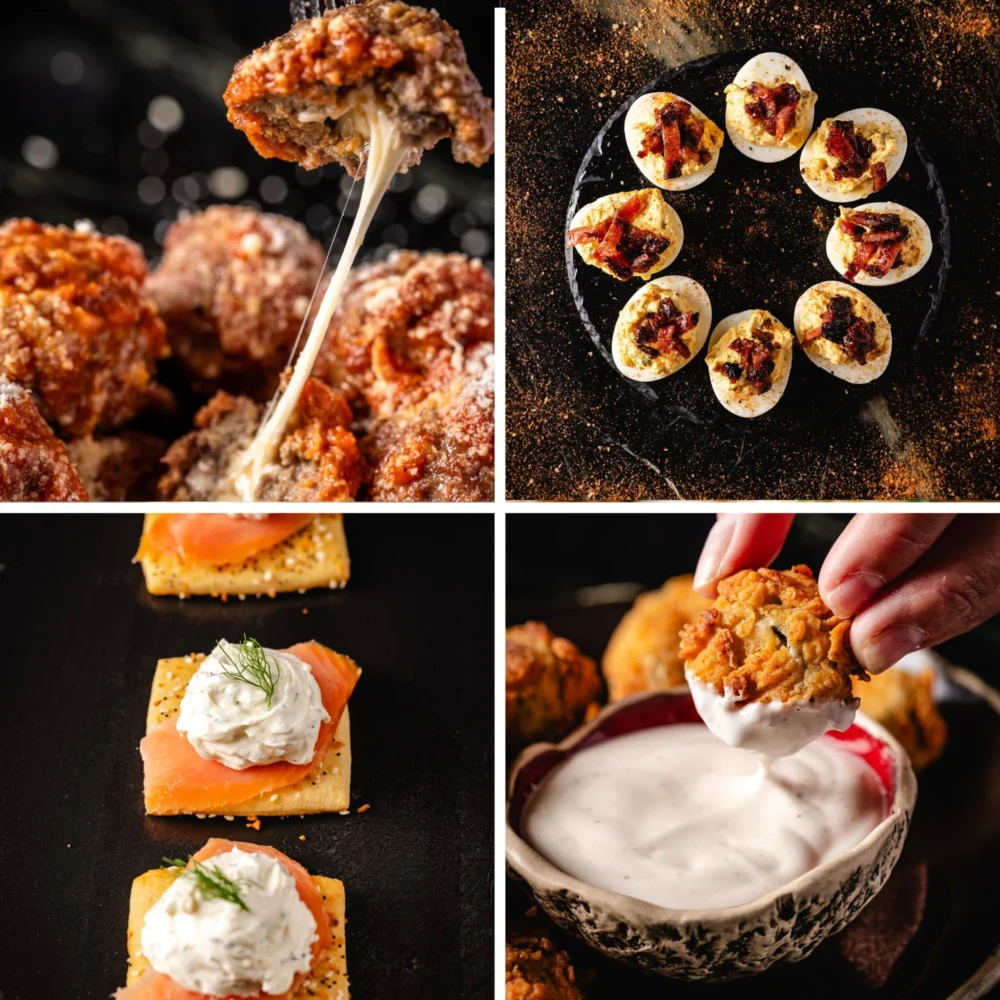
The landscape of American sports culture is inextricably linked to the evolution of communal dining, specifically the tradition of "game day" appetizers. As major sporting events, particularly professional and collegiate football, continue to dominate domestic viewership, the economic and social significance of the food served during these gatherings has reached unprecedented levels. According to data from the National Retail Federation (NRF), consumer spending related to championship-level sporting events often exceeds $17 billion annually, with a substantial portion allocated to food and beverages. Within this market, there is a visible shift away from processed, store-bought snacks toward sophisticated, home-prepared barbecue. This transition is spearheaded by culinary platforms such as Hey Grill Hey, which provide the technical frameworks for enthusiasts to transition from casual observers to "Backyard BBQ Heroes." This report examines the technical requirements, market trends, and specific recipe innovations currently defining the high-end tailgating experience.
The Economic and Cultural Impact of the Home-Gate Phenomenon
Historically, the "tailgate" was a localized event occurring in stadium parking lots. However, the rise of high-definition broadcasting and the increasing costs of stadium attendance have fueled the "home-gate" movement. Market research indicates that approximately 80% of fans prefer to watch major games at home or at a private residence. This shift has necessitated a higher standard for home catering. The Hearth, Patio & Barbecue Association (HPBA) reports that nearly 70% of households in the United States own a grill or smoker, and the frequency of use during the autumn and winter sports seasons has risen by 15% over the last five years.

The demand for "game day" recipes is no longer satisfied by simple chips and salsa. Modern consumers are seeking complex flavor profiles—smoky, savory, and artisanal—that require specialized equipment and techniques. The primary objective for hosts is to provide "handheld" convenience without sacrificing the gourmet quality associated with professional smokehouses.
Technical Case Study 1: Smoked Mozzarella Stuffed Meatballs and Protein Innovation
A cornerstone of the modern appetizer spread is the reimagined meatball. While meatballs are a staple of Italian-American cuisine, the integration of wood-fired smoking techniques represents a significant departure from traditional braising or oven-roasting. The technical challenge in this dish involves maintaining the structural integrity of the ground beef while ensuring a uniform melt of the interior cheese.
The process utilizes a specialized beef rub, typically a combination of salt, pepper, garlic, and proprietary spices, to facilitate the Maillard reaction on the meat’s surface. By smoking the meatballs at a low temperature, chefs allow for the penetration of nitrogen dioxide, which reacts with the myoglobin in the meat to create the "smoke ring"—a hallmark of authentic barbecue. The inclusion of mozzarella provides a textural contrast, transitioning from a firm protein exterior to a liquid-viscous interior. Analysts suggest that the popularity of this dish stems from its versatility; it serves as a standalone protein or as the primary component of a slider, catering to different caloric and dietary requirements of a diverse guest list.

Technical Case Study 2: Seafood Integration and the Rise of Cold-Smoked Profiles
The inclusion of salmon in a traditional football appetizer menu signifies the "premiumization" of game day food. Historically, seafood was considered too delicate for the robust environment of a tailgate. However, the adoption of cold-smoking and hot-smoking technologies has allowed salmon to become a viable, high-protein alternative to traditional red meats.
The "Smoked Salmon Appetizer" utilizes a three-tiered flavor structure: a crispy cracker base for structural stability, a layer of rich cream cheese for fat content and mouthfeel, and the smoky, silky salmon as the focal point. This dish targets a demographic that prioritizes Omega-3 fatty acids and lighter fare, reflecting broader national trends toward health-conscious snacking even during indulgence-heavy events. From a logistical standpoint, the ability to prepare smoked salmon in advance makes it an efficient choice for hosts managing multiple dishes simultaneously.
Technical Case Study 3: The Chemistry of the Crispy Deep-Fried Pickle
The deep-fried pickle has moved from a niche regional delicacy in the Southern United States to a national staple of the sports bar and home-gate circuit. The appeal of this appetizer lies in its acidic profile, which serves as a palate cleanser against the heavier, fat-rich smoked meats.

The preparation involves a sophisticated "two-dredge" process. The first layer typically involves a dry flour or starch coating to absorb the surface moisture of the brine, followed by a seasoned liquid batter. The chemical reaction during deep-frying involves the rapid evaporation of water from the batter, creating a porous, crispy shell while the interior pickle remains hydrated and tangy. The recommendation of a "homemade ranch dip" is not merely a preference but a culinary necessity; the lactic acid in the buttermilk base of the ranch balances the acetic acid of the pickle, creating a harmonious flavor equilibrium.
Technical Case Study 4: Smoked Potato Skins and Zero-Waste Culinary Strategies
The final pillar of the curated appetizer list is the Smoked Potato Skin, a dish that exemplifies the "zero-waste" trend in modern cooking. Professional barbecue often results in surplus proteins, such as pulled pork or brisket. The potato skin serves as a functional vessel for these leftovers.
Technically, the potato must be smoked or baked until the skin reaches a specific level of dehydration, providing the "crunch" necessary to support heavy toppings. The addition of melty cheese, green onions, and smoked meats creates a calorie-dense, high-satisfaction snack. Market analysts note that the use of "Everything Sauce"—a hybrid of sweet, tangy, and spicy flavors—allows hosts to customize the heat level of the dish to suit the specific preferences of their demographic. This adaptability is key to the success of any large-scale social gathering.

Chronology of Game Day Preparation
To achieve the results outlined by industry experts like Susie Bulloch, a structured timeline is essential. Journalistic observation of high-performing home hosts suggests the following chronological framework:
- 48 Hours Prior: Procurement of high-quality proteins. Sourcing fresh, never-frozen Atlantic salmon and high-fat-ratio ground beef (80/20) is recommended for optimal flavor retention.
- 24 Hours Prior: Brining and seasoning. Salmon requires a cure time to develop the "pellicle" (a tacky surface that traps smoke). Meatballs can be formed and stuffed to allow the flavors of the rub to penetrate the meat.
- 6 Hours Prior: The smoking phase. Low-and-slow cooking requires a stable heat source. Pellet grills or offset smokers are monitored for consistent temperature (typically between 225°F and 250°F).
- 1 Hour Prior: The frying and finishing phase. Perishable items like fried pickles must be prepared as close to serving as possible to maintain crispness.
- Kickoff: Assembly and presentation.
Statements and Industry Outlook
Susie Bulloch, the founder of Hey Grill Hey and a prominent figure in the barbecue industry, has frequently stated that the goal of home barbecue is to create "delicious memories" through shared experiences. This sentiment is backed by sociological studies suggesting that the act of outdoor cooking (grilling) increases social cohesion among participants.
Industry experts predict that the "backyard barbecue hero" trend will continue to grow as technology makes smoking more accessible. The rise of Wi-Fi-enabled smokers and precision temperature probes has lowered the barrier to entry for amateur cooks, allowing them to produce professional-grade results. Furthermore, the growth of YouTube and social media platforms has created a decentralized culinary school where techniques once guarded by pitmasters are now available to the general public.

Broader Implications for the Food and Beverage Industry
The shift toward artisanal home-gate appetizers has significant implications for retail. Grocery chains are seeing increased demand for "smoker-friendly" cuts of meat and specialized hardwoods (hickory, apple, cherry, and oak). Additionally, the condiment market is diversifying, with artisanal BBQ sauces and dry rubs seeing a higher growth rate than traditional mass-market ketchup and mustard.
In conclusion, the modern game day gathering has evolved into a sophisticated culinary showcase. By leveraging technical smoking methods and focusing on high-quality ingredients, home hosts are redefining the standards of sports entertaining. The recipes provided by platforms like Hey Grill Hey are not merely instructions for food; they are blueprints for social engagement and the continued professionalization of the American backyard. As the sports season progresses, the ability to execute these complex appetizers will remain a primary metric of success for hosts nationwide.
