

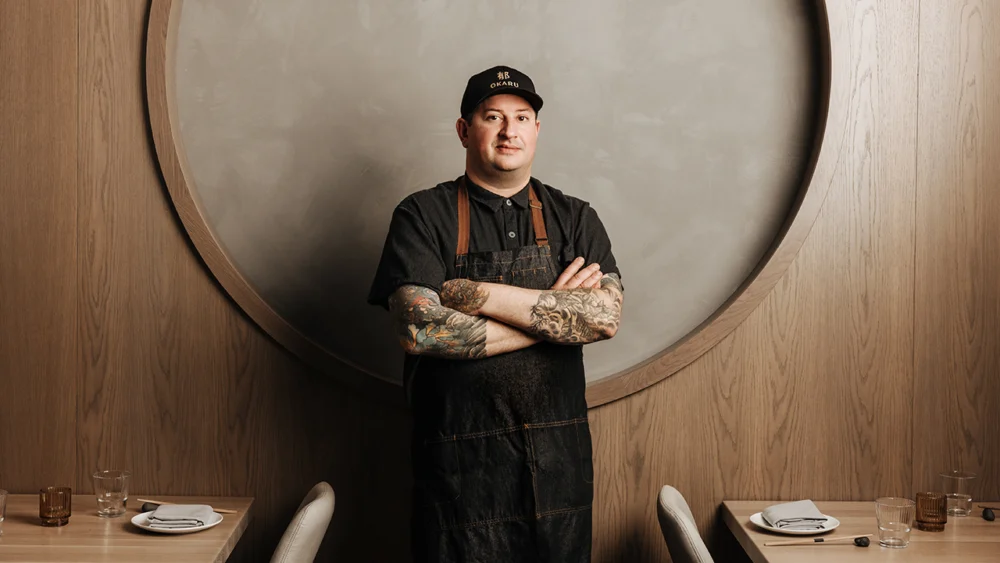
The familiar refrain of a chef’s long commute, a daily pilgrimage from the suburban tranquility of Long Island to the bustling metropolis of New York City, is a narrative that has played out for countless culinary professionals. For Marc Spitzer, a partner and the long-standing chef at the esteemed BondSt in New York City, this journey, spanning decades, was reaching a point of reevaluation. The desire to anchor his culinary ambitions closer to home, in the very Long Island community where he grew up and resided, began to crystallize into a tangible aspiration: opening a restaurant that would not only serve his neighbors but also elevate the local dining experience.
This vision found a powerful ally in Noam Shemel, a real estate investor whose deep-rooted connection to Long Island, particularly its affluent North Shore, provided invaluable local insight. Shemel, a Long Island native himself, understood the nuances of the market, the discerning palates, and the evolving expectations of its residents. Together, Spitzer and Shemel embarked on their inaugural venture, Okaru, a sophisticated Japanese restaurant thoughtfully situated within a grand, historic home in Roslyn. Their ambition with Okaru is clear: to cater to and, indeed, surpass the desires of a new generation of suburban diners, a demographic increasingly seeking urban-level culinary excellence without the urban commute.
The timing of Okaru’s emergence is no accident. The COVID-19 pandemic acted as a significant catalyst, prompting a nationwide migration of city dwellers and, consequently, a shift in their dining preferences. As urbanites dispersed to the suburbs, they carried with them the sophisticated culinary expectations honed by years of access to diverse and high-quality dining establishments. Spitzer and Shemel recognized this demographic shift and the inherent opportunity. Through Okaru and their newly formed hospitality firm, Northern & Main, they are strategically positioned to meet and exceed these elevated expectations, aiming to cultivate a vibrant new chapter in Long Island’s culinary story.
The Shifting Tides of Suburban Dining
The trend of chefs and restaurateurs venturing beyond the traditional urban epicenters is not entirely new, but its acceleration in recent years is notable. Data from the National Restaurant Association indicates a steady growth in suburban dining markets, with consumers increasingly seeking convenient, high-quality options closer to home. Pre-pandemic trends already showed a rise in suburban population growth and an associated increase in disposable income, which translated to a greater demand for premium dining experiences. The pandemic, however, amplified this by creating a more permanent shift in lifestyle for many, with remote work becoming a widespread reality, diminishing the necessity of daily city commutes for a significant portion of the workforce.
This demographic recalibration has created a fertile ground for restaurateurs like Spitzer and Shemel. Long Island, with its affluent communities and a growing population of discerning diners, presents a compelling case for such an investment. The North Shore, in particular, has long been associated with a sophisticated lifestyle, and the demand for world-class dining has been steadily rising. Okaru’s establishment in Roslyn, a picturesque village known for its historic charm and upscale appeal, strategically places it within a hub of this demographic.
Okaru: A Culinary Vision Rooted in Place and Expertise
Marc Spitzer’s decision to open Okaru in his native Long Island is deeply personal. His decades-long tenure at BondSt, a restaurant renowned for its exquisite Japanese cuisine and refined ambiance, has equipped him with a profound understanding of Japanese culinary traditions, meticulous preparation techniques, and the art of creating an exceptional dining experience. This expertise, combined with his intimate knowledge of Long Island’s evolving landscape, forms the bedrock of Okaru’s concept.
The choice of a historic home in Roslyn for Okaru is a deliberate one, aiming to blend the elegance of its surroundings with the contemporary sophistication of its culinary offerings. This architectural choice itself speaks to a desire to create an establishment that feels both timeless and relevant, offering a dining experience that is both comfortable and aspirational. The interior design, while not detailed in the initial report, would logically reflect this ethos, likely incorporating elements that honor the historic nature of the building while embracing modern aesthetics and Japanese design principles.
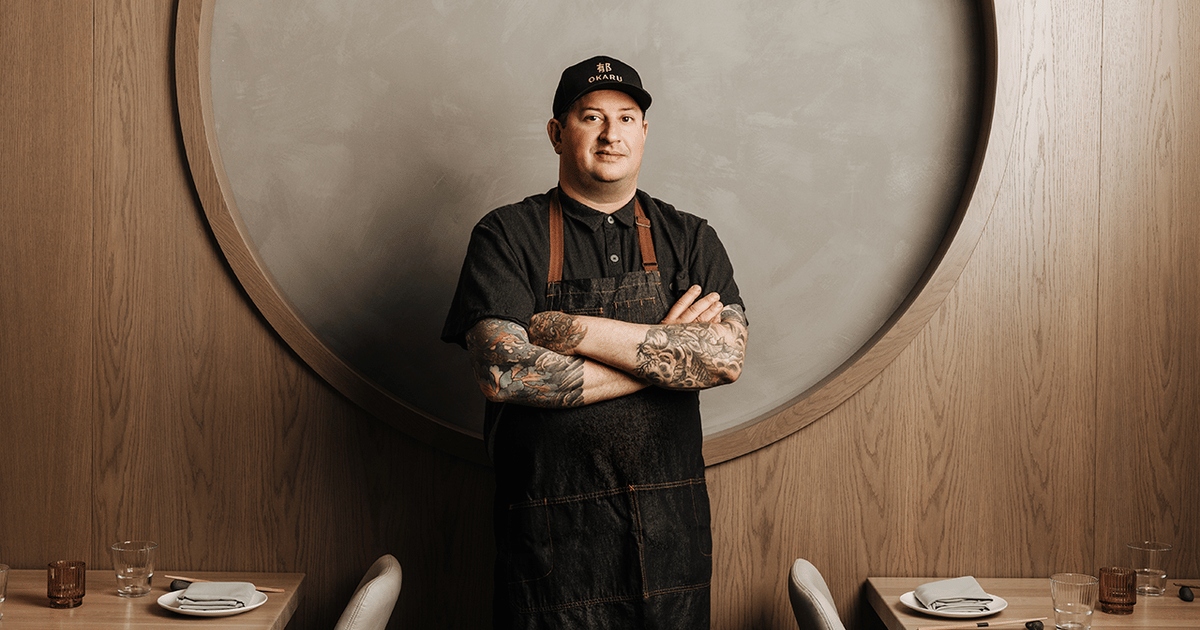
Noam Shemel’s role is equally critical. As a real estate investor with an intimate understanding of the North Shore, he brings the strategic acumen necessary to navigate the complexities of site selection, property development, and community integration. His local knowledge is crucial in identifying not just a physical space, but a location that resonates with the target demographic and aligns with the overall vision for Okaru. The partnership between Spitzer’s culinary vision and Shemel’s real estate and investment expertise creates a formidable synergy, essential for launching a successful, high-end restaurant in a competitive market.
The "Extra Serving" Conversation: Insights into a Culinary Shift
The discussion between Marc Spitzer, Noam Shemel, and Extra Serving host Gloria Dawson, a seasoned journalist and fellow Long Island native, offers a direct window into the motivations and strategic thinking behind Okaru’s establishment. Dawson’s own background, including her tenure at publications like Nation’s Restaurant News, Restaurant Hospitality, and Supermarket News, coupled with her experience writing for prestigious outlets such as The New York Times and The Wall Street Journal, lends significant weight to her insights. Her master’s degree from Columbia University Graduate School of Journalism further underscores her journalistic integrity and analytical depth.
During their conversation, Spitzer and Shemel are expected to delve into the intricacies of the changing Long Island dining scene. This would likely include discussions on:
- Consumer Demand: The increasing appetite for diverse, high-quality international cuisines, particularly Asian fusion and Japanese, in suburban areas.
- Competitive Landscape: An analysis of existing dining options on Long Island and how Okaru aims to differentiate itself.
- Operational Challenges and Opportunities: The unique aspects of operating a restaurant in a suburban setting compared to an urban one, including staffing, supply chain logistics, and local regulations.
- The "New Suburban Diner": Profiling the modern suburban diner, their expectations regarding service, ambiance, and culinary innovation.
- The Role of Hospitality Firms: The strategic importance of Northern & Main in supporting Okaru and potentially other future ventures, focusing on building a cohesive hospitality brand.
The conversation will likely shed light on the "why" behind chefs choosing to "plant a flag in the suburbs." This implies a deliberate strategy to capitalize on a burgeoning market and a desire to build a more sustainable and personally fulfilling career away from the relentless pace of major city dining scenes.
Broader Implications: A New Era for Suburban Culinary Excellence
The success of Okaru, and ventures like it, has broader implications for the culinary landscape of Long Island and other suburban regions across the nation.
- Economic Impact: The establishment of high-end restaurants like Okaru can stimulate local economies by creating jobs, attracting tourism, and increasing property values. They can also foster a multiplier effect, encouraging the development of complementary businesses, such as artisanal food shops and local beverage producers.
- Culinary Diversification: The influx of talented chefs and restaurateurs from urban centers brings a wider array of cuisines and dining experiences to suburban areas, enriching the local food culture and offering residents more choices.
- Redefining Suburban Living: As suburban areas become culinary destinations in their own right, they can redefine the perception of suburban living, making them more attractive to a wider range of residents, including younger professionals and families who might have previously gravitated towards urban centers.
- Innovation in Hospitality: The need to cater to sophisticated suburban diners encourages innovation in restaurant design, service models, and culinary techniques, pushing the boundaries of what is expected in non-urban settings.
The story of Marc Spitzer, Noam Shemel, and Okaru is more than just the opening of a new restaurant; it is a narrative that reflects a significant cultural and demographic shift. It highlights the evolving desires of diners, the strategic adaptation of culinary professionals, and the burgeoning potential of suburban markets to become vibrant centers of gastronomic excellence. As Okaru opens its doors, it signals not just a new dining option for Roslyn, but a potential harbinger of a new era in American suburban dining.
The conversation with Spitzer and Shemel, hosted by Gloria Dawson, serves as a vital piece of this unfolding story. By offering their perspectives directly, they provide invaluable insights into the strategic thinking and the passion that drives this new wave of suburban restaurateurs. Their candid discussion, accessible through the provided stream, allows a deeper understanding of the trends shaping the future of dining, proving that culinary innovation is no longer confined to the bright lights of the city but is flourishing in the very communities where chefs and diners call home. The inclusion of a related article about the James Beard Foundation’s America’s Classics Award winners further contextualizes this movement, underscoring the growing recognition of established, community-rooted culinary institutions across diverse regions, a trend that Okaru and its founders aim to contribute to on Long Island.
