

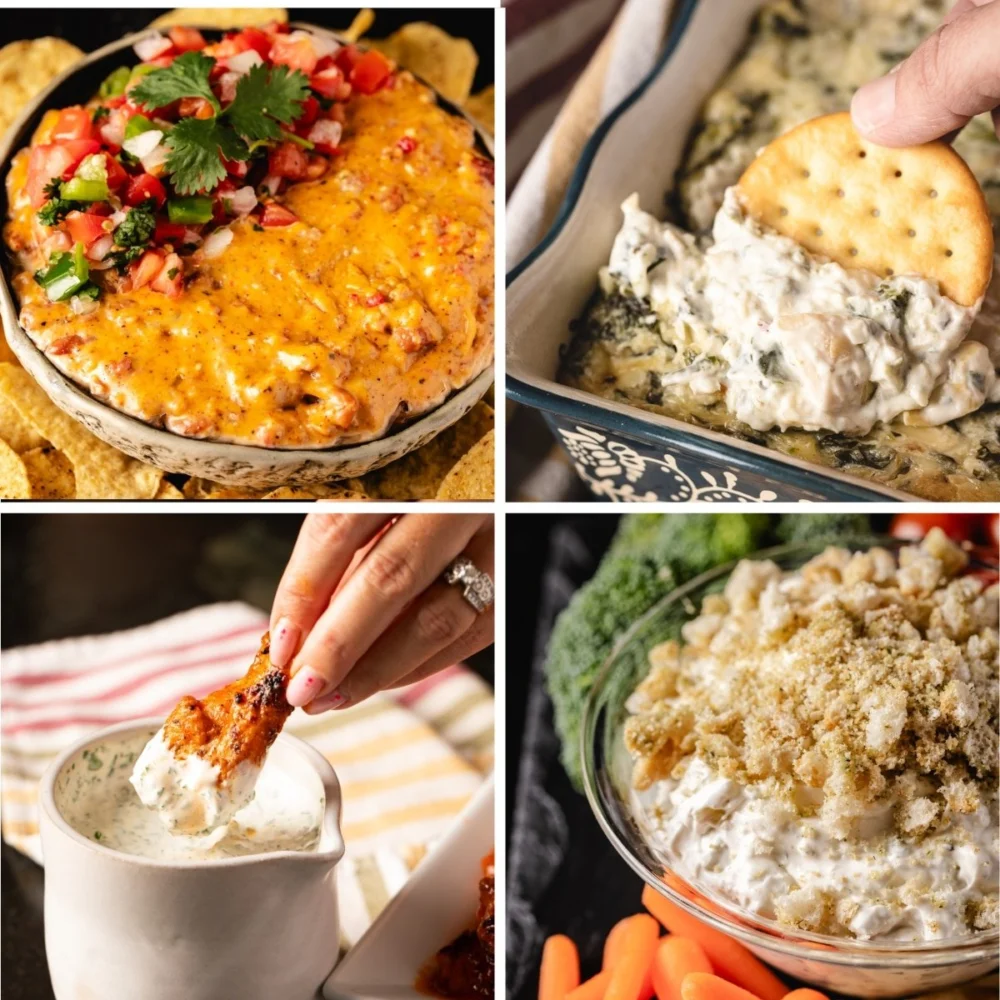
The landscape of American sporting culture is inextricably linked to the evolution of communal dining, specifically the rise of high-quality, artisanal appetizers that have transformed the traditional tailgate into a sophisticated culinary event. As domestic viewership for major sporting leagues continues to reach record highs, the demand for elevated home-hospitality options has shifted from pre-packaged snacks to complex, multi-layered recipes. Central to this movement is the emergence of smoked and craft-style dips, which serve as the cornerstone of the modern game-day spread. Industry experts and culinary developers, such as Susie Bulloch of Hey Grill Hey, have identified five specific recipes—Smoked Queso, Smoked Spinach Artichoke Dip, Mexican Street Corn Salsa, Homemade Ranch, and Creamy Dill Pickle Dip—as the definitive benchmarks for contemporary social hosting.
The Economic and Cultural Impact of Game Day Catering
The significance of game-day food is reflected in national consumer spending data. According to the National Retail Federation (NRF), annual spending related to the Super Bowl alone frequently exceeds $17 billion, with food and beverages accounting for over 80% of those expenditures. This economic driver has spurred a "homegating" trend, where consumers invest in high-end outdoor cooking equipment, such as pellet grills and offset smokers, to replicate professional-grade flavors.

The shift toward smoked appetizers represents a broader change in the American palate, which increasingly favors "low and slow" cooking techniques and complex flavor profiles. The integration of smoke as a primary ingredient, rather than a background note, has redefined the category of "party dips" from simple caloric fillers to center-stage culinary achievements.
Analysis of the Top Five Game Day Formulations
The following five recipes represent the current zenith of game-day appetizers, each addressing specific consumer preferences for texture, temperature, and regional influence.
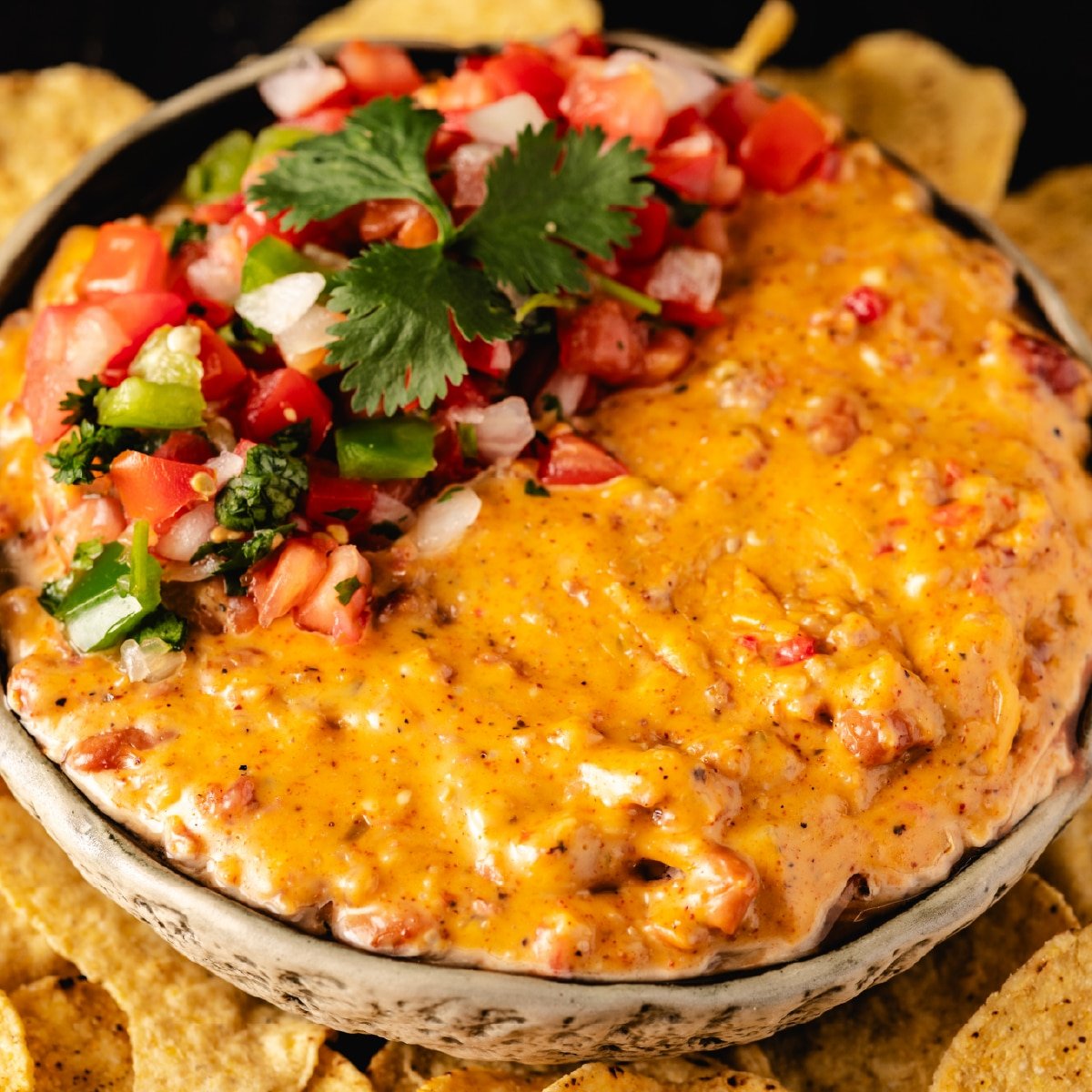
1. Smoked Queso: The Fusion of Traditional Melting Salts and Barbecue Technique
Smoked Queso has emerged as the premier choice for large-scale gatherings. Unlike traditional stovetop cheese dips, the smoked variant utilizes the indirect heat of a grill to incorporate hardwood aromatics into the fat molecules of the cheese. The foundational architecture of this dip relies on smooth American melting cheese, chosen for its high concentration of sodium citrate, which ensures a stable emulsion even at fluctuating temperatures.

The recipe is fortified with smoked sausage, aromatics such as onions and peppers, and a secondary layer of cream cheese for added viscosity. From a technical standpoint, the inclusion of chilis and additional shredded cheeses creates a "loaded" profile that bridges the gap between a condiment and a main course. Market analysis suggests that the "meat-forward" nature of this dip appeals to the traditional demographic of sports enthusiasts while providing a substantial alternative to standard nacho cheese.
2. Smoked Spinach Artichoke Dip: Elevating the Classic Appetizer
The spinach artichoke dip has been a staple of American casual dining since the late 20th century. However, the modern iteration involves a smoking process that transforms the marinated artichokes and garlic into a more savory, umami-rich composition. By utilizing fresh garlic and high-quality greens, the recipe moves away from the processed flavors of mid-century casseroles.
The "borderline salad" categorization—a reference to the high volume of vegetables included—highlights a growing trend among hosts to provide options that feel more wholesome without sacrificing the indulgent nature of a cheese-based dip. The use of marinated artichokes provides an acidic counterpoint to the heavy fats of the dairy base, a balance that professional chefs cite as essential for preventing "palate fatigue" during long-duration sporting events.
3. Mexican Street Corn Salsa: The Influence of Regional Global Flavors
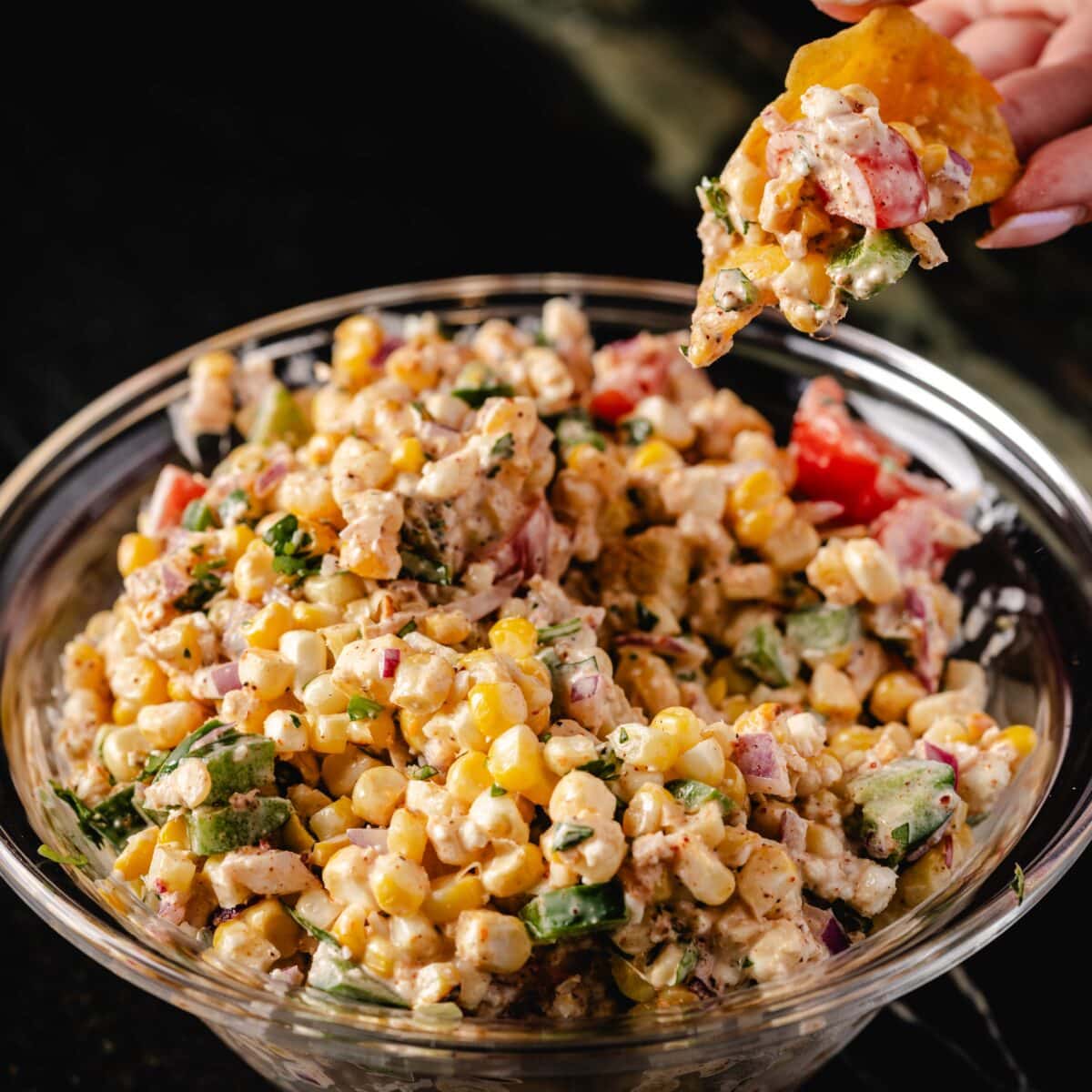
The rise of "Elote" or Mexican Street Corn as a mainstream flavor profile in the United States has led to the development of the Mexican Street Corn Salsa. This recipe represents the "sleeper hit" of the game-day collection, focusing on grilled corn, tangy Cotija cheese, and lime zest.
The use of a specific "Fiesta Rub"—a blend of cumin, chili powder, and other southwestern spices—aligns with the consumer desire for bold, authentic regional flavors. This salsa is notable for its versatility, serving as both a dip for tortilla chips and a topping for proteins. The inclusion of Cotija, a dry, crumbly cheese that does not melt when heated, provides a unique textural contrast that is often missing from standard tomato-based salsas.
4. Homemade Ranch Dip: The Shift Toward Clean-Label Condiments
Perhaps the most significant trend in modern tailgating is the rejection of store-bought, shelf-stable condiments in favor of "from-scratch" alternatives. Ranch dressing, which has held the title of America’s most popular dressing for decades, is the primary focus of this DIY movement.

The homemade ranch dip utilizes a base of fresh dairy and a high concentration of herbs, avoiding the preservatives and artificial thickeners found in commercial bottles. This shift is driven by a more health-conscious and quality-focused consumer base that prioritizes flavor clarity. When paired with buffalo wings or fresh vegetables, the tangy acidity of a homemade ranch provides a superior cooling effect compared to its industrial counterparts.
5. Creamy Dill Pickle Dip: The Intersection of Brine and Texture
Pickle-flavored products have seen a meteoric rise in popularity over the last 24 months, with "pickle mania" influencing everything from snack chips to carbonated beverages. The Creamy Dill Pickle Dip capitalizes on this trend by combining a base of cream cheese, sour cream, and mayonnaise with finely diced dill pickles.
The technical success of this dip lies in the "briny crunch" provided by the pickles, which is further enhanced by savory vegetable-based rubs. Analysis of consumer feedback suggests that this dip is frequently paired with non-traditional items, such as deep-fried pickle chips, creating a "double-pickle" flavor profile that caters to enthusiasts of high-acid, high-salt snacks.
A Chronology of the American Party Dip
To understand the current dominance of these five recipes, one must examine the historical trajectory of the appetizer in American social life:
- 1950s–1960s: The "Packet Era." Following the post-war industrialization of food, dehydrated soup mixes (specifically onion) became the standard for dips.
- 1970s–1980s: The "Crock-Pot Revolution." The introduction of slow cookers allowed for warm, cheese-based dips to remain at safe serving temperatures for the duration of a game.
- 1990s–2000s: The "Salsa Explosion." Increased interest in Mexican-American cuisine led to the mainstreaming of jarred salsas and guacamole.
- 2010s–Present: The "Artisanal/Smoked Movement." The proliferation of digital cooking platforms and the "foodie" culture have empowered home cooks to use professional techniques, such as smoking and scratch-making, for casual gatherings.
Expert Perspectives and Institutional Analysis
Susie Bulloch, the founder of Hey Grill Hey and a recognized authority in the barbecue industry, emphasizes that the goal of these recipes is to empower the "Backyard BBQ Hero." This terminology reflects a social shift where the host’s status is increasingly tied to their culinary output. Bulloch’s background, which includes appearances on the Food Network and contributions to Guinness World Records, underscores the professionalization of home cooking.
Culinary analysts suggest that the popularity of these specific dips is not accidental. They represent a calculated balance of "The Four Pillars of Game Day Snacking": salt, fat, acid, and heat. By providing recipes that hit all four notes—such as the spicy queso or the acidic pickle dip—hosts can ensure a more satisfying experience for a diverse range of guests.

Broader Implications for the Food Industry
The move toward more complex, home-prepared game-day dips has significant implications for the retail and grocery sectors. There is an increasing demand for "component ingredients"—such as high-quality Cotija cheese, fresh herbs, and specific meat cuts like smoked sausage—rather than finished, pre-packaged goods.
Furthermore, the "Hey Grill Hey" model of content delivery—utilizing YouTube, Instagram, and Facebook to disseminate culinary techniques—has decentralized food education. Consumers no longer rely solely on traditional cookbooks; they follow "BBQ Boss Ladies" and pitmasters who provide real-time, accessible instructions. This democratization of culinary skill has raised the baseline expectation for what constitutes a "good" party dip.
Conclusion
The evolution of game-day dips from simple accompaniments to complex culinary features reflects a broader maturation of American food culture. The five recipes highlighted—ranging from the smoke-infused Queso to the herb-brightened Homemade Ranch—demonstrate a sophisticated understanding of flavor chemistry and social dining dynamics. As tailgating and "homegating" continue to grow as cultural institutions, the role of the "resident dip master" will remain a central figure in the American sporting experience, driven by a commitment to quality, technique, and the communal joy of a well-crafted meal.
