

The culinary landscape of Canada’s National Capital Region (NCR) has undergone a significant transformation over the past decade, evolving from a market with limited specialized options to a burgeoning hub for celiac-safe dining. While historically overshadowed by the expansive gluten-free scenes in Montreal and Toronto, Ottawa and Gatineau now offer a sophisticated array of dedicated facilities and cross-contamination-aware establishments. This shift is driven by a combination of heightened medical awareness, more stringent food labeling regulations, and a growing consumer demand for transparency in the hospitality sector. For the approximately 1 in 114 Canadians living with celiac disease, the distinction between "gluten-friendly" and "celiac-safe" is not merely a preference but a medical necessity. Even trace amounts of gluten—defined by Health Canada as exceeding 20 parts per million—can trigger severe autoimmune responses, leading to long-term systemic damage regardless of whether the individual is symptomatic.

The Evolution of Celiac-Safe Standards in the National Capital
The National Capital Region, encompassing Ottawa, Ontario, and the Outaouais region of Quebec, presents a unique geographical challenge for diners with restricted diets. Accessing the full spectrum of celiac-safe options often requires crossing provincial borders, moving between the urban density of downtown Ottawa and the residential enclaves of Gatineau and Aylmer.
Recent industry data suggests that the gluten-free retail market in Canada is projected to continue its upward trajectory, yet the restaurant sector has faced a steeper learning curve regarding cross-contact protocols. The gold standard for the celiac community remains the "dedicated facility"—a kitchen where no gluten-containing ingredients are permitted on the premises. In the NCR, several trailblazing bakeries and eateries have adopted this model to eliminate the risk of airborne flour or shared equipment.

Dedicated 100% Gluten-Free Facilities
Among the most prominent fixtures in the Ottawa scene is Strawberry Blonde Bakery, located in the Westboro neighborhood. Operating as a vegan, nut-free, kosher, and gluten-free facility, the bakery has expanded to multiple locations to meet rising demand. Their business model focuses on seasonal rotation and custom orders, providing a safe harbor for those with multiple intersecting allergies.

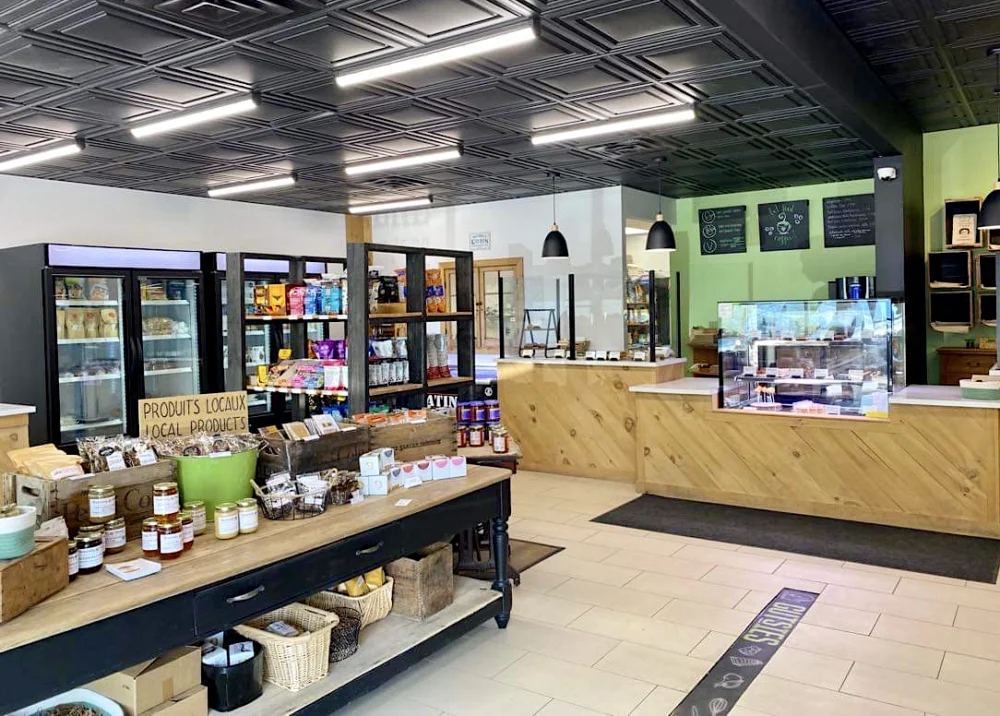
Further east in Orleans, Gutsies has emerged as a critical node in the region’s gluten-free supply chain. Founded by Natasha, a parent motivated by her daughter’s celiac diagnosis, the shop serves as both a bakery and a curated retail space. Gutsies bridges the gap for local consumers by importing hard-to-find products from specialized producers in Montreal and Toronto, such as La Marquise Sans Gluten. This collaborative approach highlights a broader trend in the industry: the consolidation of specialty goods to provide "one-stop" access for medically restricted diets.

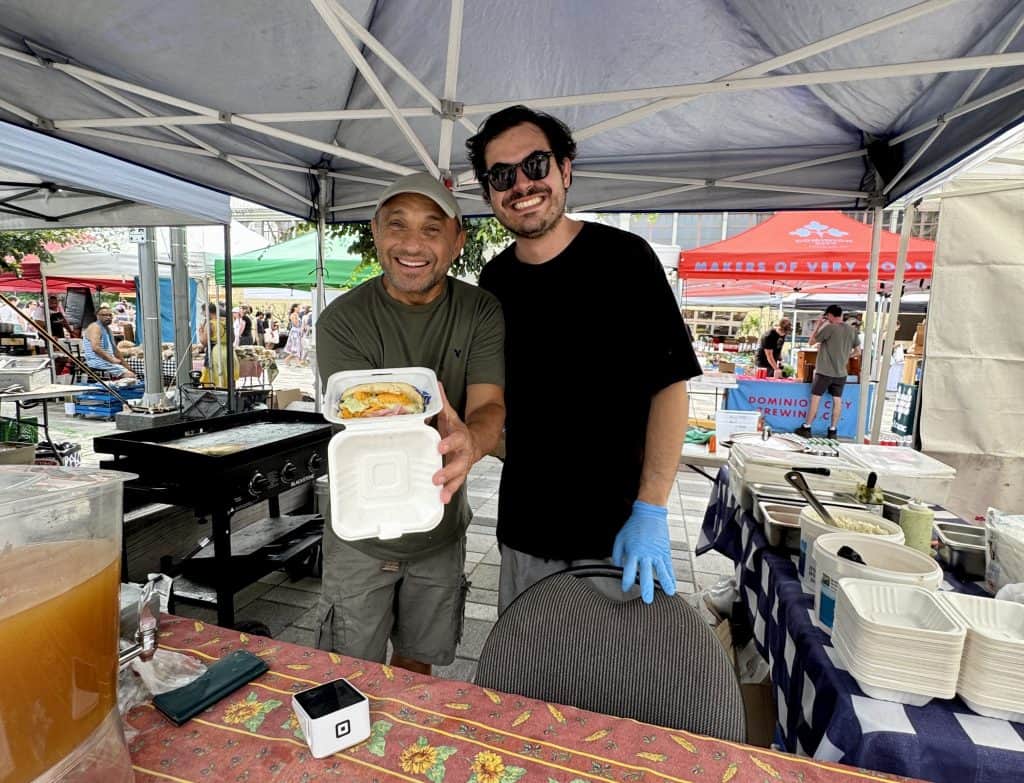
In the digital and market-stall space, 2 Sprinkles (formerly known as 5 Cupcakes) and Farang Thai offer specialized goods that cater to specific niches. Farang Thai, co-owned by a celiac individual, focuses on authentic Thai flavors, addressing the common issue of hidden gluten in commercial soy sauces and marinades. Their presence at local markets like 613 Flea at Lansdowne Park underscores the importance of the "pop-up" economy in sustaining niche culinary businesses.

International Cuisine and Cross-Contamination Awareness
For restaurants that are not 100% gluten-free, the burden of safety lies in rigorous staff training and the implementation of physical barriers in the kitchen. The following sectors have shown significant progress in accommodating celiac diners through dedicated fryers, separate preparation surfaces, and ingredient transparency.

Mediterranean and Italian Innovations
The Greek Souvlaki Shack on Bank Street represents a high standard for independent operators. By producing in-house gluten-free pita and maintaining a dedicated fryer for items like calamari and french fries, the establishment has secured a loyal following. Similarly, La Dolce Vita on Preston Street has sought external validation through the Gluten-Free Food Program (GFFP) certification. This third-party oversight provides a layer of institutional trust that is often lacking in standard "gluten-friendly" menus.

In Gatineau, Ottavio offers a multi-allergen menu that is clearly demarcated, catering to families with diverse dietary needs. The presence of such establishments on the Quebec side of the river is vital, as it reflects the regional integration of the NCR’s food economy.

Asian Culinary Adaptations
Traditional Southeast Asian cuisine often relies on naturally gluten-free bases like rice and corn; however, the modernization of recipes has introduced wheat-based soy sauce as a ubiquitous filler. Establishments like Social Thai, Siam Bistro, and Khao Thai have countered this by offering celiac-aware versions of traditional dishes. In the Vietnamese sector, La Maison Pho in Aylmer and Authentic Vietnamese Pho House in the suburbs have maintained safety by ensuring that rice noodles (bánh phở) are cooked in water separate from wheat-based egg noodles.

The sushi and poké market has also seen a shift toward safety. Kiko Sushi, J:Unique Kitchen, and GoGiYa Sushi n Poké have implemented protocols to ensure that sushi vinegar is gluten-free and that staff change gloves and utensils when preparing orders for celiac customers. These micro-adjustments in preparation are essential for preventing cross-contact in high-volume environments.

The Cultural Significance of Poutine and Comfort Food
In the Canadian context, poutine remains a cultural staple, yet it is often fraught with risk due to wheat-thickened gravies and shared fryers. The NCR has seen both triumphs and setbacks in this category. The closure of T.F.T (That Food Truck) in the summer of 2024 served as a reminder of the volatility of the food truck industry, despite a high-quality gluten-free offering.

Remaining pillars of the poutine scene include Patate Lou Lou in Aylmer, which offers a gluten-free gravy option and utilizes dedicated fryers. The Great Canadian Poutinerie also provides options for those seeking variety, though purists often prioritize the strictness of the preparation over the breadth of the menu. For southern-style comfort food, Little Mac’s in Wellington West has achieved a near-total gluten-free menu, with the exception of standard buns which are prepared on a separate griddle.
Specialty Markets and the "Living Tree" Approach to Food Safety
The concept of a "living" resource for food safety is crucial in an era where restaurant ownership and kitchen staff turnover can occur rapidly. Local celiac associations, such as Celiac Canada’s Ottawa chapter, play a pivotal role in vetting establishments and providing up-to-date information to the community.

Artisanal Markets and Seasonal Pop-ups
The rise of the "micro-bakery" has introduced high-quality gluten-free goods to farmers’ markets. Kokoro Bake Shop, appearing at the Main St. Farmers’ Market, utilizes rice flour for its mochi-based cupcakes and offers a Japanese cheesecake that substitutes cornstarch for wheat flour. Rocket Scone, another market favorite, avoids cross-contamination by baking gluten-free options in a separate home kitchen environment and using distinct shapes to prevent serving errors.

Latin American flavors have also found a strong foothold in the NCR. The Tortilla Maker of Canada in Orleans and Arepas Place Ottawa at Lansdowne provide naturally gluten-free corn-based staples. These businesses often serve as an entry point for the general public to experience gluten-free food that does not compromise on texture or flavor, effectively de-stigmatizing the "free-from" label.

Broader Implications: Health, Accessibility, and Tourism
The availability of celiac-safe dining has broader implications for the National Capital Region’s economy and its reputation as a tourist destination. According to tourism data, travelers with medical dietary restrictions are more likely to frequent cities where they can reliably find safe food. The NCR’s ability to offer everything from high-end Indian cuisine at Thali (under the direction of Chef Joe Thottungal) to artisanal ice cream at The Merry Dairy and Moo Shu Ice Cream makes it an attractive destination for the "health-conscious" and "medical-need" traveler.

The Intersection of Disability and Dining
The discourse surrounding gluten-free dining often intersects with broader conversations about accessibility. For individuals living with chronic illness or physical disabilities—such as those suffering from spinal CSF leaks or mast cell activation syndrome—the ability to access safe food via delivery or in accessible environments is a matter of quality of life. The willingness of establishments like Chamos Grill to use "gluten-free" stickers on delivery bags or for owners like those at Gutsies to accommodate physical limitations demonstrates a level of community care that exceeds standard service.

Future Outlook for the NCR Culinary Scene
As we move toward the middle of the decade, the expectation is that more mainstream restaurants will adopt standardized allergy protocols. The success of dedicated facilities in Ottawa and Gatineau suggests that there is a sustainable market for businesses that prioritize medical safety. Furthermore, the periodic "pop-up" visits from Toronto-based entities like The Bean Sprout GF and Riz Gluten Free indicate that Ottawa is viewed as a high-growth market for premium gluten-free Chinese cuisine and specialty frozen goods.
In conclusion, while the National Capital Region may not yet match the sheer volume of gluten-free options found in global metropolises, the quality and integrity of its local operators are exemplary. The transition from "trend-following" to "medical-standard" dining is well underway, ensuring that celiac residents and visitors can navigate the city’s culinary offerings with confidence and safety. The continued support of these local businesses is essential for maintaining a diverse and inclusive food landscape in Canada’s capital.
