

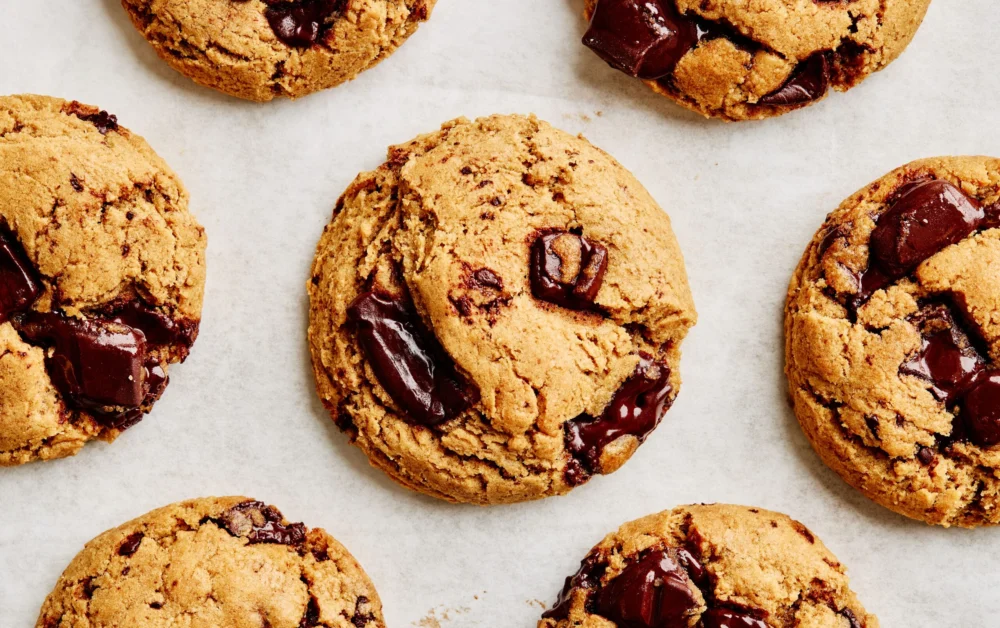
The Paradigm Shift in Dessert Culture
The landscape of dessert consumption has undergone a significant metamorphosis. What was once a niche market catering primarily to individuals with specific dietary restrictions, such as lactose intolerance or dairy allergies, has expanded into a mainstream phenomenon embraced by a diverse consumer base. This demographic includes vegans, flexitarians, those seeking to reduce their environmental footprint, and even conventional eaters simply looking for novel and delicious options. The article highlights a spectrum of offerings, from elegant chocolate tarts and creamy chia puddings to roasty cashew ice cream and tahini-marbled brownies, unequivocally demonstrating that foregoing dairy no longer necessitates a compromise on taste or texture. This evolution underscores a critical development in the food industry: the successful integration of plant-based ingredients into complex culinary applications, challenging long-held assumptions about traditional dessert components.
Historical Context: The Genesis of Dairy-Free
For decades, dairy-free alternatives often struggled with perception and quality. Early iterations were frequently characterized by a limited range of ingredients, primarily soy, and sometimes suffered from an artificial taste or an undesirable texture. The focus was largely on functional replacement rather than culinary excellence. Consumers seeking dairy-free options faced a restricted market, often finding themselves relegated to specialty health food stores or having to meticulously adapt recipes themselves. The aesthetic appeal and gourmet quality often associated with traditional dairy-based desserts seemed out of reach for their plant-based counterparts. This period laid the groundwork but also created a widespread impression that dairy-free was a compromise, a necessary sacrifice for health or ethical reasons, rather than a choice for flavor.
Driving Forces Behind the Dairy-Free Revolution
Several interconnected factors have fueled the dramatic surge in dairy-free dessert popularity and innovation:
-
Health and Wellness:
- Lactose Intolerance: Globally, a significant portion of the adult population experiences some degree of lactose intolerance, with prevalence rates varying widely by ethnicity (e.g., up to 90% in some East Asian populations, 70-80% in African populations, and lower in Northern European populations). This widespread condition naturally drives demand for dairy alternatives.
- Dairy Allergies: Milk allergy remains one of the most common food allergies in children, necessitating strict avoidance of dairy products.
- Perceived Health Benefits: Many consumers associate plant-based diets with lower intake of saturated fats and cholesterol, and higher intake of fiber and certain micronutrients. While nutritional profiles vary, the general perception of plant-based as "healthier" contributes to its appeal.
-
Ethical and Environmental Concerns:
- Veganism and Animal Welfare: The increasing awareness and adoption of vegan lifestyles, driven by concerns for animal welfare, have been a primary catalyst.
- Environmental Impact: The dairy industry is a significant contributor to greenhouse gas emissions, water usage, and land degradation. According to the Food and Agriculture Organization (FAO), livestock accounts for approximately 14.5% of global anthropogenic GHG emissions. Dairy production specifically requires substantial land and water resources. For example, producing one liter of cow’s milk typically requires far more water and land than producing the equivalent amount of plant-based milk alternatives like oat or almond milk. Consumers increasingly factor this environmental footprint into their purchasing decisions, opting for options perceived as more sustainable.
-
Culinary Innovation and Ingredient Availability:
- New Ingredients: The proliferation of diverse plant-based milks (almond, soy, oat, cashew, rice, hemp, pea), plant-based fats (coconut oil, cocoa butter, nut butters), and novel thickeners/emulsifiers has provided chefs and home bakers with an unprecedented palette of ingredients.
- Technological Advancements: Food science has played a crucial role in improving the texture, stability, and sensory profiles of dairy-free products, making them indistinguishable, and sometimes superior, to their dairy counterparts.
A Chronology of Culinary Advancements
The journey of dairy-free desserts can be traced through distinct phases of innovation:
- Early 2000s: Soy-based products dominated the nascent dairy-free market. Soy milk and soy ice cream were among the few widely available options, often with a distinct flavor that limited their appeal beyond those with strict dietary needs. Recipes were often simple, focusing on basic substitutions.
- Mid-2000s to Early 2010s: The emergence of almond milk and coconut milk as mainstream alternatives marked a significant turning point. Coconut milk, particularly full-fat canned coconut milk, became a game-changer for its richness and ability to mimic creaminess in applications like ice cream, curries, and puddings. This period saw increased experimentation with nut-based creams, especially cashew cream, as a versatile base for cheesecakes, mousses, and savory sauces.
- Mid-2010s to Late 2010s: Innovation accelerated with the introduction of a wider array of plant milks, including rice, hemp, and particularly, the meteoric rise of oat milk. Oat milk’s neutral flavor and excellent frothing capabilities made it a favorite for coffee and expanded its use in baking. Ingredients like aquafaba (the liquid from canned chickpeas) were discovered as a surprisingly effective egg white substitute, enabling the creation of dairy-free meringues, mousses, and macarons. The emphasis shifted from mere substitution to achieving superior texture and flavor.
- Late 2010s to Present: The current era is characterized by sophisticated ingredient combinations and advanced techniques. Roasting nuts (like cashews for ice cream) to deepen their flavor, incorporating less conventional but highly effective ingredients like tahini (sesame paste) for its rich, earthy notes in brownies and cookies, and leveraging the natural gelling properties of chia seeds for puddings, exemplify this trend. The focus is on whole, recognizable ingredients and maximizing their inherent qualities to create complex, satisfying flavors. This period also sees a greater integration of seasonal fruits and vegetables, not just as toppings, but as integral components for sweetness, moisture, and color.
Supporting Data: A Booming Market
The growth of the dairy-free market is not merely anecdotal; it is substantiated by robust market data.
- Market Size and Growth: The global plant-based food market, including dairy alternatives, has seen exponential growth. Reports indicate that the plant-based dairy market alone is projected to reach tens of billions of dollars by the mid-2020s, growing at a compound annual growth rate (CAGR) well into double digits. For instance, some analyses predict the market size to exceed $30 billion by 2026.
- Consumer Adoption: A significant portion of consumers, including a large percentage of non-vegans and non-vegetarians (often termed "flexitarians"), regularly purchase plant-based dairy alternatives. Data from organizations like the Plant Based Foods Association (PBFA) in the U.S. consistently show strong double-digit growth in plant-based milk sales, plant-based yogurt, and dairy-free ice cream, often outpacing the growth of their conventional dairy counterparts.
- Investment: Venture capital firms and food industry giants are pouring significant investments into plant-based food tech startups, signaling strong confidence in the long-term viability and growth potential of this sector.
- Restaurant and Retail Integration: Dairy-free options are no longer confined to specialty stores. Major supermarket chains dedicate extensive shelf space to these products, and mainstream restaurants, cafes, and bakeries prominently feature dairy-free desserts on their menus, recognizing them as a key draw for a broad customer base.
Key Ingredients and Smart Swaps: The New Pantry Staples
The secret to today’s rich dairy-free desserts lies in understanding and creatively utilizing plant-based ingredients:
- Coconut Milk and Cream: The hero ingredient for richness and creamy texture. Full-fat canned coconut milk, particularly the thick cream that separates, is indispensable for ice creams, puddings, curds, and whipped toppings.
- Nuts (Cashews, Almonds, Macadamias): Soaked and blended cashews form the base for incredibly smooth and rich creams, cheesecakes, and even "cream cheese" frosting. Almonds and other nuts contribute flavor, texture, and healthy fats. Roasting nuts before blending can add depth and complexity.
- Seeds (Chia, Flax, Tahini): Chia seeds are natural gelling agents, perfect for quick puddings and thickeners. Ground flaxseeds, when mixed with water, create a "flax egg" that acts as a binder in baking. Tahini, a sesame paste, offers a unique savory-nutty depth that beautifully complements chocolate and fruit in desserts like brownies or halva.
- Plant-Based Milks (Oat, Soy, Almond, etc.): Each offers distinct properties. Oat milk is prized for its creaminess and neutral flavor, ideal for lattes and general baking. Soy milk is a protein-rich option suitable for custards and batters. Almond milk is lighter and versatile.
- Natural Sweeteners: Dates, maple syrup, agave nectar, and fruit purees provide sweetness while often adding moisture and fiber, moving away from refined sugars.
- Fats (Coconut Oil, Cocoa Butter, Vegan Butter): These plant-based fats provide structure, richness, and mouthfeel, essential for pastries, tarts, and cookies. Vegan butter substitutes have also significantly improved in quality, mimicking the texture and flavor of dairy butter.
Industry Reactions and Expert Perspectives
The transformation has garnered widespread positive reception across various sectors:
- Food Manufacturers: Major food corporations and smaller innovative startups alike have invested heavily in research and development to create new dairy-free products. Companies like Danone (with its So Delicious and Silk brands) and Unilever (with Ben & Jerry’s non-dairy line) have publicly stated their commitment to expanding their plant-based portfolios, citing strong consumer demand and sustainability goals. "The shift is undeniable," remarked a spokesperson for a leading plant-based food manufacturer, "Consumers are actively seeking out delicious, sustainable, and healthier alternatives, and we are committed to meeting that need with innovation."
- Culinary Professionals: Chefs and pastry artists are embracing the challenge and creativity offered by plant-based ingredients. Chef Chloe Coscarelli, a pioneer in vegan baking, has often commented on the "golden age" of vegan desserts, highlighting how the limitations of the past have given way to endless possibilities for flavor and texture. "It’s not about what you’re taking out, but what incredible flavors and textures you can create with what you’re putting in," she noted in a recent interview.
- Dietitians and Nutritionists: Many health professionals welcome the increased availability of diverse dairy-free options, particularly for individuals with allergies, intolerances, or those looking to diversify their nutrient intake. They emphasize the importance of choosing nutrient-dense plant-based options and balancing ingredients for optimal health. "The variety means consumers have more choices to fit their dietary needs and preferences," explained Dr. Anya Sharma, a registered dietitian, "and the focus on whole ingredients in many of these recipes is a positive trend."
- Environmental Advocates: Environmental organizations frequently highlight the positive impact of shifting towards plant-based consumption patterns, including dairy-free desserts, as a step towards reducing agriculture’s environmental footprint.
Broader Impact and Future Implications
The rise of dairy-free desserts signifies more than just a culinary trend; it represents a fundamental shift with far-reaching implications:
- Mainstreaming of Plant-Based Diets: Dairy-free desserts are a gateway for many consumers to explore broader plant-based eating. Their deliciousness helps dismantle the perception that plant-based food is restrictive or less satisfying.
- Continuous Innovation Cycle: The success in dairy-free desserts is spurring innovation in other plant-based categories, from savory dishes to cultured and fermented alternatives that mimic traditional dairy products even more closely. This creates a virtuous cycle of development and consumer adoption.
- Enhanced Consumer Choice: Consumers now enjoy an unprecedented array of high-quality, delicious options, catering to diverse tastes, dietary needs, and ethical considerations.
- Economic Opportunities: The burgeoning market creates new jobs in agriculture, food manufacturing, research and development, and retail. It fosters a competitive environment that drives quality and affordability.
- Contribution to Sustainability Goals: By reducing reliance on traditional dairy, the food system moves closer to more sustainable practices, addressing critical environmental challenges.
- Future Outlook: Experts predict continued growth, with an emphasis on novel ingredients (e.g., precision fermentation-derived dairy proteins), hyper-customization, and further integration into all segments of the food industry, from gourmet restaurants to convenience stores.
In conclusion, the transformation of dairy-free desserts from a niche necessity to a celebrated culinary category is a testament to human ingenuity, evolving consumer values, and a commitment to flavor and sustainability. The days of compromise are unequivocally over, replaced by an era where plant-based ingredients are celebrated for their intrinsic qualities, creating desserts that win hearts, minds, and bake sales, proving definitively that skipping dairy means elevating, not sacrificing, flavor.
