

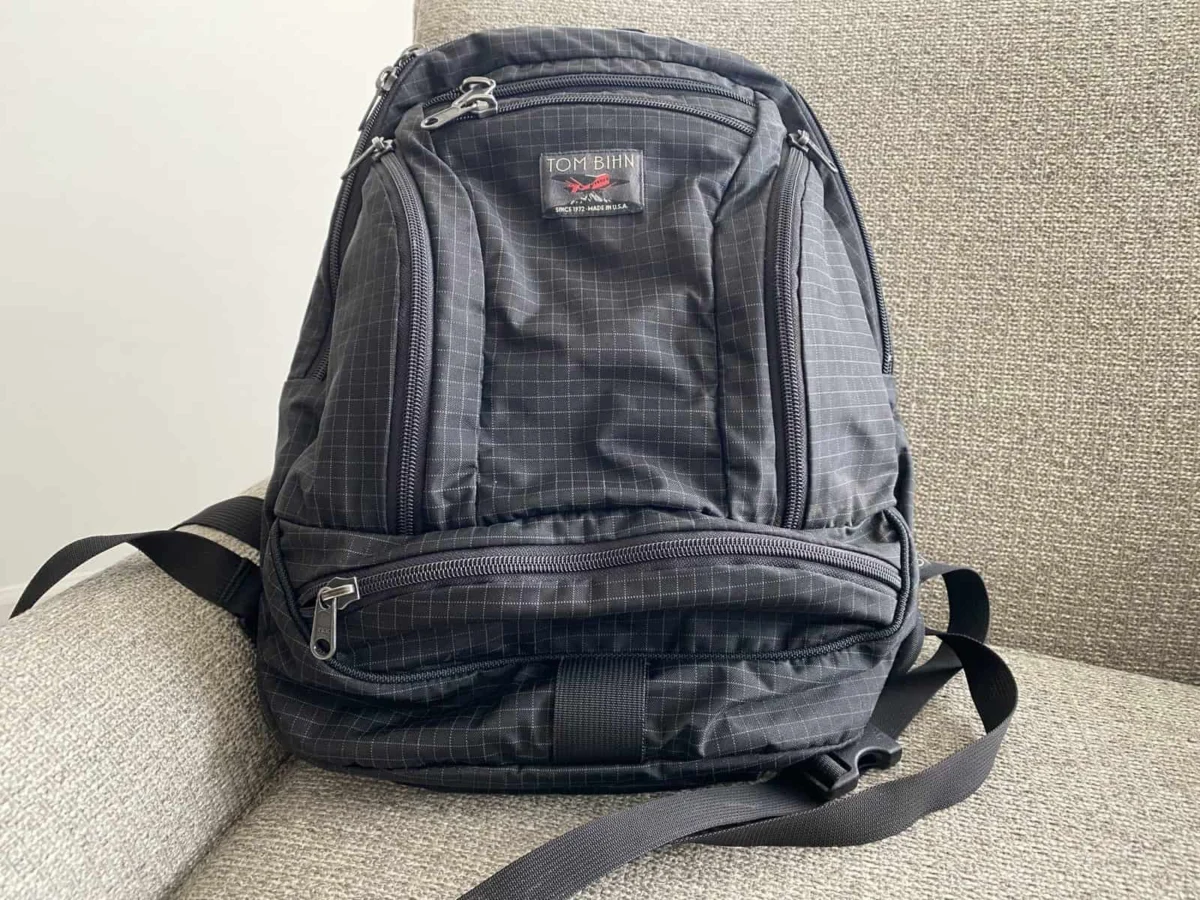
In an unusual confluence of events involving a medical emergency, a residential burglary, and a routine chimney cleaning, a backpack stolen more than three years ago in Brooklyn, New York, has been returned to its owner. The recovery of the personal effects, which occurred in the Park Slope neighborhood, highlights the idiosyncratic nature of property crime and the role of social media in reuniting individuals with lost or stolen belongings. The incident, which began in August 2017, reached a conclusion in early 2021, providing a rare example of property recovery long after law enforcement investigations typically go cold.
The 2017 Burglary: A Chronology of Events
The origins of this recovery date back to August 2017, a period of significant personal and physical transition for the victim, Jodi Ettenberg, a former lawyer and well-known travel writer. At the time, Ettenberg was house-sitting and cat-sitting in a residential apartment in Park Slope. On the day of the incident, she was admitted to an emergency room to undergo a lumbar puncture, commonly known as a spinal tap.
According to timestamps provided by the apartment’s internal security camera—a standard "baby cam" device—the burglary occurred at the exact moment Ettenberg’s medical procedure commenced at the hospital. The intruder entered the premises and utilized Ettenberg’s own "Synapse" daybag, manufactured by the high-end luggage company Tom Bihn, to collect various valuables.
While the thief made off with significant items, including a laptop, jewelry belonging to the permanent tenants, and cash, the perpetrator left behind Ettenberg’s Canadian passport and a small denomination of Canadian currency. This selective theft suggests a criminal profile focused on high-resale electronics and untraceable assets rather than identity documents, which often carry higher risks of federal investigation.
The Discovery and Social Media Intervention
The backpack remained missing for forty months. Its discovery was the result of preventative home maintenance rather than a police breakthrough. In late 2020, a resident living several houses away from the site of the original burglary contracted a professional chimney cleaner to service her home—a task that had not been performed in several years.
During the cleaning process, the technician discovered the backpack tucked into the side of a chimney vent on the roof of the building. The location suggests that the burglar may have used the rooftop as an escape route or a "sorting station," stashing the bag in a hidden crevice to avoid detection while fleeing the neighborhood.

Upon receiving the bag from the cleaner, the homeowner discovered several expired credit cards and business cards belonging to Ettenberg. Utilizing the digital footprint available through social media, the homeowner attempted to contact the owner via Facebook in December 2020. Due to Facebook’s filtering algorithms, which categorize messages from non-contacts into a "Message Requests" folder, the notification remained unseen for several weeks. It was only in January 2021 that Ettenberg discovered the message, leading to the eventual return of the property.
Analysis of Recovered Contents and Condition
The condition of the recovered items provides a case study in the durability of synthetic materials and the impact of environmental exposure. The backpack contained:
- Two pairs of prescription eyeglasses.
- Expired credit cards.
- A blue die (not belonging to the owner).
- Personal hygiene products (hand lotion and Tylenol).
- Travel-related business cards.
While the credit cards were obsolete and the toiletries were past their shelf life, the prescription glasses represented a significant find. Despite being subjected to three years of New York City’s seasonal temperature fluctuations—ranging from sub-zero winters to high-humidity summers—the frames remained intact, though significantly warped. Optical experts note that high-quality acetate and metal frames can often be reshaped through professional heat treatment, making such a recovery functionally valuable.
Notably absent were the high-value items: the laptop and jewelry. This aligns with standard criminal patterns where "fencing" of electronics occurs within 24 to 48 hours of a theft, while lower-value personal items are discarded or hidden to reduce the evidence carried by the perpetrator.
Crime Statistics and Recovery Rates in Park Slope
The 2017 burglary occurred within the jurisdiction of the New York Police Department’s 78th Precinct. At the time, Park Slope was experiencing a shift in crime dynamics. According to CompStat data from the NYPD, while overall crime in the city was trending downward in 2017, "burglary" and "grand larceny" remained persistent challenges in affluent residential pockets of Brooklyn.
Statistical analysis of property crime suggests that the recovery of stolen goods after the first 30 days is statistically improbable, often falling below a 5% success rate. The recovery of a bag after three years is considered a "statistical outlier." Most stolen property that is not immediately sold is either destroyed by the elements or ends up in landfills. The placement of the bag in a chimney vent provided a unique micro-environment that shielded the contents from direct rain and snow, preserving the items for over three years.
Medical and Psychological Implications
The recovery of the backpack served as a significant psychological trigger for the owner. The original theft coincided with a medical procedure that resulted in a debilitating spinal CSF (cerebrospinal fluid) leak, a condition that fundamentally altered Ettenberg’s life and career.

Psychologists specializing in trauma note that the return of stolen property can induce a "flooding" of memories, effectively "kicking up sediment" from past traumatic events. For Ettenberg, the bag represented a "liminal space"—a physical bridge between her former life as a mobile, global traveler and her current reality managing a chronic disability.
The logistical handling of the recovery was managed by a third party, a former legal colleague, to mitigate the emotional impact on the victim. This intermediary processed the bag—cleaning and disinfecting the fabric—before returning it to Ettenberg. In a gesture of social support, the friend filled the bag with "llama-themed" items, a tactical use of "positive anchoring" to overwrite the negative associations of the stolen object with new, supportive memories.
Corporate Responsibility and Community Response
The incident also highlights the role of brand-consumer relationships in the modern era. Upon learning of the original 2017 burglary through Ettenberg’s travel blog, Legal Nomads, the manufacturer, Tom Bihn, issued a replacement bag to the victim. This action reflects a growing trend in corporate social responsibility where companies engage directly with customers’ life events to build brand loyalty and community rapport.
Furthermore, the homeowner’s initiative to track down the owner via social media underscores the "digital neighborhood watch" effect. In urban environments like Brooklyn, where anonymity is common, the use of platforms like Facebook and LinkedIn has created a secondary infrastructure for returning lost property, bypassing traditional, and often overburdened, police lost-and-found systems.
Broader Impact and Conclusion
The story of the Park Slope backpack serves as a multifaceted narrative on the persistence of physical objects in a digital world. It illustrates several key points for public consideration:
- Digital Footprints: The importance of maintaining a searchable professional presence (business cards, websites) that allows well-meaning citizens to return found property.
- Home Maintenance: The unexpected role of routine services, such as chimney cleaning, in resolving cold cases or recovering lost items.
- Resilience of Materials: The ability of modern synthetic fabrics and medical-grade plastics (eyeglasses) to survive extreme environmental stress over multiple years.
- Community Interconnectivity: The power of individual agency in rectifying past wrongs, even years after the fact.
Ultimately, the bag was not kept by the original owner. Recognizing its "miraculous" recovery and its status as a symbol of a past life chapter, Ettenberg donated the bag to a friend. This act of "transmuting the bad into something useful" marks the final stage of property recovery: the restoration of the object to a functional role within the community, stripped of its criminal associations.
While the perpetrator of the 2017 burglary remains unidentified, the return of the property provides a sense of "closing the circle" for the victim and the Park Slope community. It stands as a reminder that even in a city of millions, the combination of human integrity and accidental discovery can occasionally reverse the consequences of a crime long forgotten by the system.
