

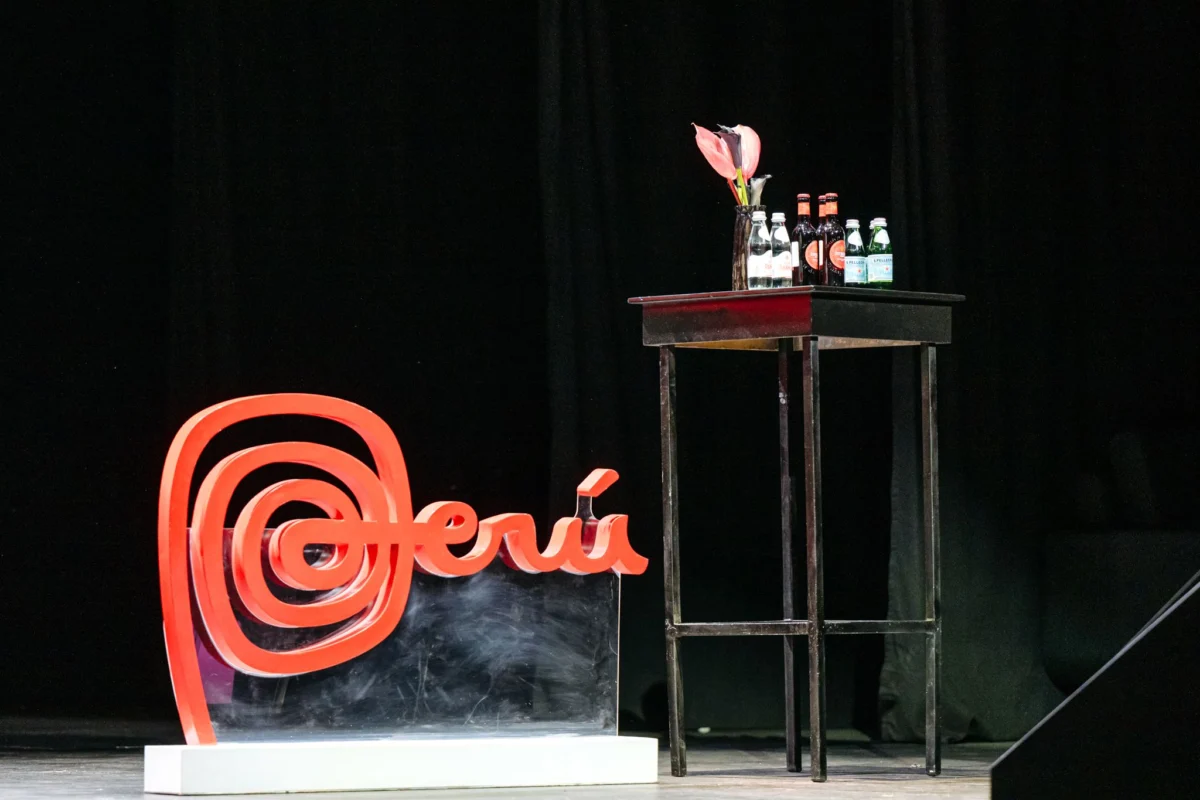
Asador Etxebarri, the revered Spanish Basque Country establishment, secured the prestigious title of the world’s best restaurant on Wednesday night, marking a significant moment as The 50, the organization formerly known as 50 Best, unveiled its annual ranking during a landmark ceremony in Lima, Peru—the first such event hosted in South America. The announcement positions Chef Bittor Arginzoniz’s unique grilling philosophy at the pinnacle of global gastronomy, drawing international attention to the subtle artistry of open-fire cooking. This triumph was not merely a recognition of culinary excellence but also a testament to the enduring appeal of traditional techniques elevated to extraordinary heights, contrasting with some of the more avant-garde approaches often celebrated on such lists.
The Champion of the Flame: Asador Etxebarri’s Ascent
Nestled in the picturesque Axpe valley, a rural enclave between the vibrant culinary hubs of Bilbao and San Sebastián, Asador Etxebarri has long been a pilgrimage site for discerning diners and some of the world’s most acclaimed chefs. Its elevation to the top spot follows a consistent presence on The 50’s esteemed list, having notably ranked No. 2 in the 2025 edition, solidifying its reputation as a consistent leader in fine dining. Chef Bittor Arginzoniz, a self-taught master, is the singular force behind Etxebarri’s unparalleled success. His genius lies in a profound understanding of fire—not merely as a cooking method, but as an ingredient itself. Arginzoniz meticulously matches the characteristics of various woods, such as holm oak, apple, or vine, with the specific plants, seafood, and proteins sizzling over their flames. This nuanced approach allows him to extract and enhance the intrinsic flavors of each ingredient, creating dishes of profound simplicity and depth.
The restaurant’s setting is as integral to its charm as its cuisine. Housed in a rustic, stone-built farmhouse, Etxebarri offers an experience that feels both authentic and profoundly luxurious. Its single Michelin star, held consistently, acknowledges the exceptional quality and consistency of its offerings. A tasting menu, priced around $337, offers guests an immersive journey through Arginzoniz’s philosophy, showcasing impeccably sourced ingredients—from succulent prawns grilled just so, to tender cuts of steak, all imbued with the subtle smokiness that is his signature. This victory underscores a growing appreciation within the fine-dining sphere for restaurants that champion ingredient integrity and masterful execution over elaborate theatricality, positioning Etxebarri as a beacon for a return to culinary fundamentals.
North American Acclaim and Global Culinary Diversity
Beyond the top honor, Wednesday night also celebrated other significant achievements. New York’s Atomix made a powerful statement, securing the No. 11 position globally and earning the coveted title of Best Restaurant in North America. Chef Junghyun Park, known for his refined Korean tasting menu presented in an intimate, counter-style setting, further distinguished himself by taking home the prestigious Chef’s Choice Award. This accolade, voted on by chefs from around the world, speaks volumes about Park’s peer respect and the innovative yet deeply rooted approach he brings to contemporary Korean cuisine. Atomix’s rise signifies the increasing influence of New York’s dynamic dining scene and the global appeal of modern interpretations of traditional Asian flavors.
The list itself, known for favoring elaborate and often expensive cooking, showcases a remarkable spectrum of culinary philosophies. While molecular gastronomy and avant-garde techniques frequently find favor, The 50 also champions the "simple elegance of a Spanish grill" (as exemplified by Etxebarri), the "sourcing mission of an Argentine steakhouse," or the "laidback cool of a Parisian neo-bistro." This reflects an evolving palate among the voting academy, one that appreciates both innovation and tradition, theatricality and understated perfection.
Among the other top contenders, Gaggan in Bangkok (No. 2) solidified its reputation as Asia’s Best Restaurant, with Chef Gaggan Anand continuing to push the boundaries of creative, genre-bending Indian cuisine. Alchemist in Copenhagen (No. 3), led by Chef Rasmus Munk, offered a distinctly different, highly experiential "holistic cuisine" that blends gastronomy with art, drama, and social commentary, often featuring dishes that mimic brains and eyeballs alongside "50 impressions" that are both edible and purely experiential. Quintonil in Mexico City, a two-Michelin-starred establishment led by Jorge Vallejo and Alejandra Flores, landed at No. 4. Their cuisine is a vibrant exploration of local, pre-Hispanic ingredients, meticulously woven into multi-course menus that deliver energized and unexpected flavor combinations. A November menu, for instance, might feature lobster in a pipián verde with makrut lime, or an heirloom white corn tamal with ayocote beans and young corn cream, priced around $327 per person. The consistent presence of these diverse culinary powerhouses underscores the global reach and varied tastes celebrated by The 50.
The Ceremony: A Shifting Stage and Ethical Considerations
The choice of Lima, Peru, as the host city for this year’s ceremony carried significant symbolic weight and followed a period of controversy. Earlier in the year, the organization faced considerable backlash when it announced Abu Dhabi as the initial host. Critics raised concerns about human rights violations in the United Arab Emirates, prompting a reevaluation. In June, The 50 officially announced the relocation to Lima, a decision that was widely seen as a response to these ethical pressures. Peru, already a culinary powerhouse and home to Maido—the Lima restaurant that clinched the No. 1 spot last year—proved a fitting alternative. The move not only sidestepped a contentious political issue but also highlighted South America’s burgeoning influence in the global gastronomic landscape.
Maido, last year’s winner, was notably absent from this year’s competitive list. Following its top-ranking achievement, it transitioned to the organization’s "Best of the Best" list, an exclusive pantheon of past number ones. This rule ensures a constant refresh at the top, allowing new restaurants to rise while honoring those that have previously reached the pinnacle. Other illustrious members of this elite group include Barcelona’s Disfrutar and New York’s Eleven Madison Park, cementing their legacies as enduring icons of fine dining. The "Best of the Best" designation creates a clear distinction between current contenders and established legends, fostering a dynamic and forward-looking competition each year.
Behind the Rankings: The 50’s Voting System and Its Critics
A spot on The 50’s annual list is universally recognized as one of the highest honors a restaurant can achieve, capable of transforming a restaurant’s profile, attracting global tourism, and dramatically increasing reservations. However, the methodology behind the rankings has not been without its critics. Questions have consistently been raised about the voting practices, particularly the contentious point that voters are not explicitly required to pay for their own meals. This has led to concerns about potential biases or perceived undue influence.
The organization, for its part, maintains a robust and transparent explanation of its system. It states that the list is compiled from the votes of more than 1,100 voters spread across 28 distinct geographical regions worldwide. To ensure a fresh perspective, a quarter of these voters are new each year. The voting body is carefully structured, comprising equal parts chefs and restaurateurs, food writers and critics, and "well-travelled gourmets"—a term used by The 50 website to describe experienced, discerning diners. Aside from the Academy Chairs, who oversee their respective regions, all voters are required to remain anonymous, a measure intended to protect the integrity of their choices and prevent external lobbying.
Despite these safeguards, the debate persists. There is no set criterion for what constitutes "the best," and while "every style of restaurant in the world is eligible," the list undeniably skews heavily towards high-end, fine-dining establishments. This contrasts with some other emerging "best-of" lists that have begun to incorporate more diverse dining experiences, including street food venues and more casual, albeit exceptional, eateries. This emphasis on luxury dining remains a defining characteristic of The 50, shaping its global impact and appeal within a specific segment of the culinary world.
A Call for Reform: Ana Ros’s Principled Stance
One of the most vocal critics of the current system is Ana Ros, the acclaimed chef behind the three-Michelin-starred Hiša Franko in Slovenia. Ros, who won The 50’s award for Best Female Chef in 2017, made headlines last month by publishing a powerful statement on Instagram explaining her decision not to attend the ceremony in Lima. Her core argument centered on the increasing role of "visibility within the system" as a currency for success. "When visibility becomes the currency," she wrote, "the ability to promote a restaurant in this system risks becoming as important as the work happening inside it."
Ros elaborated on her concerns in an interview, suggesting that restaurants and tourism boards often "more or less" know who the anonymous voters are. This alleged awareness, she claims, places restaurants in a difficult position, forcing them to make decisions about whether to pay for voters’ travel, meals, and other entertainment in an attempt to boost their standing. Such practices, if widespread, could fundamentally undermine the meritocratic principles that such awards aspire to uphold. Ros expressed a clear desire for reform, stating, "With more rules and a little bit more control, this list can really shine again."
Her restaurant, Hiša Franko, was ranked No. 60 on the extended list of 51-100 this year, a slight improvement from its 69th position last year, though a drop from its No. 48 ranking in 2024. Despite her criticisms of the system, Ros maintained a gracious stance, acknowledging that seeing her restaurant anywhere on the list was "a fantastic result" and extending her best wishes to all participants at the ceremony. Her outspoken position has ignited further discussion within the industry, prompting both introspection from the awards body and widespread debate among chefs and food enthusiasts about the future of such influential rankings.
The Broader Implications for Global Gastronomy
The annual unveiling of The 50 Best Restaurants list extends far beyond a simple ranking; it serves as a powerful arbiter of global culinary trends, influencing everything from chef aspirations to tourist itineraries. For a winning restaurant like Asador Etxebarri, the impact will be immediate and profound. Reservations, already highly sought after, are expected to soar, turning the small Basque Country town of Axpe into an even greater magnet for food lovers. This kind of recognition can also catalyze local economies, drawing attention to regional ingredients, culinary traditions, and nascent talent.
The event’s presence in Lima also significantly boosts Peru’s profile as a world-class gastronomic destination. Already celebrated for its unique fusion of indigenous, Spanish, African, and Asian influences, Peruvian cuisine receives invaluable global exposure, potentially inspiring more chefs to explore its rich pantry and diverse culinary heritage.
Ultimately, The 50 Best Restaurants list, despite its controversies and the ongoing debates surrounding its methodology, remains a crucial benchmark in the fine-dining world. It continues to spark conversation, highlight innovation, and celebrate the diverse artistry that defines contemporary gastronomy, even as calls for greater transparency and broader representation grow louder within the industry. The 2026 awards, with Asador Etxebarri at its helm, underscore a moment of both celebration and critical reflection for the global culinary community.
The 50 Best Restaurants for 2026
- Asador Etxebarri, Axpe, Spain
- Gaggan, Bangkok, Thailand
- Alchemist, Copenhagen, Denmark
- Quintonil, Mexico City, Mexico
- Wing, Hong Kong
- The Chairman, Hong Kong
- Kjolle, Lima, Peru
- Kadeau, Copenhagen, Denmark
- Diverxo, Madrid, Spain
- Plénitude, Paris, France
- Atomix, New York, United States
- Sorn, Bangkok, Thailand
- Mérito, Lima, Peru
- Sühring, Bangkok, Thailand
- Odette, Singapore
- Tuju, São Paulo, Brazil
- Mingles, Seoul, Korea
- Nusara, Bangkok, Thailand
- Jan, Munich, Germany
- Piazza Duomo, Alba, Italy
- Meet the Bund, Shanghai, China
- Boragó, Santiago, Chile
- Vyn, Simrishamn, Sweden
- Al Gatto Verde, Modena, Italy
- Lasai, Rio de Janeiro, Brazil
- Masque, Mumbai, India
- Reale, Castel di Sangro, Italy
- Trésind Studio, Dubai, United Arab Emirates
- Enigma, Barcelona, Spain
- Steirereck, Vienna, Austria
- Celele, Cartagena, Colombia
- Potong, Bangkok, Thailand
- Elkano, Getaria, Spain
- La Coquillage, Saint-Méloir-des-Ondes, France
- La Colombe, Cape Town, South Africa
- Ru Yuan, Hangzhou, China
- Nuema, Quito, Ecuador
- Atelier Moessmer Norbert Niederkofler, Brunico, Italy
- Schloss Schauenstein, Fürstenau, Switzerland
- Jordnaer, Copenhagen, Denmark
- Onjium, Seoul, Korea
- Bozar, Brussels, Belgium
- Le Calandre Padua, Italy
- Don Julio, Buenos Aires, Argentina
- Mayta, Lima, Peru
- El Chato, Bogotá, Colombia
- Le Louis XV–Alain Ducasse, Monaco
- Ikoyi, London, U.K.
- Naar, Kasauli, India
- Saint Peter, Sydney, Australia
