

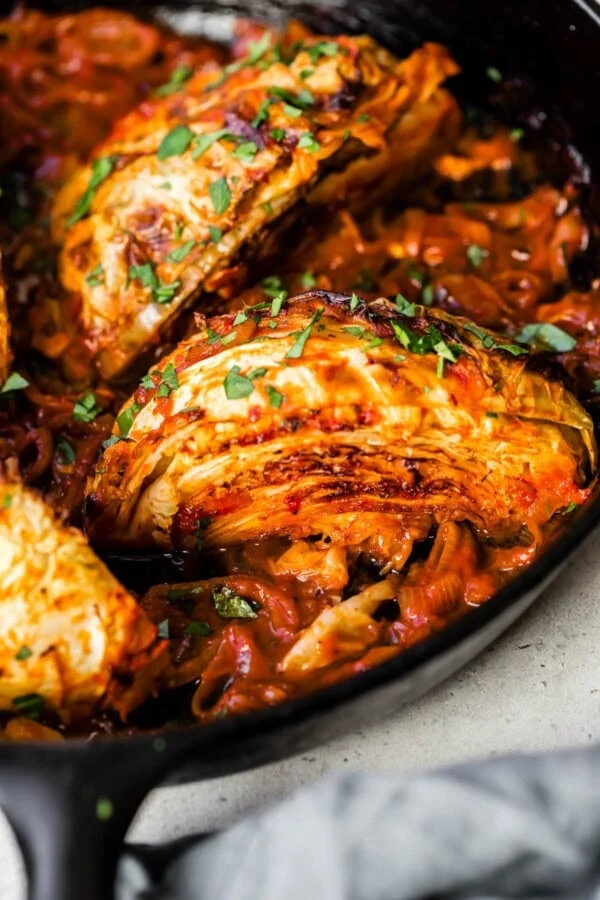
The culinary landscape is constantly evolving, with a renewed focus on elevating humble ingredients into dishes of profound flavor and texture. A prime example of this trend is the increasingly popular "melting cabbage" phenomenon, epitomized by the recent feature from Skinnytaste: Braised Cabbage Wedges. This simple yet sophisticated skillet side dish transforms an often-overlooked vegetable into a meltingly tender, savory experience, simmered in a rich tomato and wine sauce. It offers a fresh perspective on cabbage, moving it beyond its traditional roles in coleslaw or heavy stews to a place of refined elegance on the modern plate.
The Resurgence of Cabbage: A Culinary Narrative
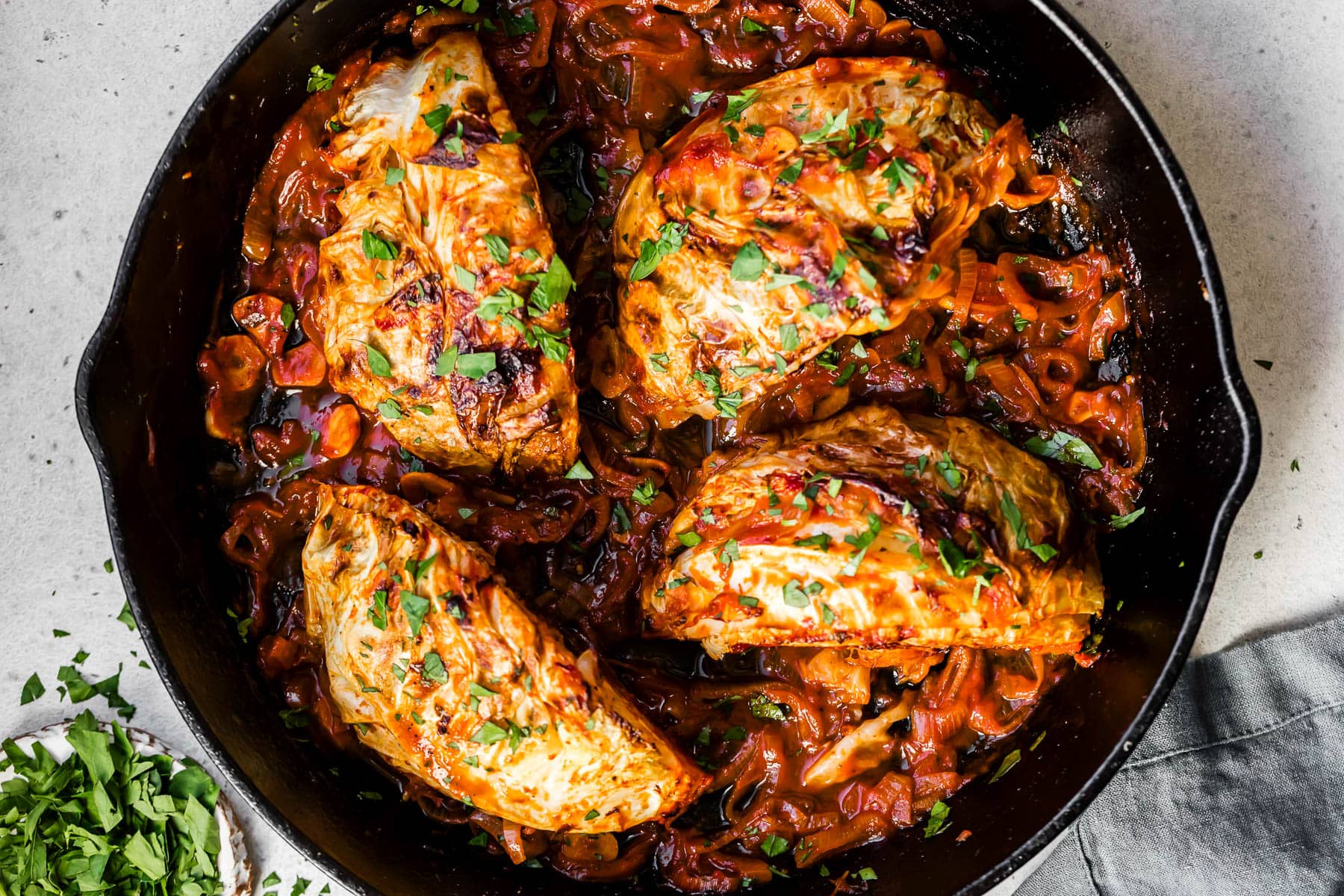
Cabbage, a cruciferous vegetable belonging to the Brassica oleracea family, boasts a long and storied history, predating recorded history by thousands of years. Originating from wild cabbage native to coastal southern and western Europe, it has been cultivated for at least 4,000 years, with evidence of its use by the ancient Greeks and Romans. For centuries, cabbage served as a dietary staple across Europe and Asia, valued for its hardiness, long shelf life, and nutritional density, especially during colder months when other fresh produce was scarce. Its versatility led to countless regional preparations, from German sauerkraut and Korean kimchi to Irish colcannon and various Eastern European stuffed cabbage rolls.
Despite its rich heritage and undeniable benefits, cabbage often finds itself relegated to supporting roles or perceived as a mere filler ingredient in many contemporary Western diets. Gina Homolka, the founder of Skinnytaste, insightfully notes this perception, stating, "Cabbage is an underrated vegetable. Besides coleslaw, it’s not often considered for a side dish. Hopefully, this easy melting cabbage recipe will change your mind." This sentiment underscores a broader culinary challenge: to reintroduce and re-imagine ingredients that have fallen out of vogue or been typecast into limited applications. The braised cabbage wedges recipe directly addresses this, aiming to showcase the vegetable’s inherent potential for depth and delicacy when prepared with care and thoughtful technique.
Nutritional Profile and Health Advantages
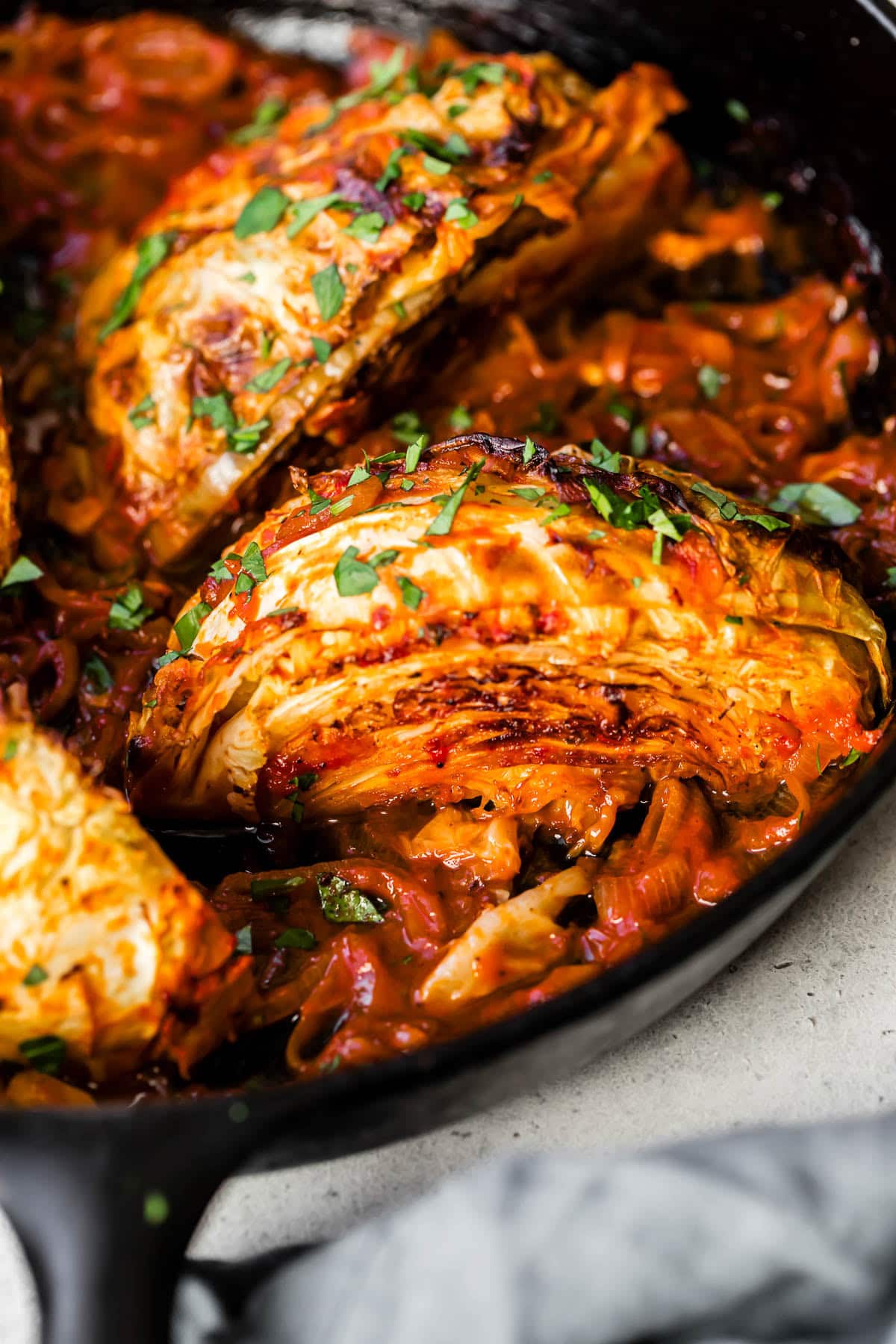
Beyond its culinary versatility, cabbage is a nutritional powerhouse, aligning perfectly with the growing demand for health-conscious yet flavorful cuisine. The Skinnytaste recipe for braised cabbage wedges, with a serving size of one-quarter of the recipe, provides approximately 167.5 kcal, 22g carbohydrates, 5g protein, 6g fat (3.5g saturated), 15.5mg cholesterol, 643.5mg sodium, 7g fiber, and 10.5g sugar. This profile highlights several key health benefits:
- Rich in Fiber: With 7 grams of fiber per serving, this dish significantly contributes to daily fiber intake recommendations. Dietary fiber is crucial for digestive health, promoting regularity, aiding in satiety (which can assist with weight management), and helping to regulate blood sugar levels.
- Vitamins and Minerals: Cabbage is an excellent source of Vitamin C, a powerful antioxidant vital for immune function, skin health, and collagen production. It’s also high in Vitamin K, essential for blood clotting and bone health. Lesser amounts of other B vitamins, folate, and minerals like potassium and manganese are also present, contributing to overall well-being.
- Antioxidant Properties: Like other cruciferous vegetables, cabbage contains various antioxidants and phytonutrients, including glucosinolates, which have been studied for their potential anti-inflammatory and cancer-protective properties.
- Low in Calories, High in Nutrients: Its relatively low caloric count combined with a dense nutrient profile makes it an ideal food for those seeking to enhance their diet without excessive caloric intake. The healthy fats from butter (or olive oil, a common substitute in health-conscious cooking) contribute to nutrient absorption and satiety.
- Sodium Content: While the sodium content is noted, it is important to remember that recipes often include added salt for seasoning. Home cooks have the flexibility to adjust salt levels to their dietary needs, and pairing with unsalted components can balance the overall meal. The recipe’s inclusion of a savory tomato and wine sauce naturally contributes to a rich flavor profile that may allow for less added sodium while maintaining palatability.
This nutritional breakdown underscores why cabbage is a valuable component of a balanced diet, especially when prepared in a way that maximizes its flavor and appeal, as demonstrated by the braised wedges.
The Alchemy of Braising: Technique and Transformation

The magic behind "melting cabbage" lies in the braising technique. Braising is a combination cooking method that uses both wet and dry heats. Typically, the food is first seared at a high temperature, then finished in a covered pot with a small amount of liquid, resulting in a tender, succulent product. For these cabbage wedges, the process unfolds with distinct, flavor-building steps:
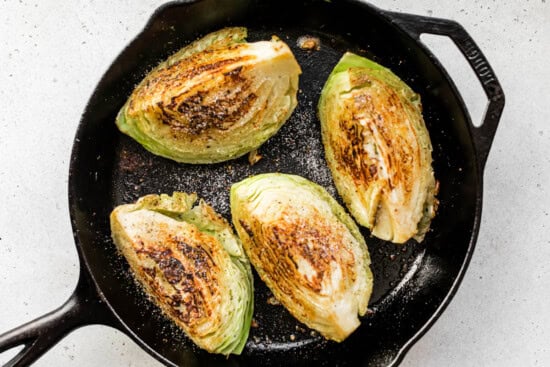
- Searing/Browning: The initial step involves browning the cabbage wedges in butter. This is not merely for aesthetics; it is a critical stage that initiates the Maillard reaction, a complex chemical process responsible for the deep, savory, umami flavors and attractive golden-brown crust. Caramelization of the natural sugars in the cabbage also occurs, adding a layer of sweetness and complexity that raw or simply boiled cabbage lacks. This preliminary searing locks in flavor and creates a more robust foundation for the dish.
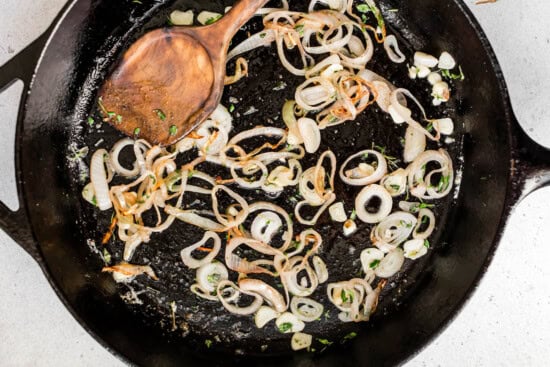
- Aromatic Foundation: After the cabbage is seared, aromatics like shallots (or onions, as a variation) are sautéed. Shallots, with their milder, sweeter, and more delicate flavor profile compared to onions, contribute an elegant base to the sauce. Sautéing them until softened and translucent releases their essential oils and deepens their flavor.
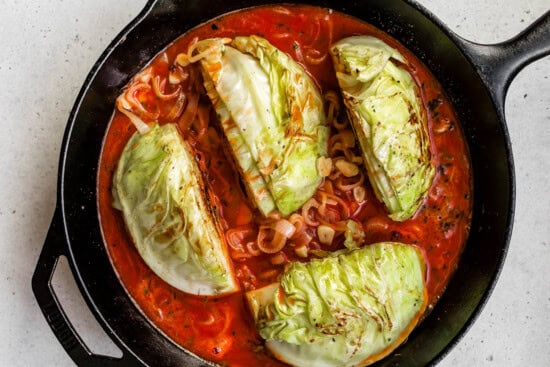
- Building the Braising Liquid: The savory tomato and wine sauce is then constructed. Tomato paste, especially double-concentrated varieties, adds a rich, umami depth and a touch of sweetness. The wine (a dry white is suggested) contributes acidity and complex aromatics, deglazing the pan and incorporating any flavorful fond left from searing the cabbage and sautéing the shallots. For those preferring an alcohol-free option, substituting broth with a splash of white or red wine vinegar is an excellent alternative, maintaining the crucial acidic balance. The liquid is then brought to a simmer, creating the perfect environment for slow cooking.
- Slow Simmering: The seared cabbage wedges are nestled into this aromatic liquid, covering roughly the bottom half of the wedges. The pan is then covered, allowing the cabbage to simmer gently. This slow cooking process breaks down the tough cell walls of the cabbage, transforming its crisp texture into the desired "meltingly tender" consistency. The cabbage absorbs the flavors of the rich braising liquid, becoming infused with tomato, wine, and aromatics. The liquid gradually reduces, concentrating its flavors and thickening slightly, creating a luscious sauce that coats each tender wedge.
- Monitoring and Adjustment: A key aspect of successful braising is monitoring the liquid level. If the broth reduces too much, risking dryness or scorching, a splash of water or additional broth is added. This ensures continuous, even cooking and prevents the development of bitter or burnt flavors.
This meticulous process, outlined in the recipe, transforms an inexpensive and often underutilized vegetable into a sophisticated side dish, reminiscent of meatless stuffed cabbage due to its tender layers steeped in a rich sauce. It showcases how proper technique can unlock profound culinary potential.
The Skinnytaste Philosophy: Making Healthy Delicious

The Braised Cabbage Wedges recipe is a perfect embodiment of the Skinnytaste philosophy. Founded by Gina Homolka, Skinnytaste has become a leading platform for healthy, family-friendly recipes that do not compromise on flavor. The brand’s success lies in its ability to make nutritious eating accessible and enjoyable, dispelling the myth that healthy food must be bland or restrictive.
Homolka’s personal statement regarding cabbage highlights her mission: to inspire home cooks to look beyond conventional uses for ingredients and embrace their full potential. The "melting cabbage" concept aligns with this by offering a dish that is:
- Flavor-Forward: The savory tomato and wine sauce, combined with caramelized cabbage, ensures a delicious experience.
- Nutritionally Sound: As detailed earlier, the recipe leverages cabbage’s inherent health benefits.
- Accessible: Using readily available and affordable ingredients, it makes healthy eating attainable for a wider audience.
- Easy to Prepare: Described as an "easy skillet side dish," it fits into the busy schedules of modern home cooks.
The emphasis on creating hearty yet light side dishes that pair well with various proteins (roast chicken, pork tenderloin, meatloaf) further illustrates Skinnytaste’s commitment to providing complete, balanced meal solutions. The mention of serving it with mashed potatoes to soak up the sauce speaks to a practical, comforting approach to cooking that resonates deeply with home cooks.
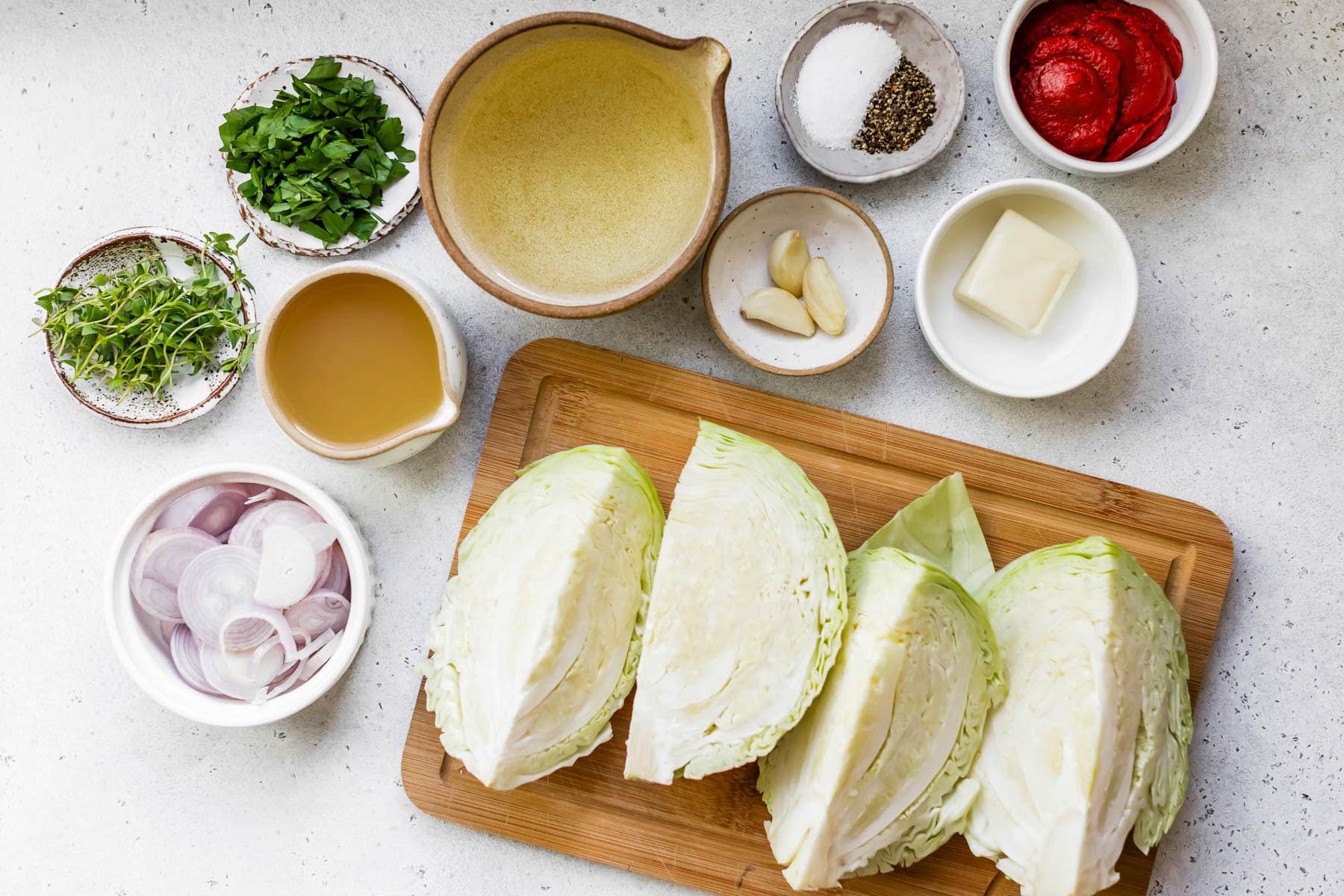
Broader Culinary Impact and Accessibility
The promotion of recipes like Braised Cabbage Wedges has significant implications for contemporary food culture. It contributes to several burgeoning trends:
- Vegetable-Forward Cuisine: There’s a growing global movement towards plant-centric diets and dishes where vegetables are the star, not just an afterthought. Recipes that elevate vegetables to this status encourage greater consumption and appreciation.
- Sustainable Eating: Cabbage is a sustainable crop, requiring fewer resources than many animal proteins and often available locally. Promoting its use contributes to more environmentally conscious eating habits.
- Budget-Friendly Gourmet: In an era of rising food costs, showcasing how affordable ingredients like cabbage can be transformed into gourmet-level dishes offers practical solutions for home cooks seeking both economy and quality.
- Culinary Education: Recipes that meticulously detail techniques like braising serve as educational tools, empowering home cooks to expand their skills and confidence in the kitchen.
- Adaptability for Diverse Diets: While the original recipe may not be strictly vegetarian or vegan due to butter and optional wine, its core components are plant-based. Simple modifications (e.g., using olive oil instead of butter, vegetable broth instead of chicken broth, and omitting wine or using vinegar) can easily make it suitable for various dietary preferences, further broadening its appeal.
The rise of platforms like Skinnytaste, which democratize access to well-tested, flavorful, and health-conscious recipes, plays a crucial role in shaping public perception and culinary habits. By highlighting the potential of an "underrated vegetable," they contribute to a richer, more diverse, and more sustainable food future.
Versatility on the Plate: Serving Suggestions and Customization
The beauty of braised cabbage lies not only in its taste but also in its remarkable versatility. The recipe suggests classic pairings that highlight its comforting and complementary nature:
- Roast Chicken: The savory, slightly acidic tomato-wine sauce cuts through the richness of roast chicken, providing a balanced counterpoint.
- Pork Tenderloin: Pork and cabbage are a classic combination, and the tender cabbage offers a delicious textural and flavor contrast to lean pork.
- Meatloaf: The braised cabbage acts as a lighter, flavorful side that complements the hearty, often savory profile of meatloaf, especially when served with mashed potatoes to absorb the delicious sauce.
- Mashed Potatoes: As suggested, mashed potatoes are an ideal accompaniment, serving as a neutral canvas to soak up the flavorful braising liquid, creating a satisfying and complete dish.
Beyond these suggestions, the recipe itself offers several practical variations, demonstrating its inherent adaptability:
- Cabbage Type: Using red cabbage instead of green not only introduces a beautiful color but also a slightly different flavor profile and potentially more antioxidants.
- Aromatic Swap: Substituting shallots with half a small red or yellow onion maintains the aromatic foundation while offering a slightly sharper flavor.
- Tomato Paste Options: The distinction between double-concentrated and regular tomato paste, with the suggestion to add sugar for regular paste, empowers cooks to adjust sweetness and intensity based on pantry availability.
- Wine Alternatives: The option to use all broth with a tablespoon of white or red wine vinegar is excellent for those avoiding alcohol, ensuring the crucial tanginess is retained.
Further customization could include adding other herbs (thyme, oregano), a pinch of red pepper flakes for heat, or even a sprinkle of parmesan cheese or nutritional yeast at the end for an extra layer of umami. These variations allow home cooks to personalize the dish to their preferences and available ingredients, enhancing its appeal and ensuring it never becomes monotonous.
Practical Considerations: Storage and Meal Prep
For the busy home cook, the practical aspects of a recipe – especially storage and meal prep – are paramount. The Braised Cabbage Wedges excel in this regard:
- Storage: Leftovers can be stored in an airtight container in the refrigerator for several days. This makes it an ideal dish for batch cooking or preparing in advance.
- Meal Prep Suitability: Like many braised dishes, the flavors of the cabbage tend to deepen and meld further upon resting and reheating. This characteristic makes it an excellent candidate for meal prepping, allowing cooks to enjoy a flavorful, healthy side dish throughout the week with minimal effort on subsequent days.
- Reheating: The dish reheats well on the stovetop over low heat, or in the microwave, maintaining its tender texture and rich flavor. A splash of water or broth can be added during reheating if the sauce has thickened too much.
These practical benefits underscore the recipe’s value in a modern kitchen, where efficiency and the ability to prepare healthy meals ahead of time are highly prized.
Conclusion
The Braised Cabbage Wedges recipe, championed by Skinnytaste, is more than just a method for cooking cabbage; it is a testament to the power of thoughtful culinary technique and the ongoing quest to elevate everyday ingredients. By embracing the "melting cabbage" phenomenon, this dish successfully transforms a humble, often overlooked vegetable into a star. It provides a delicious, nutritious, and accessible side dish that challenges conventional perceptions of cabbage, proving that with the right approach, even the simplest ingredients can yield extraordinary results. In a world increasingly focused on healthy, sustainable, and flavorful eating, this recipe serves as a compelling reminder of the rich culinary potential residing in our pantries, waiting to be unlocked.
