

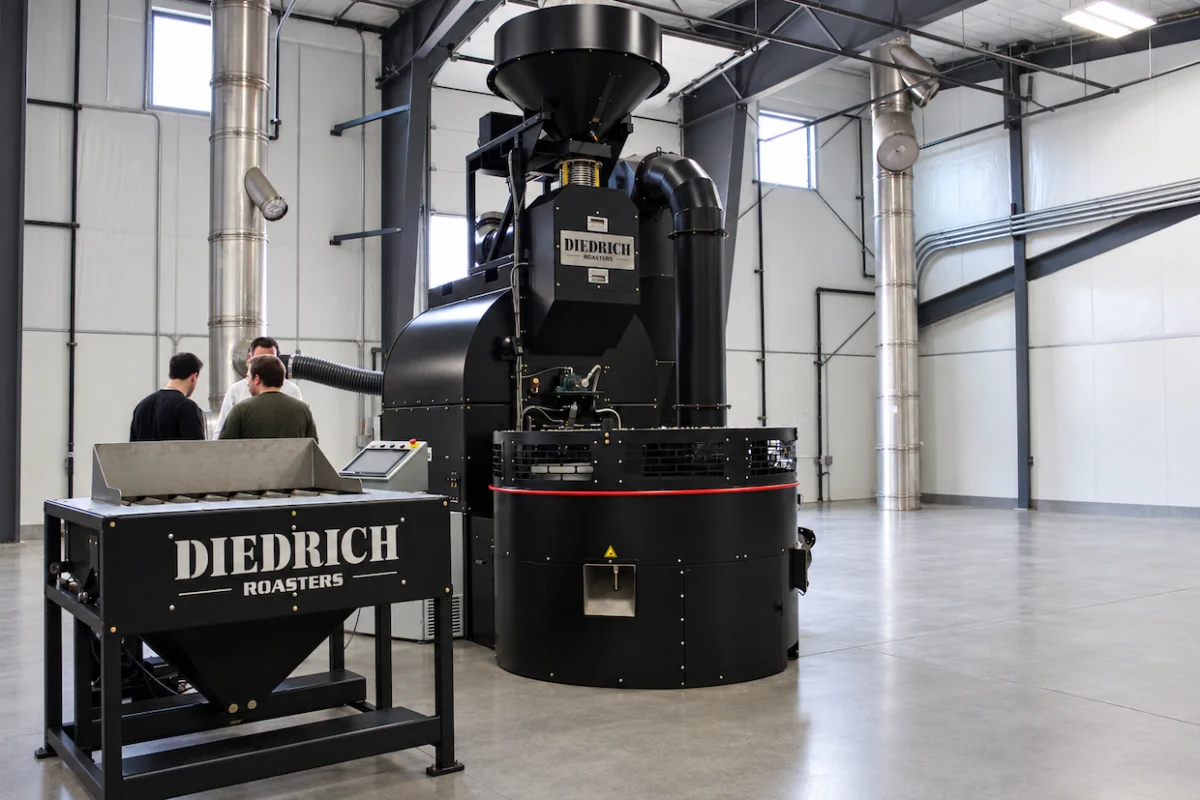
Idaho-based coffee roaster manufacturer Diedrich Roasters has officially concluded its strategic transition to a new generation of roasting equipment with the unveiling of the DR-140 model in October. This latest addition to their lineup is engineered to accommodate green coffee batches ranging from 70 to 140 kilograms, marking a significant step in their product evolution. The DR-140 serves as the successor to the highly regarded CR-140 model, promising substantial enhancements in process control and operational efficiency for midsize and larger commercial coffee roasters. These improvements are primarily driven by optimized heating and airflow systems, more sophisticated drum speed controls, and advanced automation capabilities. According to Diedrich, the DR-140 is designed to achieve a maximum hourly output of up to 560 kilograms, or approximately 1,232 pounds, of roasted coffee, positioning it as a powerful solution for high-volume operations.
A New Era of Roasting Technology
The introduction of the DR-140 completes Diedrich Roasters’ ambitious multi-year initiative to phase out infrared (IR) burner systems in its gas-fired roaster lineup. This strategic shift, which began with the launch of the DR-280 model in December of the previous year, signifies a commitment to more advanced and efficient roasting technologies. The new DR platform is fundamentally designed for superior energy transfer to the coffee beans, integrating refined airflow control with state-of-the-art automation to achieve more consistent and predictable roasting profiles. This technological overhaul is not merely about replacing older models; it represents a significant investment in research and development aimed at enhancing the core roasting experience for professional roasters.
Launtia Taylor, Chief Marketing Officer at Diedrich Roasters, articulated the company’s vision for the new generation. "The DR-140 builds on the legacy of our CR-140 by introducing a completely optimized platform that bridges the gap between artisan-level precision and high-volume industrial throughput," Taylor stated in an official announcement. This statement underscores the dual focus of the DR series: to empower artisan roasters with finer control over nuanced roasting techniques while simultaneously meeting the demanding output requirements of industrial-scale operations. The successful integration of these seemingly disparate goals is a testament to Diedrich’s engineering prowess and their deep understanding of the evolving coffee industry.
Engineering for Enhanced Control and Efficiency
At the heart of the DR-140’s advancements lie redesigned insulated roasting drums and sophisticated airflow systems. These engineering innovations facilitate more precise control over the movement of heat and air throughout the coffee bean mass. This enhanced control is crucial for developing more predictable and repeatable roast curves, particularly when working with larger batch sizes, where minor variations can have a magnified impact on the final product. The ability to consistently achieve desired flavor profiles across a wide range of production volumes is a key differentiator for high-end commercial roasters.
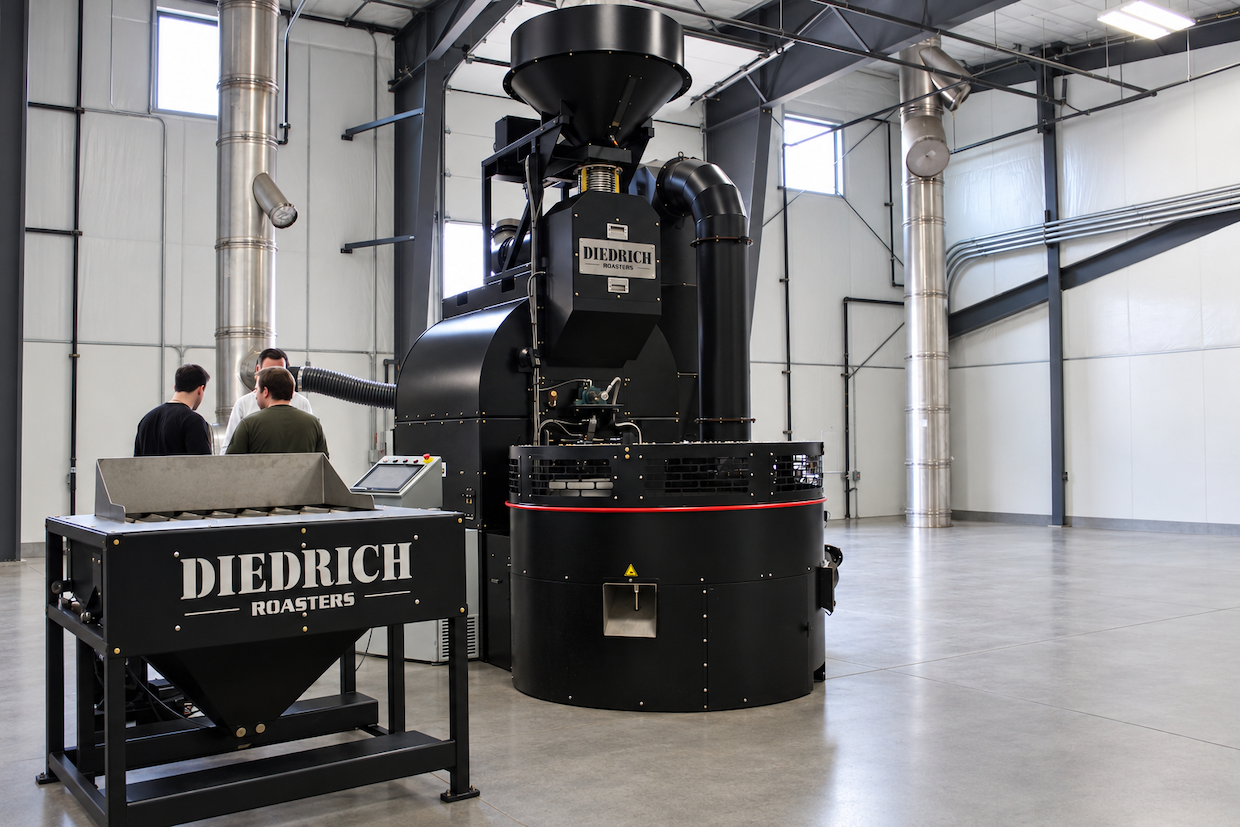
Furthermore, the DR-140 incorporates advanced safety and quality assurance features, including integrated water-quenching systems. These systems are designed for controlled cooling during the roasting process, helping to halt the roast at the precise moment of optimal development and prevent over-roasting. In addition to process cooling, the DR-140 offers emergency cooling capabilities for critical components such as the drum, cooling tray, cyclones, and chaff barrels, providing an extra layer of operational security. This comprehensive approach to temperature management reflects Diedrich’s commitment to both product quality and operational safety.
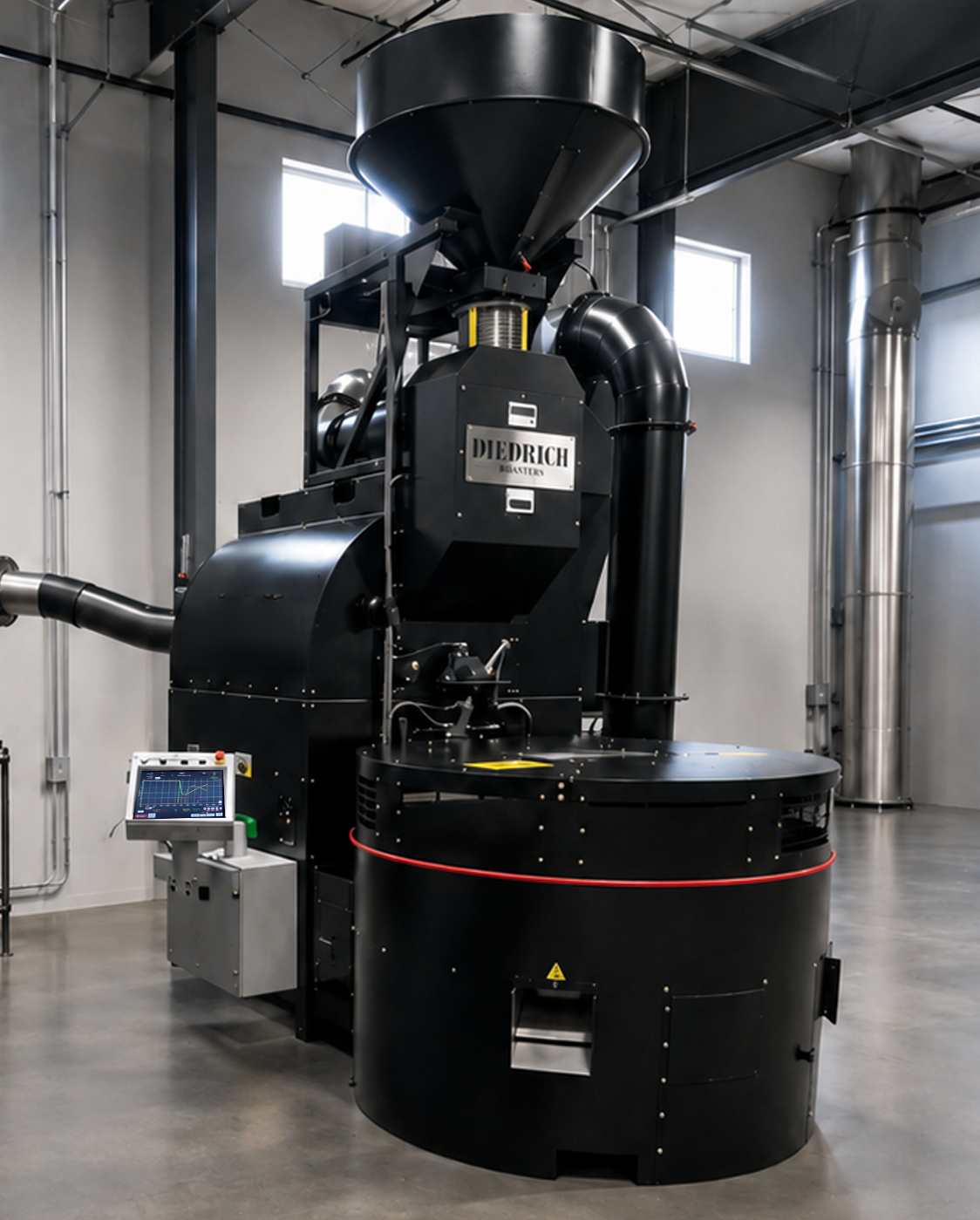
The new machines also feature Diedrich’s proprietary, in-house developed control software, which is built upon robust Allen-Bradley control systems. This integrated software solution offers roasters a seamless and intuitive interface for managing every aspect of the roasting process. The company emphasizes that both programming and ongoing technical support are handled internally by Diedrich’s dedicated engineering and service teams. This vertical integration ensures that customers receive timely and expert assistance, minimizing downtime and maximizing the return on their investment.
To further support its customer base, Diedrich Roasters provides direct access to factory-trained technicians and comprehensive, hands-on training programs. These programs are conducted at Diedrich’s facilities in Idaho and Schaumburg, Illinois, offering practical, real-world experience with the new equipment. This commitment to customer education and support extends to compatibility with popular third-party roast logging software, including Cropster and Artisan, allowing roasters to integrate the DR-140 into their existing data management workflows for detailed analysis and quality control.
A Phased Transition and Ongoing Support
The introduction of the DR-140 is the culmination of a strategic product line evolution that began several years ago. Diedrich first unveiled its DR generation with the smaller DR-25 model in 2021. This was followed by the DR-3 in early 2022, a model specifically designed to replace the popular IR-1 and IR-2.5 machines. Over the subsequent years, Diedrich systematically introduced DR models to replace the remaining IR machines in its specialty line. Concurrently, the company initiated a similar transition for its higher-capacity commercial line, moving away from the established CR designation in favor of the new DR platform.
This phased approach allowed Diedrich to meticulously refine its new generation of roasters, gather feedback from early adopters, and ensure a smooth transition for its diverse customer base. While the IR and CR models are no longer in active production, Diedrich Roasters has made a clear commitment to continued support for existing machines in the field. Launtia Taylor confirmed that the company will continue to provide essential parts and servicing for these legacy models. Furthermore, select newer components developed for the DR generation are being made available as upgrades for existing IR and CR machines, offering a pathway for older equipment to benefit from some of the advancements in the new platform. This commitment to long-term support is a significant factor for businesses that rely heavily on their roasting equipment and value the longevity of their investments.
Market Reception and Future Outlook
The reception to Diedrich’s new DR generation has been overwhelmingly positive, particularly for the larger capacity models. The DR-280, launched in December 2025, has reportedly become a "workhorse" for numerous businesses. Taylor noted that recent buyers of the DR-280 have included a wide spectrum of midsize and larger commercial coffee and food manufacturers across the United States. She highlighted instances of customers acquiring multiple machines for a single facility, with one notable client recently placing an order for four DR-280 units.
"The DR-280 has become the workhorse for a lot of companies," Taylor told Daily Coffee News. "We’ve just been very fortunate with that. Everybody likes that roaster because it fills a gap [in the industry]. The 280 for us has been extremely popular, so hopefully the 140 will be just as popular." This optimism is grounded in the observable market demand and the clear need for high-performance, reliable roasting solutions that can scale with growing businesses. The DR-140, by offering a significant capacity increase over its predecessor while incorporating the latest technological advancements, is well-positioned to capture a similar share of the market.
The implications of this generational shift extend beyond Diedrich Roasters and its direct customers. The broader coffee industry benefits from the continuous innovation in roasting technology. More efficient and precise roasting equipment can lead to improved coffee quality, greater consistency, and reduced operational costs for roasters, which can ultimately translate to better products for consumers. The emphasis on advanced automation and control also aligns with industry trends towards data-driven decision-making and the pursuit of ever-higher standards in specialty coffee production. As roasters continue to refine their craft and expand their reach, the availability of sophisticated tools like the DR-140 becomes increasingly vital.
Diedrich Roasters’ strategic move to a new generation of equipment, culminating with the DR-140, represents a significant milestone. It not only showcases their commitment to technological advancement but also their dedication to supporting their customers through transitions and beyond. The company’s focus on enhancing process control, efficiency, and safety, coupled with robust in-house support, positions the DR-140 as a leading choice for commercial roasters seeking to elevate their operations in a competitive and evolving market. The success of the DR-280 serves as a strong indicator of the potential for the DR-140 to achieve similar widespread adoption and acclaim within the global coffee roasting community.
