

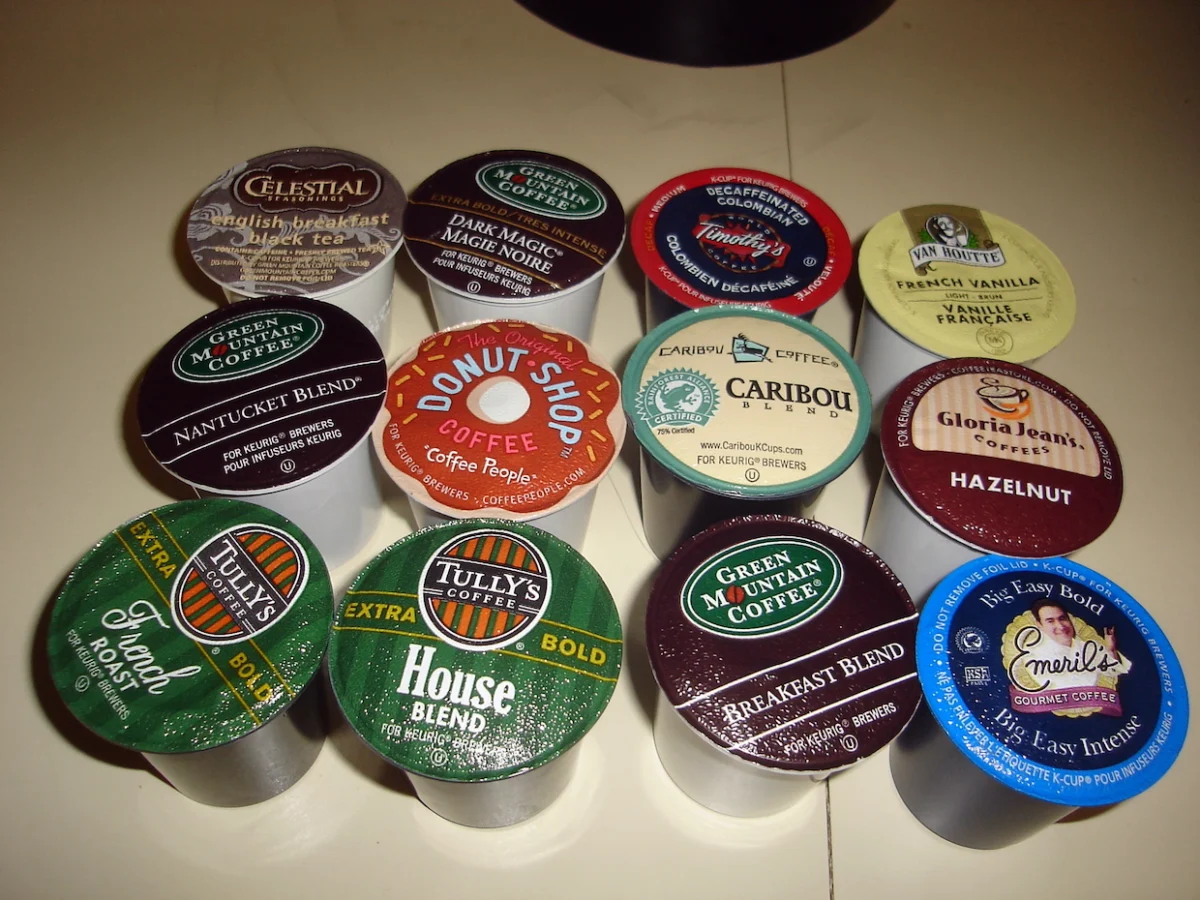
A federal judge has cleared a significant hurdle for plaintiffs in a sprawling 12-year legal battle, allowing key antitrust and false advertising claims against Keurig Green Mountain to proceed toward a trial. The ruling, detailed in a 139-page opinion issued on September 18 and publicly released on October 20, marks a pivotal moment in a protracted dispute over competition within the lucrative single-serve coffee market. U.S. District Judge Vernon S. Broderick of the Southern District of New York rejected Keurig’s comprehensive request to dismiss several central allegations without a trial, though some claims were indeed dismissed.
The legal challenge is spearheaded by a consortium of plaintiffs including JBR Inc., operating as Rogers Family Company and the entity behind San Francisco Bay Coffee; TreeHouse Foods, a major private-label food manufacturer; and McLane Company, a significant distributor. These entities accuse Keurig Green Mountain, now a subsidiary of Keurig Dr Pepper, of orchestrating an elaborate scheme to unlawfully maintain its dominant market share and artificially inflate coffee pod prices. Their core contention is that these anti-competitive practices intensified and persisted after the expiration of a critical K-Cup patent in 2012, an event that should have theoretically ushered in a more competitive landscape.
The Genesis of a Long-Standing Legal War
The roots of this extensive litigation can be traced back to 2014, when a series of lawsuits were filed across multiple federal courts. These individual complaints were subsequently consolidated in New York for coordinated pretrial proceedings, aiming to streamline the complex legal process. However, the underlying dispute between Keurig and Rogers Family Company, in particular, predates the 2014 filings. Evidence suggests that litigation between the two entities was ongoing as early as 2011, with Keurig initiating a patent infringement lawsuit against Rogers, alleging unauthorized production of K-Cup compatible pods. This history underscores the deep-seated nature of the competition and legal entanglements that have defined the single-serve coffee market for over a decade.
Key Allegations Moving Towards Trial
Judge Broderick’s ruling specifically permits several critical claims to proceed, focusing heavily on Keurig’s contractual agreements with major coffee brands and its dealings with suppliers and distributors.
One of the most significant areas that will be scrutinized at trial involves contracts Keurig forged with prominent coffee retailers and roasters, including giants like Starbucks, Dunkin’, Peet’s Coffee, and Caribou Coffee. The plaintiffs allege that these agreements contained restrictive covenants that unlawfully limited the ability of these partners to develop and market their own competing single-serve coffee products. Furthermore, some contracts allegedly capped the variety of coffee pod offerings that these partners could sell through Keurig’s proprietary system.
In his opinion, Judge Broderick explicitly stated, "Plaintiffs have created at least a genuine issue of material fact concerning whether the agreements with roasters harmed competition by preventing nascent competitors like Starbucks and Dunkin’ from competing with Keurig." This judicial finding suggests that the plaintiffs have presented sufficient evidence to warrant a jury’s examination of whether these contractual clauses constituted anti-competitive behavior that stifled emerging competition in the critical early years following the patent expiration.
Beyond agreements with coffee brands, the judge also allowed claims concerning Keurig’s contracts with packaging and machinery suppliers. These allegations posit that Keurig leveraged its market power to restrict these suppliers from engaging in business with Keurig’s competitors, further isolating rivals and hindering their ability to produce or distribute compatible coffee pods. Additionally, distributor contracts are under scrutiny, with plaintiffs claiming that these agreements were used to limit the sales channels for independently manufactured pods, thereby controlling market access.
Another pivotal aspect that will be debated at trial is the allegation that Keurig engaged in illegal tying arrangements. The plaintiffs contend that Keurig improperly bundled the sale of its own coffee brewers with the mandatory purchase of its proprietary or licensed coffee pods. Such practices, if proven, could constitute an abuse of market power, forcing consumers to buy Keurig’s pods even if cheaper or preferred alternatives were available, solely to utilize the brewer they purchased.
False Advertising Claims Gain Traction
In a separate but related development, the judge found that certain statements made by Keurig concerning the performance and safety of its Keurig 2.0 brewers when used with third-party pods were "literally false." These statements, which suggested that non-Keurig pods could impair the brewer’s functionality or pose safety risks, will also be subject to trial. The ruling preserves additional false advertising claims related to compatibility issues and warranty assurances, suggesting that Keurig may have misled consumers about the capabilities and limitations of its products. This aspect of the case highlights the intersection of antitrust concerns and consumer protection, where alleged misrepresentations could have played a role in maintaining market dominance.
Claims Dismissed by the Court
While the ruling allows significant portions of the case to proceed, Judge Broderick did dismiss certain claims. These include allegations pertaining to the design of Keurig’s 2.0 brewer, which the plaintiffs may have argued was intentionally engineered to limit compatibility with third-party pods. Claims related to specific retail agreements, earlier patent litigation strategies employed by Keurig, and acquisitions of competing roasters were also dismissed. Furthermore, the judge rejected the plaintiffs’ allegations that the major coffee roasters had engaged in an unlawful conspiracy to coordinate their actions against Keurig. This indicates that the court found insufficient evidence to support claims of a collusive agreement among the plaintiffs’ competitors.
Reactions and Future Outlook
Keurig, through a spokesperson, acknowledged the ruling, stating that it "validates several important portions of our defense and dismisses many of the plaintiffs’ theories." This suggests the company views the decision as a partial victory, emphasizing the claims that were dismissed.
Conversely, Rogers Family Coffee Co. CEO Lisa Smoot hailed the unsealed ruling as a "huge win" in an October 21 press release. "Our family company has been pursuing justice for over a decade," Smoot stated. "We remain committed to seeing this through to a just decision." This sentiment underscores the plaintiffs’ long-term commitment to challenging what they perceive as monopolistic practices in the single-serve coffee market.
The sheer volume of evidence considered in this case is staggering. Across more than 2,600 recorded documents generated over the past 12 years, Keurig has consistently disputed the plaintiffs’ allegations, arguing that its business practices have, in fact, fostered competition and offered consumers a wide array of choices. The company’s defense has centered on the idea that innovation and market dynamics, rather than anti-competitive maneuvers, have shaped the single-serve landscape.
As the case moves forward, no trial date has been definitively set. The court has indicated a potential availability for a New York trial in the second quarter of 2027. However, there is also a possibility that the Rogers Family Company’s case could be returned to California for trial, suggesting that the legal proceedings may continue to be geographically dispersed.
The Broader Implications for the Coffee Industry
This ongoing legal saga has significant implications for the entire coffee industry, particularly for the single-serve segment. The outcome of this trial could set important precedents regarding:
- Antitrust Enforcement in Evolving Markets: The case scrutinizes how antitrust laws apply to rapidly changing consumer product markets, especially those driven by proprietary technology and patent expirations. The court’s decisions on contract restrictions and alleged market monopolization will provide guidance for future cases.
- Consumer Choice and Innovation: A finding of anti-competitive behavior could lead to greater opportunities for third-party pod manufacturers, potentially driving down prices and increasing variety for consumers. Conversely, if Keurig’s practices are deemed lawful, it could reinforce the ability of dominant players to control their ecosystems.
- False Advertising Standards: The ruling on "literally false" statements reinforces the importance of accurate marketing for product compatibility and performance. This could compel manufacturers to be more transparent in their advertising, particularly in complex product categories.
The protracted nature of this litigation—spanning over a decade and involving extensive legal filings and judicial review—highlights the complexity of antitrust cases and the significant resources required to litigate them. As the single-serve coffee market continues to evolve with new technologies and consumer preferences, the legal battles surrounding its origins and competitive landscape will remain a critical point of interest. The upcoming trial promises to delve deeply into the business strategies and market conduct that have shaped one of the most popular and disruptive innovations in the modern coffee industry.
