

The Finnish Long Drink, known colloquially in its home country as "lonkero," has transitioned from a temporary logistical solution for the 1952 Helsinki Summer Olympics into a cornerstone of Finland’s national identity and a burgeoning force in the global beverage market. Originally conceived to streamline alcohol service for an influx of international tourists, this pre-mixed cocktail of gin and grapefruit soda has evolved far beyond its utilitarian origins. Today, the beverage represents a significant segment of the Nordic alcohol industry and is currently undergoing a rapid international expansion, capturing the attention of consumers across Europe, Asia, and North America.
Historical Genesis: The 1952 Helsinki Olympics
The origins of the Finnish Long Drink are inextricably linked to the geopolitical and social climate of post-war Finland. As Helsinki prepared to host the 1952 Summer Olympics, the Finnish government and the state alcohol monopoly, Alko, faced a significant challenge. The nation was still in a period of recovery following the Second World War, and the hospitality infrastructure was deemed insufficient to handle the high volume of visitors expected for the Games.
To alleviate the pressure on bartenders and ensure rapid service in crowded stadiums and restaurants, Alko commissioned the Hartwall brewery to create a pre-mixed, ready-to-drink (RTD) beverage. The result was the "Gin Long Drink," a blend of Finnish gin and grapefruit soda. While the 1952 Games are often noted in cultural history as the first Summer Olympics since 1912 to discontinue medals for art—preventing local figures such as Aale Tynni from defending her 1948 gold medal in literature—the introduction of the Long Drink provided a different kind of lasting legacy.
Initially, the product was intended to be a seasonal offering, strictly for the duration of the Olympics. However, the combination of crisp juniper notes and the tart, refreshing acidity of grapefruit resonated deeply with both locals and visitors. Due to overwhelming public demand, production continued, and the "lonkero" (the Finnish phonetic adaptation of "long drink") became a permanent fixture in the Finnish market.
Chronology of Market Evolution and Revival
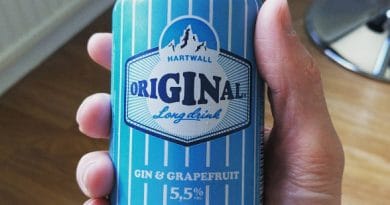
The trajectory of the Long Drink has not been without its fluctuations. By the 1970s, shifting consumer preferences and market regulations led to the temporary discontinuation of the original Hartwall formula. However, the product’s absence sparked a wave of nostalgia and a persistent demand for its return. Hartwall eventually reintroduced the "Original Long Drink," reclaiming its position as the market leader.
For several decades, the Long Drink remained a largely domestic phenomenon, a "cult classic" that international visitors would discover and remember as a unique Finnish quirk. It was not until the mid-2010s that a concerted effort toward global exportation began.
- 2015: Hartwall signed landmark distribution agreements to introduce the beverage to the Netherlands, Sweden, and Belgium.
- 2016: The expansion reached Asian markets, with Japan becoming a primary focal point for the gin-and-grapefruit profile.
- 2018–Present: The beverage made a high-profile entry into the United States market. This move was bolstered by the founding of "The Finnish Long Drink" company, which secured backing from high-profile investors and celebrities, successfully positioning the drink within the rapidly growing premium RTD category in North America.
Product Composition and Flavor Profile Analysis
The traditional Finnish Long Drink typically maintains an alcohol by volume (ABV) between 5% and 8%. While the original Hartwall recipe remains a closely guarded secret, the primary components are high-quality gin and a carbonated grapefruit soda that emphasizes white grapefruit rather than the sweeter ruby red varieties.
Industry experts distinguish between two primary production methods currently found in the market:
1. Gin-Based (The Original Standard)
The premium version of the drink, such as the Hartwall Original, uses a distilled gin base. Sensory analysis of this profile reveals a sophisticated balance. The nose is dominated by white grapefruit zest, while the palate offers a crispness reminiscent of a Gin and Tonic but without the bitterness of quinine. The juniper notes typically emerge mid-palate, providing a dry, clean finish that prevents the soda component from becoming cloying.
2. Fermented Variations
Due to varying tax laws and alcohol regulations in Finland and other countries, many producers offer a fermented version. In these instances, the alcohol is derived from a fermented sugar or malt base rather than distilled spirits. While these versions are more widely available in grocery stores (which, in Finland, are restricted to lower ABV and non-distilled beverages), connoisseurs often note a "duller" flavor profile where the yeast-derived alcohol can mask the delicate citrus and juniper notes.
Comparative Market Review: Hartwall vs. Laitila
As the category has expanded, several Finnish breweries have introduced their own interpretations of the classic lonkero. The two most prominent competitors offer distinct tasting experiences:
- Hartwall Original: Widely considered the gold standard, this version is praised for its acidity and integration of gin. It avoids excessive sweetness, maintaining a "gentle crispness" that appeals to adult palates.
- Laitilan Gini Long Drink: This competitor offers a more fruit-forward experience. Analysts note a profile that leans toward "ruby red" grapefruit notes, which can sometimes overshadow the gin. While refreshing, it is often cited as having less "London Dry" character than the Hartwall original.
The DIY Movement: Replicating the Lonkero Abroad
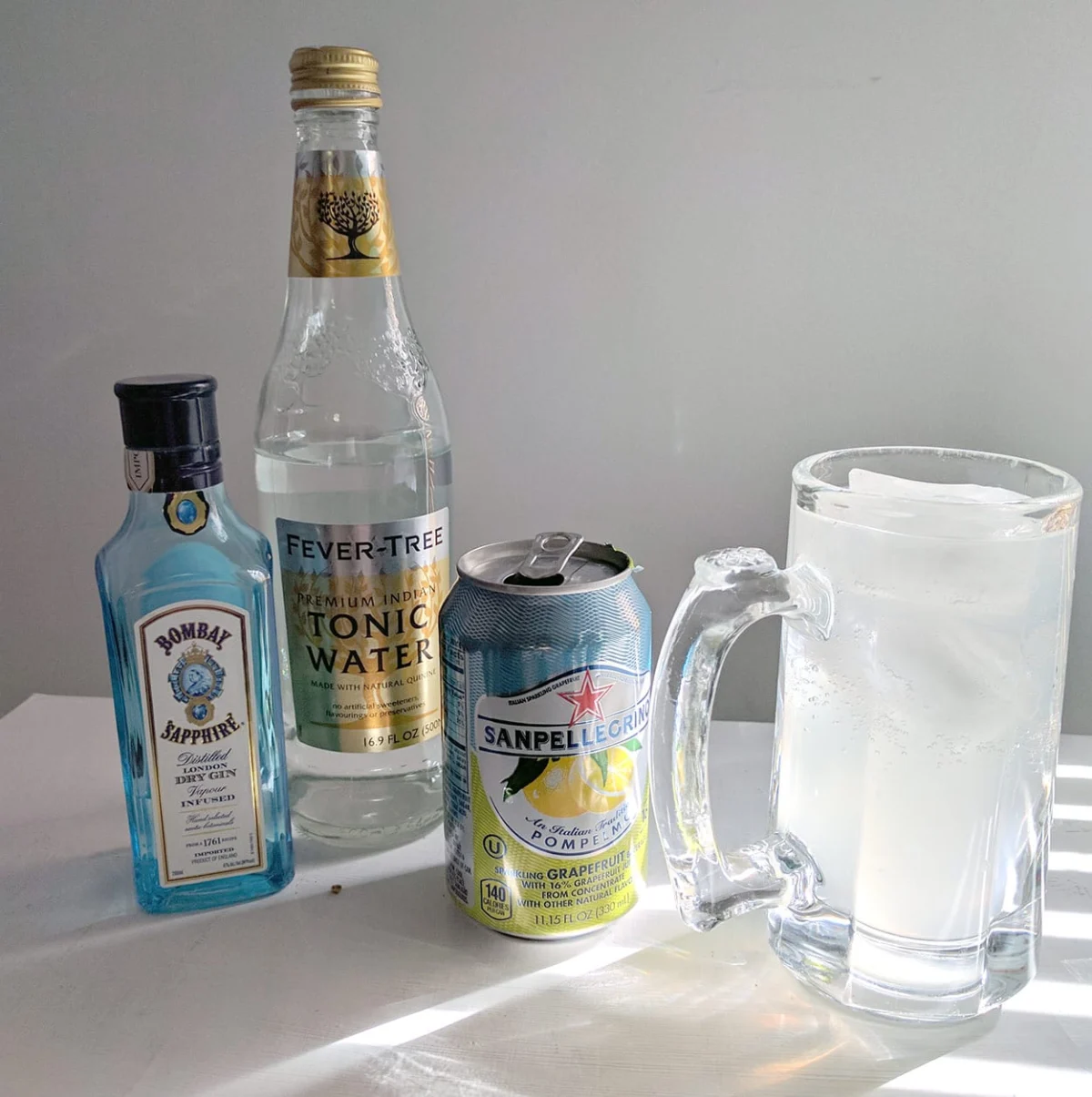
For consumers in regions where authentic Finnish imports remain scarce, a significant "Do-It-Yourself" (DIY) culture has emerged. Mixologists and enthusiasts have experimented with domestic ingredients to replicate the specific mouthfeel and flavor of the 1952 original.
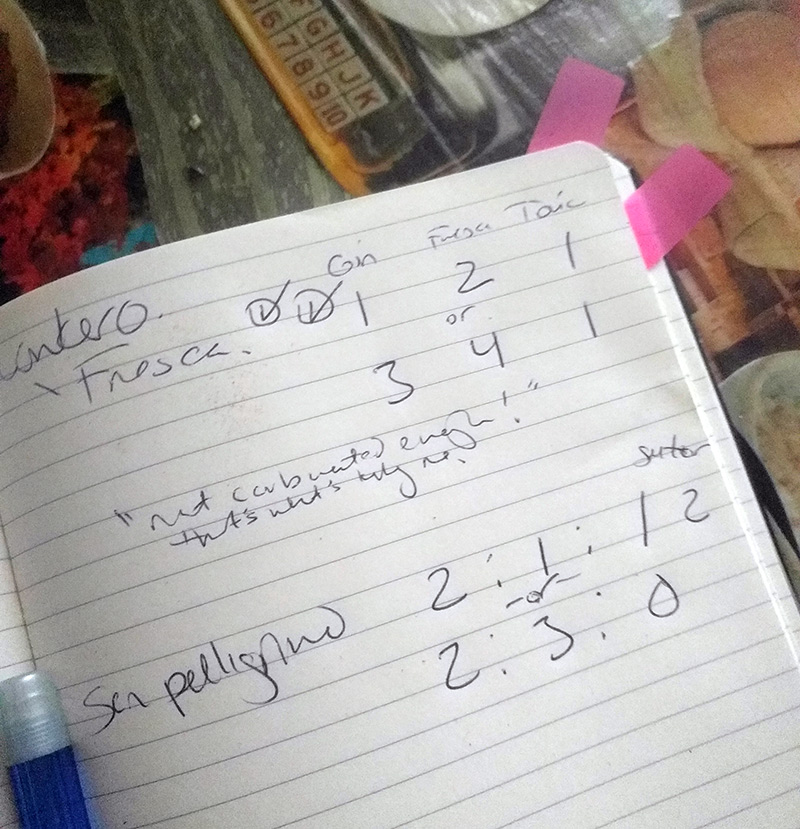
Through various tasting trials, the following conclusions have been reached regarding North American substitutes:
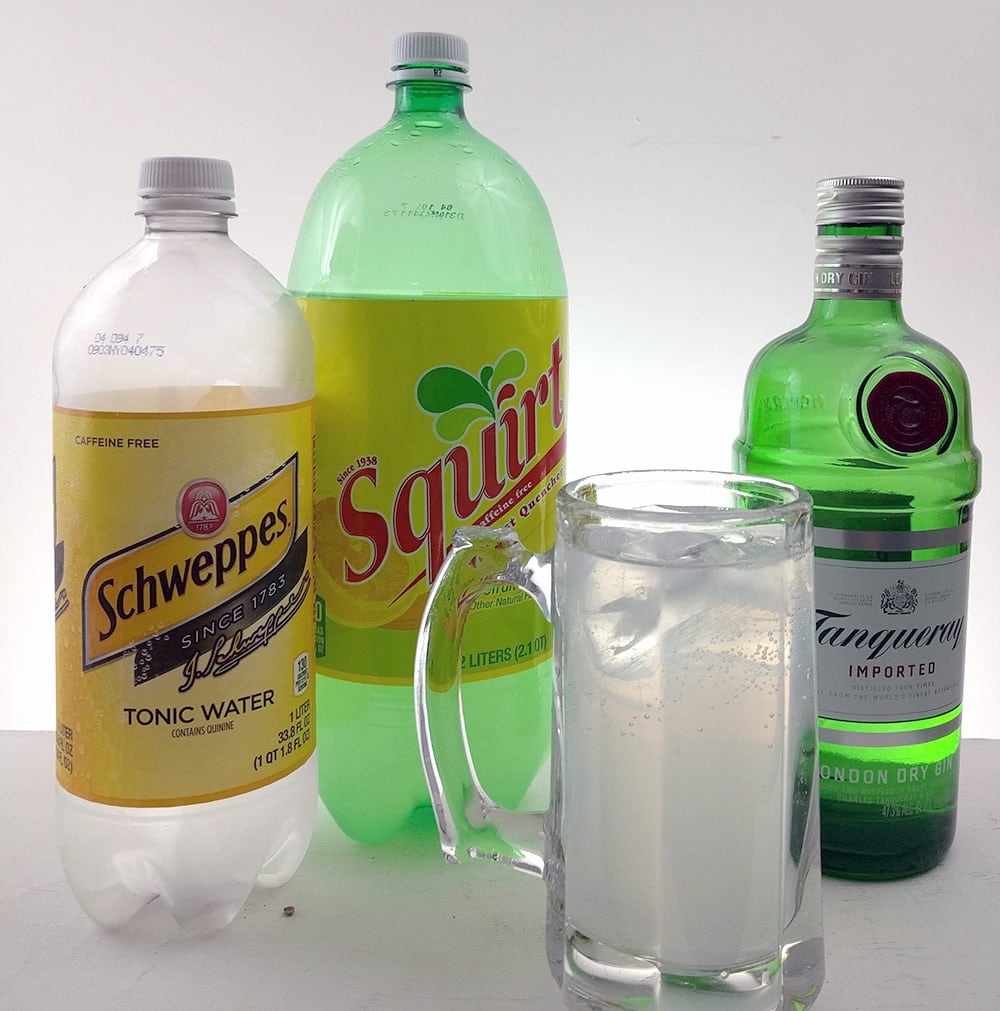
- The Soda Factor: Most American grapefruit sodas, such as Squirt, are deemed too sweet for a true lonkero. They lack the tart, acidic "bite" of Finnish grapefruit soda.
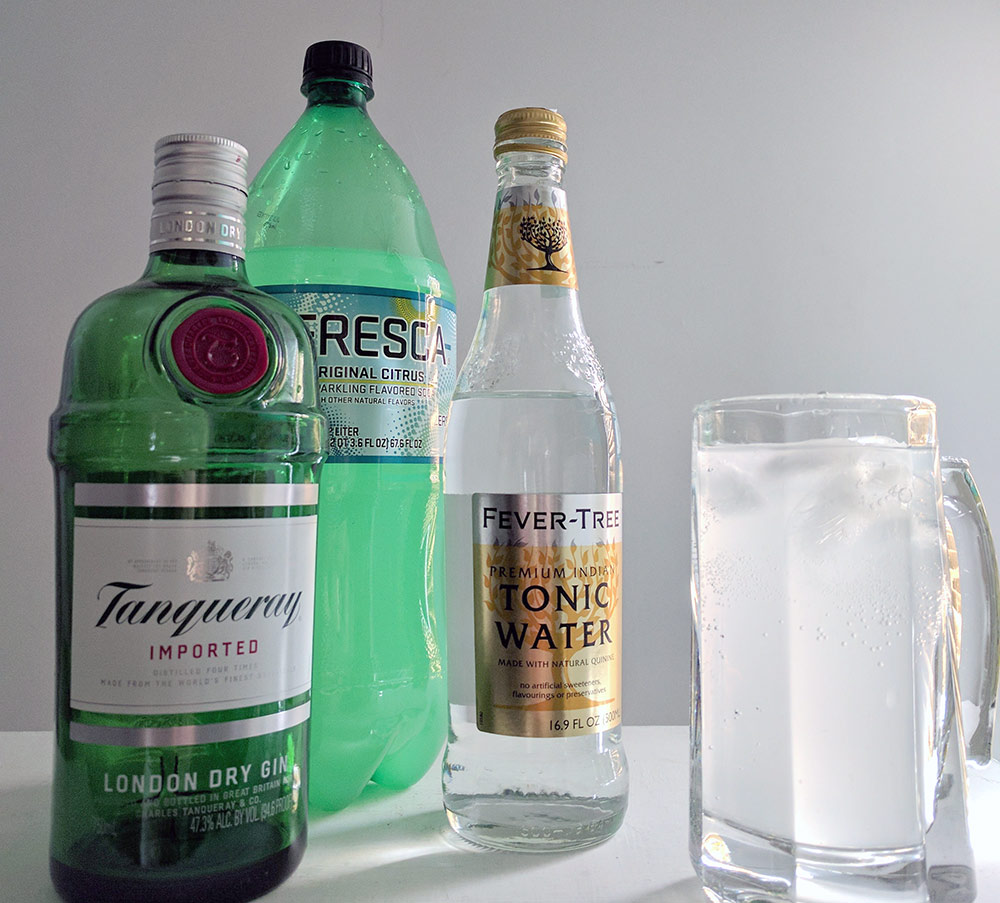
- The Fresca Alternative: Interestingly, beverage analysts have found that Fresca—a zero-sugar, citrus-flavored soda—comes closest to replicating the "dry" and "crisp" profile of the original Finnish cans when combined with a juniper-forward gin like Tanqueray.
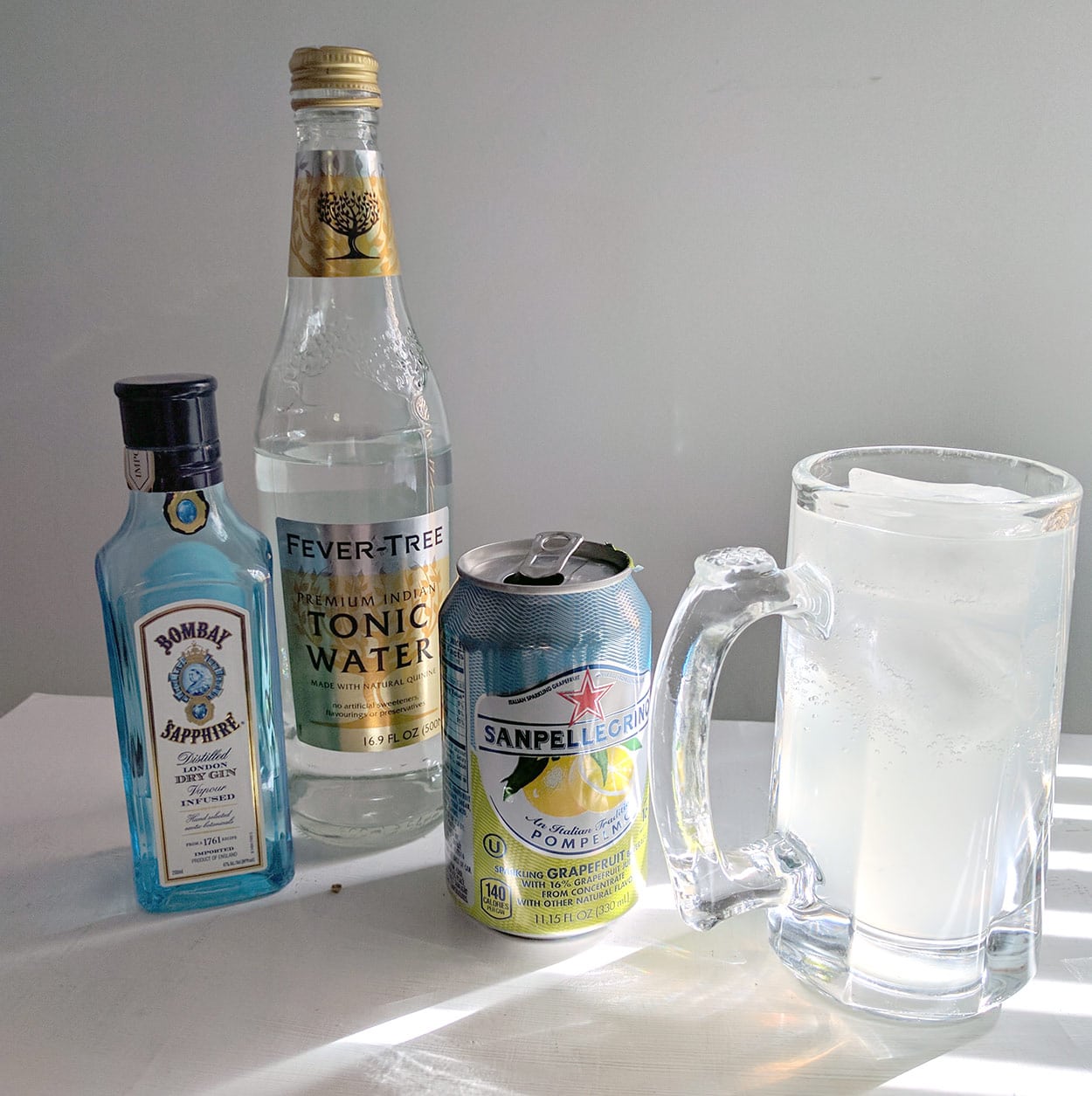
- The Grapefruit Tonic Approach: In some European markets, "Grapefruit Tonic" is available. When mixed at a 2:1 ratio with gin and garnished with lemon, it provides a sophisticated, though not identical, alternative.
- The Fresh Ingredient Challenge: Replicating the drink with fresh-squeezed white grapefruit juice often fails to capture the specific carbonation and "synthetic-nostalgic" note of the canned version. Experts suggest that a splash of lemon juice and simple syrup are necessary to balance fresh juice to meet the expected profile.
Broader Economic Impact and RTD Industry Trends
The rise of the Finnish Long Drink coincides with a massive shift in the global beverage industry. The Ready-to-Drink (RTD) and "Hard Seltzer" markets have seen exponential growth over the last five years. According to market research data, the global RTD alcohol market was valued at approximately $32.94 billion in 2021 and is projected to expand at a compound annual growth rate (CAGR) of 13.4% through 2030.
The Long Drink occupies a unique niche within this trend. Unlike hard seltzers, which are often malt-based and light on flavor, the Long Drink is a "spirit-based" RTD. This places it in the "premium" segment of the market, allowing producers to command higher price points and appeal to a demographic that values traditional distilling methods.
Furthermore, the expansion of the Long Drink has served as a form of cultural diplomacy for Finland. Similar to how Tequila is synonymous with Mexico or Champagne with France, the "lonkero" has become a recognizable liquid ambassador for Finnish design, efficiency, and social culture.
Implications for the Future of Spirits
The success of the Finnish Long Drink suggests a growing consumer appetite for regional heritage drinks that offer a story alongside a flavor profile. As the beverage continues to gain traction in the United States and Asia, it is likely that more localized variations will emerge. However, the "Original" designation held by Hartwall remains a powerful marketing tool, anchoring the brand in its 1952 Olympic history.
For the international spirits industry, the lesson of the Long Drink is clear: simplicity, history, and a distinct flavor profile (in this case, the specific interaction between juniper and grapefruit) are the key ingredients for a localized product to achieve global status. Whether consumed in a traditional Finnish sauna or a trendy bar in Manhattan, the "Long Drink" has solidified its place as one of the most successful beverage innovations of the 20th century, finally finding its stride in the 21st.
