

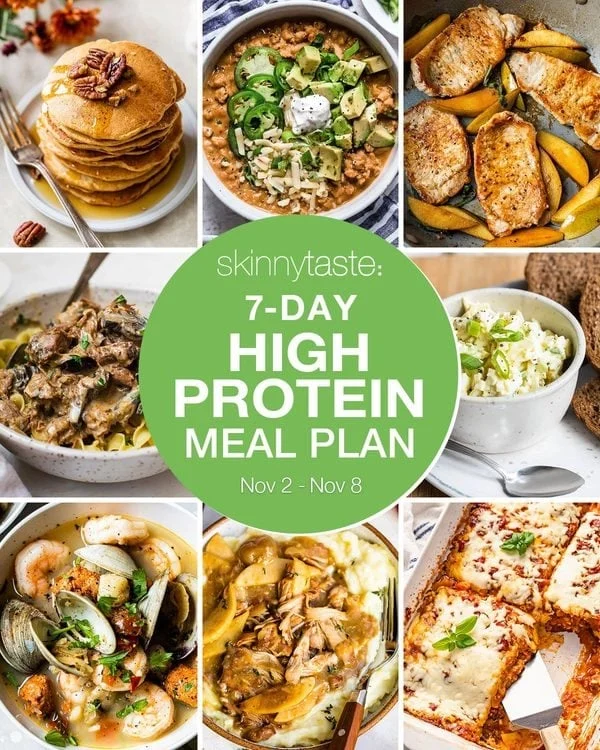
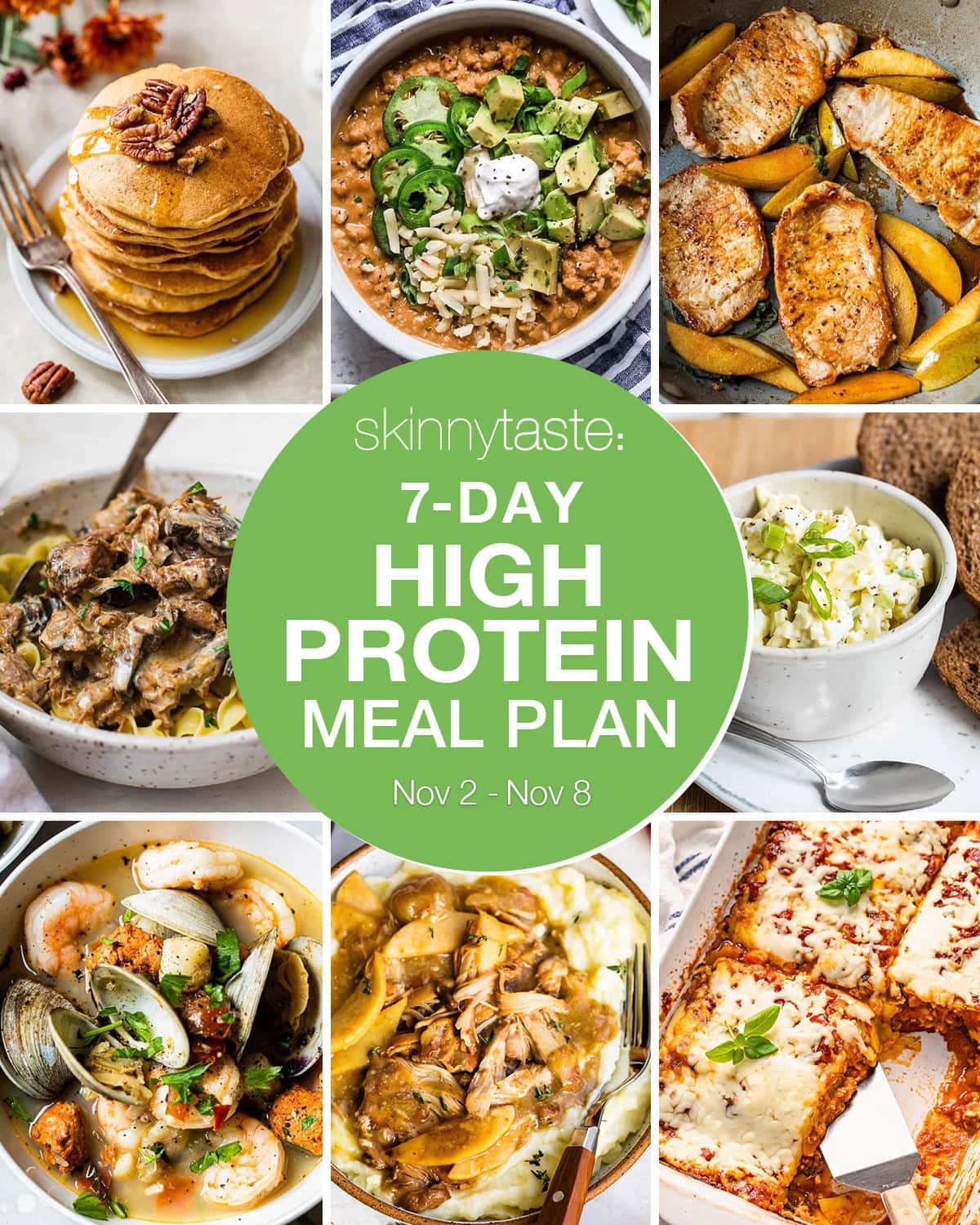
Skinnytaste, the renowned culinary platform dedicated to healthy and accessible recipes, has officially released a new 7-day high-protein diet meal plan, designed to assist individuals in achieving their nutritional goals. The meticulously crafted plan, covering breakfast, lunch, and dinner ideas for the week of November 2nd to November 8th, comes complete with a detailed shopping list and nutritional information, including macronutrient breakdowns and Weight Watchers (WW) points. This initiative reflects a growing trend towards incorporating higher protein intake for enhanced satiety, muscle development, and overall well-being, a strategy personally championed by Skinnytaste founder Gina Homolka.
The announcement positions Skinnytaste at the forefront of responsive dietary guidance, catering to a diverse audience seeking structured approaches to healthy eating. The meal plan emphasizes practicality, with Monday through Friday breakfasts and lunches portioned for individual servings, while dinners and all weekend meals are designed to serve a family of four. This flexible structure also accounts for leftovers, promoting efficiency and reducing food waste, a common challenge in meal preparation. Recipes like "Stuffed Turkey Breasts with Butternut Squash and Figs" and "Autumn Kale Salad with Chicken" highlight seasonal ingredients, specifically winter squash, which is celebrated for its rich content of vitamins A and C, fiber, and antioxidants, supporting vision, immunity, digestion, and heart health.
The Ascendance of High-Protein Diets in Modern Nutrition
The release of Skinnytaste’s high-protein meal plan is timely, coinciding with a significant surge in public interest and scientific validation surrounding diets rich in protein. Historically, protein has been recognized for its fundamental role in bodily functions, from cellular repair to enzyme production. However, contemporary nutritional science has increasingly highlighted its specific benefits for weight management, muscle synthesis, and satiety. Diets emphasizing protein have gained traction among athletes, fitness enthusiasts, and individuals aiming for sustainable weight loss.
The scientific consensus largely supports the notion that adequate protein intake can aid in weight control by promoting a feeling of fullness, thereby reducing overall calorie consumption. Furthermore, protein has a higher thermic effect of food (TEF) compared to carbohydrates and fats, meaning the body expends more energy to digest and metabolize it. For individuals engaged in regular physical activity or those looking to preserve muscle mass during caloric restriction, protein is indispensable for muscle protein synthesis (MPS), preventing muscle loss and supporting recovery.
While specific recommendations for protein intake vary based on age, activity level, and health goals, general guidelines often suggest a range of 0.8 to 1.2 grams of protein per kilogram of body weight for sedentary adults, increasing to 1.6 to 2.2 grams per kilogram for active individuals or those aiming for muscle gain. The Skinnytaste plan, targeting approximately 120 grams of protein daily for an individual, aligns with recommendations for active adults seeking muscle support and satiety, with an average caloric intake hovering around 1300-1400 calories for the individual portions.
Skinnytaste’s Enduring Commitment to Accessible Wellness
Skinnytaste, founded by Gina Homolka, has cultivated a reputation as a trusted resource for wholesome, flavorful, and calorie-conscious recipes. What began as a personal journey to healthier eating evolved into a comprehensive platform that demystifies healthy cooking for millions. The brand’s philosophy centers on making nutritious food approachable and enjoyable, eschewing restrictive fads in favor of balanced and sustainable dietary practices.
Homolka’s personal advocacy for a high-protein diet stems from her own positive experiences, noting improved strength and sustained satiety that curbed cravings for less healthy snacks. This personal testimony provides an authentic foundation for the meal plan, resonating with an audience that often seeks relatable and effective strategies for dietary improvement. The plan’s inclusion of detailed macronutrient information, alongside Weight Watchers points, underscores Skinnytaste’s dedication to providing comprehensive tools that cater to various tracking preferences and dietary frameworks. The ongoing development of a high-protein cookbook further solidifies Skinnytaste’s strategic pivot and commitment to this dietary focus, indicating a long-term vision for offering specialized resources.
Navigating Evolving Dietary Frameworks: The Weight Watchers Integration
A significant feature of Skinnytaste’s meal plans, including this new high-protein offering, is its seamless integration with the Weight Watchers (WW) program. WW, a global leader in weight management, regularly updates its points system to reflect evolving nutritional science and consumer feedback. The recent introduction of new 0-point foods, such as oatmeal, has been a welcome change for many members, offering greater flexibility and encouraging the consumption of nutrient-dense staples.

Skinnytaste proactively addresses these changes, with a commitment to updating its extensive recipe archive to align with the latest WW points system. The platform ensures that all recipes from 2018 onwards are linked to the WW recipe builder, allowing users to automatically calculate new points directly from their mobile devices. This adaptability is crucial for maintaining relevance and value for the substantial portion of Skinnytaste’s audience who rely on WW for their weight management journey. The provision of both macros and WW points offers a dual approach, empowering users to choose the tracking method that best suits their individual needs and preferences.
A Week of Balanced High-Protein Meals: Structure and Highlights
The 7-day high-protein meal plan offers a structured yet adaptable framework for healthy eating. The design caters to busy lifestyles, with many dinners providing leftovers that can be repurposed for lunch the following day, minimizing cooking time.
- Monday (Nov 2): Begins with an "Egg White Grill" for breakfast and "Tuna and White Bean Salad" for lunch, culminating in "Ratatouille Lasagna" for dinner. Total calories estimated at 1,236 with 120g protein.
- Tuesday (Nov 3): Repeats the breakfast and lunch, followed by "White Bean Turkey Chili" (half recipe) for dinner, garnished with Greek yogurt, Monterey Jack, avocado, and tortilla chips. Total calories: 1,364; protein: 120g.
- Wednesday (Nov 4): Continues with the "Egg White Grill," utilizes leftover "White Bean Turkey Chili" for lunch, and introduces "Slow Cooker Beef Stroganoff" for dinner. Total calories: 1,390; protein: 126g.
- Thursday (Nov 5): The "Egg White Grill" is again featured, with "Slow Cooker Beef Stroganoff" leftovers for lunch, and "Pork Chops with Pears and Spicy Mustard Greens" for dinner. Total calories: 1,335; protein: 128g.
- Friday (Nov 6): Breaks the breakfast routine with an "Air Fryer Breakfast Banana Split," continues with "Slow Cooker Beef Stroganoff" for lunch, and concludes the weekday dinners with "Portuguese Seafood Stew" accompanied by multigrain baguette. Total calories: 1,442; protein: 125.5g.
- Saturday (Nov 7): Features "Whole Wheat Pumpkin Pancakes with Pecans" and maple syrup for breakfast, "Cheeseburger Crunch Wrap" (doubled recipe) with baby carrots for lunch, allowing for a "DINNER OUT" option. Total calories: 668; protein: 44g (note: Saturday’s lower calorie and protein count likely reflects the "dinner out" option where individuals would consume additional calories not accounted for in the plan).
- Sunday (Nov 8): Concludes the week with a "Breakfast Taco Scramble," a "High Protein Egg Salad" (quadrupled recipe) on whole grain toast with sliced cucumbers for lunch, and "Crockpot Chicken with Apples" served with "Garlic Mashed Potatoes" and "String Beans with Garlic and Oil" for dinner. Total calories: 1,481; protein: 123g.
The plan clearly outlines calorie and protein totals for each day, providing transparency and aiding users in their tracking efforts. The emphasis on leftovers and family-style dinners during the weekend underscores the practical applicability of the plan for diverse household structures.
Beyond the Plate: Holistic Support for Dietary Goals
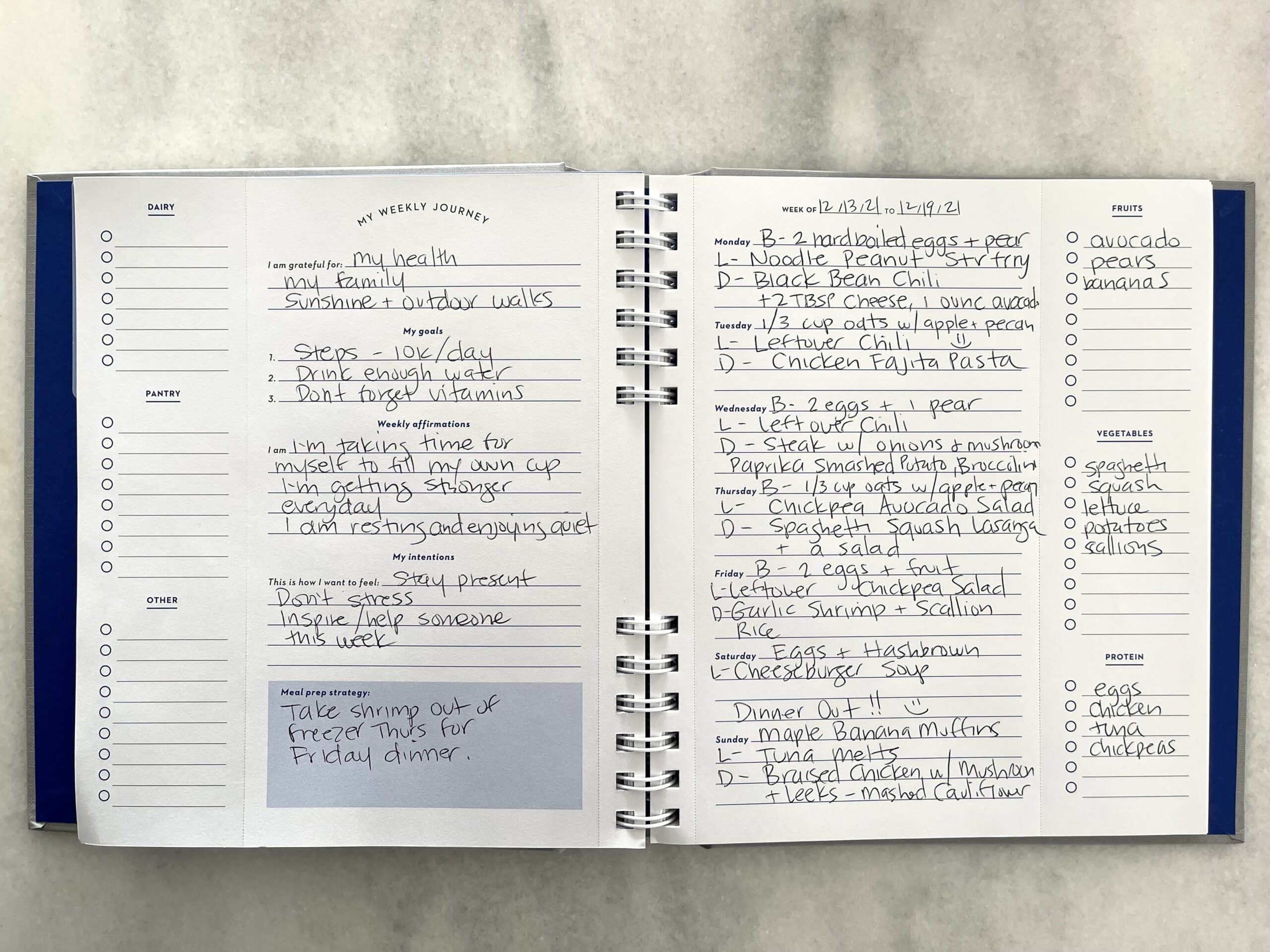
Skinnytaste recognizes that successful dietary adherence extends beyond mere recipes. The platform provides a comprehensive ecosystem of support, including its "Ultimate Skinnytaste Meal Planner." This 52-week spiral-bound planner offers weekly meal planning grids, a 12-week meal plan, 30 recipes (15 new), and tear-out grocery lists. Incorporating gratitude, affirmations, and intentions, the planner addresses the psychological and organizational aspects of maintaining a healthy lifestyle, reflecting a holistic approach to wellness.
Furthermore, Skinnytaste fosters a vibrant online community through its Facebook group, where members share their cooking experiences, exchange ideas, and offer mutual encouragement. This peer-to-peer support network is invaluable for individuals navigating the challenges of dietary changes, providing a sense of camaraderie and shared purpose. The option to subscribe to an email list ensures that followers never miss new meal plans or recipe updates, maintaining consistent engagement.
Expert Perspectives and Critical Considerations
While high-protein diets offer numerous benefits, it is crucial to approach them with informed awareness. Nutrition experts generally endorse increased protein intake for most healthy adults, particularly those with active lifestyles or specific fitness goals. However, they also emphasize the importance of sourcing protein from varied, nutrient-dense options, including lean meats, poultry, fish, eggs, dairy, legumes, and plant-based alternatives, rather than solely relying on processed protein supplements.
The article includes an important disclaimer, advising individuals with pre-existing health conditions such as kidney or liver disease, gout, specific metabolic disorders, or older adults with reduced kidney function to consult a healthcare provider or dietitian before significantly increasing protein intake. This professional guidance is paramount to prevent potential complications and ensure that dietary adjustments are appropriate and safe for individual health profiles. The recommendation for women to aim for at least 1500 calories per day, coupled with the flexibility to add snacks and beverages, highlights the understanding that these meal plans serve as a guide rather than a rigid prescription, acknowledging individual metabolic needs and lifestyle variations.
Implications for the Health and Wellness Landscape
The launch of Skinnytaste’s high-protein meal plan signifies broader shifts within the health and wellness industry. It underscores the increasing demand for personalized nutrition solutions that are both effective and convenient. As consumers become more health-literate, there is a growing appetite for detailed nutritional information, including macros and points systems, to empower informed food choices.
Platforms like Skinnytaste play a pivotal role in democratizing access to evidence-based dietary strategies. By translating complex nutritional science into actionable, user-friendly meal plans and recipes, they bridge the gap between scientific recommendations and practical application. The continued evolution of such platforms, adapting to new research, dietary trends, and technological advancements (like automated WW point calculations), will likely shape the future of healthy eating guidance. The focus on seasonal ingredients and comprehensive shopping lists also promotes sustainable eating habits and encourages home cooking, aligning with broader public health objectives.
Looking ahead, Skinnytaste’s commitment to releasing additional high-protein meal plans monthly and the impending launch of a dedicated cookbook indicate a strategic alignment with current and projected market demands. This sustained focus on high-protein offerings suggests that this dietary approach is not a fleeting trend but a foundational element of contemporary healthy living, supported by both personal experience and scientific rationale.
