

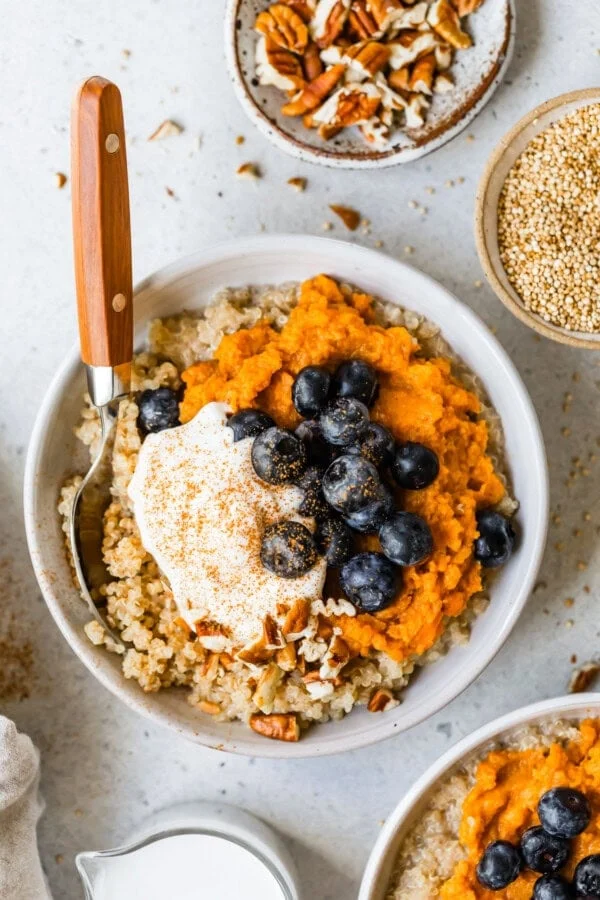
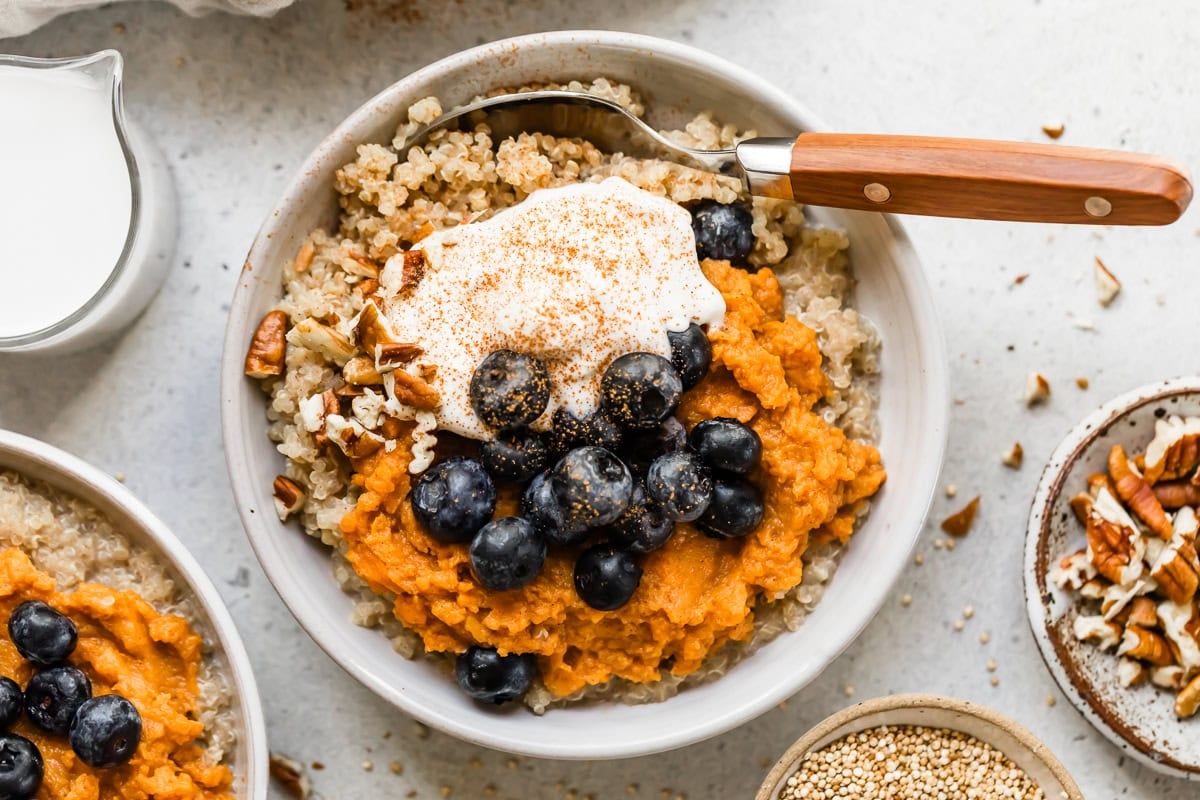
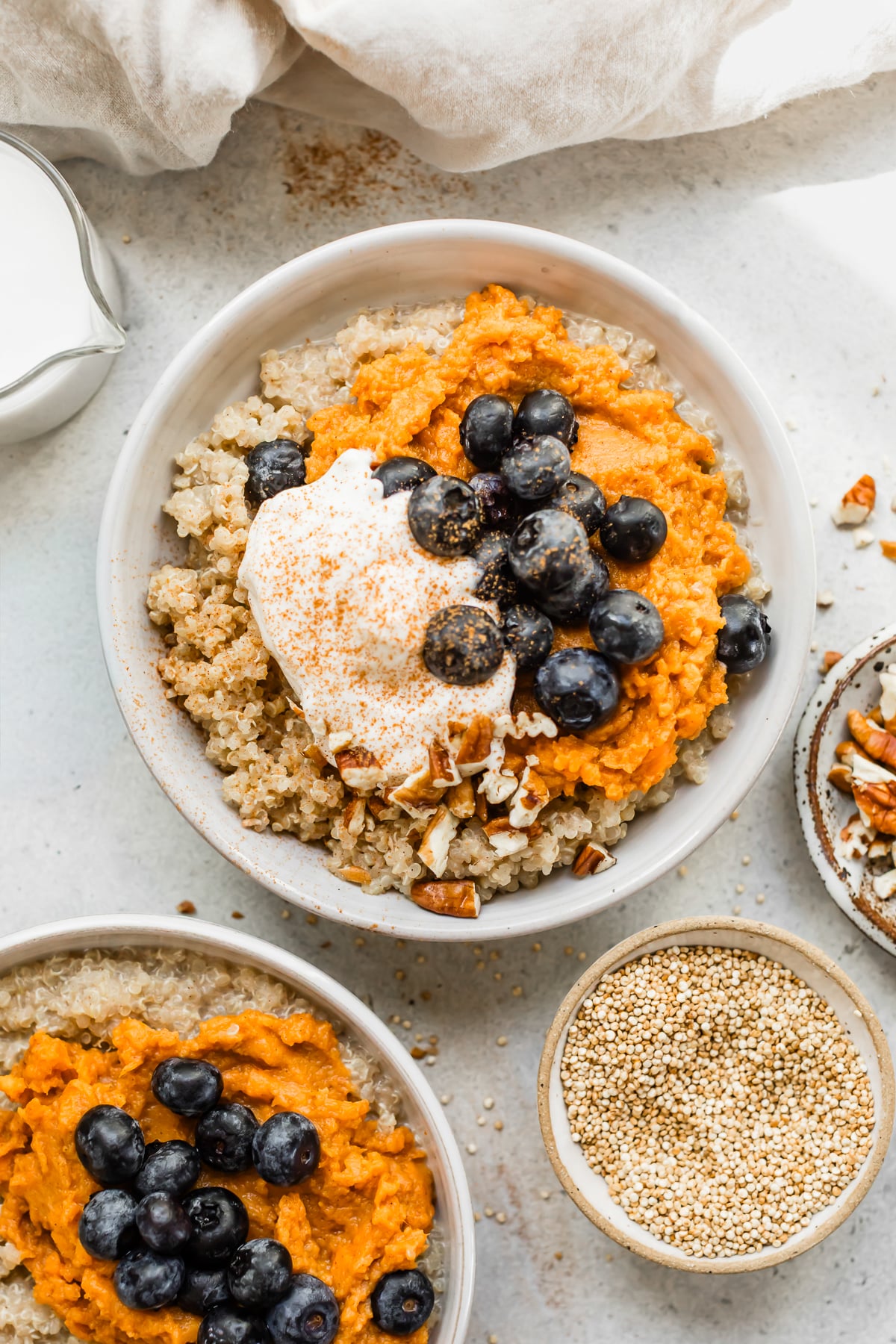
The introduction of the warm vegan Sweet Potato Quinoa Breakfast Bowl marks a significant point in the ongoing evolution of breakfast cuisine, reflecting a confluence of trends towards plant-based eating, nutrient-dense ingredients, and culinary innovation. This particular rendition, featuring creamy coconut quinoa, roasted sweet potato, fresh blueberries, crunchy pecans, and a delicate topping of coconut whipped cream, is designed to offer a comforting yet healthful start to the day, blurring the lines between a wholesome meal and a permissible indulgence. Its conceptualization draws inspiration from popular dessert profiles, specifically sweet potato pie, reimagining them into a breakfast format that prioritizes both flavor and nutritional value.
The Evolution of Contemporary Breakfast Cuisine
Breakfast, long considered the most important meal of the day, has undergone a dramatic transformation in recent decades. Historically dominated by quick, often sugar-laden cereals or traditional heavier fare, consumer preferences have shifted considerably towards options that are perceived as healthier, more functional, and aligned with diverse dietary philosophies. This evolution is driven by increased health consciousness, a greater understanding of macronutrient balance, and a burgeoning interest in specialized diets such as veganism, gluten-free, and low-carbohydrate approaches.
The rise of "bowl culture" is a prominent facet of this change. From acai bowls to Buddha bowls and now breakfast bowls, this format allows for a versatile combination of grains, proteins, fruits, vegetables, and healthy fats, providing a complete nutritional profile in a single, customizable serving. The Sweet Potato Quinoa Breakfast Bowl fits squarely into this trend, leveraging the versatility of quinoa as a grain base and incorporating a variety of textures and flavors that appeal to a sophisticated palate. It represents a departure from purely utilitarian breakfasts, embracing the idea that morning meals can be both nourishing and gastronomically appealing.
Nutritional Profile: A Deep Dive into Key Ingredients
The components of the Sweet Potato Quinoa Breakfast Bowl are not merely chosen for their taste or aesthetic appeal; each contributes significantly to the dish’s overall nutritional value, aligning with current dietary recommendations for a balanced intake of macronutrients, vitamins, and minerals.
-
Quinoa: A Complete Protein Powerhouse:
Quinoa (pronounced keen-wah) stands as the foundational grain for this breakfast bowl. Originating from the Andean regions of South America, where it has been cultivated for thousands of years, quinoa gained global recognition in the late 20th and early 21st centuries for its exceptional nutritional profile. Unlike most plant-based foods, quinoa is a complete protein, meaning it contains all nine essential amino acids that the human body cannot produce on its own. A single serving of cooked quinoa (approximately 1 cup) typically provides around 8 grams of protein, making it an excellent choice for vegetarians, vegans, and anyone looking to increase their protein intake. Furthermore, quinoa is rich in dietary fiber (around 5 grams per cup), which aids in digestion, promotes satiety, and helps regulate blood sugar levels. It also supplies vital micronutrients such as magnesium, manganese, phosphorus, folate, copper, iron, and zinc. The preparation of quinoa in this bowl, simmering it with coconut milk, vanilla, cinnamon, and brown sugar, not only enhances its flavor but also infuses it with additional warmth and creaminess, making it a more palatable and comforting base than plain cooked quinoa might offer. -
Sweet Potatoes: A Nutrient-Rich Root:
Sweet potatoes are a cornerstone of this breakfast bowl, contributing natural sweetness, vibrant color, and a wealth of health benefits. These starchy root vegetables are an excellent source of complex carbohydrates, providing sustained energy release throughout the morning. More importantly, they are exceptionally rich in beta-carotene, a precursor to Vitamin A, which is crucial for vision, immune function, and skin health. A medium sweet potato can provide well over 100% of the daily recommended intake of Vitamin A. They also offer a substantial amount of Vitamin C, another powerful antioxidant, and B vitamins, particularly B6. With a good fiber content (around 4 grams per medium sweet potato) and a lower glycemic index compared to white potatoes, sweet potatoes contribute to digestive health and stable blood sugar. The roasting process described in the recipe enhances their natural sweetness and creates a desirable tender texture, making them an ideal component for a comforting breakfast.
-
Coconut: Flavor and Functional Benefits:
Coconut milk and coconut whipped cream are integral to the bowl’s creamy texture and tropical flavor profile. While historically viewed with some caution due to its saturated fat content, contemporary nutritional science has nuanced this perspective. Coconut fat largely comprises medium-chain triglycerides (MCTs), which are metabolized differently from long-chain fatty acids. MCTs are rapidly absorbed and can be used as an immediate energy source, potentially aiding in satiety and energy expenditure. Coconut also provides essential minerals like manganese and copper. The recipe’s suggestion of using coconut milk powder as a lower-fat alternative indicates a conscious effort to balance flavor and health, offering flexibility for consumers to tailor the dish to their specific dietary needs. This choice also highlights the growing market for innovative plant-based ingredients that offer convenience and extended shelf life. -
Berries and Nuts: Antioxidants and Healthy Fats:
Blueberries and pecans serve as crucial toppings, adding bursts of flavor, contrasting textures, and significant nutritional boosts. Blueberries are renowned for their high antioxidant content, particularly anthocyanins, which contribute to their vibrant blue hue and are linked to improved cognitive function, heart health, and anti-inflammatory effects. They also provide fiber and Vitamin C. Pecans, on the other hand, are a rich source of healthy monounsaturated and polyunsaturated fats, which are beneficial for heart health. They also provide protein, fiber, and important minerals such as manganese, copper, and zinc. The combination of these toppings ensures a comprehensive intake of micronutrients and essential fatty acids, contributing to the dish’s overall nutritional completeness.
The Rise of Plant-Based Eating: Context and Impact

The Sweet Potato Quinoa Breakfast Bowl is a prime example of the broader plant-based movement that has swept across global culinary landscapes. This dietary shift is not merely a fad but a deeply rooted trend driven by a confluence of health, ethical, and environmental considerations.
-
Market Growth and Consumer Demand:
The plant-based food market has experienced exponential growth over the past decade. According to various market research reports, the global plant-based food market is projected to reach hundreds of billions of dollars by the end of the decade, with significant segments dedicated to plant-based dairy alternatives and meat substitutes. Consumers are increasingly seeking out plant-based options for various reasons, including perceived health benefits, animal welfare concerns, and a desire to reduce their environmental footprint. The availability of appealing and delicious vegan recipes like this breakfast bowl plays a critical role in satisfying this burgeoning demand and encouraging wider adoption of plant-forward eating. -
Health and Environmental Drivers:
From a health perspective, numerous studies have linked plant-rich diets to lower risks of chronic diseases such as heart disease, type 2 diabetes, and certain cancers. The emphasis on whole grains, fruits, vegetables, and nuts in dishes like the Sweet Potato Quinoa Breakfast Bowl aligns perfectly with these health recommendations. Environmentally, the production of plant-based foods generally requires fewer resources (land, water) and generates fewer greenhouse gas emissions compared to animal agriculture. As concerns about climate change and resource scarcity intensify, plant-based diets are increasingly viewed as a sustainable solution, making recipes like this not just a culinary choice but a conscientious one.
Culinary Innovation and Flavor Reinvention
A key aspect of the Sweet Potato Quinoa Breakfast Bowl’s appeal lies in its ingenious culinary design. It takes familiar, comforting flavors, particularly those associated with sweet potato pie, and recontextualizes them for a healthy breakfast. This act of "flavor reinvention" is a hallmark of modern culinary innovation. By incorporating elements like cinnamon, vanilla, and the creamy texture achieved through coconut milk and whipped cream, the dish evokes a sense of indulgence typically reserved for desserts, yet delivers a nutritionally superior experience. This approach helps bridge the gap for consumers transitioning to healthier eating habits, proving that wholesome food does not necessitate a compromise on taste or satisfaction. Culinary experts often highlight that successful adoption of healthier eating patterns hinges on creating dishes that are genuinely enjoyable, and this breakfast bowl is a testament to that principle.
Preparation, Accessibility, and Meal Prep Solutions

The practicality of preparing the Sweet Potato Quinoa Breakfast Bowl also contributes to its relevance in contemporary lifestyles. With a total preparation and cook time of approximately 45 minutes for two servings, it is achievable even on busy mornings. The recipe further enhances accessibility by suggesting that the sweet potato and coconut quinoa can be prepped up to four days in advance. This "make-ahead" feature aligns with the growing trend of meal prepping, where individuals dedicate time once or twice a week to prepare components of their meals to save time and ensure healthy eating during subsequent days.
Storing the sweet potato mixture and coconut quinoa separately in airtight containers and reheating them with a splash of coconut milk ensures that the texture and flavor are maintained, while adding fresh blueberries, pecans, and coconut whipped cream just before serving preserves the integrity of the toppings. This convenience factor is crucial for integrating healthy eating into demanding schedules, allowing individuals to enjoy a nutritious and satisfying breakfast without extensive morning preparation.
Broader Implications for Public Health and the Food Industry

The emergence and popularity of dishes like the Sweet Potato Quinoa Breakfast Bowl carry broader implications for both public health initiatives and the food industry. For public health, such recipes serve as practical examples of how nutrient-dense, plant-based options can be integrated into daily diets, offering a delicious alternative to less healthy breakfast staples. They promote increased consumption of whole grains, fruits, and vegetables, which are often lacking in typical Western diets. Nutritionists and dietitians can leverage such recipes to educate individuals on balanced eating, demonstrating that healthy food can be diverse and exciting.
For the food industry, the success of these types of bowls signals a clear demand for innovative plant-based products, convenient meal solutions, and ingredients that support healthier lifestyles. This includes the development of more plant-based dairy alternatives, ready-to-eat quinoa products, and sustainably sourced ingredients. The market for health-conscious and plant-forward consumers is expanding, prompting manufacturers and food service providers to adapt their offerings to meet these evolving preferences. The emphasis on natural sugars from fruits and sweet potatoes, rather than refined sugars, also aligns with global efforts to reduce sugar intake, presenting an opportunity for food companies to innovate in naturally sweetened product lines.
In conclusion, the Sweet Potato Quinoa Breakfast Bowl is more than just a recipe; it is a culinary statement that encapsulates several powerful trends shaping how individuals approach their morning meals. It demonstrates that vegan cuisine can be both deeply satisfying and exceptionally nutritious, offering a harmonious blend of flavors and textures inspired by comforting traditions. Its design caters to modern demands for health, convenience, and ethical consumption, solidifying its place as a thoughtful and impactful contribution to contemporary breakfast culture. As consumers continue to prioritize wellness and sustainable eating, such innovative and accessible plant-based options are poised to become increasingly central to daily dietary practices, influencing both individual health outcomes and the trajectory of the global food system.
