

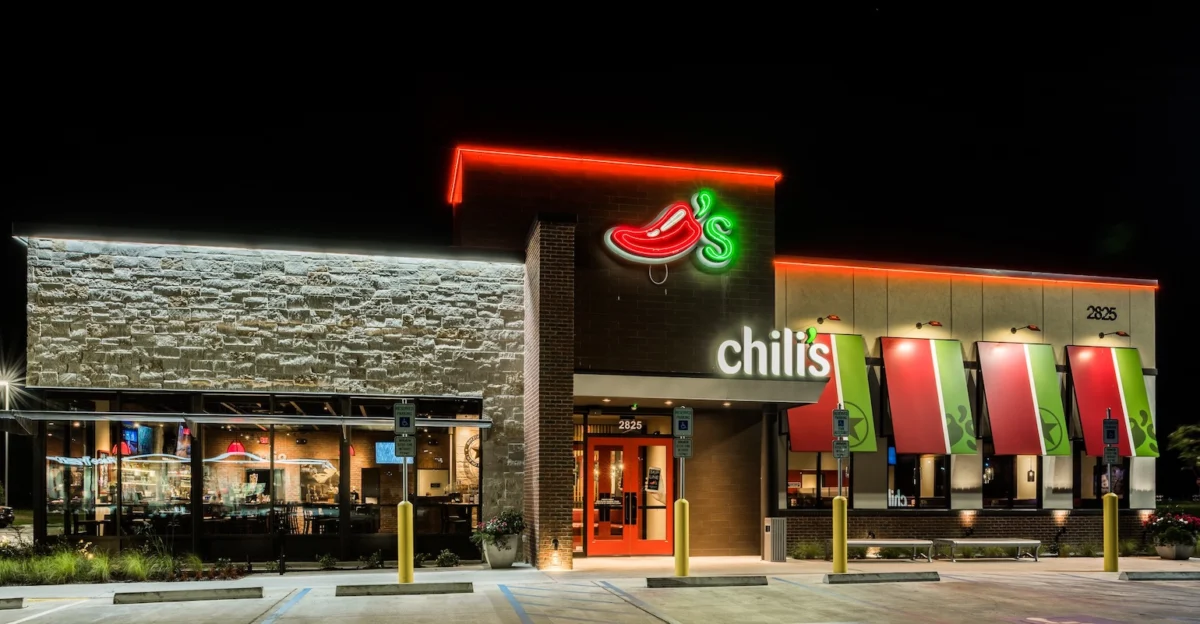
Chili’s, the flagship casual dining brand under Brinker International, has continued its remarkable ascent, posting its 22nd consecutive quarter of same-store sales growth in the first earnings period of fiscal year 2027, which concluded on September 23. This sustained period of positive comparable sales, a testament to the brand’s enduring appeal and strategic execution, marks a significant achievement in an economic climate characterized by inflation, shifting consumer behaviors, and widespread uncertainty. The brand’s ability to consistently outperform expectations, even when lapping previous periods of substantial growth, underscores a deeply ingrained operational and marketing strategy that is resonating with diners.
A Legacy of Growth: Compounding Success and Traffic Gains
The latest financial report reveals that Chili’s achieved a robust 10.1% increase in same-store sales during the first quarter of fiscal 2027. This impressive figure is particularly noteworthy when considered against the backdrop of preceding quarters. The brand had previously reported a 21% same-store sales growth in the same quarter of the prior fiscal year and a 14% increase in fiscal year 2024. This consistent upward trajectory has led to a remarkable 52% cumulative comparable sales growth over a three-year period. Furthermore, the brand experienced a 6% increase in traffic during the most recent quarter, indicating a healthy influx of new and returning customers, which is a critical indicator of sustained market relevance and customer loyalty.
This sustained performance has transformed what some observers initially perceived as a temporary "hot streak" into a demonstrable long-term success story. The ability to not only achieve but also compound growth, especially in a volatile consumer environment, speaks volumes about the effectiveness of Chili’s strategic initiatives.
CEO’s Perspective: Strategy Validation in a Difficult Macro Environment
Kevin Hochman, President and CEO of Brinker International, expressed his satisfaction with the brand’s performance during the company’s recent earnings call. "People repeatedly said we cannot possibly continue to comp on top of big comp numbers," Hochman stated. "Our Q1 result, with three consecutive years of double-digit comp growth, driven by traffic gains, proves our strategy is sustainable, even with a difficult macro. We continue to convert new guests into regular guests, and we have very strong commercial and operational plans to keep the flywheel going."
Hochman’s remarks highlight a core tenet of Chili’s strategy: a focus on fundamental operational excellence coupled with targeted marketing efforts. He acknowledged the current economic headwinds, citing inflation, gas prices, and broader economic uncertainties as significant challenges for consumers. However, he articulated a prevailing market dynamic where, during periods of tightened discretionary spending, consumers tend to gravitate towards trusted brands, leading to a "weak get weaker and strong get stronger" scenario. Chili’s, by all indications, is firmly positioned within the latter category.
The Crispy Chicken Sandwich Phenomenon and Operational Foundations
A significant contributor to Chili’s recent success has been the exceptional performance of its Big Crispy Chicken sandwich menu category. In the first quarter of fiscal 2027, the brand maintained its impressive sales momentum, continuing to sell an average of 55 crispy chicken sandwiches per day, a figure consistent with the fourth quarter of the previous fiscal year. This success has been amplified by an aggressive and ongoing marketing campaign specifically designed to challenge the dominance of fast-food chains in the chicken sandwich market.
Beyond headline-grabbing menu items, however, Hochman emphasized that the bedrock of Chili’s sustained growth lies in its unwavering commitment to operational fundamentals. This includes the meticulous refinement of labor scheduling tools to optimize staffing levels and enhance efficiency, as well as ensuring culinary excellence, such as perfecting the art of pasta preparation. These initiatives are derived from the "North of Six" best practices, a set of operational standards identified and implemented from the company’s highest-performing restaurants.
"While our competitors were hard at work launching new items and new offers, we continue to keep operations focused on the fundamentals of delivering a great restaurant experience," Hochman asserted. "We believe this focus will allow us to spend more time on what is important versus free limited-time offers that will not have a lasting impact on the business." This strategic prioritization suggests a long-term vision that values consistent quality and customer experience over fleeting promotional tactics.
A Broader Brinker Portfolio: Contrasting Performance and Strategic Adjustments
While Chili’s is undoubtedly the star performer within the Brinker International portfolio, the company’s other major brand, Maggiano’s Little Italy, has experienced a different trajectory. Maggiano’s has recently faced headwinds, with same-store sales declining by 3.4%. Brinker is actively addressing these challenges by identifying and capitalizing on missed opportunities within the Maggiano’s business model.
One such area of focus is banquet sales. The recent quarter saw a significant rebound in this segment, with banquet sales increasing by 11%. Hochman views this positive development as a strong indicator of the brand’s potential for turnaround. "This is showing us that we can turn around Maggiano’s results," he stated, signaling a strategic shift to revitalize the Italian-themed restaurant chain.
Financial Performance: Robust Revenue and Profit Growth
The financial results for Brinker International in the first quarter of fiscal year 2027 reflect the strength of its overall performance, largely driven by Chili’s. The company reported total revenues of $1.48 billion, a notable increase from the $1.35 billion generated in the same quarter of the previous year. This represents a substantial year-over-year revenue growth of approximately 9.6%.
The company’s profitability also saw a healthy increase. Net income for the first quarter stood at $113 million, translating to $2.64 per share. This compares favorably to the $99.5 million in net income, or $2.17 per share, recorded in the corresponding quarter of the prior fiscal year. This rise in net income signifies improved operational efficiency and a stronger bottom line for the parent company.
Expansion and Market Presence
Brinker International continues to expand its physical footprint, further solidifying its market presence. During the first quarter of fiscal year 2027, the company opened six new restaurants. This expansion brings the total number of locations across Brinker’s portfolio to 1,641, demonstrating a commitment to growth and accessibility for its diverse customer base.
Context and Implications: Navigating Economic Headwinds with Strategic Resilience
The sustained success of Chili’s, particularly its ability to achieve double-digit comparable sales growth while lapping previous strong quarters, provides valuable insights into consumer behavior in challenging economic times. Hochman’s assertion that consumers gravitate towards trusted brands during periods of reduced discretionary spending aligns with broader economic observations. In an environment where consumers are more selective with their spending, brands that offer perceived value, consistent quality, and a reliable dining experience are likely to gain market share.
Chili’s strategy appears to be a masterclass in focusing on core competencies: delivering a satisfying and accessible dining experience that appeals to a broad demographic. The emphasis on operational excellence, exemplified by the "North of Six" best practices, suggests a proactive approach to mitigating costs while enhancing guest satisfaction. This operational discipline, combined with targeted marketing campaigns like the one for the Big Crispy Chicken sandwich, creates a virtuous cycle of customer acquisition and retention.
The contrast with Maggiano’s performance also offers a lesson in brand management. While Chili’s benefits from broad appeal and a well-defined value proposition, Maggiano’s, with its more specific niche, requires tailored strategies to overcome market challenges. The focus on reviving banquet sales at Maggiano’s demonstrates Brinker’s willingness to adapt and implement specific growth levers for each of its brands.
The implications of Chili’s continued success extend beyond Brinker International. For the broader casual dining sector, Chili’s performance serves as a benchmark for effective strategy development and execution. It highlights the importance of operational rigor, understanding consumer psychology in fluctuating economic conditions, and the power of consistent brand messaging. As economic uncertainties persist, other brands in the industry will likely study Chili’s playbook for lessons in resilience and sustained growth. The company’s ability to maintain this impressive streak suggests a deep understanding of its customer base and a strategic agility that will be crucial for navigating the evolving landscape of the restaurant industry.
