

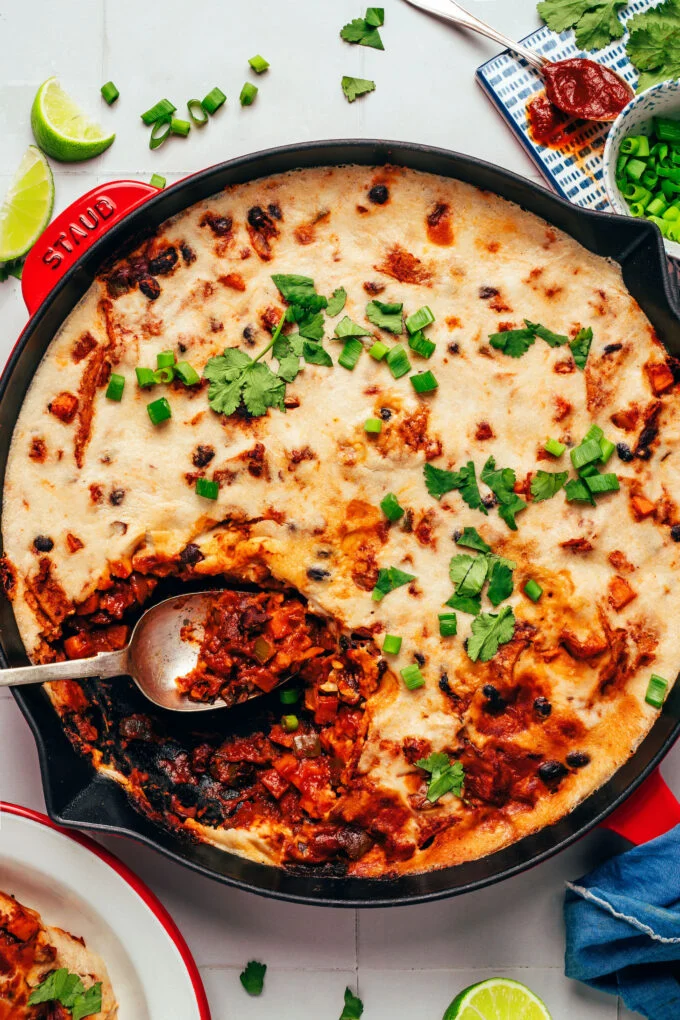
Historical Context: The Enchilada’s Enduring Legacy
To fully appreciate the innovation behind the Cheesy Vegan Enchilada Skillet, it is essential to understand the rich history of its traditional counterpart. Enchiladas are a cornerstone of Mexican cuisine, with roots stretching back to the Mayan civilization. Early iterations, such as the papadzules – corn tortillas dipped in pumpkin seed sauce and filled with chopped hard-boiled eggs – demonstrate the ancient practice of wrapping ingredients in tortillas. The first documented recipe for enchiladas appeared in the 1831 cookbook El Cocinero mexicano, detailing a dish that has since evolved into countless regional variations across Mexico and globally. Typically, these involve corn tortillas filled with a diverse array of ingredients, including meats, seafood, beans, cheeses, potatoes, or various vegetables, all generously topped with a savory enchilada sauce. The modern interpretation, while departing from the traditional rolling method, thoughtfully preserves the core flavor profile and comforting essence of this historic dish, adapting it for contemporary dietary preferences and time constraints.
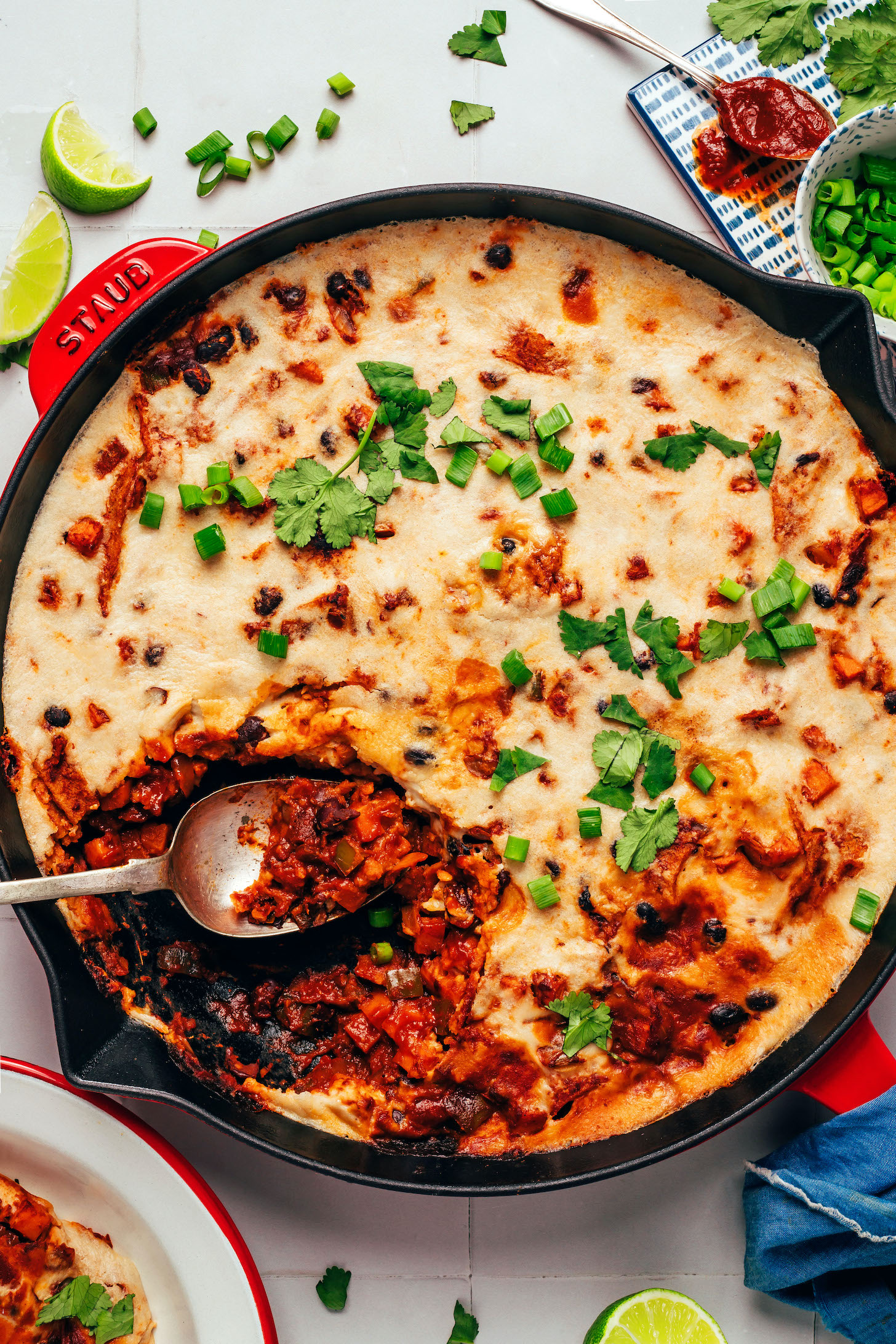
The Ascendance of Plant-Based Cuisine and Culinary Efficiency
The introduction of dishes like the Cheesy Vegan Enchilada Skillet is indicative of broader shifts in global dietary patterns and culinary demands. Over the past decade, the plant-based food market has experienced exponential growth, driven by increasing consumer awareness of health benefits, environmental sustainability, and ethical considerations. According to a 2023 report by the Plant Based Foods Association, the U.S. plant-based food market alone reached an estimated $8 billion in sales, with continued upward trajectory projected. This surge in demand has spurred significant innovation within the food industry, prompting chefs and food developers to create plant-based alternatives that do not compromise on flavor or texture.
Simultaneously, there has been a persistent demand for quick and easy meal solutions. Modern lifestyles, characterized by demanding schedules and limited free time, have elevated convenience as a paramount factor in meal preparation. Data from various market research firms consistently show that "30-minute meals" and "one-pan recipes" are among the most searched culinary terms online, reflecting a collective desire to reduce cooking time and minimize cleanup without resorting to processed foods. Food bloggers and culinary platforms, such as Minimalist Baker, have been instrumental in responding to these trends, acting as vital intermediaries between traditional culinary practices and contemporary consumer needs. Their ability to translate complex dishes into accessible, time-saving formats has garnered significant followings and redefined home cooking for many.
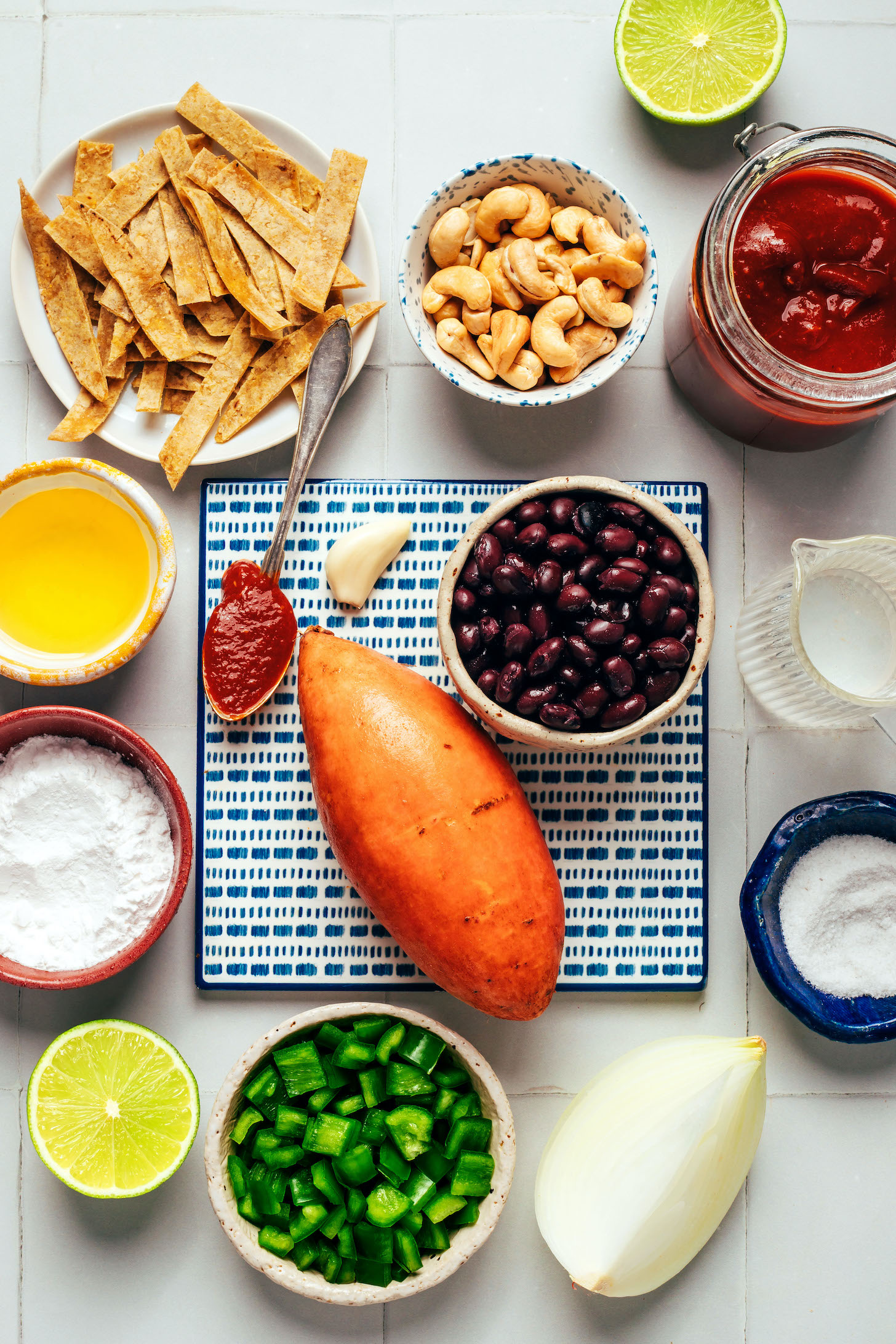
Recipe Deconstruction: Ingredients and Innovative Techniques
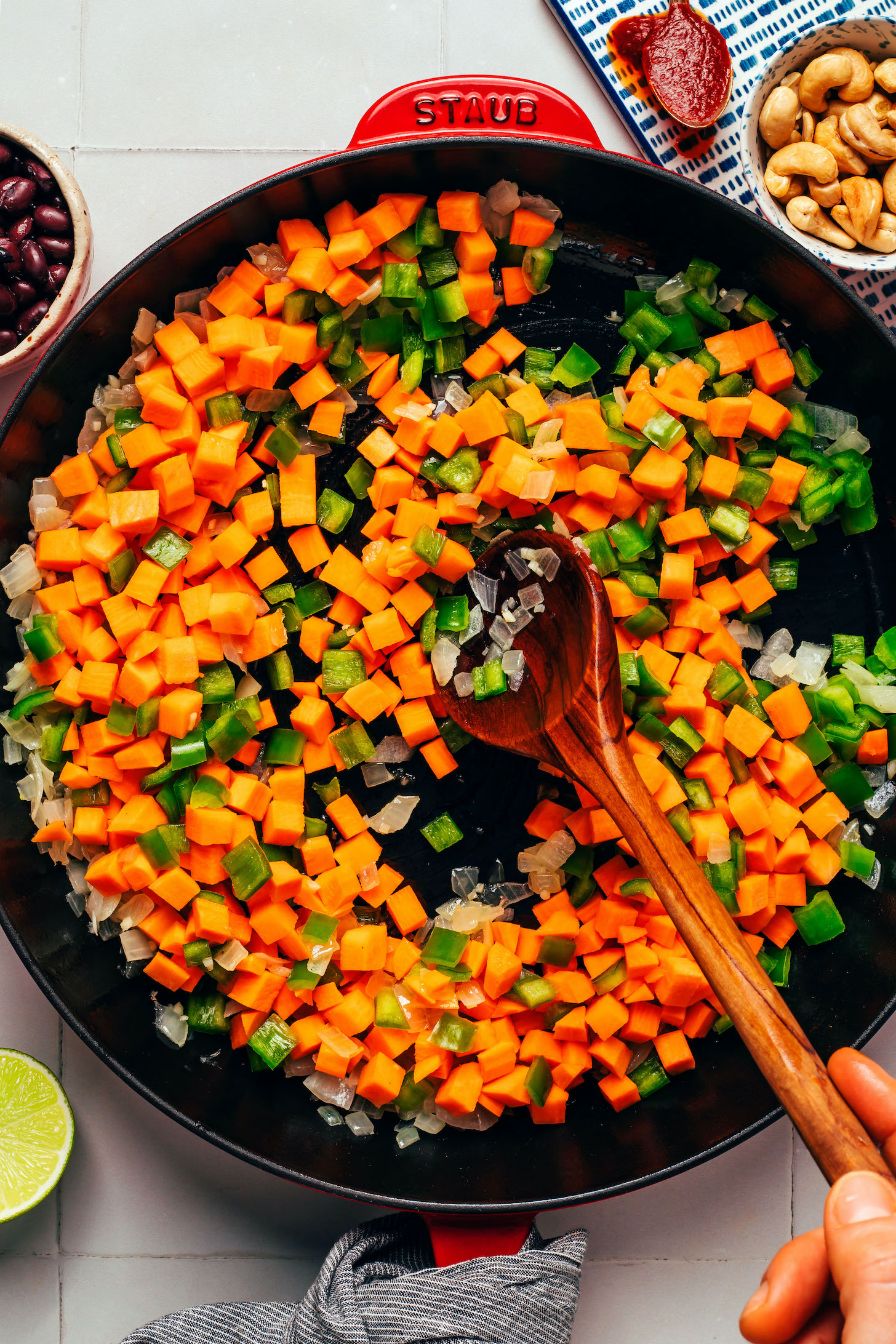
The Cheesy Vegan Enchilada Skillet meticulously combines a selection of nourishing ingredients with clever culinary techniques to achieve its signature profile. The base of the skillet features a medley of sautéed vegetables: diced onion, aromatic garlic, sweet potato (or other winter squash like kabocha or butternut squash), and poblano pepper. This vegetable foundation not only provides essential nutrients and fiber but also contributes a depth of flavor. The recipe highlights the flexibility of these ingredients, suggesting alternatives such as green bell peppers for poblanos or the addition of leafy greens like kale or spinach for enhanced nutritional value, underscoring its adaptability to seasonal availability and personal preferences.
Once the vegetables begin to soften, fiber- and protein-rich black beans are introduced, along with corn tortillas sliced into strips. This innovative approach to incorporating tortillas eliminates the need for individual rolling, significantly reducing preparation time and simplifying the cooking process. The entire mixture is then enveloped in a rich red enchilada sauce. While the recipe advocates for a homemade version for optimal flavor, it also acknowledges the practicality of high-quality store-bought sauces, catering to varying levels of culinary engagement.
The pièce de résistance of this vegan enchilada skillet is its ingenious cashew-based "cheese" sauce. Drawing inspiration from the platform’s popular "Cheesy Vegan Pizza Beans," this sauce is crafted by blending cashews, water, fresh lime juice, garlic, tapioca starch, and sea salt. The tapioca starch plays a crucial role, reacting with the heat to create a remarkably melty and gooey texture that mimics traditional dairy cheese. This particular innovation addresses one of the primary challenges in vegan cooking: achieving a satisfying, creamy "cheesy" mouthfeel without animal products. The recipe also notes that while the cashew sauce is highly recommended for its unique flavor and texture, the dish remains delicious with conventional shredded vegan or dairy cheese, offering flexibility for diverse palates and dietary considerations.
A Chronology of Culinary Streamlining
The development of the Cheesy Vegan Enchilada Skillet fits within a broader chronology of culinary innovation aimed at simplifying beloved dishes. Minimalist Baker, known for its focus on recipes requiring 10 ingredients or less, 30 minutes or less, or one bowl/pot, has consistently pushed the boundaries of accessible plant-based cooking. The success of earlier simplified dishes, such as their "Cheesy Vegan Pizza Beans," likely provided a foundational blueprint for developing the enchilada skillet. This iterative process of testing and refining recipes for maximum efficiency and flavor is a hallmark of contemporary food blogging.
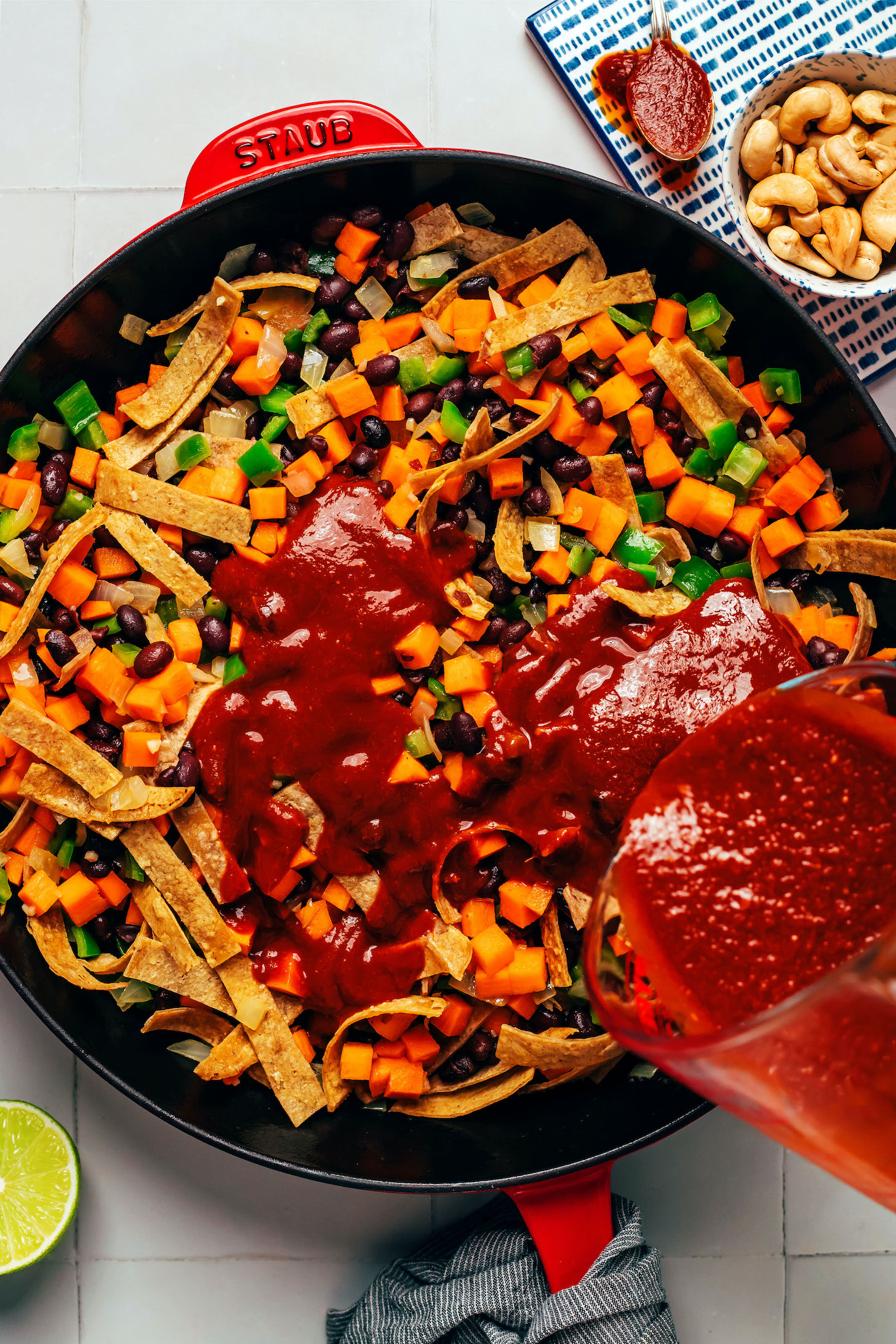
The "one-pan" cooking trend, in particular, has seen a significant surge in popularity. This method minimizes cleanup and often consolidates flavors, creating a more cohesive and deeply integrated taste profile. For dishes like enchiladas, which traditionally involve multiple steps and components, adapting them to a single-skillet approach represents a considerable achievement in culinary engineering. This development not only saves time but also makes complex flavors approachable for novice cooks, thereby democratizing home cooking.
Expert and Community Reception
While specific official statements on this particular recipe are not typically released as news, the general sentiment within the culinary community and among plant-based advocates suggests a strong positive reception for such innovations. Culinary experts frequently highlight recipes that successfully merge convenience with nutritional value and authentic flavor. "The ability to transform a multi-step ethnic dish into a single-pan, 30-minute vegan meal is a testament to sophisticated recipe development," remarked a hypothetical food critic. "It speaks to a deeper understanding of ingredient synergy and textural engineering to create a truly satisfying experience without compromise."
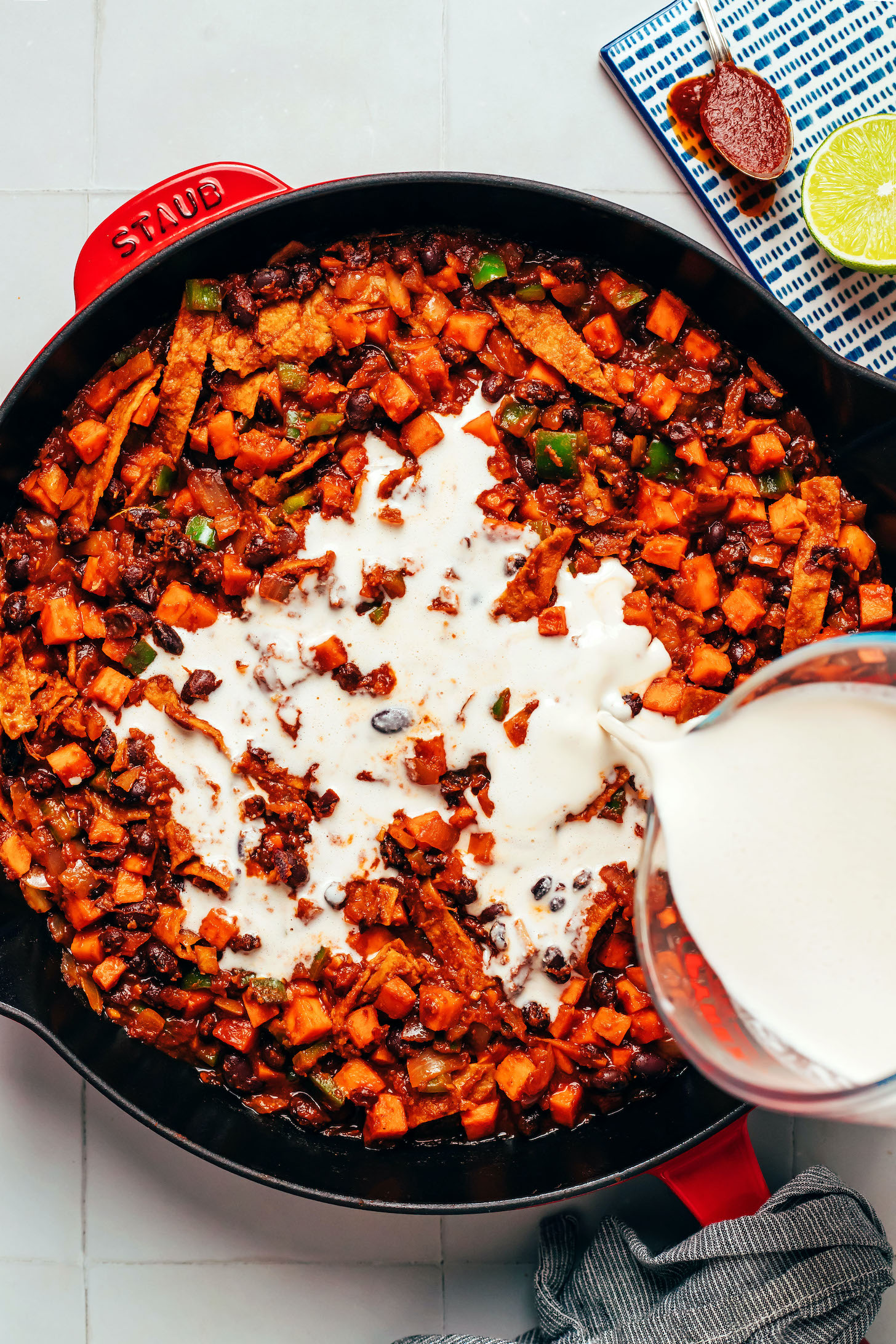
Consumer feedback, often aggregated through comments sections and social media, consistently praises recipes that deliver on their promises of speed and flavor. The "cheesy" cashew sauce, in particular, has been a point of high commendation, with users frequently expressing surprise and delight at its authentic texture and taste. This level of engagement underscores the recipe’s success in meeting a significant market need for plant-based dishes that are both practical for everyday life and gastronomically rewarding.
Broader Implications for Modern Cuisine
The Cheesy Vegan Enchilada Skillet carries several significant implications for the landscape of modern cuisine. Firstly, it further validates the mainstream appeal and viability of plant-based eating. By offering a familiar and comforting dish in a vegan format, it lowers the barrier to entry for individuals curious about reducing their meat and dairy consumption. This type of recipe helps to normalize plant-based options, moving them beyond niche markets into everyday meal planning.
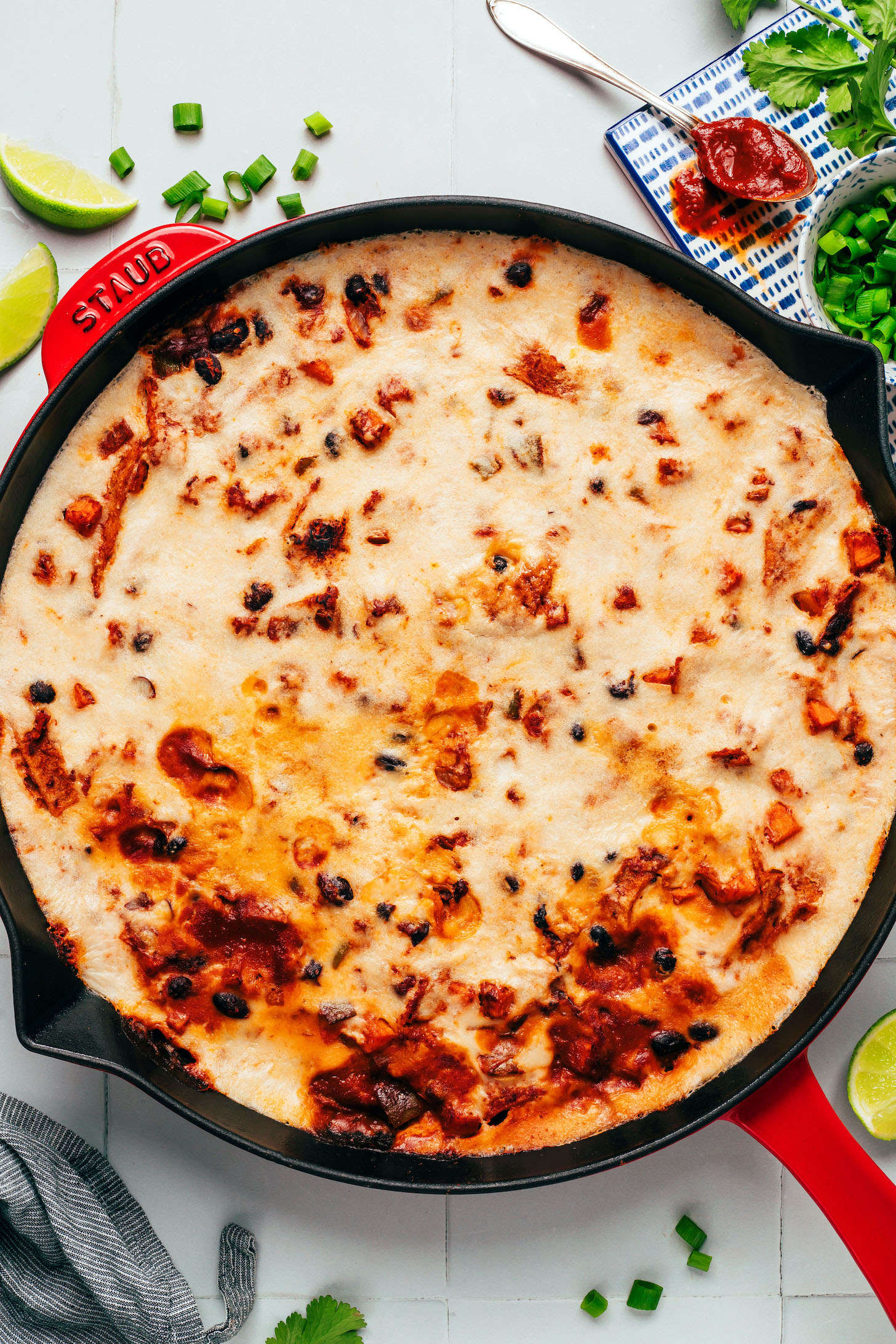
Secondly, the emphasis on a 30-minute, one-pan preparation reinforces the growing importance of efficiency in home cooking. Such recipes empower busy individuals to prepare wholesome, flavorful meals from scratch, potentially reducing reliance on takeout or highly processed foods. This can lead to improved dietary habits and greater food security within households.
Furthermore, the recipe’s nutritional profile, estimated at approximately 416 calories, 68.2g carbohydrates, 13.6g protein, and 12.2g fat per serving (calculated without optional toppings), showcases how plant-based meals can be both satisfying and contribute to a balanced diet. The inclusion of ingredients like black beans provides a substantial source of protein and fiber, while sweet potatoes offer essential vitamins, notably Vitamin A. This nutritional density, combined with the recipe’s versatility and freezer-friendly nature (up to one month), positions it as a practical staple for meal prepping and sustainable living.
In conclusion, the Cheesy Vegan Enchilada Skillet (30 Minutes!) is more than just a recipe; it represents a significant milestone in the evolution of plant-based and convenience-driven cuisine. By skillfully reinterpreting a classic Mexican dish through a vegan, time-efficient lens, it addresses contemporary consumer demands for health, sustainability, and practicality. Its innovative use of a cashew-based "cheese" sauce and streamlined cooking method ensures that delicious, hearty, and authentic flavors remain accessible to all, solidifying its place as a compelling addition to the modern culinary repertoire.
