

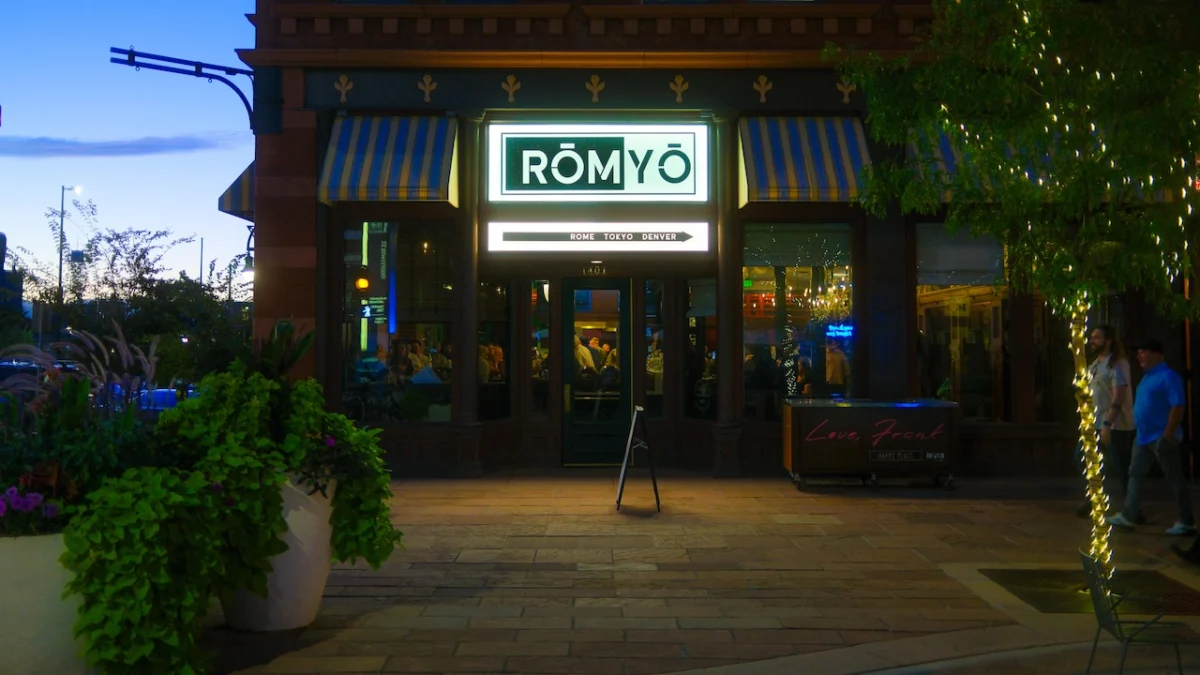
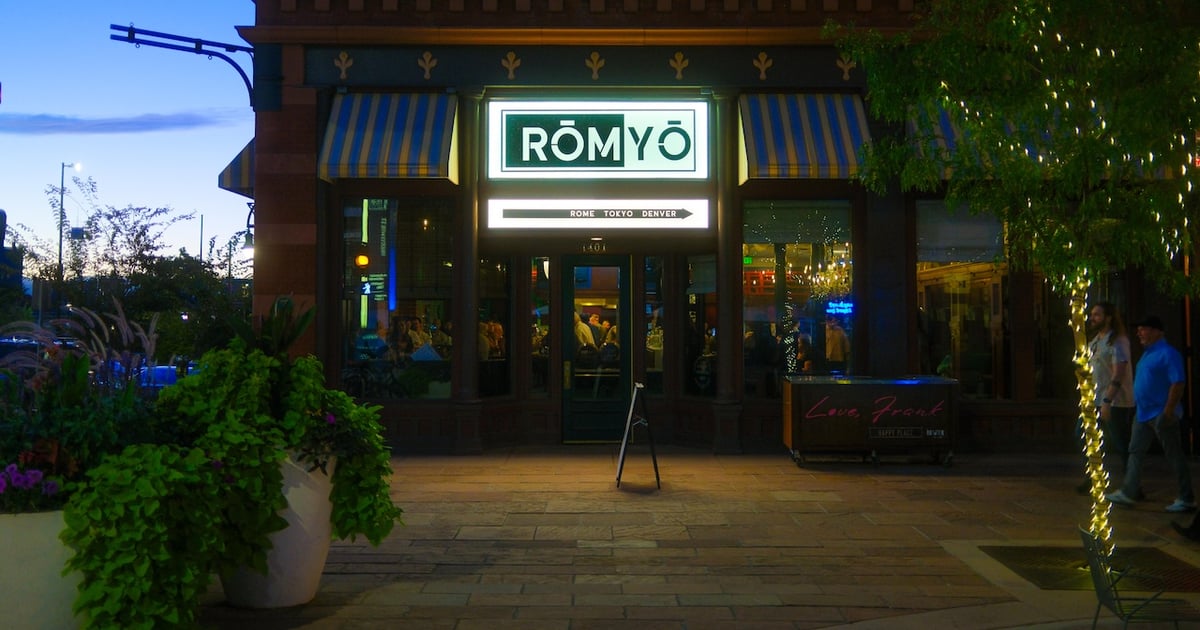
Bonanno Concepts, a prominent name in Denver’s vibrant culinary landscape, has unveiled its latest gastronomic endeavor, Romy-Jo, a sophisticated Itameshi restaurant located in the historic Larimer Square. The establishment, which opened its doors last month, introduces diners to the increasingly popular fusion cuisine that artfully marries the rich traditions of Japanese and Italian cooking. This expansion marks a significant move for the Bonanno team, reflecting their adaptive strategies and innovative spirit in a post-pandemic dining environment.
The Genesis of Itameshi: A Culinary Evolution
The concept of Itameshi, also known as Wafu Italian, has been steadily gaining traction globally, offering a unique palate experience that harmonizes distinct culinary philosophies. For husband-and-wife duo Frank and Jacqueline Bonanno, the inspiration for Romy-Jo emerged organically from their experiences during the COVID-19 pandemic. As restaurants navigated unprecedented challenges, the Bonannos sought creative ways to re-engage with their customer base and explore new culinary frontiers.
Jacqueline Bonanno, the company’s creative director, elaborated on the initial spark: "One of the things that we did to start activating our Italian restaurant, Luca, was a series of ‘play dates,’ when we did unlikely pairings, like Indian-Italian, German-Italian, Spanish, Japanese, Moroccan," she explained. "They were very successful, super fun, and kind of got the neighborhood [residents] out, but the most popular one was the Japanese-Italian pairing." This enthusiastic reception from diners provided a clear indication of the potential for a dedicated Itameshi concept.
From Pop-Up to Permanent: A Calculated Progression
The Bonannos’ commitment to testing and refining the Itameshi concept was evident in their strategic approach. Prior to the launch of Romy-Jo, they transformed their modest sandwich shop, Salt & Grinder, in Denver’s Highland neighborhood, into a 22-seat Itameshi restaurant named Dumplin’. This smaller-scale operation served as a crucial proving ground, allowing the team to experiment with dishes, gauge customer preferences, and solidify their understanding of the fusion’s appeal. The success of Dumplin’ paved the way for a larger, more ambitious venture.
The opportunity to establish Romy-Jo arose when the space formerly occupied by Ted’s Montana Grill in the coveted Larimer Square became available. This prime location offered a significant upgrade in terms of size and visibility, providing the perfect canvas for the Bonannos’ vision. "We closed Dumplin’ about two weeks after we signed this lease," said chef Frank Bonanno. "And almost everything that was on the Dumplin’ menu is on this menu." This statement highlights the seamless transition and the confidence they had in the dishes developed during the Dumplin’ iteration.
Romy-Jo: A Fusion of Design and Culinary Artistry
Romy-Jo, a name ingeniously crafted by combining "Rome" and "Tokyo," occupies a spacious 4,000-square-foot establishment, accommodating 120 guests. The restaurant’s interior design, conceptualized by Jacqueline Bonanno, is as captivating as its menu. Booths lining the walls are designed to evoke the ambiance of train cars, complete with video-screen "windows" that display scenic views of both Japan and Italy, further immersing diners in the dual cultural experience.
A whimsical yet striking focal point of the dining room is Gracie, a 6-foot-tall giraffe sculpture that elegantly supports a chandelier above the host stand. Adding a personal touch to the restaurant’s aesthetic, the Bonannos’ son, Luca, contributed his artistic talents by creating the restaurant’s unique pottery, infusing the space with a sense of family heritage.
A Trilingual Menu, A Unifying Taste
The menu at Romy-Jo is a testament to the thoughtful integration of Japanese and Italian culinary elements. It is presented in a trilingual format, with sections such as "Antipasti | Zensai | Introductions," "Fritto | Ageru | Crispies," and "Ripieni | Gyoza | Dumplings." While the headings offer a glimpse into the linguistic influences, the dish names themselves are presented in English, ensuring accessibility for a broad audience.
The culinary offerings showcase an inventive interpretation of Itameshi. Signature dishes include:
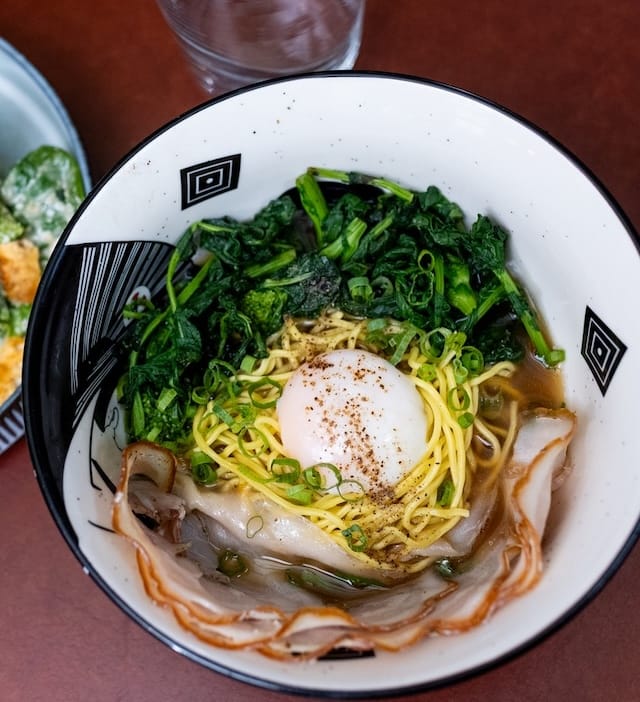
- Porchetta Ramen: A rich and savory ramen broth infused with the flavors of porchetta, complemented by grilled broccoli raab, a perfectly poached egg, and a deeply flavorful pork brodo.
- Australian Wagyu Beef Katsu: Crispy, panko-breaded Australian wagyu beef, served with a classic tonkatsu sauce and a delicate poached egg, offering a luxurious take on a Japanese favorite.
- Hawaiian Tuna Crudo: Fresh, sashimi-grade Hawaiian tuna, enhanced by the nuanced flavors of barrel-aged soy sauce, bright citrus notes, and a touch of spicy Calabrian chile oil.
These dishes exemplify the kitchen’s ability to blend seemingly disparate ingredients and techniques into cohesive and exciting plates. The careful selection of high-quality ingredients, a hallmark of both Italian and Japanese cuisines, is evident in every creation.
Bonanno Concepts: A Legacy of Culinary Innovation
Romy-Jo is the latest addition to the esteemed portfolio of Bonanno Concepts, which includes other notable Denver establishments such as Luca, Osteria Marco (named after their son Marco), Vesper Lounge, Salita (a sophisticated Italian cocktail bar), and Mizuna, a French-Japanese restaurant that is celebrating its remarkable 25th anniversary. This extensive track record underscores the Bonannos’ deep understanding of diverse culinary traditions and their ability to execute them with finesse.
Chef Frank Bonanno draws a compelling parallel between French-Japanese fusion, a cuisine with which they have already found success at Mizuna, and Itameshi. "French-Japanese has always been accepted, and they’re sort of similar, but nothing is more similar than Italian-Japanese, to be dead honest with you," he stated. He elaborates on this connection by highlighting the shared emphasis on hyper-ingredient focus and the comparable umami profiles found in Parmesan cheese and Japanese dashi, suggesting an intrinsic culinary synergy between the two cultures.
The Growing Landscape of Itameshi in the U.S.
Romy-Jo joins a growing national movement of Itameshi restaurants, demonstrating the cuisine’s increasing appeal across various markets. Notable establishments contributing to this trend include PastaRamen in Montclair, New Jersey, widely considered one of the most high-profile examples. Other cities are also embracing this fusion, with restaurants like Junah in Salt Lake City and Itameshi in Albany, New York, carving out their own niches.
Furthermore, the influence of Itameshi is extending to established Japanese restaurants. Masako Morishita, the chef behind Perry’s, a venerable Japanese restaurant in Washington, D.C., has begun incorporating Italian elements into her menu. Her innovative approach has garnered significant recognition, earning her a spot on Food & Wine Magazine’s prestigious Best New Chefs list this year, signaling a broader acceptance and integration of this culinary cross-pollination.
Local Acclaim and Denver’s Resilient Dining Scene
The debut of Romy-Jo has been met with enthusiastic reviews from local media, underscoring its promising potential. Westword, a prominent Denver publication, lauded the restaurant, stating, "the restaurant is already showing the potential to become a new and sorely needed anchor." The Denver Post has also commended Romy-Jo for its boldness and creativity, recognizing its unique contribution to the city’s culinary offerings.
Despite the lingering challenges faced by Denver’s downtown district in the wake of the pandemic, particularly concerning the return of office workers, the Bonannos remain deeply committed to the city’s hospitality sector. While they did experience the closure of French 75, an anchor tenant in an office building, their continued investment in new ventures like Romy-Jo speaks volumes about their belief in Denver’s future.
"We love Larimer Square, and we love Denver," expressed Jacqueline Bonanno, reaffirming their dedication to the city. Frank Bonanno echoed this sentiment, expressing optimism about Romy-Jo’s strategic location. "I’m lucky to be sitting next to Tamayo, which is Richard Sandoval’s, and Jen Jasinski’s Rioja," he commented. "We have great culinary talent, and it just keeps getting better and better. And this is a city where I think mom-and-pops can open a small restaurant on a decent budget right now, and I think there’s opportunity for people like that."
This sentiment suggests a belief in Denver’s capacity to support a diverse and dynamic restaurant scene, even in challenging economic times. The presence of established culinary powerhouses alongside emerging independent eateries creates a fertile ground for innovation and growth, with Romy-Jo poised to be a significant contributor to this evolving landscape. The restaurant’s unique concept, coupled with the Bonannos’ proven track record and the vibrant setting of Larimer Square, positions Romy-Jo as a noteworthy destination for culinary exploration in Denver and beyond.
