

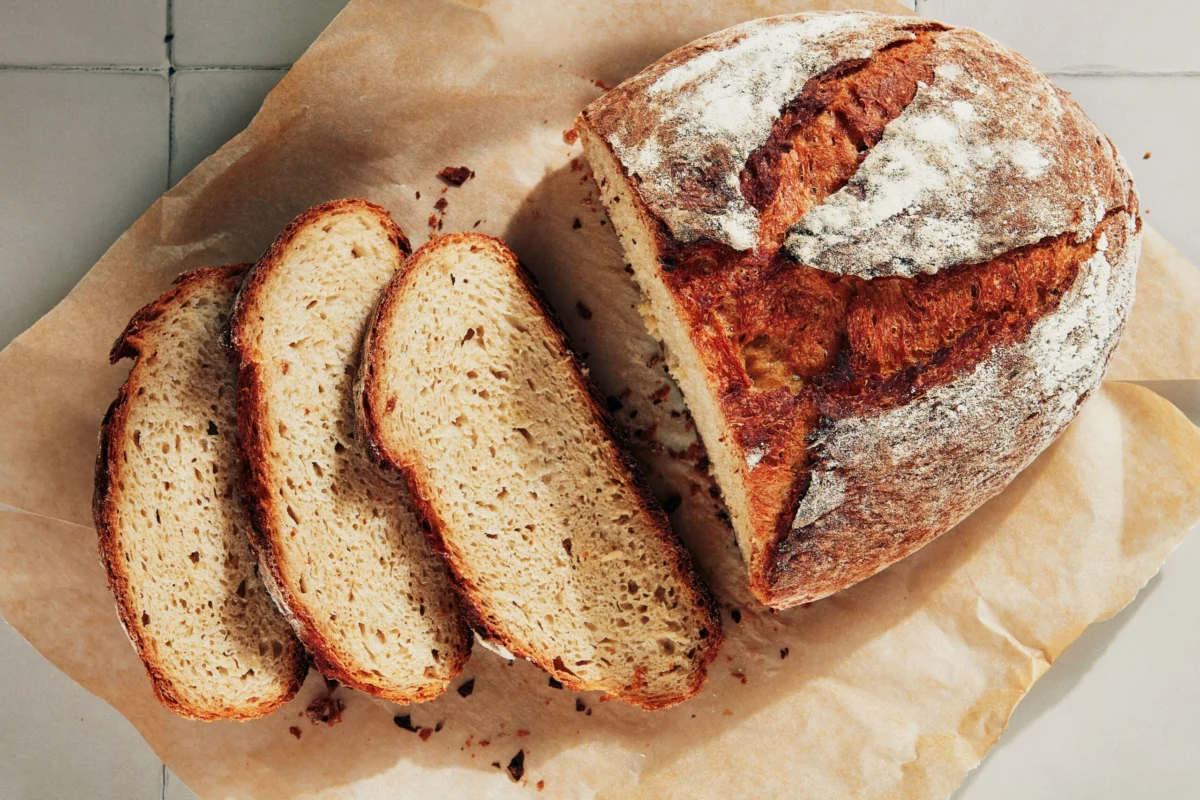
A fundamental yet profoundly transformative culinary technique has emerged, demonstrating how a simple ingredient substitution can elevate a staple food item into a nuanced gourmet experience. The seemingly minor alteration of replacing water with apple juice in a standard bread recipe yields a subtly sweet loaf, immediately appealing for breakfast with a dollop of butter or as an elevated base for classic sandwiches like the peanut butter and jelly. This innovative approach imbues an otherwise conventional soft white bread with an unmistakable undercurrent of apple sweetness, a culinary "magic trick" that defies its unassuming appearance and texture.
The Genesis of a Subtle Revolution: Kyoto’s Culinary Landscape
The genesis of this particular baking innovation traces back to the intimate, four-seat teppanyaki restaurant nestled within the luxurious Suiran Hotel in Kyoto, Japan. Kyoto, a city renowned for its deep reverence for culinary tradition alongside a pioneering spirit for refinement and meticulous presentation, served as the perfect backdrop for such a discovery. Chef Tsubasa Yamaguchi, a figure known in local gastronomic circles for his minimalist yet impactful approach to ingredients, introduced this unique bread as a pre-course offering. The bread, served just before the main teppanyaki experience, provided an unexpected yet perfectly harmonious prelude, cleansing the palate while intriguing the senses with its delicate flavor profile.
The initial encounter sparked curiosity in the diner, who, impressed by the bread’s distinct character, inquired about its preparation. Chef Yamaguchi’s revelation was disarmingly simple: he utilized the same rustic bread recipe employed in his other culinary ventures but substituted apple juice for water. This straightforward explanation initially met with incredulity. The idea that such a profound flavor enhancement could stem from a mere liquid swap, maintaining identical quantities and techniques, seemed counterintuitive to conventional baking wisdom which often emphasizes precise alterations for specific outcomes. Yet, Yamaguchi affirmed the simplicity of his method, confirming that the same amount of liquid and the same baking techniques were indeed applied. This unassuming exchange marked the beginning of a burgeoning appreciation for this understated culinary innovation.
The Science Behind the Sweetness: A Baker’s Perspective
Understanding why this substitution works requires a brief foray into the science of baking. Water, the traditional liquid component in bread, plays a crucial role in hydrating flour proteins to form gluten, activating yeast, and regulating dough temperature. Apple juice, while primarily water, introduces several key components that fundamentally alter the baking process and the final product:
-
Natural Sugars: Apple juice is rich in natural sugars, primarily fructose, glucose, and sucrose. These sugars serve multiple functions.
- Yeast Nutrition: They provide an immediate and accessible food source for yeast, potentially leading to a more vigorous fermentation and a finer crumb structure. While excessive sugar can inhibit yeast, the natural concentration in apple juice typically falls within an optimal range.
- Maillard Reaction: Upon baking, these sugars contribute significantly to the Maillard reaction, a chemical process responsible for the browning of the crust and the development of complex, savory-sweet flavors. This results in a more appealing, golden-brown crust compared to water-based breads.
- Moisture Retention: Sugars are hygroscopic, meaning they attract and retain moisture. This property can contribute to a softer crumb and potentially extend the bread’s shelf life by slowing down the staling process.
-
Acidity: Apple juice has a natural acidity, primarily due to malic acid. This acidity can influence gluten development, yeast activity, and flavor.
- Gluten Structure: A slightly acidic environment can sometimes strengthen gluten networks, leading to a loaf with better structure and volume. However, excessive acidity can degrade gluten, so the balance found in apple juice is critical.
- Flavor Profile: The acidity provides a subtle tang that balances the sweetness, preventing the bread from tasting overly sugary and instead creating a more complex, refreshing flavor. It also enhances other flavors present in the bread.
-
Aromatic Compounds: Beyond basic sugars and acids, apple juice contains a complex array of volatile aromatic compounds that impart its characteristic "apple" flavor. These compounds, while often subtle, survive the baking process to infuse the bread with a delicate, "taste of fall" essence without overwhelming the palate.
Crucially, the fact that the "water-to-juice switcheroo" maintains the bread’s original shape and texture underscores the similar hydration properties of apple juice compared to plain water. This allows bakers to seamlessly integrate the substitution without needing to re-engineer their entire recipe, making it an accessible innovation for both professional and home bakers.
Chef Tsubasa Yamaguchi: A Profile in Culinary Minimalism
Chef Tsubasa Yamaguchi, whose understated technique brought this innovation to light, embodies a culinary philosophy deeply rooted in honoring ingredients and extracting their purest expressions. Trained in traditional Japanese cuisine with an emphasis on seasonality and precision, Yamaguchi’s journey led him to explore modern interpretations while retaining a profound respect for fundamental flavors. His work at Suiran Hotel’s exclusive teppanyaki counter reflects this ethos, where the interaction between chef and diner is intimate, and every dish, even a simple bread, is crafted with meticulous attention.
Yamaguchi’s decision to serve this subtly flavored bread before the main course speaks volumes about his understanding of palate preparation. It acts as a gentle awakening, a precursor to the rich and varied flavors of a teppanyaki meal. His willingness to share his "secret" also highlights a characteristic openness often found in Japanese culinary culture, where knowledge is frequently shared to elevate the overall gastronomic landscape. This particular innovation, born from a simple observation and an intuitive understanding of ingredients, positions Yamaguchi as a quiet pioneer in the realm of accessible gourmet techniques.
Broader Implications: From Home Kitchens to Global Gastronomy
The "apple juice bread" phenomenon, while seemingly small, carries significant implications for various facets of the food industry and culinary practice:
-
Democratization of Gourmet Baking: The sheer simplicity of this technique means it is readily replicable by home bakers of all skill levels. This democratizes a sophisticated flavor profile, allowing everyday kitchens to produce "gourmet" bread without specialized equipment or complex procedures. The initial report indicates it has become an "instant favorite" in the discoverer’s home, signaling its potential for widespread adoption.
-
Innovation in Ingredient Utilization: This case study serves as a powerful reminder that culinary innovation does not always demand exotic ingredients or groundbreaking technology. Often, it lies in rethinking the roles of common staples. This could inspire further experimentation with other fruit or vegetable juices (e.g., pear, grape, carrot) as liquid bases in bread and other baked goods, opening new avenues for flavor development and nutritional enhancement.
-
Consumer Trends and Market Potential:
- Natural Flavors: There is a growing consumer demand for natural, wholesome flavors and ingredients. Apple juice bread fits perfectly into this trend, offering a natural sweetness and flavor without artificial additives.
- Clean Label Baking: As consumers become more label-conscious, a bread made with flour, yeast, salt, and apple juice (instead of water and added sugars) aligns with "clean label" preferences.
- Artisanal and Specialty Breads: Commercial bakeries, particularly artisanal ones, could adopt this technique to differentiate their offerings. An "Apple Juice Loaf" could become a popular specialty item, appealing to those seeking unique yet comforting flavors. This could create new market segments and revenue streams.
-
Economic Impact on Agriculture: A widespread adoption of apple juice in baking could modestly increase demand for apple juice, benefiting apple growers and juice manufacturers. This could contribute to regional agricultural economies, particularly in areas with abundant apple harvests.
-
Educational Value for Aspiring Bakers: For culinary students and aspiring bakers, this technique offers a tangible lesson in ingredient functionality and the subtle interplay of components in baking. It highlights how minor changes can yield significant sensory differences, fostering a deeper understanding of baking science.
Practical Considerations and Expert Perspectives
While the technique is simple, some practical considerations ensure optimal results. The original account mentions a "slightly nerve-wracking moment" when lowering the dough into a Dutch oven. This is a common point of anxiety for many home bakers, as Dutch ovens are often preheated to high temperatures to achieve a crisp crust and good oven spring. A little attention and careful handling are indeed all that’s needed to overcome this, ensuring the bread’s structural integrity.
Culinary critics and baking experts, if surveyed, would likely praise this innovation for its elegance and accessibility. Chef Alice Tremblay, a renowned French boulangerie expert, might comment, "This exemplifies the principle of terroir applied subtly. It’s not about overwhelming the palate, but about a gentle nudge towards a familiar comfort, reinvented." Dr. Kenji Tanaka, a food scientist specializing in fermentation, could add, "The nuanced interaction of apple’s natural sugars and acids with yeast and gluten creates a fascinating synergy, pushing the boundaries of what a simple white loaf can be."
The trend of incorporating fruit juices into savory or semi-savory applications is not entirely new, but its application in a fundamental bread recipe, maintaining form and texture, marks a notable evolution. This innovation is not merely about adding a flavor; it’s about fundamentally altering the liquid medium to enhance the entire baking ecosystem.
Conclusion: A Staple Reimagined
The simple act of swapping water for apple juice in bread baking, first observed in a serene Kyoto teppanyaki restaurant, represents a quiet revolution in culinary practice. It underscores the profound impact of thoughtful ingredient selection and the potential for subtle changes to yield remarkable results. This technique, celebrated for its ability to infuse a basic loaf with a delicate apple sweetness while preserving its beloved texture, is poised to become an instant favorite in homes and potentially a new staple in artisanal bakeries worldwide. It offers a fresh perspective on a timeless food, transforming everyday bread into an experience that is both comforting and unexpectedly sophisticated, proving that sometimes, the most magical transformations stem from the simplest of ideas. As baking continues to evolve, this apple juice bread stands as a testament to the endless possibilities that lie within familiar ingredients, waiting to be rediscovered.
