

In a significant move to capture the attention of a digitally native audience, Domino’s, the globally recognized pizza delivery giant, has officially announced a comprehensive, multi-faceted marketing campaign in collaboration with Minecraft Dungeons II. This strategic partnership, unveiled on Wednesday, marks the latest instance of a major restaurant chain leveraging the immense popularity of the Minecraft intellectual property (IP) to drive brand engagement and sales. The campaign centers on promoting Domino’s signature individual Detroit-style pizza, known simply as "The Domino," through a series of themed activations designed to resonate with the gaming community.
The initiative is set to feature collectible, custom-designed pizza boxes that will immerse customers directly into the Minecraft Dungeons II universe. Beyond the physical realm, the collaboration extends into the digital landscape with the introduction of in-game items and branded skins for players. This integration aims to create a seamless brand experience that bridges the gap between the virtual world of gaming and the tangible enjoyment of a pizza. Adding further incentive, Domino’s is launching a substantial giveaway of 20,000 game codes, providing a direct pathway for consumers to experience Minecraft Dungeons II. Even the brand’s proprietary "Pizza Tracker," a beloved feature that allows customers to monitor their order’s progress, will be given an interactive Minecraft Dungeons II makeover, enhancing the user experience with thematic elements.
This strategic pivot by Domino’s is not an isolated event in the fast-food industry. The success of similar gaming-themed promotions has demonstrably influenced market trends. McDonald’s, for instance, experienced a remarkable surge in customer traffic, reporting double-digit percentage increases, following their "Minecraft Meals" campaign last year. More recently, Crumbl, a popular cookie chain, saw its sales performance rebound significantly in September, a period that had previously shown signs of a slump, directly attributed to a highly successful Minecraft-themed cookie promotion. These precedents underscore the potent appeal of integrating familiar and beloved game franchises into restaurant marketing strategies, particularly when targeting younger demographics or those with a strong affinity for digital entertainment.
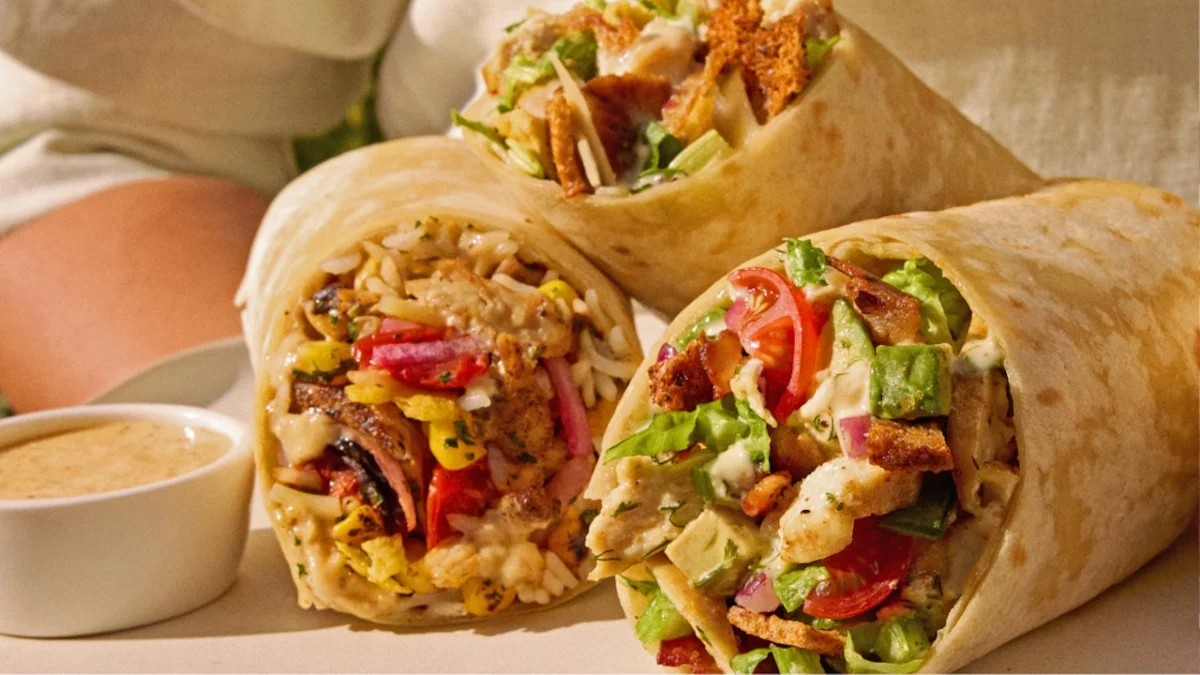
The broader trend of restaurants seeking innovative marketing channels is further evidenced by a noticeable shift towards micro-influencers, as reported by industry publications. While the influencer marketing landscape continues to expand, differentiating campaigns and achieving genuine consumer connection has become increasingly challenging. Chains like First Watch and Sweetgreen are actively re-evaluating their strategies, opting for smaller, more niche creators. Chris Tomasso, CEO of First Watch, has publicly lauded the effectiveness of this approach for his brand, citing positive outcomes. Similarly, Sweetgreen successfully leveraged approximately 500 micro-influencers for the launch of their wraps, indicating a growing reliance on these smaller, more targeted collaborations. A recent report from Morning Consult corroborates this shift, highlighting that consumers are increasingly looking to creator endorsements for restaurant recommendations. However, the report emphasizes that authenticity remains paramount for these endorsements to be effective.
The Strategic Rationale Behind Gaming Collaborations
The decision by major restaurant chains to partner with gaming franchises like Minecraft is rooted in several strategic considerations. The gaming industry has experienced exponential growth, with a global audience that is both expansive and highly engaged. Minecraft, in particular, boasts a massive player base across various age groups, with a significant portion being young adults and teenagers who are also key consumer demographics for quick-service restaurants. By associating with such a popular IP, brands can tap into existing fan communities, generate organic buzz, and create a sense of shared experience.
Furthermore, the interactive nature of gaming provides a fertile ground for innovative marketing. The ability to integrate branded content directly into gameplay, offer exclusive digital rewards, and create immersive virtual experiences allows for a deeper level of engagement than traditional advertising methods. This is particularly relevant in an era where consumers are increasingly inundated with marketing messages and are actively seeking more personalized and interactive brand interactions. The success of promotions like McDonald’s Minecraft Meals and Crumbl’s themed cookies demonstrates that these collaborations can translate directly into measurable business outcomes, including increased foot traffic and sales.
The current Domino’s campaign with Minecraft Dungeons II exemplifies this strategic approach. The inclusion of collectible boxes, in-game items, branded skins, and a significant game giveaway aims to offer a multi-layered engagement strategy. The enhancement of the Pizza Tracker with a Minecraft theme further solidifies the immersive experience, making the ordering process itself a part of the promotional narrative. This holistic integration is designed to maximize touchpoints with consumers, ensuring that the brand presence is felt not only before and after the purchase but also during the anticipation of delivery.
Broader Industry Trends in Marketing and Consumer Trust
Beyond gaming collaborations, the restaurant industry is undergoing a significant evolution in its marketing strategies, driven by changing consumer behaviors and the proliferation of digital platforms. The rise of micro-influencers, as previously noted, signifies a move away from broad, mass-market campaigns towards more personalized and authentic endorsements. This shift is a response to consumer skepticism towards overly polished or inauthentic advertising. Consumers are increasingly seeking recommendations from individuals they perceive as relatable and trustworthy, making micro-influencers, who often cultivate closer relationships with their followers, a more effective choice for driving genuine interest and conversion.
The emphasis on authenticity is a critical factor across all forms of influencer marketing. A report by Morning Consult suggests that while consumers are open to creator endorsements for restaurants, the endorsement must feel genuine and align with the influencer’s established content and persona. This requires brands to carefully select influencers who not only have a relevant audience but also a genuine affinity for the product or service being promoted. For restaurants, this means moving beyond transactional relationships with influencers and fostering partnerships that feel organic and mutually beneficial.

The integration of digital elements into the customer journey is also becoming increasingly vital. From online ordering and delivery apps to loyalty programs and social media engagement, restaurants are investing heavily in creating seamless digital experiences. The Domino’s Pizza Tracker’s thematic update is a prime example of how even functional elements of a service can be leveraged for marketing purposes, enhancing user experience while reinforcing brand messaging.
Trade Policy and its Impact on Restaurant Operations
In parallel to marketing innovations, the restaurant industry is also navigating complex regulatory and trade landscapes. A significant development impacting the sector involves ongoing legal challenges to tariffs imposed by the Trump administration. Gellert Global Group, a New Jersey-based food importer and distributor, recently filed a lawsuit in the U.S. Court of International Trade, challenging the legality of 50% tariffs on certain Canadian goods. This legal action represents the fourth such suit filed against the administration over the tariffs.
The lawsuit contends that President Trump lacks the legal authority to justify the imposition of these substantial tariffs. If this legal challenge proves successful and the tariffs are rescinded or significantly reduced, it could have a material impact on the cost of various imported goods for restaurant operators. Many restaurants rely on a consistent and predictable supply chain for their ingredients, and tariffs can introduce volatility and increased expenses. Such policy changes can affect everything from the cost of produce and seafood to processed goods and beverages, ultimately influencing menu pricing and profitability. The outcome of these trade disputes, therefore, remains a critical area of observation for the restaurant industry, with the potential to reshape operational costs and sourcing strategies for businesses nationwide.
The Evolving Media Landscape and News Consumption
The news cycle within the restaurant industry, as reflected in this report, highlights a dynamic interplay of marketing trends, consumer behavior shifts, and broader economic and policy influences. The inclusion of a podcast link, "Get all the headlines in today’s Restaurant Daily podcast," underscores the evolving ways in which industry professionals consume news and information. This reflects a broader trend across all sectors, where audio content and on-demand formats are gaining traction as convenient and accessible means of staying informed.
The author attributions further shed light on the editorial process and the expertise behind industry reporting. Leigh Anne Zinsmeister, Managing Editor for Informa’s Foodservice Media, brings extensive experience in managing special reports and digital engagement teams across key industry publications like Nation’s Restaurant News, Restaurant Business, and Foodservice Director. Her background, including a degree from the Walter Cronkite School of Journalism, signifies a commitment to rigorous journalistic standards. Similarly, Lisa Jennings, Executive Editor at Restaurant Business, brings a wealth of experience covering specific sectors within the industry, such as fast-casual and independent restaurants, and her work has been cited in numerous national publications. This depth of expertise ensures that industry news is reported with accuracy, context, and a nuanced understanding of its implications. The inclusion of contact information for authors also facilitates direct engagement and feedback, fostering a more interactive relationship between publishers and their audience.
