

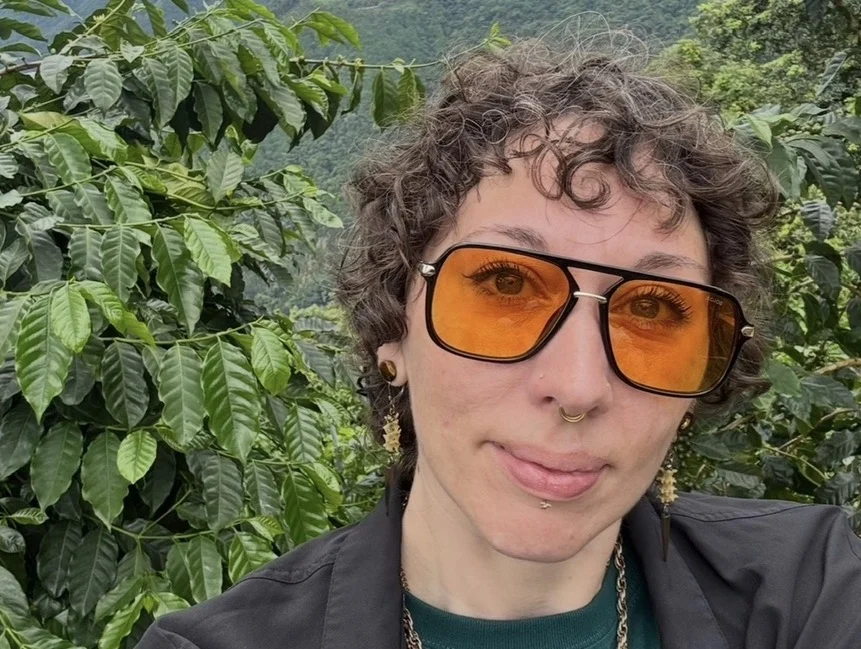
After dedicating over a decade to the intricate world of coffee, from the hands-on experience of cafe operations and roasting to the complexities of wholesale, green coffee sales, and meticulous sourcing, Kris Carlson has charted a new course in the industry. She has established Coffeekris, a Kansas City-based green coffee business that elevates her role to that of a "sourcing curator." Launched in 2025, Coffeekris is built upon the robust network of relationships Carlson has cultivated with importers, exporters, producers, and roasters, aiming to streamline and enhance the coffee procurement process for roasters.
Instead of operating as a traditional importer, Carlson has positioned Coffeekris as an authorized representative for a curated consortium of specialized importing companies. This innovative model provides roasters with a single, accessible point of contact to navigate a diverse array of coffees from ethically minded suppliers worldwide. This approach not only simplifies sourcing for roasters but also amplifies the reach of smaller, specialized importers who might otherwise struggle to connect with a broader market.
The Coffeekris portfolio currently boasts 11 carefully selected importing partners, offering a global selection of coffee beans. Carlson explained that her importing partners compensate her for facilitating these valuable connections, while Coffeekris’s roaster clients benefit from purchasing coffee at the same prices they would encounter if they engaged directly with the importers. This transparency is a cornerstone of her business philosophy.
"Unlike most brokers, I’m transparent," Carlson stated in a recent interview. "You know exactly who I’m working with, why, and where the coffee is coming from. There’s no gatekeeping of knowledge." This commitment to openness aims to foster trust and build stronger, more equitable relationships throughout the supply chain.
A Decade of Cultivating Expertise and Relationships
Carlson’s journey into the coffee industry is deeply rooted in her personal history and a desire to foster positive change. Born in Kansas City, she spent her formative years in the Philadelphia area before returning to her hometown at the age of 24. With a background in music and art, Carlson was naturally drawn to environments that celebrated creativity and community. Her initial foray into coffee was as a barista at Take Five Coffee + Bar in Overland Park, Kansas—a vibrant coffee shop and music venue that unfortunately closed its doors in 2015. This early experience provided a hands-on understanding of customer engagement and the café experience.
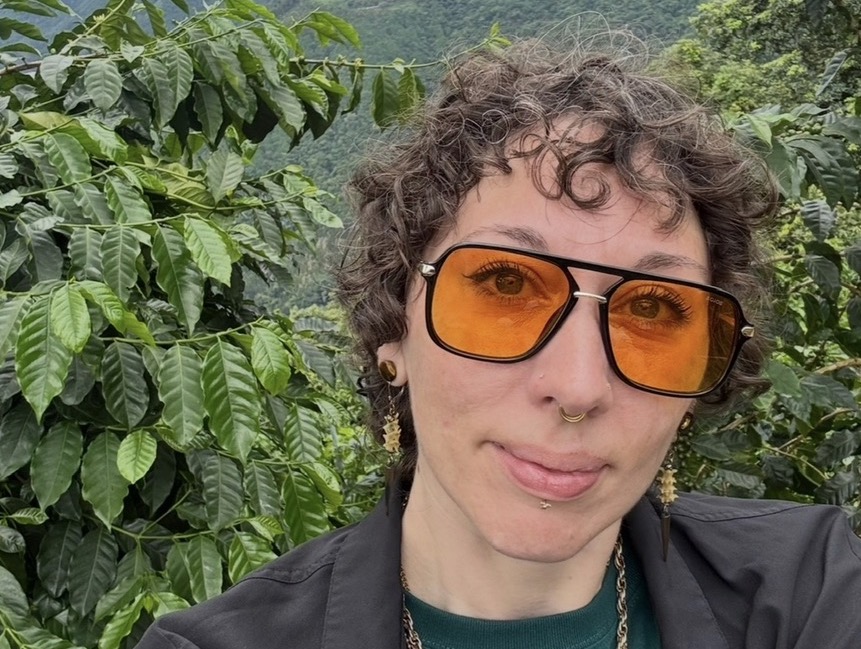
Following her time at Take Five, Carlson joined Revocup Coffee Roasters, an Ethiopian-founded roasting and retail company based in the Kansas City area. It was at Revocup that the seeds of her future career were truly sown. "Learning where, and more importantly who, coffee came from planted a seed in me—a desire to understand the global trading system well enough to advocate for its evolution toward equity, and to make exploitation extinct," Carlson shared. This realization marked a pivotal shift in her career aspirations, moving beyond the transactional aspects of coffee to a deeper engagement with its social and economic implications.
The personal impact of Revocup on Carlson cannot be overstated. Just six months into her tenure, her mother passed away by suicide. Carlson credits the owners, coworkers, and the broader Revocup community with providing an unwavering support system during her profound grief. "Revocup changed the course of my career, but I can’t talk about what it did for me professionally without talking about what it did for me as a person," she reflected. This period of personal challenge and communal support solidified her commitment to fostering supportive and equitable environments within the industry.
Evolving Through Experience and Advocacy
Carlson’s professional trajectory within the coffee sector continued to expand. She transitioned from barista work to cafe management, then to roasting and wholesale operations. Her dedication and skill were recognized through various industry engagements and accolades. She competed as a Glitter Cat Roaster, demonstrating her roasting prowess, and served as a stage manager for the U.S. Coffee Roasters Championship, gaining valuable insights into the competitive landscape. Furthermore, she received industry scholarships, including a 2022 Diedrich Roasters scholarship through the Coffee Roasters Guild, underscoring her commitment to continuous learning and professional development.
A significant turning point in Carlson’s career came with her involvement in the green coffee sector. She joined Mighty Peace Coffee, an importer focused on the Democratic Republic of Congo, which, while no longer operational, provided her with crucial experience in direct trade relationships and ethical sourcing. Subsequently, she joined Anthem Coffee Imports, further honing her skills in sourcing and market analysis.
"Every phase taught me something different, and all of it has added up to working at multiple origins across Latin America, East Africa, and Asia—cupping, selecting lots, and building relationships with producers and exporters directly," Carlson explained. This hands-on experience across diverse geographies and supply chain stages equipped her with an intimate understanding of the challenges and opportunities inherent in global coffee trade.
Coffeekris: A Curated Network for Ethical Sourcing
The current roster of Coffeekris partners exemplifies Carlson’s commitment to collaboration and ethical business practices. Notable partners include Swift Coffee Sourcing, founded by Emily McIntyre; Optimist Coffee Traders, established by Jim Ngokwey, a former co-founder of Mighty Peace Coffee; and Benchmark Coffee Traders, led by Vikram Patel, who focuses on coffees from Papua New Guinea. Carlson has intentionally sought out partners who are led by women and individuals from historically underrepresented groups. Simultaneously, she maintains a diverse portfolio designed to cater to roasters of all sizes, from those requiring only a few bags to those needing commercial volumes.
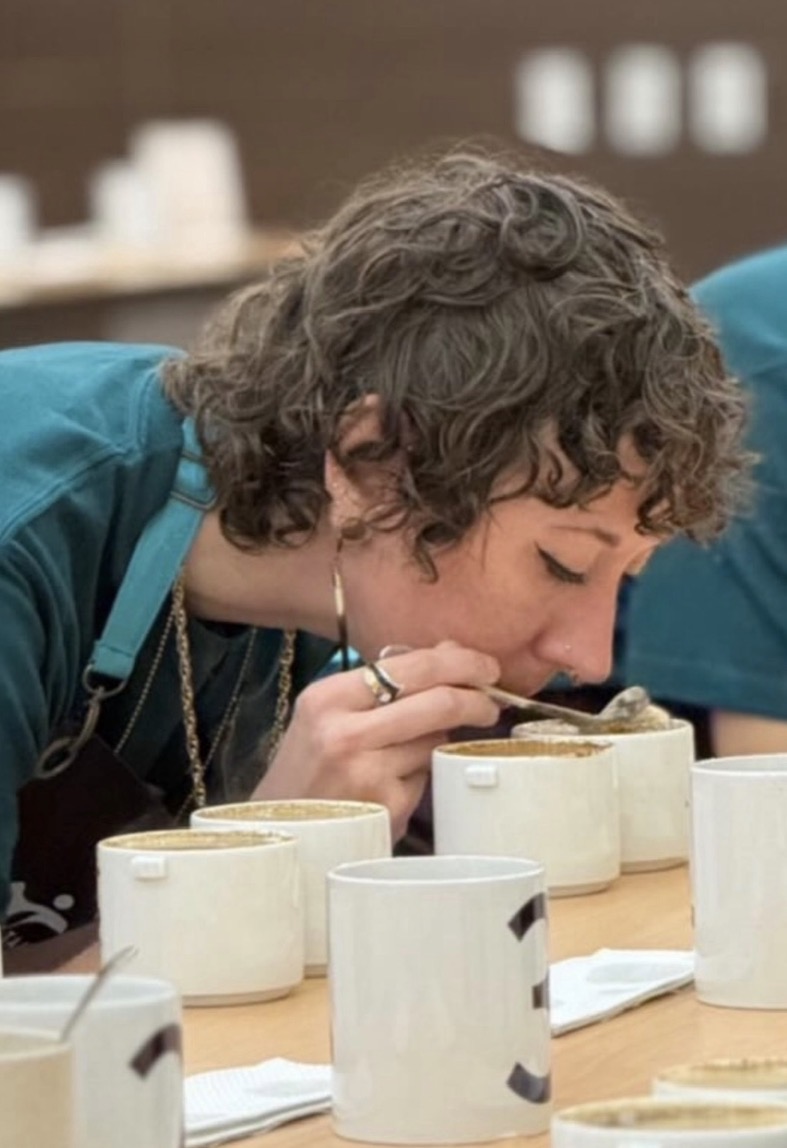
"I don’t care if you’re the janitor or the president of the company, I try to treat everyone with the same respect. If you buy two bags, two pallets, two supersacks, or two containers, I can work with you," Carlson emphasized. "The only thing I don’t compromise on is working ethically, and that includes respecting every actor in the trading system." This inclusive approach underscores her belief that equitable practices are not only morally imperative but also crucial for building a sustainable and thriving coffee industry.
The Coffeekris model has experienced remarkable growth, exceeding Carlson’s initial projections. Upon its launch, she cautiously aimed to sell the equivalent of one container of green coffee in the first year. However, sales surpassed this target, reaching over 10 containers. This rapid success is a testament to the demand for a more transparent, relationship-driven approach to green coffee sourcing.
"After having a room of men tell me directly that I wasn’t capable, I hold this success with humility and with pride," Carlson stated. "Do not confuse that with ease. Starting your own business is never easy. I have so much left to learn, and I take no step forward for granted." Her candid reflection highlights the systemic barriers she has encountered and her determination to overcome them, emphasizing that success is the result of hard work, resilience, and a clear vision.
Three Questions with Kris Carlson: Insights into Passion, Challenges, and Future Aspirations
What excites you most about coffee?
Carlson’s excitement for coffee is palpable, stemming from both personal and professional growth. "The women I spent years admiring from a distance are now people I do business with. That’s not a favor anyone did me—it’s just business, and a few years ago it wouldn’t have been," she articulated. This reflects a significant shift in industry dynamics, where women are increasingly taking on leadership roles and driving impactful change.
She champions the concept of equitable business as inherently strong and enduring. "Competitive mindsets aren’t as fruitful as we tend to think. Instead of cutting each other down and thinking in slices of pie, we could recognize that my lit candle lighting yours doesn’t take away from my flame. We shine brighter together," Carlson explained, advocating for a collaborative rather than adversarial approach within the industry. This philosophy of shared success and mutual uplift is central to her vision for a more inclusive coffee landscape.
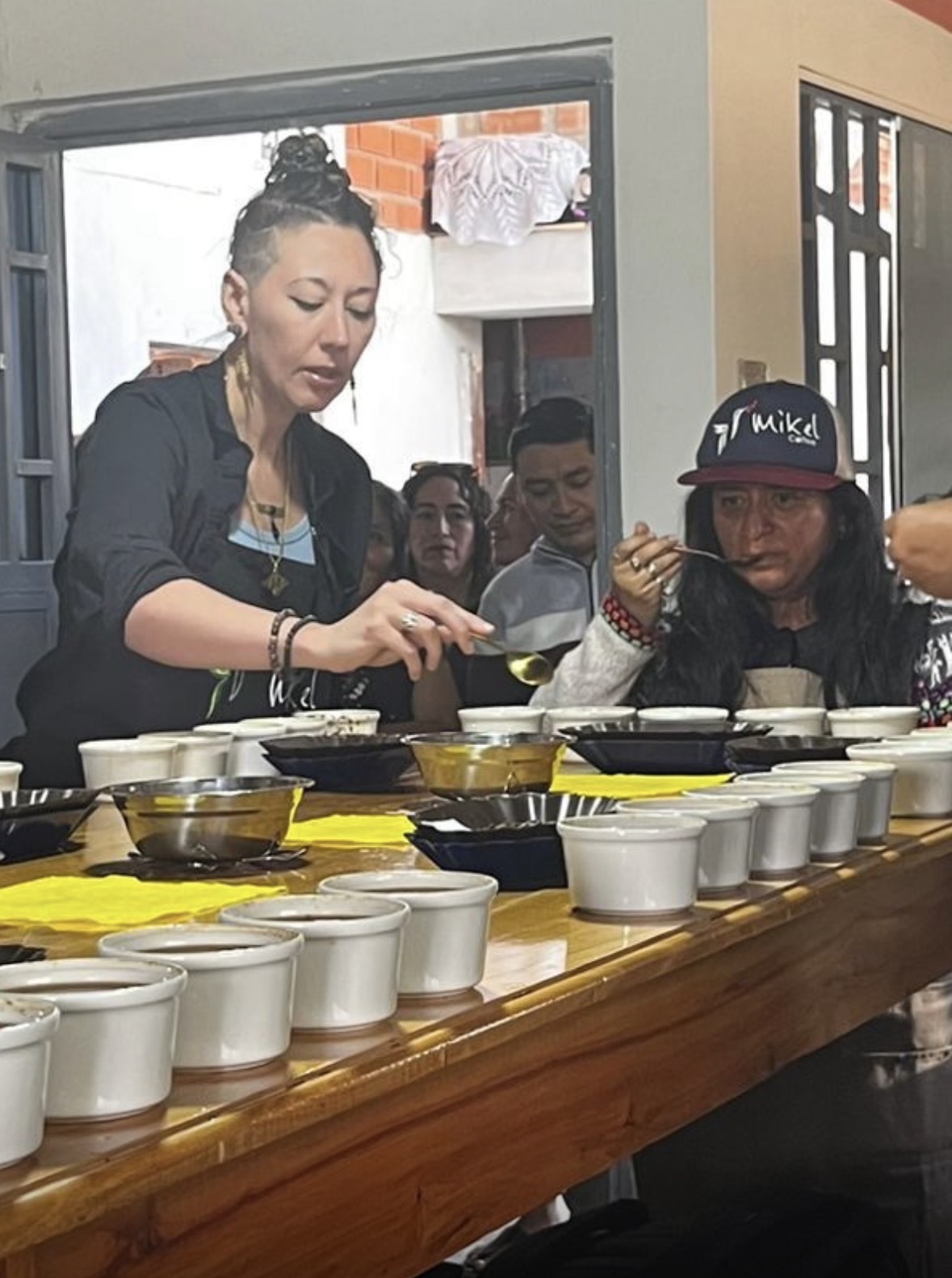
Furthermore, Carlson’s passion is ignited by working with individuals who are often overlooked in traditional, patriarchal, and Euro-centric environments. "I’m a root-for-the-underdog person, and I want to see my homies win," she declared, highlighting her deep-seated desire to support and elevate those who have historically faced systemic disadvantages. This commitment to championing the marginalized is a driving force behind her entrepreneurial endeavors.
What troubles you most about coffee?
Despite the progress, Carlson remains acutely aware of the persistent challenges within the coffee industry, particularly concerning gender inequality. "The world is still so extremely sexist," she stated candidly. "My heart is for the people who have to work at least twice as hard to even be considered for things that get blindly handed to cis-white-het men." This observation underscores the significant disparity in opportunities and recognition that many face.
She views this not only as an issue of fairness but also as a detriment to the industry’s overall quality and innovation. "Every time we default to the same people, we’re leaving good coffee, good buyers, and good ideas on the table because they arrived in an unfamiliar package." By perpetuating a narrow definition of who is deemed capable or worthy, the industry risks missing out on exceptional talent and valuable contributions.
Carlson also addresses the damaging pattern where individuals who speak out against mistreatment are often labeled as the problem. "When someone is mistreated and says so, she becomes the problem—not what happened to her. That’s how these patterns stay intact. The cost of speaking is set high enough that most people do the math and stay quiet." This systemic silencing of voices perpetuates harmful dynamics and hinders progress towards a truly equitable environment.
Despite these challenges, Carlson maintains a hopeful outlook, acknowledging the importance of allies. "I’m so thankful for every male ally I meet. I don’t have a poker face, and this is who I am. Sometimes my honesty gets me taken advantage of, but more and more often it’s aligning me with the people I want to be with." Her directness and commitment to authenticity, while occasionally presenting challenges, are ultimately fostering meaningful connections and driving positive change.
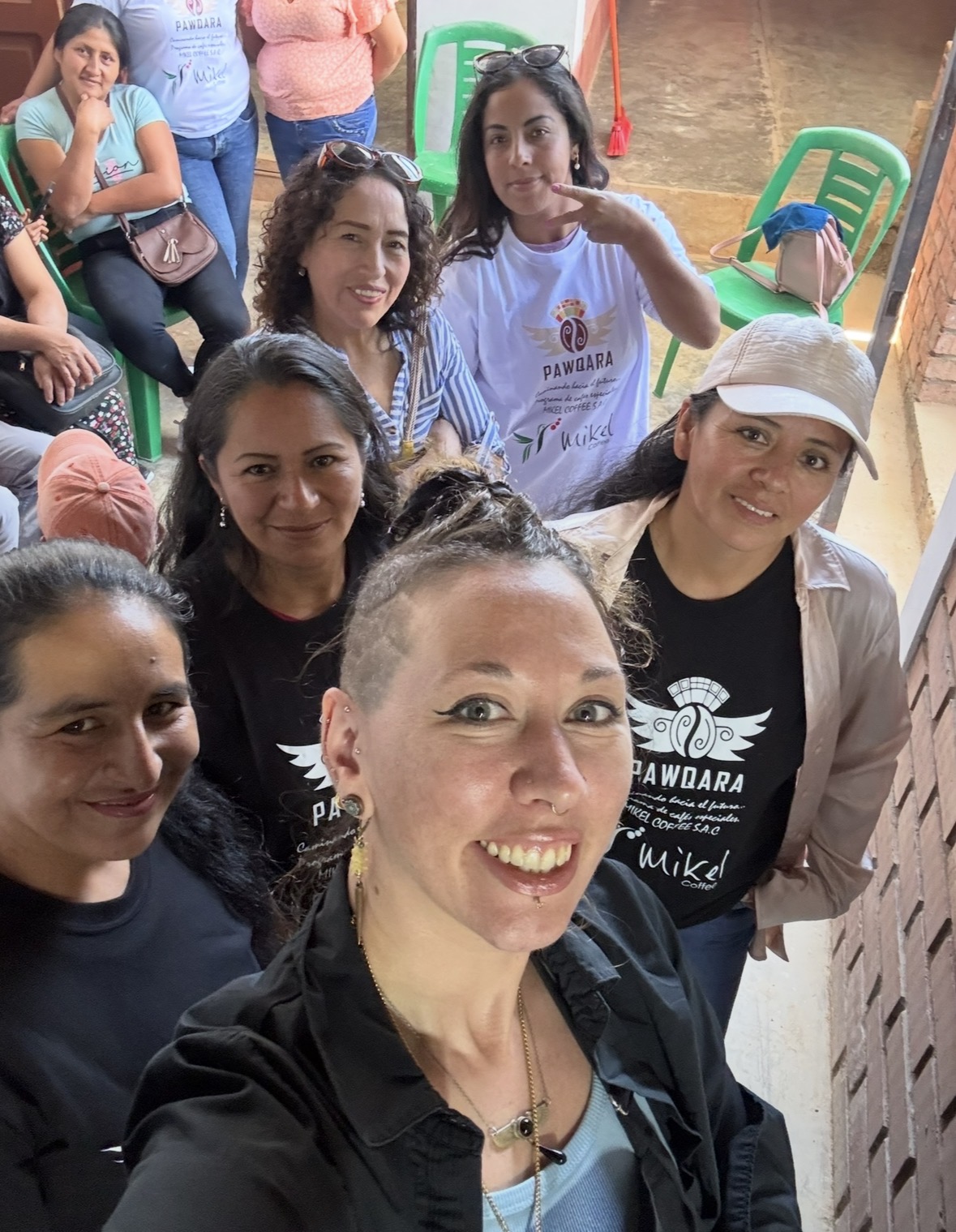
What would you be doing if it weren’t for coffee?
Should her path diverge from coffee, Carlson harbors a clear vision for her next chapter. "In some parallel universe I became the musician and artist I was too afraid to be in my twenties, and I’m sure I’ll be in touch with her again," she mused, hinting at a lifelong passion for the arts.
However, her immediate post-coffee aspirations are rooted in empowerment and community building. "But if I had to leave coffee tomorrow, I’d get certified as a BMX coach, train hard, and run clinics for girls and women." This plan reflects her dedication to breaking down barriers and encouraging participation in activities that may be perceived as male-dominated.
Ultimately, Carlson sees her experiences in coffee as a profound source of personal growth and resilience. "Fear is a garbage excuse not to do things. That’s something coffee taught me, and I’ll carry it no matter where life takes me." This powerful lesson in overcoming apprehension and embracing challenges is a testament to her transformative journey within the coffee industry and her unwavering spirit.
