

The landscape of the global spirits industry underwent a seismic shift in 1999 when William Grant & Sons introduced Hendrick’s Gin. At a time when the market was dominated by traditional London Dry expressions characterized by heavy juniper profiles, Hendrick’s offered a radical departure with its infusion of Bulgarian Rosa Damascena and specially selected cucumbers. This "New Western" style of gin paved the way for a renaissance in the category, leading to the 2018 opening of the Hendrick’s Gin Palace, a £13 million distillery and laboratory in Girvan, Scotland. Under the stewardship of Master Distiller Lesley Gracie, the brand launched the "Cabinet of Curiosities," a series of limited-edition experimental releases designed to push the boundaries of botanical distillation.
As of late 2024, the collection has grown significantly, encompassing a wide array of flavor profiles ranging from briny coastal notes to heavy stone fruits. While the brand’s experimental nature has solidified its reputation for innovation, the reception of these releases has varied among critics and consumers. A comprehensive analysis of the product line reveals a hierarchy of quality, balance, and versatility, ranging from polarizing floral experiments to the enduring excellence of the flagship original.
The Evolution of the Cabinet of Curiosities
The Cabinet of Curiosities is not merely a marketing campaign but a structured experimental program managed by Lesley Gracie. Operating out of the Gin Palace, Gracie utilizes two distinct types of stills: the Bennett, an antique copper pot still dating back to 1860, and the Carter-Head, which features a vapor-driven flavor basket. The combination of these two distillates creates the base for all Hendrick’s variants, which are then modified with post-distillation essences.
The program’s objective is to capture specific "sensory moments," such as the aroma of a garden in midsummer or the atmosphere of a coastal breeze. However, the technical challenge of balancing these delicate essences with the structural requirements of gin—namely the presence of juniper—has led to a diverse range of results.
Analytical Ranking of the Hendrick’s Product Line
8 Hendrick’s Flora Adora (2023 Release)
The 2023 limited edition, Flora Adora, represents the brand’s most aggressive foray into floral aromatics. Inspired by the pollinators of the Ayrshire coast, the spirit incorporates a secret bouquet of botanicals including lavender, rose, and hibiscus. Data from tasting panels indicates a profile dominated by honeysuckle and tuberose, with a vanilla-forward finish.
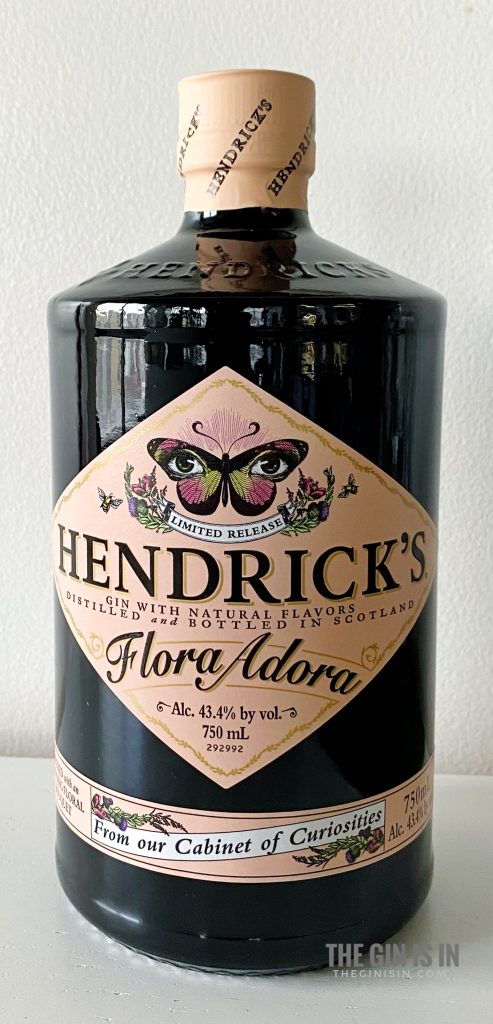
While the technical execution of the infusion is precise, the consensus among spirits journalists is that the floral intensity borders on overwhelming. In many cocktail applications, such as the recommended "Wildgarden Cup," the gin exhibits a "soapy" quality that can mask the nuances of other ingredients. Industry analysts suggest that while Flora Adora appeals to a niche segment of collectors, it lacks the versatility required for a staple back-bar spirit.
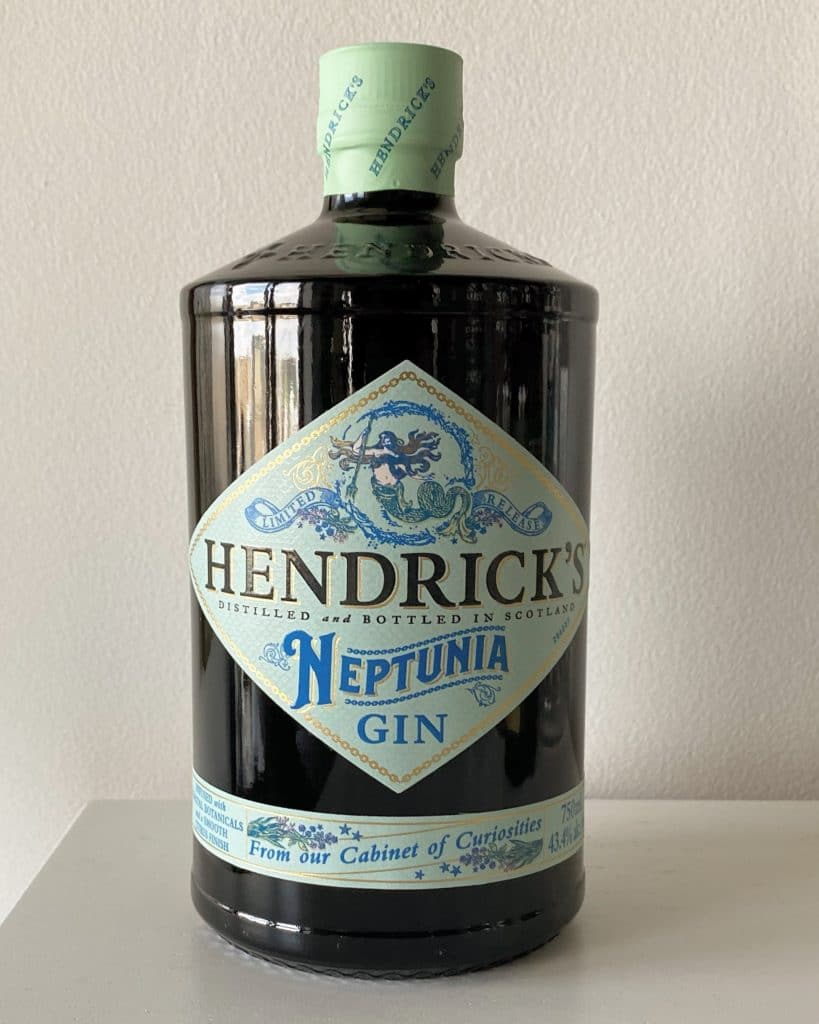
7 Hendrick’s Neptunia (2022 Release)
Neptunia was designed to evoke the "saline" qualities of the Scottish coastline. It reflects a broader industry trend toward savory, Mediterranean-influenced gins. The palate is characterized by a briny, herbal core that transitions into a citrus-heavy finish.
The primary critique of Neptunia lies in its lack of cohesion. Analysts have described the profile as "cacophonous," as the savory seaweed-like notes often clash with the traditional Hendrick’s rose and cucumber base. While it finds a home in specific savory cocktails, such as a Dirty Martini or a Red Snapper, its application in classic tonic-based serves is more challenging than its predecessors.
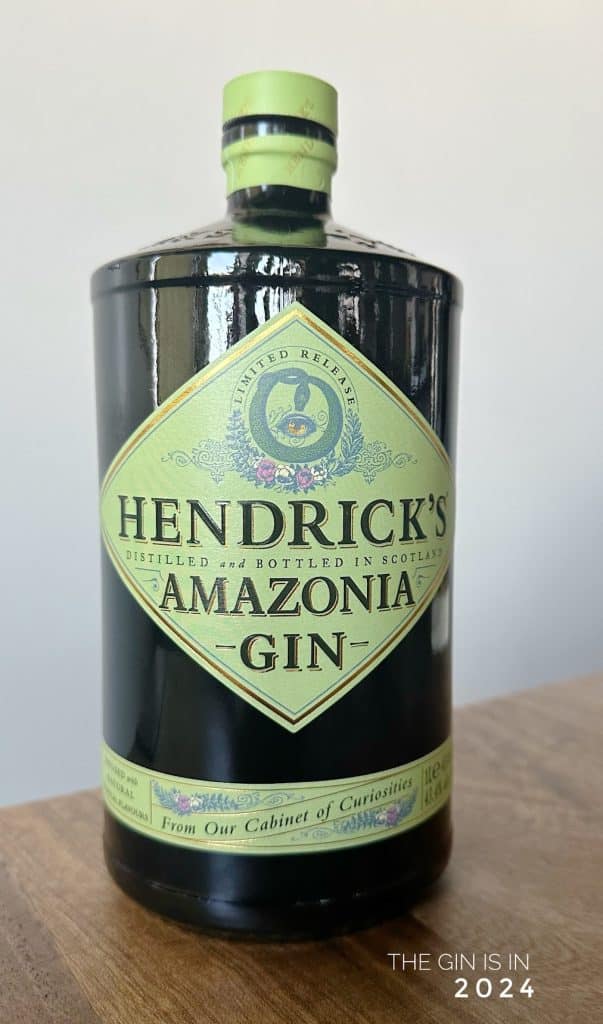
6 Hendrick’s Amazonia (Travel Retail Exclusive)
Amazonia was born from Gracie’s 2013 expedition to the Venezuelan rainforest. Featuring tonka beans and pink peppercorns, the gin was intended to support reforestation efforts through the "One Tree Planted" charity.
The flavor profile is notably tropical, leaning heavily into pineapple and passionfruit notes. While pleasant, spirits critics argue that Amazonia moves too far away from the "gin" identity, behaving more like a flavored spirit suited for Tiki-style drinks. Compared to other limited editions, it lacks the structural complexity found higher up the list.
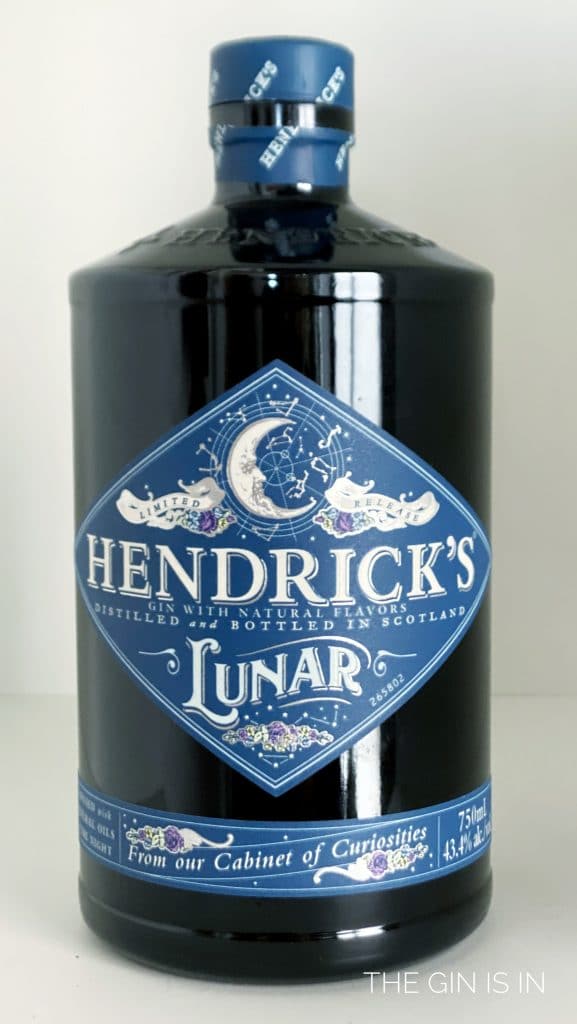
5 Hendrick’s Lunar (2021 Release)
Lunar Gin was marketed as a "nocturnal" spirit, intended for evening consumption. It maintains the classic Hendrick’s floral nose but introduces a warm, spicy mid-palate driven by black peppercorns and ginger.
Technical evaluations highlight its successful balance between delicate violet notes and robust spices. Lunar is considered a highly versatile mixer, performing exceptionally well in ginger ale or traditional Negronis. It serves as a bridge between the brand’s floral heritage and the contemporary demand for spice-forward gins.
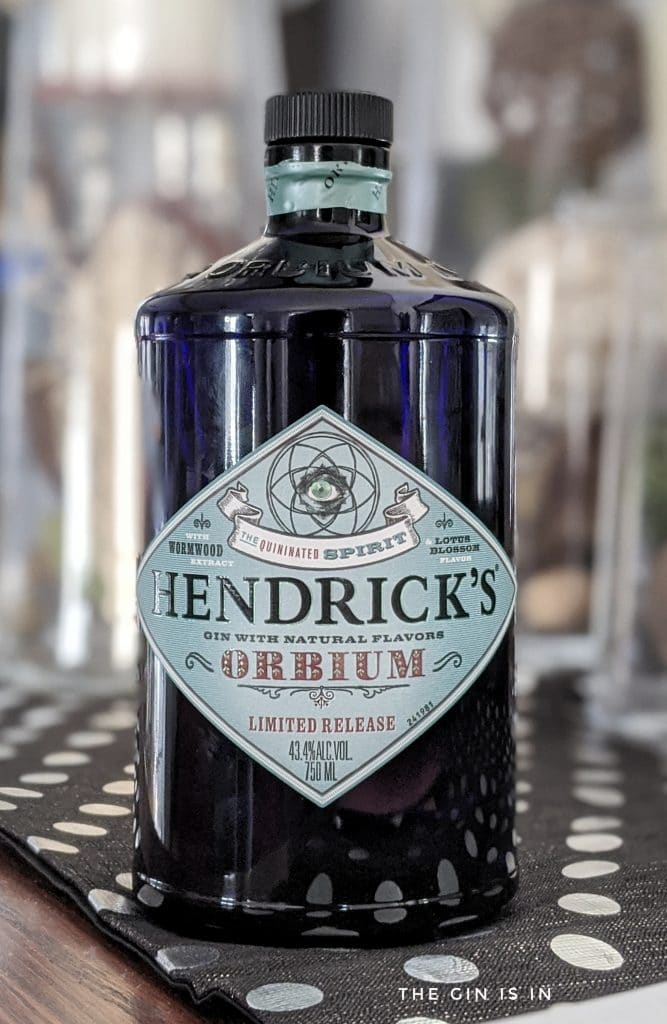
4 Hendrick’s Orbium (Ongoing Limited Release)
Orbium is perhaps the most "intellectual" release in the collection. It reimagines gin by incorporating the ingredients typically found in its mixers: quinine (the bitter agent in tonic) and wormwood (the key botanical in vermouth). It also adds blue lotus blossom for a tea-like floral finish.
Presented in a dark blue apothecary bottle, Orbium is a polarizing but respected expression. Its inherent bitterness makes it a "pre-batched" solution for Martinis and Gin and Tonics, providing a depth of flavor that traditional gins lack. It remains a favorite among professional bartenders for its ability to stand up to bold modifiers.
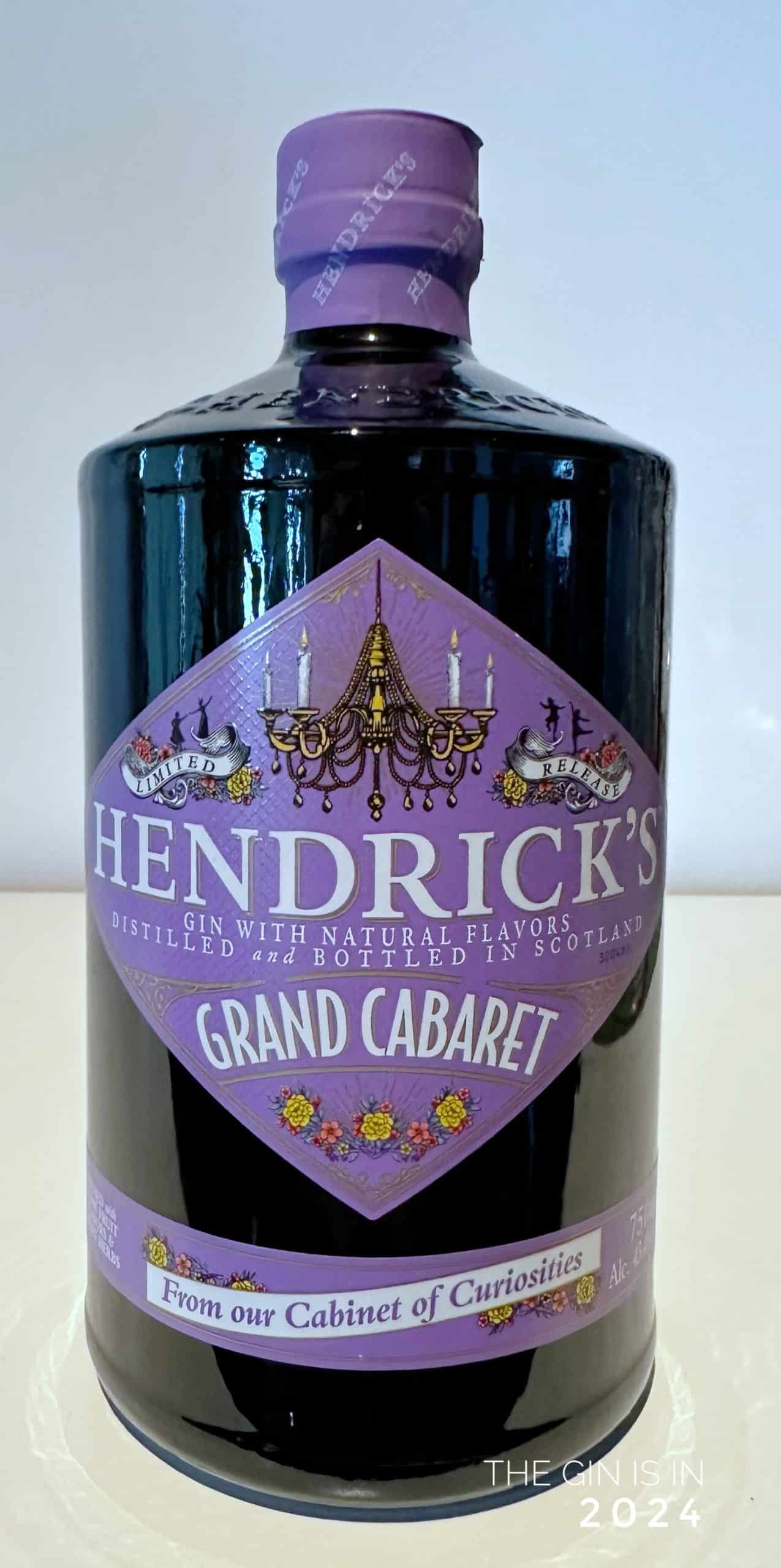
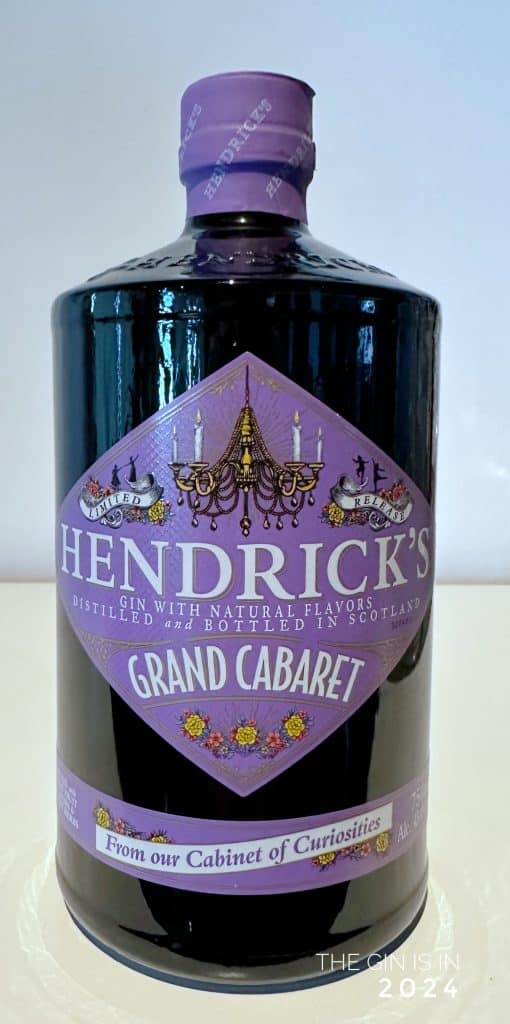
3 Hendrick’s Grand Cabaret (2024 Release)
The most recent addition to the Cabinet, Grand Cabaret, draws inspiration from 17th-century French stone fruit distillates. The profile is centered on apricot and mirabelle plums, reflecting the heritage of the Alsace region.
Despite the fruit-forward nature of the gin, it maintains a surprising amount of juniper structure. The stone fruit notes are integrated as a honeyed sweetness rather than a syrupy flavoring. It has been received favorably for its ability to pair with lemonade or sparkling wine, making it a sophisticated option for summer "spritz" style serves.
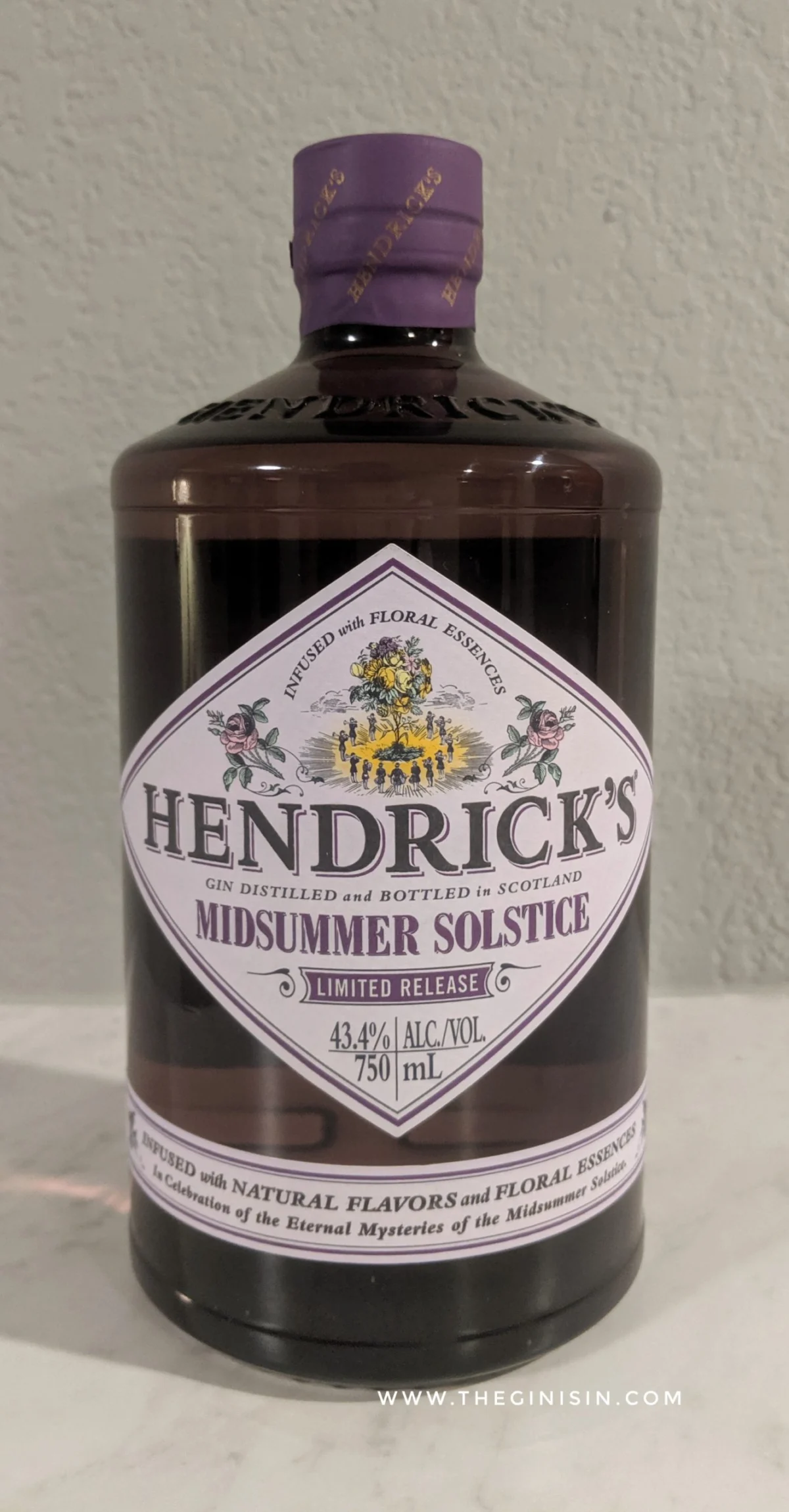
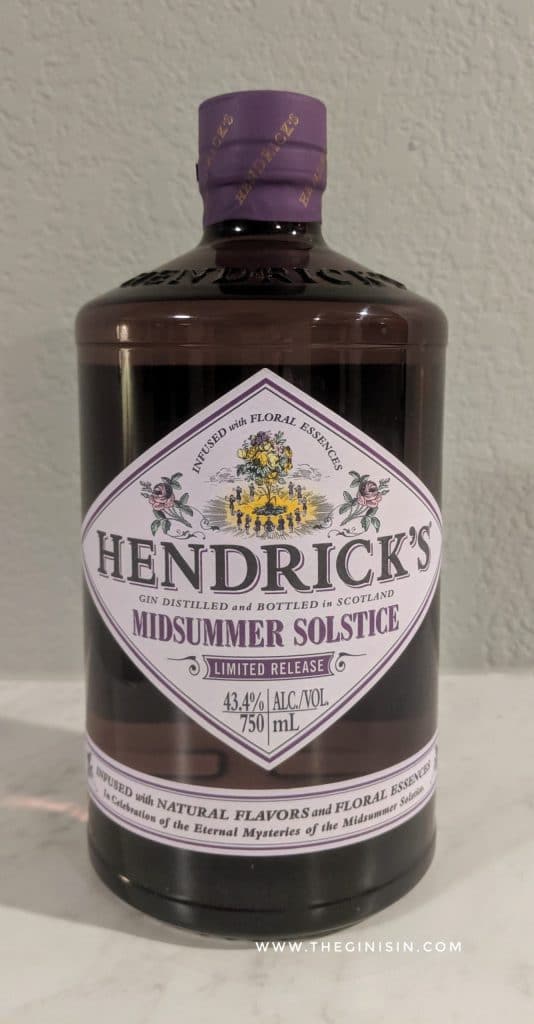
2 Hendrick’s Midsummer Solstice (2019 Release)
As the inaugural release of the Cabinet of Curiosities, Midsummer Solstice set a high bar for the series. It was designed to capture the "ephemeral" scents of a midsummer day, utilizing natural floral essences and fruit infusions.
The gin’s success lies in its accessibility. With notes of raspberry, orange zest, and strawberry, it offered a premium alternative to the "pink gin" trend without sacrificing the quality of the base spirit. Its retirement from the market led to significant consumer demand for its return, cementing its status as one of the most successful limited editions in the brand’s history.
1 Hendrick’s Original (Flagship)
Despite the innovation of the limited editions, the original Hendrick’s remains the benchmark for the brand. Its unique distillation method—combining the heavy, oily spirit of the Bennett still with the light, floral spirit of the Carter-Head—creates a complexity that few other gins can replicate.
The integration of rose and cucumber post-distillation remains a masterclass in subtlety. The flagship gin is responsible for shifting the global garnish standard from the lemon wedge to the cucumber slice. Its versatility across the entire spectrum of gin cocktails, from the French 75 to the Last Word, ensures its position at the top of the hierarchy.
Technical Distillation and Production Data
The consistency of the Hendrick’s line is maintained through rigorous quality control at the Girvan site. The base spirit is a neutral grain spirit distilled to 96% ABV before being reduced and redistilled with 11 primary botanicals: juniper, coriander, angelica root, orris root, orange peel, lemon peel, cubeb berries, grains of paradise, caraway seeds, elderflower, and yarrow.
The final product is typically bottled at 41.4% or 44% ABV, depending on the market. The use of "essences"—concentrated aromatic oils added after the final distillation—is what distinguishes the Cabinet of Curiosities. These essences are produced in small batches, often using vacuum distillation to preserve the delicate top notes of the flowers and fruits.
Market Impact and Industry Implications
The strategy of releasing limited-edition "Curiosities" has allowed William Grant & Sons to maintain brand relevance in an increasingly crowded market. According to IWSR Drinks Market Analysis, the premium gin category has seen a "premiumization" trend, where consumers are willing to pay a higher price point for unique, story-driven spirits.
The Cabinet of Curiosities serves two purposes: it acts as a testing ground for potential permanent additions to the portfolio and reinforces the brand’s image as a leader in botanical innovation. While not every release has achieved universal acclaim, the program has successfully expanded the flavor vocabulary of gin, encouraging other producers to experiment with non-traditional botanicals.
Future Outlook
As the gin market stabilizes following the "Gintonica" boom of the 2010s, Hendrick’s continues to rely on the expertise of Lesley Gracie to navigate changing consumer preferences. The success of fruit-forward releases like Grand Cabaret suggests a shift toward approachable, slightly sweeter profiles, while the technical complexity of Orbium ensures the brand remains a staple in high-end mixology.
The enduring legacy of Hendrick’s, however, remains rooted in its original 1999 formula. By balancing traditional distillation techniques with modern flavor infusions, the brand has created a template for the contemporary gin industry that remains influential twenty-five years later. Collectors and enthusiasts alike continue to look toward the "Cabinet" for the next sensory experiment, even as the flagship bottle maintains its dominance on the global stage.
