

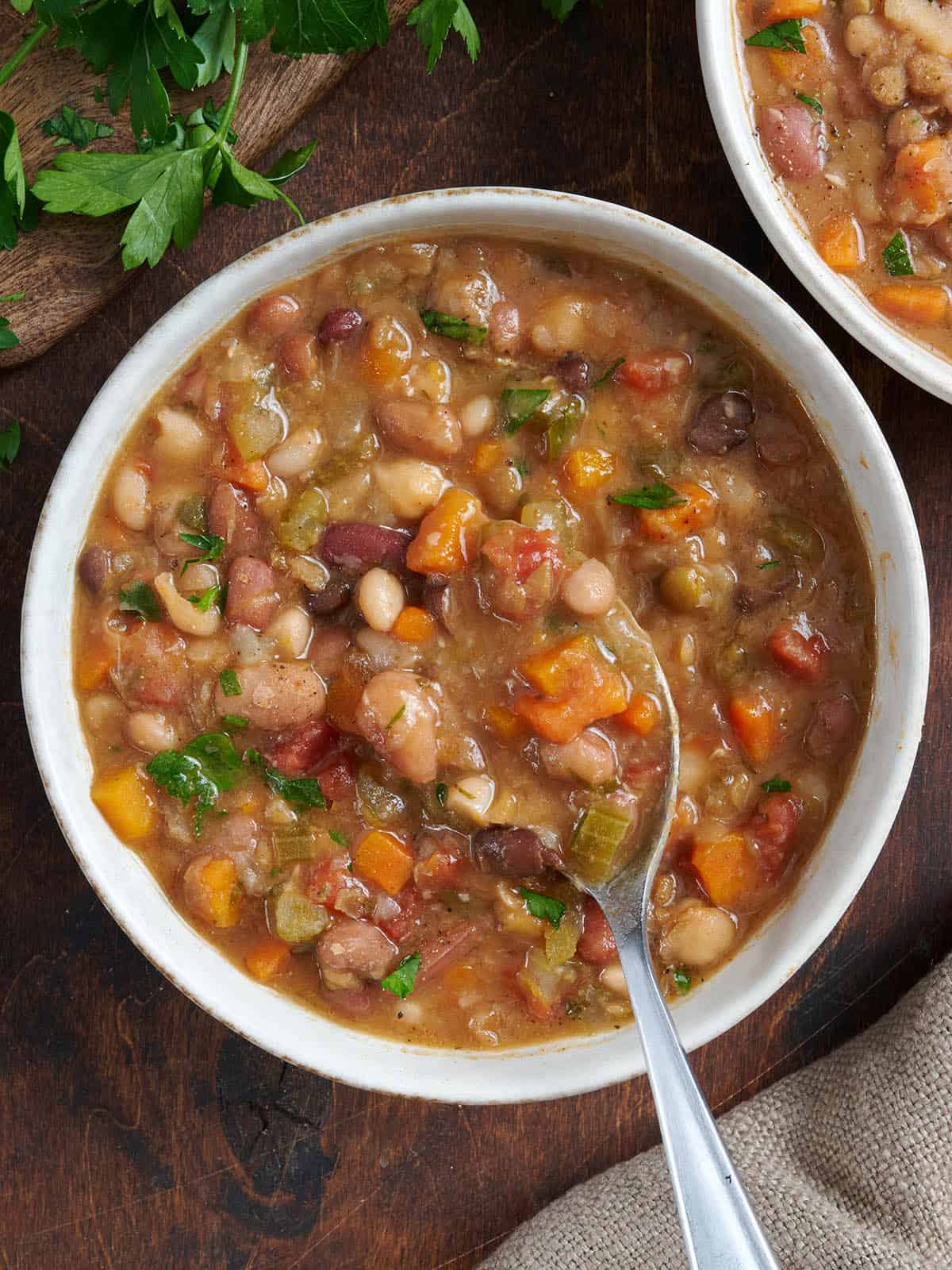
The culinary landscape of 2026 continues to be shaped by a heightened focus on nutritional density and fiscal responsibility, leading to a resurgence in the popularity of legume-based staples. Among these, the multi-bean soup has emerged as a premier example of "superfood" accessibility. By integrating fifteen distinct varieties of beans into a single preparation, this vegetarian—and inherently vegan—recipe offers a comprehensive profile of fiber, protein, and antioxidants. Priced at approximately $0.85 per serving, the dish represents a significant deviation from the rising costs of animal-based proteins, providing a shelf-stable solution for food-secure meal planning.
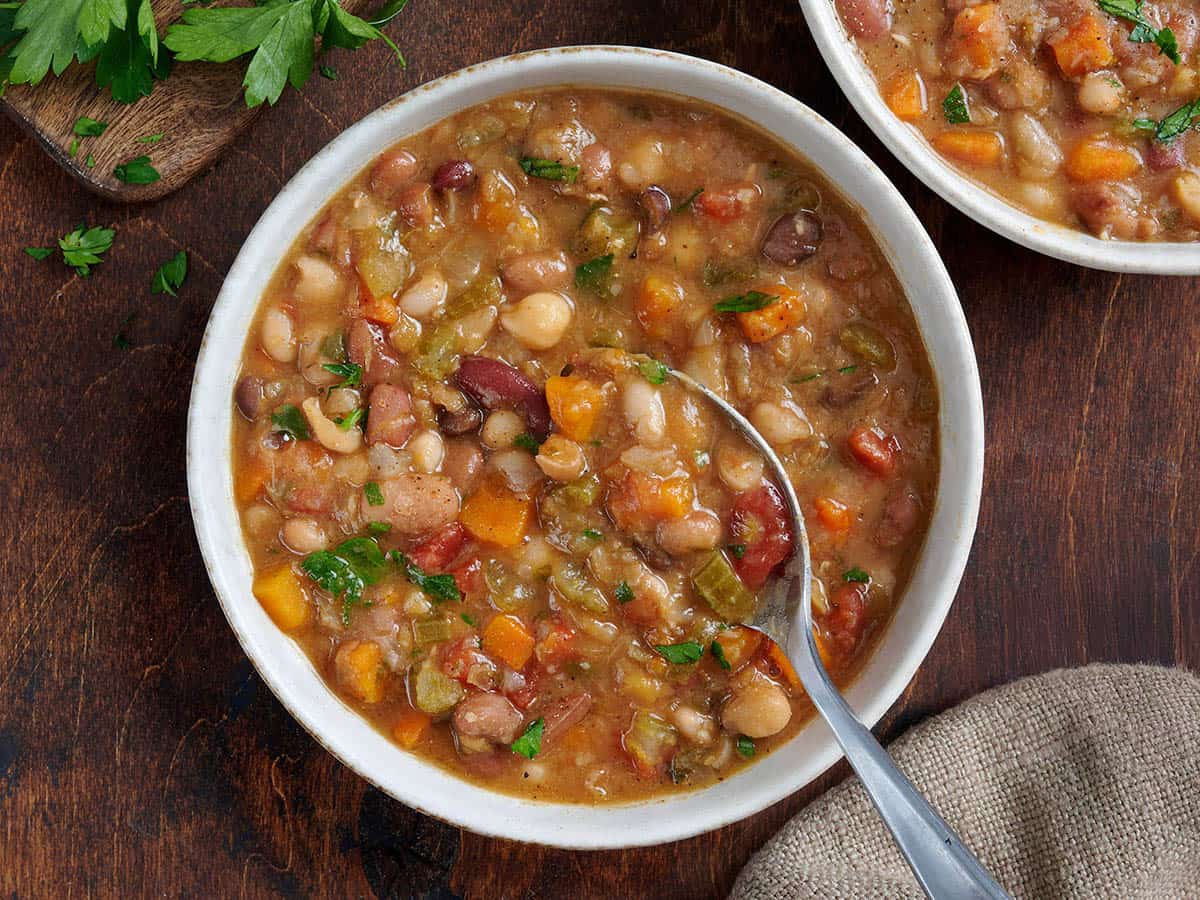
Economic Context and Market Trends
The development of the Vegetarian 15 Bean Soup recipe occurs against a backdrop of fluctuating global food prices. According to recent consumer price index data, the cost of processed meats and fresh poultry has seen a steady incline, prompting a shift toward "pantry-centric" cooking. Dried beans, a primary ingredient in this dish, remain one of the most cost-effective sources of nutrition available to the modern consumer.
The total cost for a full eight-serving batch is estimated at $6.76. This efficiency is largely attributed to the use of bulk-dried bean mixes, such as those produced by the N.K. Hurst Company, which have been a fixture in American grocery stores for decades. By opting for a vegetarian preparation, cooks eliminate the expense of traditional additives like smoked ham hocks or bacon, instead utilizing a sophisticated blend of spices to achieve a similar depth of flavor. This economic model aligns with the growing "budget-conscious wellness" movement, which seeks to maximize nutrient density while minimizing financial expenditure.
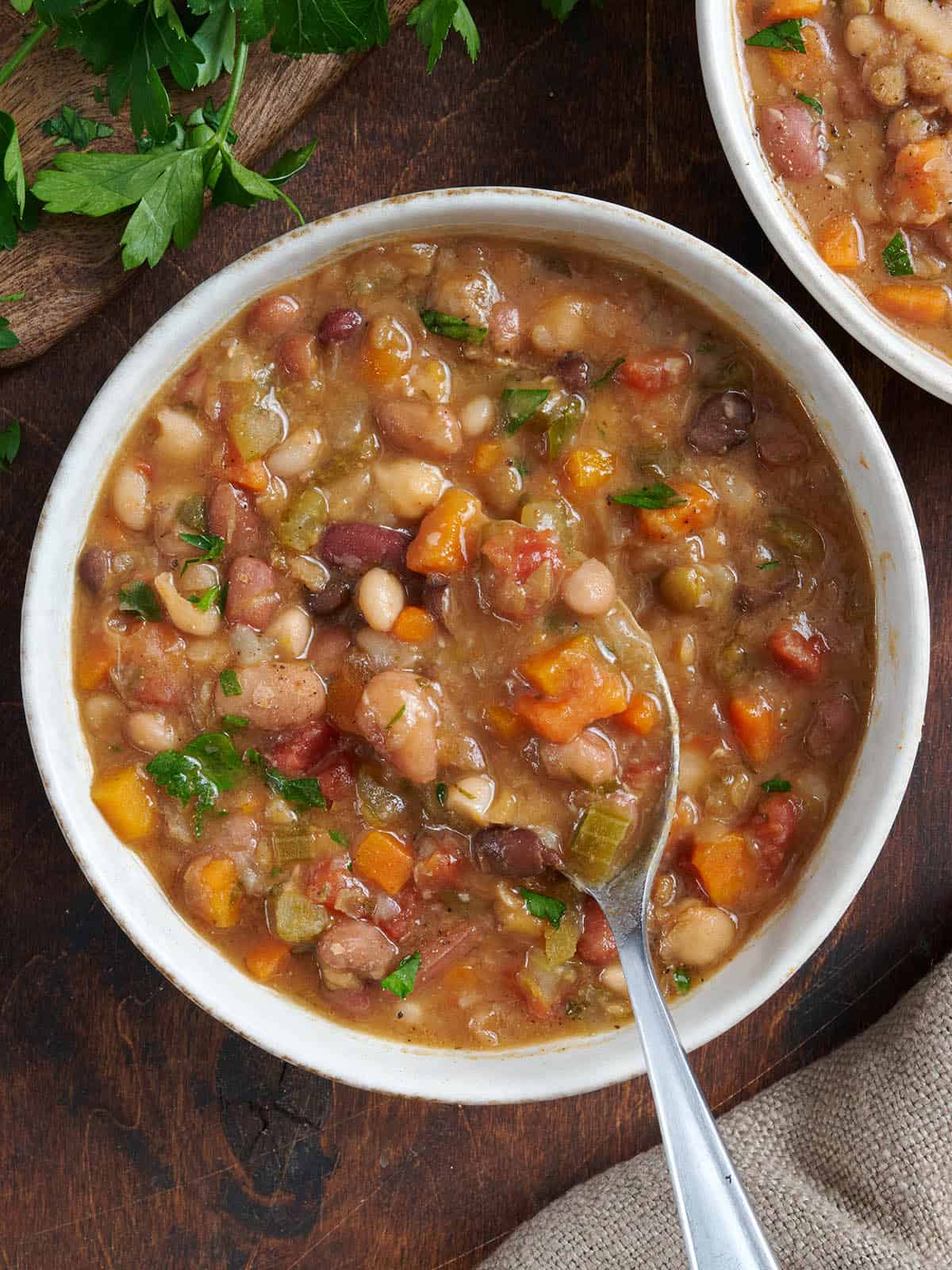
Nutritional Profile and Health Implications
From a clinical nutrition perspective, the 15-bean variety pack serves as a powerhouse of macronutrients and micronutrients. A single serving of this soup contains approximately 303 calories, with a robust 17 grams of protein and 16 grams of dietary fiber. The latter represents roughly 67% of the recommended daily value, a critical factor in maintaining cardiovascular health and regulating glycemic response.
The inclusion of multiple bean types—ranging from lima and navy beans to garbanzos and black beans—ensures a diverse array of phytochemicals. Culinary scientists note that the varied sizes and skin thicknesses of the beans contribute not only to a complex texture but also to a sustained release of energy. Furthermore, by substituting animal fats with plant-based oils such as coconut oil, the recipe maintains a rich "mouthfeel" while remaining free of dietary cholesterol. The sodium content is also significantly lower than canned alternatives, as the recipe allows for controlled seasoning, starting with as little as 126mg per serving.
Chronology of Preparation: From Dry Goods to Table
The preparation of the Vegetarian 15 Bean Soup follows a rigorous chronological sequence designed to optimize both texture and digestibility. The process is divided into three distinct phases: the hydration phase, the base construction, and the flavoring finale.
Phase I: The Hydration Period
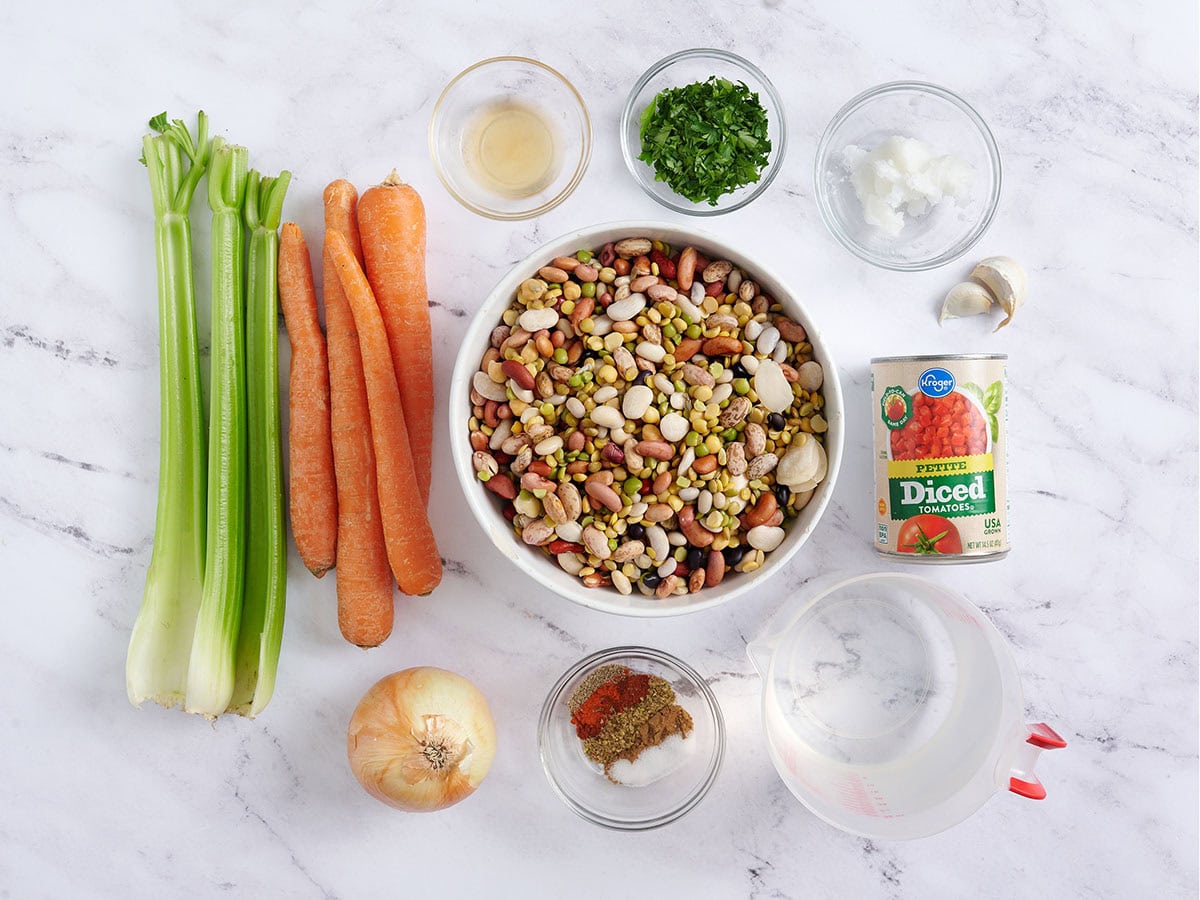
The process begins at least eight to twelve hours before active cooking. Twenty ounces of dry bean mix are submerged in a volume of water double that of the legumes. This overnight soak is essential for neutralizing anti-nutrients such as lectins and reducing the concentration of oligosaccharides, which are often responsible for digestive discomfort. Following the soak, the beans are drained and rinsed thoroughly, a step that analysts suggest is vital for removing any residual dust or debris from the drying process.
Phase II: Mirepoix and Primary Simmer
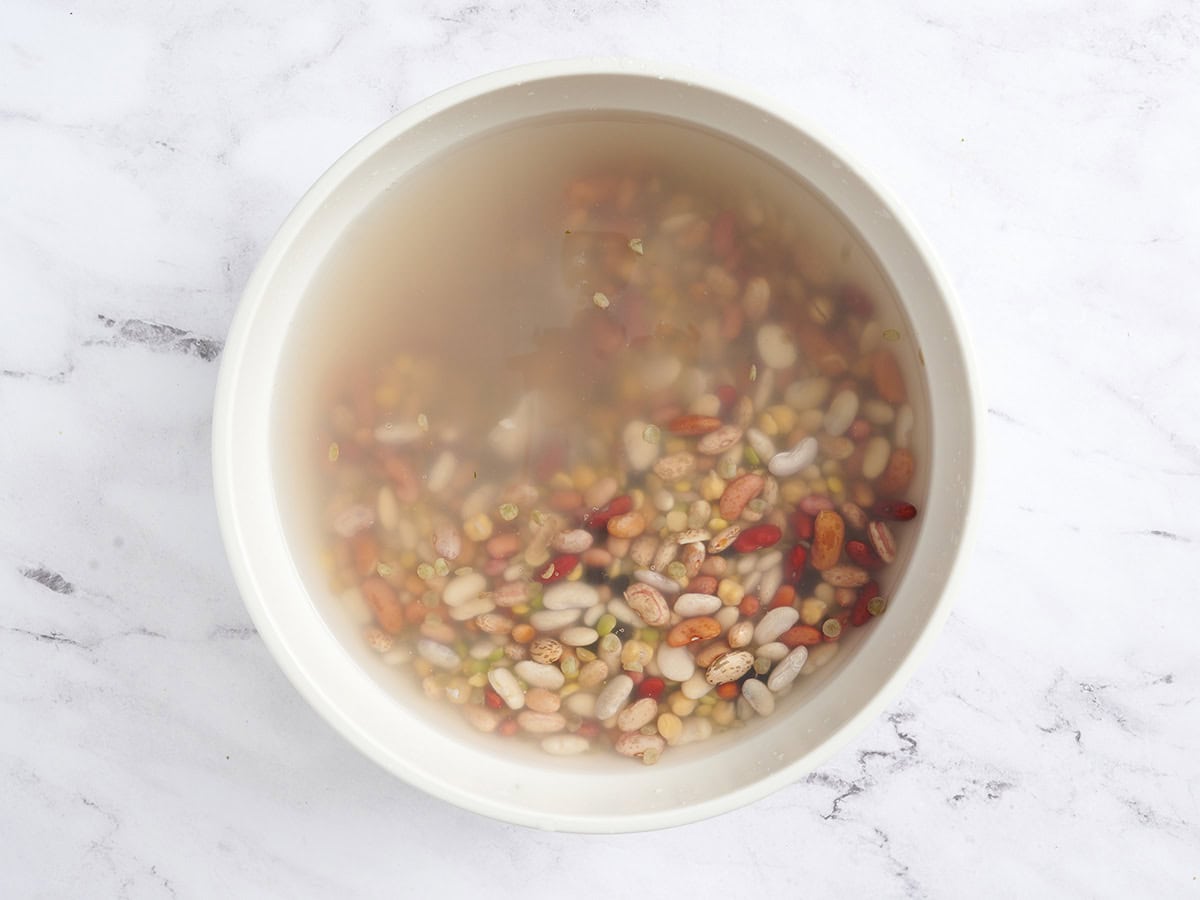
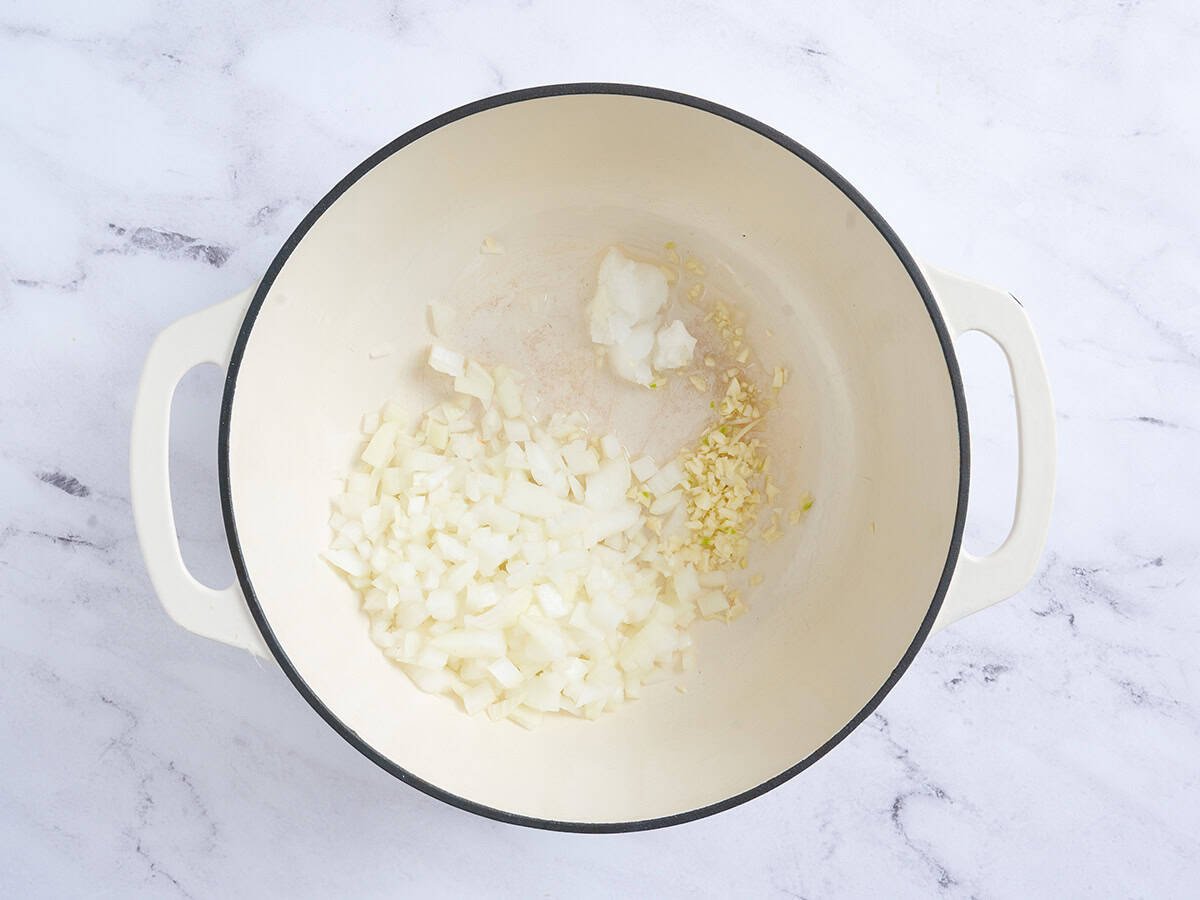
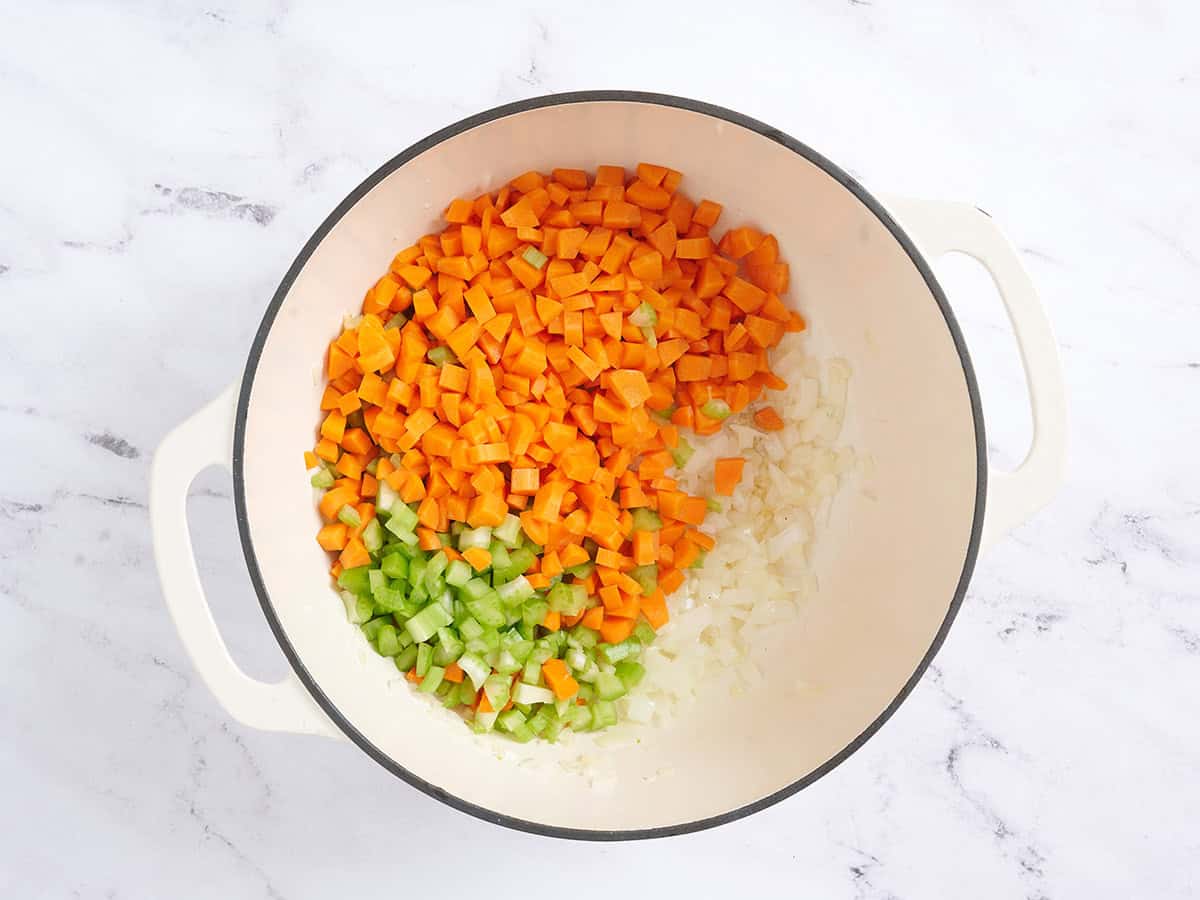
The active cooking phase commences with the creation of a mirepoix—a traditional aromatic base consisting of diced yellow onion, minced garlic, carrots, and celery. These vegetables are sautéed in two tablespoons of coconut oil over medium heat. Journalistic observation of the process reveals that the use of coconut oil provides a saturated fat content that mimics the richness of traditional ham-based soups without the inclusion of animal products.
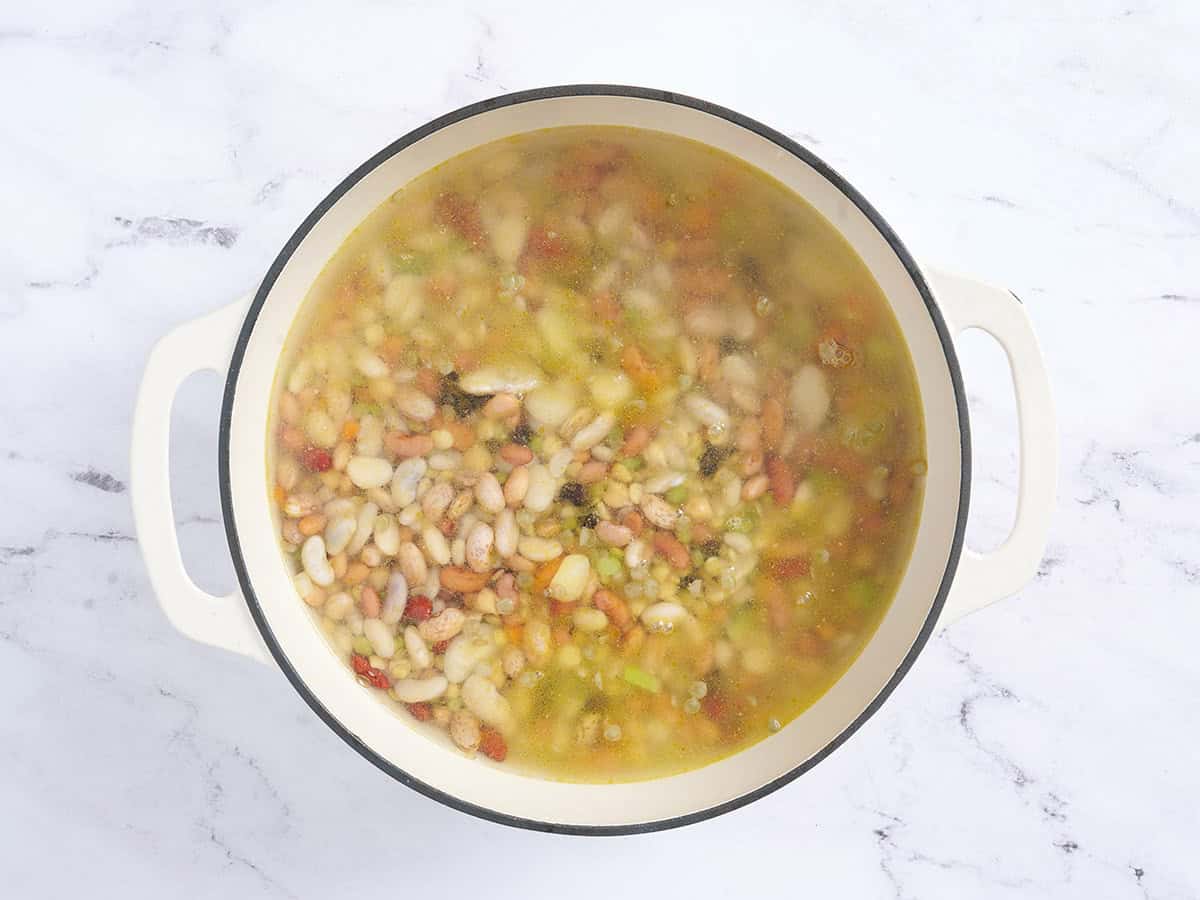
Once the vegetables reach a state of translucency, the hydrated beans are added to the pot along with six cups of water. The mixture is brought to a boil and then reduced to a simmer for a duration of 90 minutes. This extended simmering period is necessary to allow the various bean types, which have different cooking rates, to reach a uniform tenderness.
Phase III: The Flavoring Finale
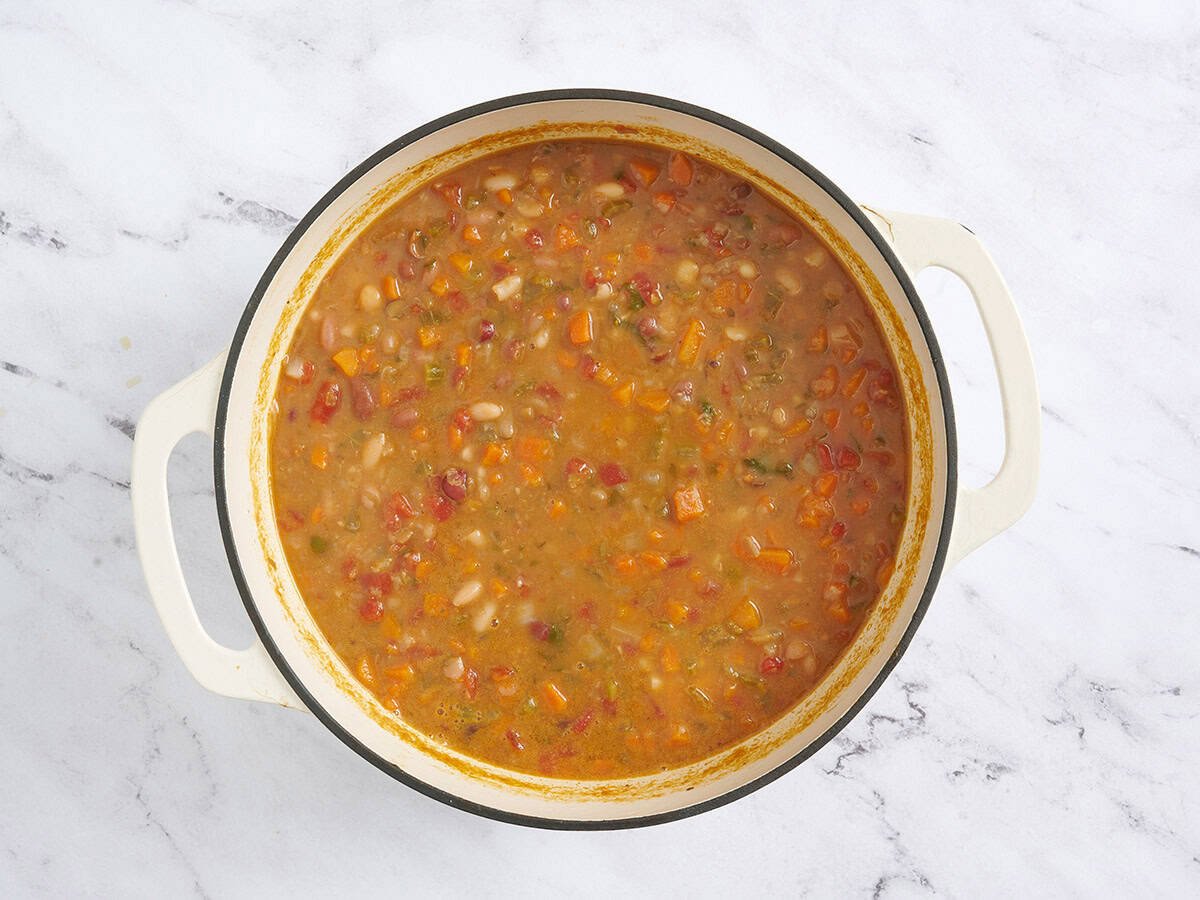
The final 20 minutes of the process involve the integration of "top note" flavors. A 15-ounce can of diced tomatoes is added to provide acidity and vitamin C. The spice profile is then built using a specific ratio of smoked paprika, oregano, cumin, and cayenne pepper. The smoked paprika serves as a critical substitute for wood-smoked meats, providing the "umami" depth required for a satisfying vegetarian soup. The process concludes with the addition of apple cider vinegar, a technique used by professional chefs to "brighten" the flavor profile and balance the earthy notes of the legumes.
Culinary Analysis of Spice Integration
The success of the Vegetarian 15 Bean Soup relies heavily on its homemade seasoning blend. While commercial bean mixes often include a pre-packaged seasoning envelope, culinary experts often recommend discarding these in favor of fresh pantry spices. The use of cumin and oregano provides an earthy, Mediterranean-meets-Southwestern foundation, while the cayenne pepper offers a gentle thermogenic heat.
The timing of salt addition is a point of scientific interest in this recipe. Salt is withheld until the final stage of cooking. Research indicates that adding salt too early in the boiling process can toughen the skins of certain bean varieties, extending the cooking time unnecessarily. By seasoning at the end, the cook can ensure the beans have reached maximum softness while accurately gauging the final flavor profile.
Statements and Consumer Reception
Feedback from the Nashville Test Kitchen and independent home cooks like Linda Wilson suggests a high degree of satisfaction with the recipe’s "nourishing" qualities. Culinary analysts point out that the soup’s popularity stems from its versatility. While the base recipe is strictly vegan, it serves as a canvas for various dietary preferences.
"The mouthfeel provided by the coconut oil is a game-changer for plant-based soups," one culinary reviewer noted. "It bridges the gap for those who are accustomed to the fattiness of a ham-based broth." This sentiment is echoed across social media platforms where the recipe has been widely shared as a "meal prep essential."
Broader Impact: Sustainability and Food Security
Beyond the kitchen, the promotion of recipes like the 15 Bean Soup has broader implications for environmental sustainability. Legumes are nitrogen-fixing crops, meaning they improve soil health during their growth cycle, requiring less synthetic fertilizer than other staples. As the global community looks for ways to reduce the carbon footprint of the food system, shifting toward bean-based diets is frequently cited by the Food and Agriculture Organization (FAO) as a primary strategy.
Furthermore, the shelf-stability of dried beans makes this recipe a vital resource for disaster preparedness and food security initiatives. The ability to store the primary ingredients for months without refrigeration ensures that high-quality protein remains available even during supply chain disruptions.
Storage, Safety, and Reheating Protocols
Given the large volume of the recipe—yielding approximately eight servings—proper storage is a critical component of the dish’s utility. Food safety guidelines suggest that the soup can be refrigerated for three to four days or frozen for up to three months.
For freezing, experts recommend portioning the soup into single-serving containers to facilitate rapid cooling and easy thawing. When reheating, the addition of a small amount of water or vegetable broth is advised, as the natural starches in the beans continue to thicken the liquid during storage. This "second-day" effect is often cited as a benefit, with many consumers reporting that the flavors become more integrated and complex after a 24-hour rest period.
Conclusion
The Vegetarian 15 Bean Soup stands as a testament to the efficacy of traditional cooking methods in a modern, high-cost economy. By combining historical pantry staples with a calculated spice profile and rigorous preparation timeline, the recipe delivers a high-performance meal that addresses both nutritional needs and environmental concerns. As culinary trends continue to pivot toward plant-forward diets, the 15-bean mix remains a foundational element of the healthy, budget-conscious kitchen.