

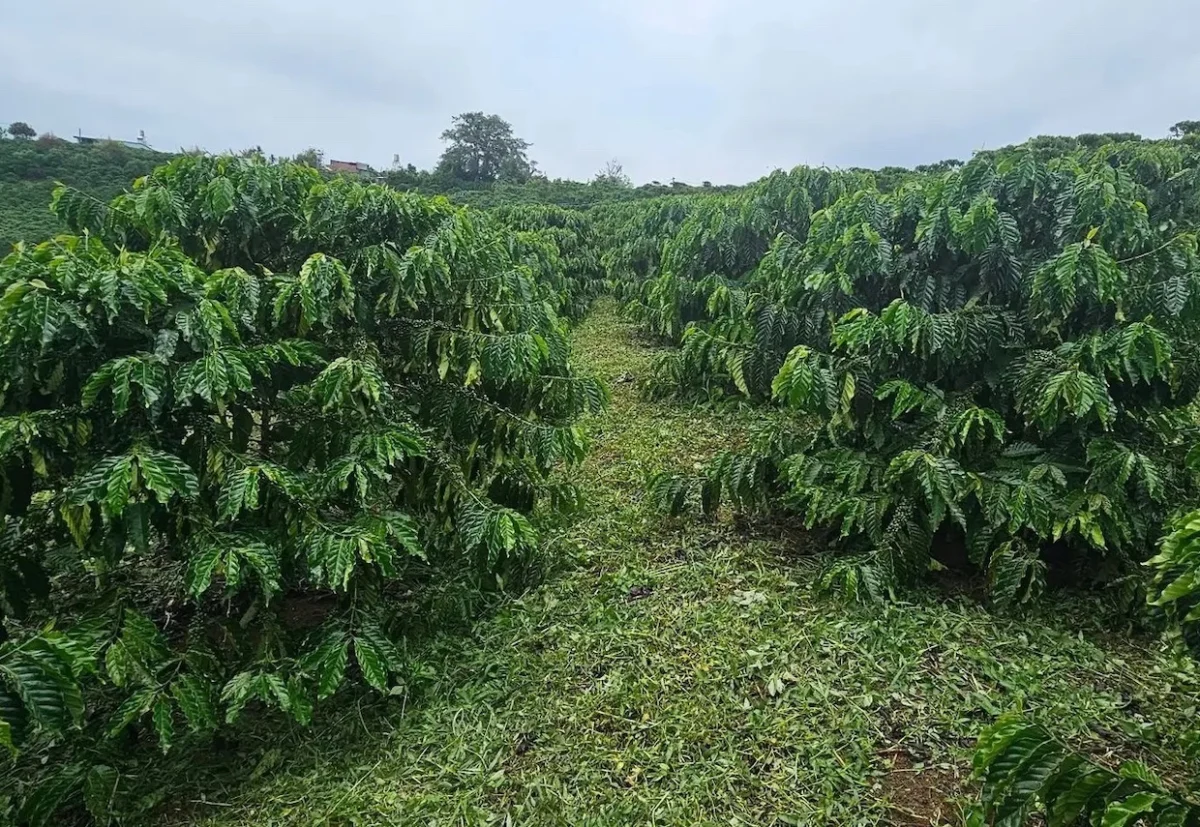
Japanese coffee titan UCC Japan Co., Ltd. has initiated a significant regenerative coffee pilot program in Vietnam, a move poised to explore and implement farming practices designed to bolster coffee tree vitality, increase yields, and simultaneously mitigate the environmental footprint of coffee cultivation. This strategic endeavor, undertaken in collaboration with Atlantic Commodities Vietnam Ltd. (Acom), the Vietnamese subsidiary of global green coffee powerhouse Ecom, marks a crucial step in UCC’s overarching commitment to sustainable sourcing and a more resilient coffee future.
The pilot program centers on the application of key regenerative agriculture techniques. These include the integration of shade planting, the strategic use of cover crops, and the incorporation of biochar-based compost. The overarching objective is to foster an ecosystem where coffee trees not only thrive with improved growth and higher yields but also exhibit a reduced reliance on synthetic chemical fertilizers. Furthermore, the initiative aims to equip coffee plants with enhanced resilience against the increasingly erratic and stressful impacts of climate change, a growing concern across major coffee-producing regions worldwide.
Acom, recognized by UCC as a vital sustainable coffee sourcing partner, brings to the table an established network of farmers and agricultural support systems within Vietnam. This existing infrastructure is expected to be instrumental in the successful implementation and scalability of the pilot’s methodologies. While specific targets for farmer participation, investment figures, or projected green coffee volumes have not yet been publicly disclosed, UCC has already reported the distribution of 1,757 shade-tree seedlings to 38 participating farmers, signaling the tangible commencement of on-ground activities.
The findings derived from this pilot project are slated for dissemination among local producers. This knowledge-sharing initiative is intended to empower farmers with actionable insights and practical techniques, fostering a ripple effect of improved agricultural practices across the Vietnamese coffee landscape. UCC’s ambition extends beyond this pilot, aligning with its broader sustainability roadmap. The company has publicly committed to achieving 100% sustainable sourcing for its own branded coffee products by the year 2030, with an ambitious target of carbon neutrality by 2040. Vietnam has been strategically identified as one of four priority coffee-producing nations, alongside Brazil, Tanzania, and Uganda, for focused sustainability engagement.
Context of Vietnam’s Coffee Sector
Vietnam’s position in the global coffee market is undeniably dominant. It stands as the world’s largest producer of Robusta beans, a varietal known for its bold flavor and higher caffeine content, and ranks as the second-largest coffee-producing country overall. This makes Vietnam an indispensable origin for major commercial roasters seeking to meet global demand. Recent market analysis, including reports from Daily Coffee News, projected Vietnam’s green coffee production to reach 32.5 million 60-kilogram bags in the 2026/27 market year. This forecast followed a period of elevated coffee prices, which had incentivized increased production.
However, this robust production volume is not without its challenges. The Vietnamese coffee sector is increasingly grappling with the multifaceted impacts of climate change. Rising temperatures, unpredictable rainfall patterns, and a discernible decline in soil health are posing significant threats to the long-term viability of coffee cultivation. Concurrently, production costs are on an upward trajectory, squeezing profit margins for farmers.
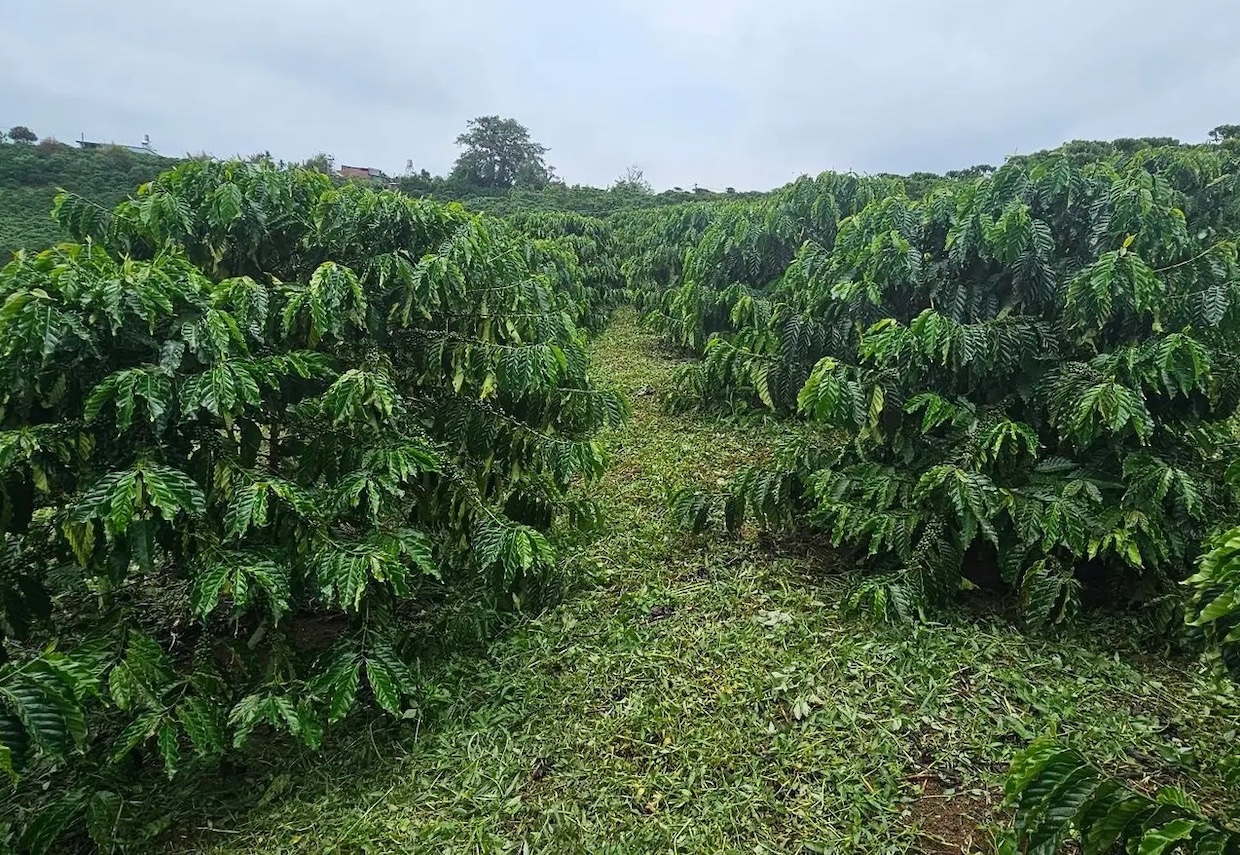
A critical perspective on Vietnam’s coffee industry was recently highlighted by the watchdog group Coffee Watch. Their report suggested that the country’s historical emphasis on volume-driven coffee production has inadvertently contributed to environmental degradation. Deforestation, particularly in the Central Highlands, and soil degradation have been cited as direct consequences, leading to substantial environmental and social costs. This backdrop underscores the urgency and importance of initiatives like UCC’s regenerative pilot.
The Imperative of Regenerative Agriculture
Regenerative agriculture is a philosophy and set of farming practices that aim to improve the health of the ecosystem, rather than simply sustain it. Key principles include enhancing soil health, increasing biodiversity, improving the water cycle, and sequestering carbon. In the context of coffee farming, these principles translate into practices that build soil organic matter, reduce erosion, promote beneficial insect populations, and create more resilient farming systems.
Key Regenerative Practices in the UCC Pilot:
- Shade Planting: Integrating trees and other perennial plants into coffee farms creates a more diverse ecosystem. This provides shade for coffee plants, which can reduce heat stress and improve bean quality. Shade trees also contribute to soil health by preventing erosion, enriching the soil with organic matter, and providing habitat for beneficial insects and wildlife. This practice directly addresses the issue of rising temperatures and can help maintain soil moisture.
- Cover Cropping: Planting non-cash crops between coffee rows, particularly during the off-season, helps to protect the soil from erosion, suppress weeds, and add organic matter when tilled back into the soil. Cover crops can also improve soil structure and nutrient cycling, reducing the need for synthetic fertilizers.
- Biochar-Based Compost: Biochar, a charcoal-like substance produced from organic matter, has the potential to significantly improve soil health. When incorporated into compost, it can enhance water retention, improve nutrient availability, and sequester carbon in the soil for long periods. This practice offers a dual benefit of soil improvement and carbon sequestration, aligning with climate mitigation goals.
Broader Implications and Industry Trends
The UCC pilot in Vietnam arrives at a critical juncture for the global coffee industry. Major coffee buyers and traders are facing mounting pressure from consumers, regulators, and investors to demonstrate greater transparency, traceability, and commitment to deforestation-free sourcing. The European Union’s Deforestation Regulation (EUDR), for instance, mandates that commodities imported into the EU must not contribute to deforestation or forest degradation. This regulatory environment is driving a demand for more sustainable and verifiable supply chains.
Companies like UCC are thus not only responding to environmental imperatives but also proactively adapting to evolving market expectations and regulatory frameworks. The success of this regenerative pilot could serve as a valuable blueprint for other coffee companies operating in Vietnam and beyond. By demonstrating the tangible benefits of regenerative practices, UCC aims to encourage wider adoption, thereby contributing to a more sustainable and economically viable coffee sector for generations to come.
The company’s commitment to sharing findings with local producers is a critical element of this strategy. Empowering farmers with knowledge and demonstrating the economic and environmental advantages of these practices is essential for long-term behavioral change. This collaborative approach, leveraging the expertise of Ecom and its subsidiary Acom, positions the pilot as more than just a research project; it is an investment in the future resilience of Vietnam’s vital coffee industry. The pilot’s findings will be crucial in shaping strategies for carbon neutrality and sustainable sourcing goals, reinforcing the interconnectedness of environmental stewardship and economic prosperity in the coffee value chain.
