

In the intricate and often technologically advanced world of coffee roasting, where rotating drums and sophisticated fluid-bed systems have long been the industry standard, a surprisingly simple yet effective innovation is gaining traction within DIY circles: the wobble disk coffee roaster. This novel approach, eschewing traditional drum mechanisms and complex air circulation systems, offers home coffee enthusiasts a pathway to artisanal roasting with remarkable affordability and accessibility. At the heart of this burgeoning movement stands Larry Cotton, a retired power-tool designer and community college math instructor whose ingenuity has inspired a wave of home roasters built from readily available materials.
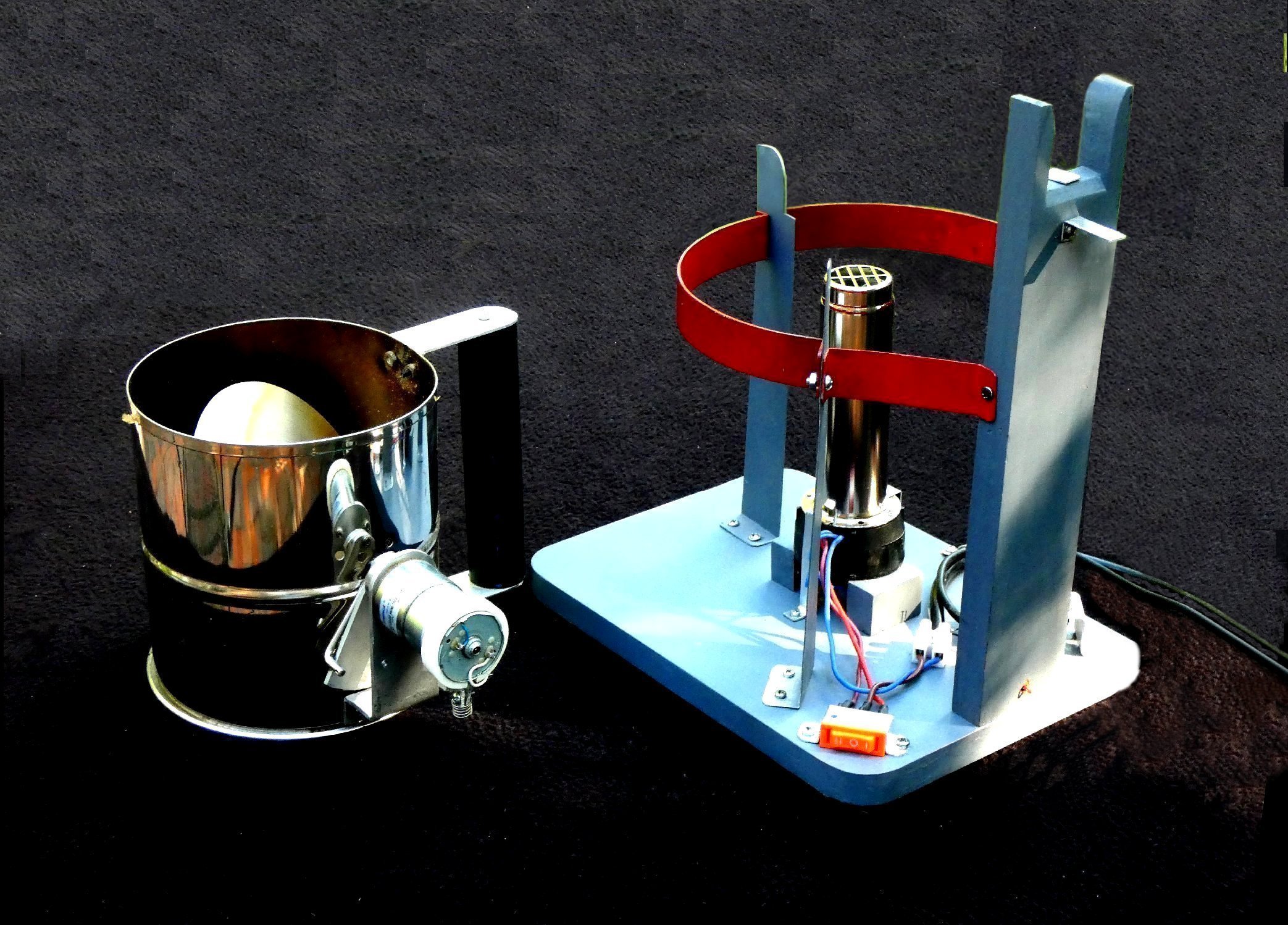
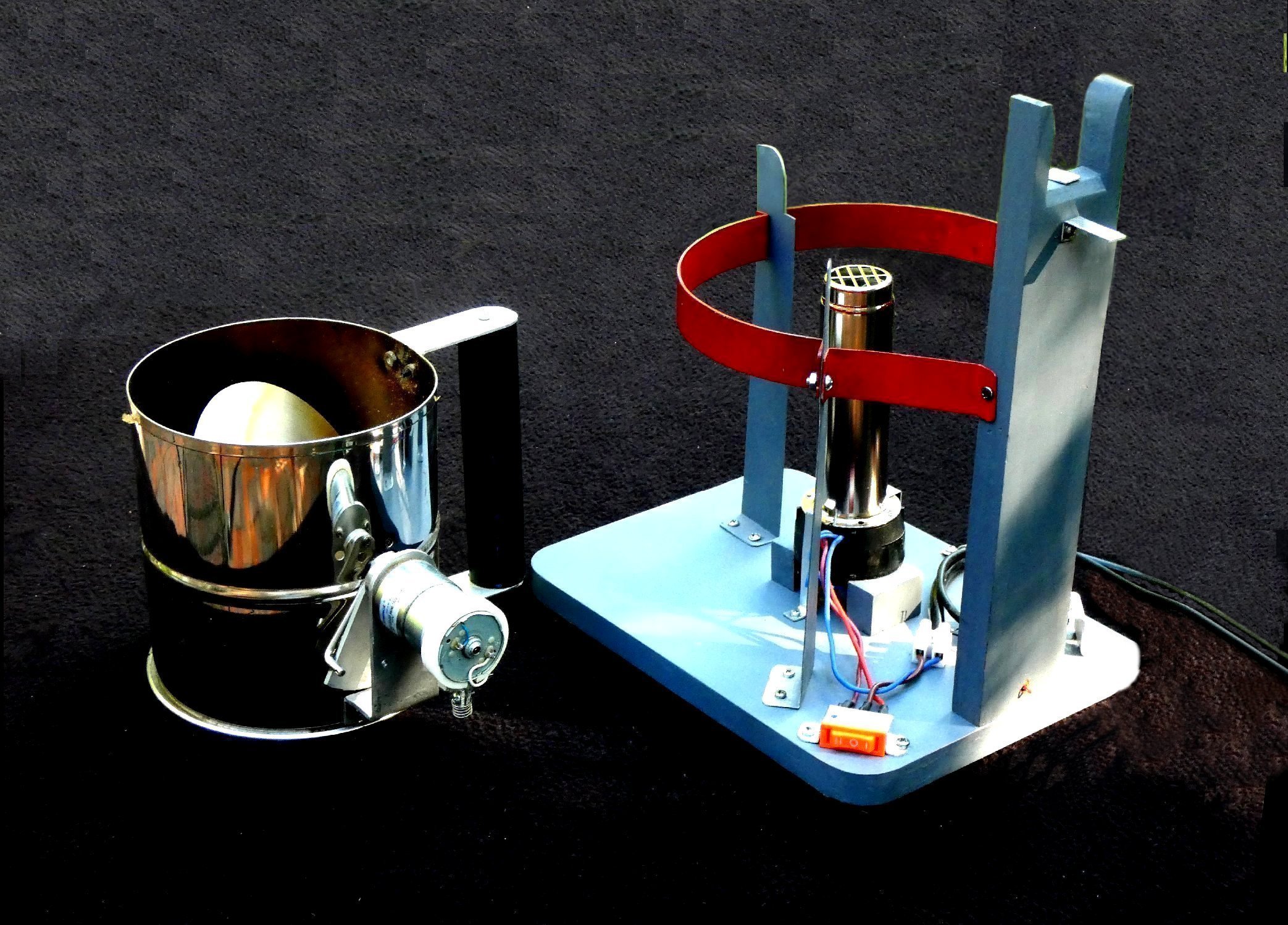
The core of the wobble disk roaster’s design lies in its elegant simplicity. Instead of a rotating drum, it utilizes a nutating (wobbling) metal disk at the base of a cylindrical chamber. Coffee beans are kept in constant motion on this tilted, oscillating surface, ensuring uniform exposure to heat emanating from below. Temperature control is achieved by adjusting the proximity of the heat source, while the speed of the disk’s wobble is also adjustable, allowing users to fine-tune the roasting process. A key design feature is the open top of the chamber, which facilitates the free exit of chaff, a byproduct of the roasting process, thereby contributing to a cleaner roast. Users initiate and conclude the roasting cycle manually, offering a hands-on experience that appeals to the maker ethos.
The charm of the wobble disk roaster is amplified by its construction. Proponents highlight that the chamber can be fashioned from a common 8-cup flour sifter, and the crucial wobble disk can be cut from a standard 13-inch pizza pan. Builders typically pair a low-cost electric motor with a heat gun as the primary heat source, integrating basic fasteners, wiring, and a simple frame to create a functional roaster. The estimated cost for assembling a wobble roaster capable of processing approximately 350 grams of coffee beans ranges from a mere $100 to $150, a stark contrast to the thousands of dollars required for commercial-grade roasting equipment. This low barrier to entry has been instrumental in its spread.
The proliferation of the wobble disk roaster is as unconventional as its design. Rather than a planned product launch, a marketing campaign, or endorsements from industry influencers, its growth has been fueled by organic dissemination through enthusiast channels. Detailed DIY write-ups, active forum discussions, instructional videos, and the sharing of schematics have allowed the concept to migrate from one tinkerer to another, fostering a collaborative community of innovators.
Many of these digital pathways and discussions ultimately lead back to Larry Cotton, the visionary behind the mechanism. With over 15 years dedicated to experimenting with home coffee roaster designs, Cotton’s journey began with earlier iterations involving a spinning basket and a modified rotating dog bowl. However, it was the wobble disk mechanism that proved to be the breakthrough, offering a superior solution for achieving consistently browned beans.
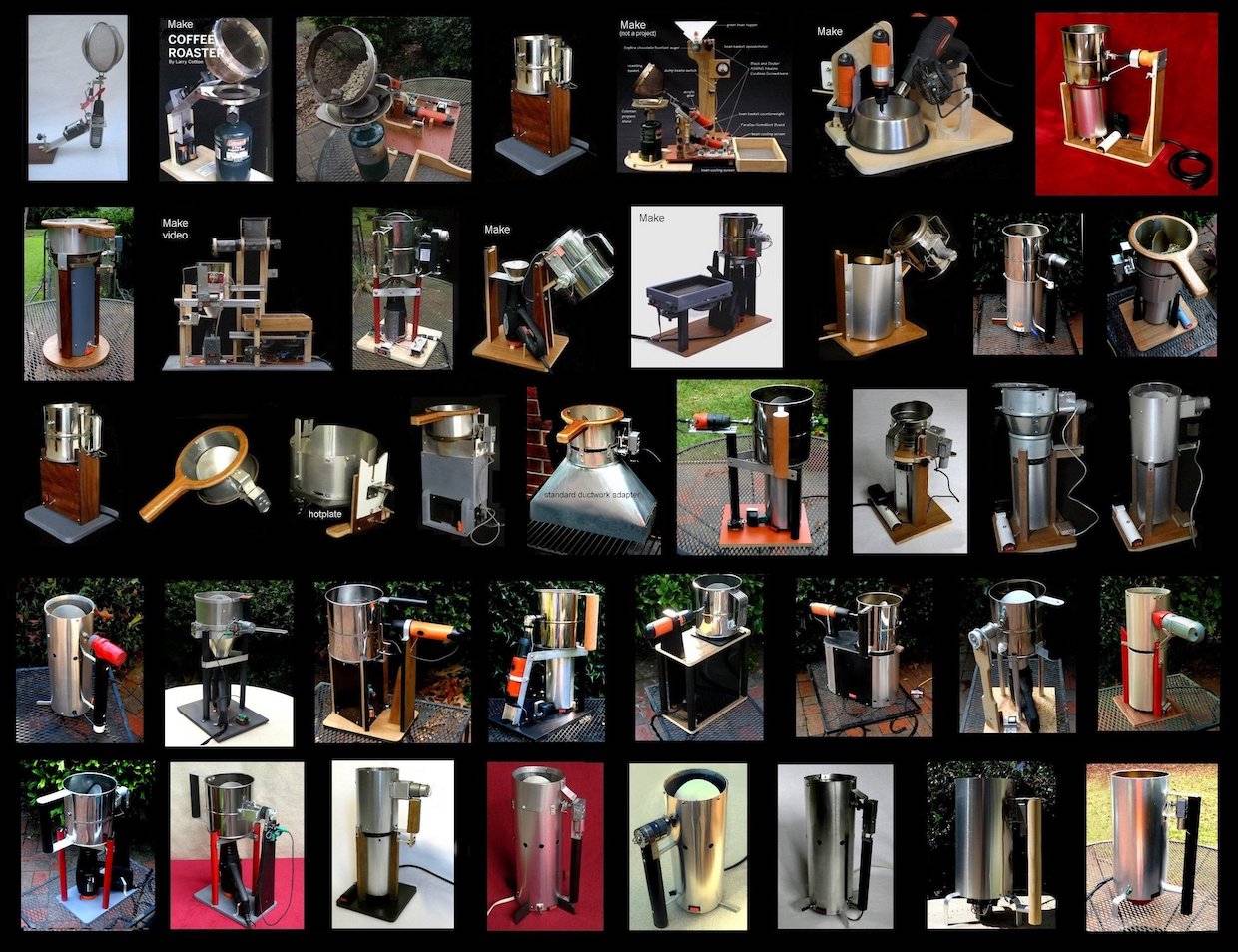
"The wobble disk stayed in the picture forever. That was the one thing that I really discovered, and that worked very well to keep the beans equally browned," Cotton shared with Daily Coffee News. "It did a really good job of circulating the beans. The beans have to move, and they really do move well with the wobble disk." This ability to ensure even heat distribution is paramount in achieving a balanced and desirable roast profile, a challenge that often requires sophisticated engineering in conventional roasters.
Cotton’s inventive spirit extends beyond coffee roasting. His other DIY projects, ranging from a rotating bird feeder designed for photographic purposes to a MIDI-controlled percussion robot and an electric nutcracker, have been meticulously documented in Make Magazine. This publication has also served as a platform for chronicling many of his coffee roaster builds, further cementing his reputation as a prolific maker. Additionally, Sweet Maria’s Coffee, a prominent online retailer of green coffee beans and a hub for home roasting enthusiasts, has frequently featured Cotton’s work, highlighting his accessible and effective wobble disk roaster designs.
"The coffee roaster is easy. It’s intuitive. There are just a few parts. It’s not that big a deal," Cotton remarked about his creation. He also reflected on the patentability of his design: "I’m 99% sure that the wobble disk, at the early phases, was definitely patentable, because no one had ever done it, it works great and everybody can understand it. But it’s been out there too long to be patentable now, and I’m really just happy to be able to share an idea." This sentiment underscores a dedication to open innovation and community contribution over personal commercial gain.
Cotton continues to refine and test his wobble disk roaster design, with new enhancements anticipated in future video releases. In a recent interview, he shared insights into his motivations and perspectives.
The Inspirations Behind the Wobble Disk Roaster
When asked about what excites him most about coffee, Cotton’s answer reveals a deeply personal connection: "My wife’s taste of it. I didn’t drink a drop of coffee until I got married, and she loves coffee for breakfast. When I met her, I didn’t have any interest whatsoever in coffee, never drank any, and she got me drinking coffee. Now it’s almost a ritual." This anecdote highlights how personal relationships can spark new passions and lead to unexpected innovations. The daily ritual of coffee, shared with his wife, has clearly become a cherished aspect of his life.
The challenges facing the coffee industry, however, are not lost on Cotton. When queried about what troubles him most about coffee, he pointed to economic factors: "The tariffs really mess things up. You know, I was buying coffee by the pound for less than $6, and now it’s somewhere between $7 and $8, and way up from there, too. That’s a lot of money for a pound of coffee." This observation reflects a broader concern within the coffee community regarding the increasing cost of green coffee beans, influenced by global trade policies, supply chain disruptions, and market fluctuations. The rise in prices directly impacts home roasters and small-scale producers who are often more sensitive to cost increases.
Reflecting on his life and passions, Cotton was asked what he would be doing if it weren’t for coffee. His response painted a picture of a multifaceted creative individual: "I’m an industrial designer and I’ve built a lot of things over the years. I’m also a musician; I’ve built some crazy musical instruments and stuff that I could never recall how I did it now, because of my age. But I have a good shop, with lots of metal and wood parts. I still dream up things. If it weren’t for coffee, I’d build more unusual clocks – my other main hobby – and cook more, and help clean up the house, and my garage, and, and…" This glimpse into his life reveals a deep-seated drive for creation and a diverse range of interests, from intricate clockmaking to culinary pursuits. His workshop, a testament to his hands-on approach, remains a fertile ground for future inventions.
The Broader Implications of DIY Coffee Roasting
The rise of the wobble disk roaster represents more than just a clever piece of engineering; it signifies a broader trend towards democratizing the coffee roasting process. Historically, high-quality roasting has been the domain of professionals with access to expensive equipment and specialized knowledge. However, innovations like Cotton’s are empowering individuals to take control of their coffee journey, from bean to cup.
This trend has several potential implications for the coffee industry:
- Increased Consumer Engagement: As more people engage in home roasting, their understanding and appreciation for the complexities of coffee production and roasting will likely deepen. This can lead to more informed purchasing decisions and a greater demand for high-quality, ethically sourced green beans.
- Niche Market Growth: The accessibility of home roasting could foster a growth in niche markets for specialty green coffees, as home roasters seek out unique beans to experiment with. This could, in turn, create new opportunities for coffee farmers to showcase their produce.
- Innovation in Roasting Technology: The DIY community, inspired by designs like the wobble disk roaster, may continue to develop and refine roasting technologies. This could lead to the emergence of new, cost-effective, and efficient roasting solutions that eventually influence the commercial sector.
- Sustainability and Reduced Waste: Home roasting can potentially reduce the carbon footprint associated with long-distance transportation of roasted coffee. Additionally, by roasting smaller batches as needed, consumers may reduce the amount of stale coffee that ends up as waste.
The story of Larry Cotton and his wobble disk roaster is a testament to the power of ingenuity and the spirit of community. In a world increasingly driven by proprietary technology and commercial interests, his accessible, affordable, and effective design offers a refreshing alternative. It underscores the idea that innovation can emerge from unexpected places and that the pursuit of a perfect cup of coffee can be a deeply personal and rewarding creative endeavor. As the wobble disk roaster continues to find its way into kitchens and workshops, it is likely to inspire a new generation of coffee enthusiasts to explore the art and science of roasting, one wobble at a time.