

The transition from the heavy, calorie-dense palate of winter to the vibrant, acidic profiles of spring marks a significant shift in global culinary behavior. As the agricultural cycle moves into the peak harvest window for citrus, specifically lemons, domestic kitchens and professional test facilities alike are pivoting toward ingredients that offer brightness and flavor complexity. Data from the United States Department of Agriculture (USDA) indicates that while lemons are available year-round, domestic production in regions such as California and Arizona reaches its zenith between late winter and early spring. This availability coincides with a historical preference for "lighter" fare during the Easter and spring holiday seasons, where the inclusion of lemon acts as a sensory bridge between the dormant winter months and the upcoming summer harvest.

At the forefront of this seasonal transition is the Nashville Test Kitchen, an institution dedicated to the rigorous evaluation of home-style recipes. The facility focuses on three primary pillars of culinary development: accessibility, affordability, and flavor density. By subjecting citrus-based recipes to controlled testing environments, the kitchen ensures that the volatile nature of citric acid and essential oils found in lemon zest are maximized for the consumer. The following analysis explores 21 innovative applications of lemon across various culinary categories, examining the chemical, economic, and cultural factors that make this fruit a cornerstone of spring gastronomy.
The Savory Synergy of Poultry and Citrus
The pairing of chicken and lemon is a fundamental tenet of Mediterranean and contemporary American cooking. Chemically, the citric acid in lemon juice serves two purposes: it acts as a mild denaturant, tenderizing the protein fibers of the chicken, and it provides a sharp contrast to the lipid-heavy profile of chicken skin and fats.

-
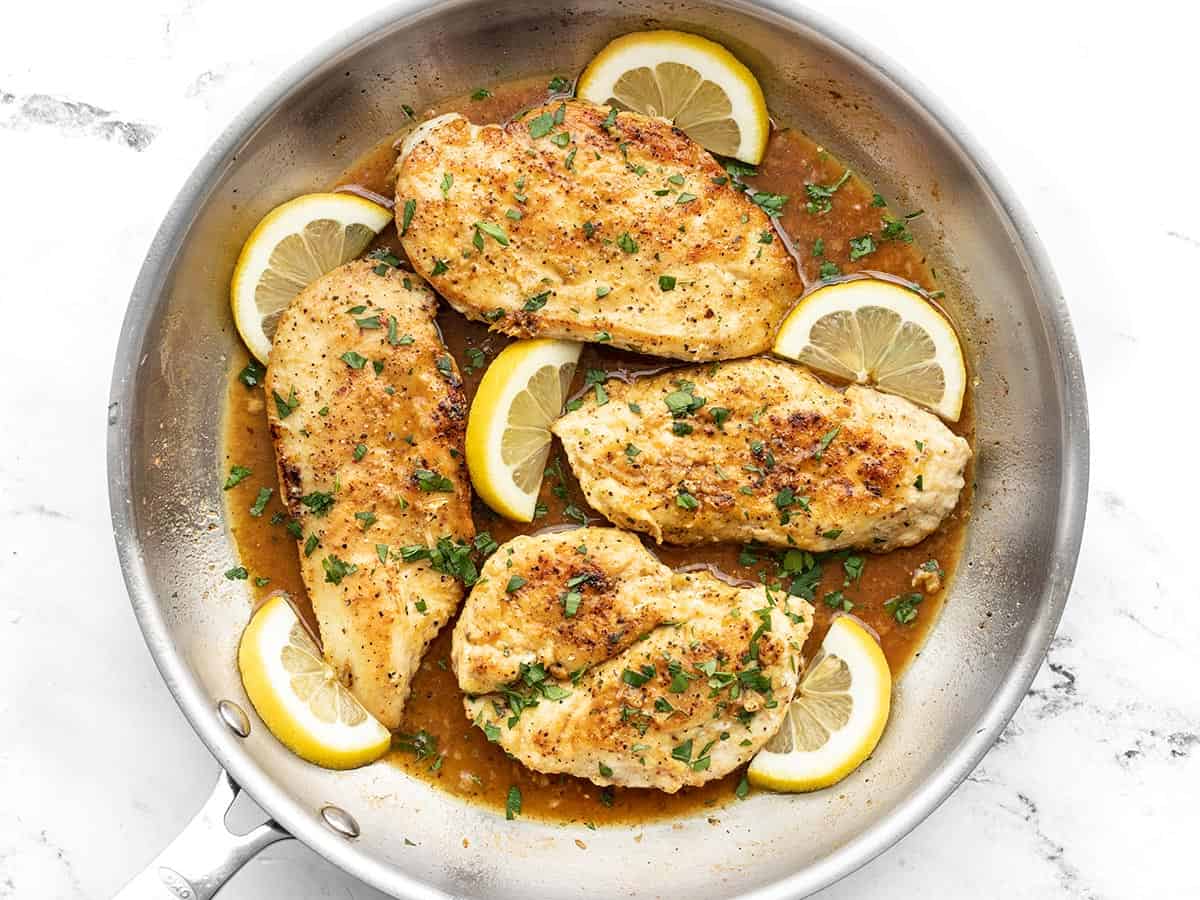
Lemon Pepper Chicken Development: In modern meal preparation, efficiency is as critical as flavor. The Nashville Test Kitchen’s approach to Lemon Pepper Chicken involves utilizing thin-cut breasts to minimize cooking time while maximizing surface area for the Maillard reaction. This technique allows a buttery garlic pan sauce to emulsify more effectively with the rendered fats, creating a cohesive glaze that enhances accompanying starches like rice or pasta.
-
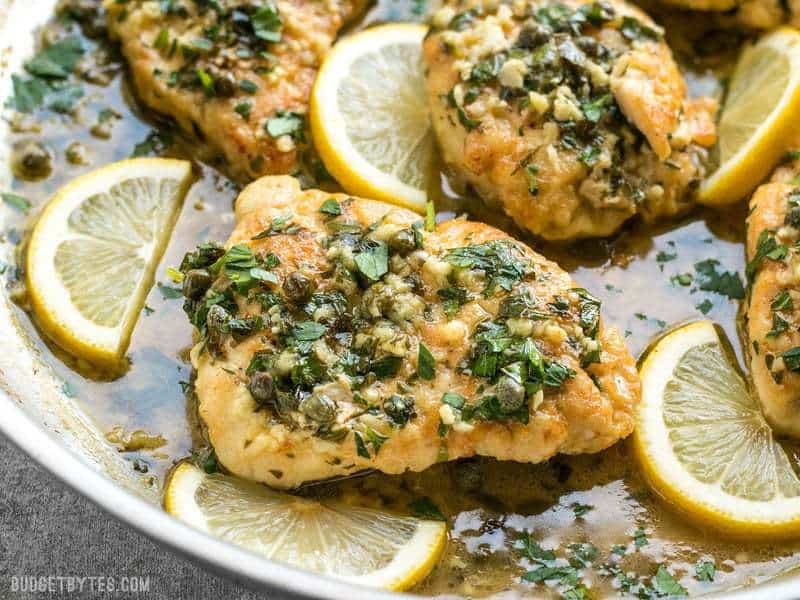
The Evolution of Chicken Piccata: Historically rooted in Italian-American tradition, Chicken Piccata represents the intersection of rich fats and briny acidity. The inclusion of capers—unripened flower buds preserved in vinegar or salt—complements the lemon juice, creating a multi-layered acidic profile. Economic analysis of this dish suggests it remains a high-value "elegant" dinner option, providing a restaurant-quality experience at a fraction of the commercial cost, typically averaging $2.15 per serving.
-
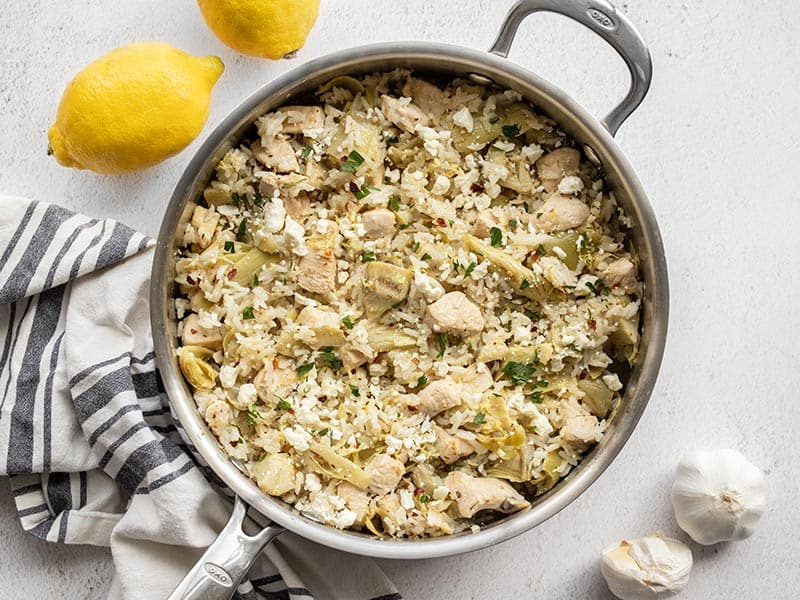
One-Pot Nutritional Optimization: The Lemon Artichoke Chicken and Rice model highlights the trend toward "one-pot" cooking. By integrating feta cheese and artichokes, cooks can achieve a complex flavor profile that satisfies the demand for Mediterranean-style diets, which continue to lead in health-conscious consumer preferences.
The Structural Role of Lemon in Pasta and Legumes
Pasta serves as a neutral canvas for the assertive nature of citrus. In these applications, lemon is often used as a finishing agent to preserve its bright top notes, which can be degraded by prolonged exposure to high heat.
-
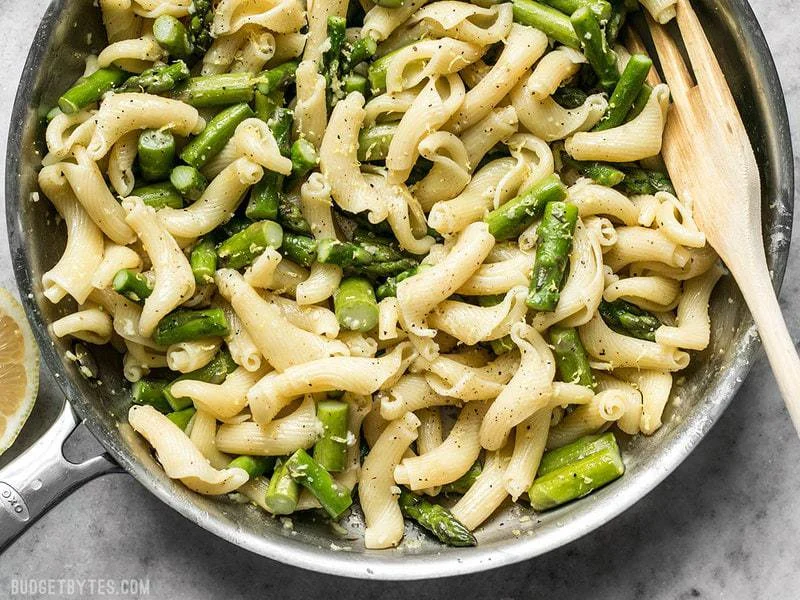
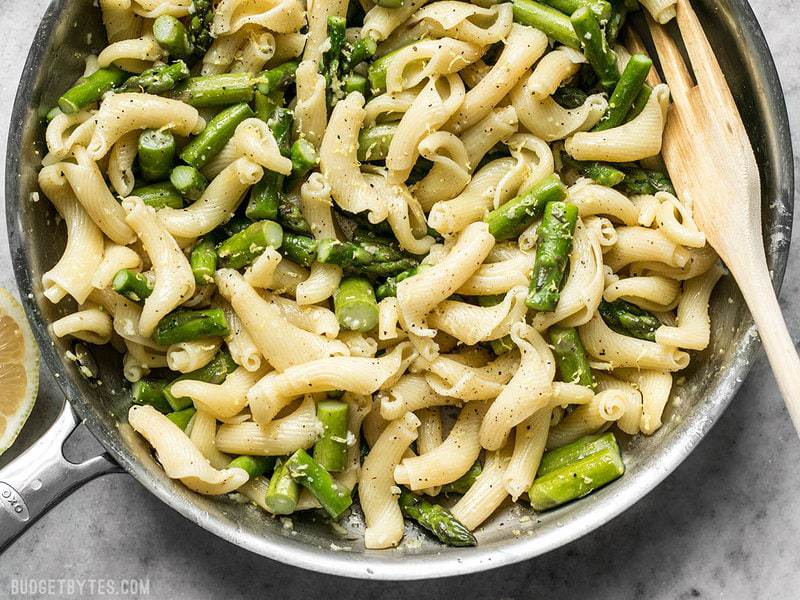
Seasonal Asparagus Integration: The Lemon Garlic Asparagus Pasta is a direct reflection of seasonal synergy. Asparagus, which harvests concurrently with peak lemons, benefits from the steam-and-toss method. This preserves the vegetable’s folate and Vitamin K content while the lemon zest adds an aromatic layer that dried herbs cannot replicate.
-
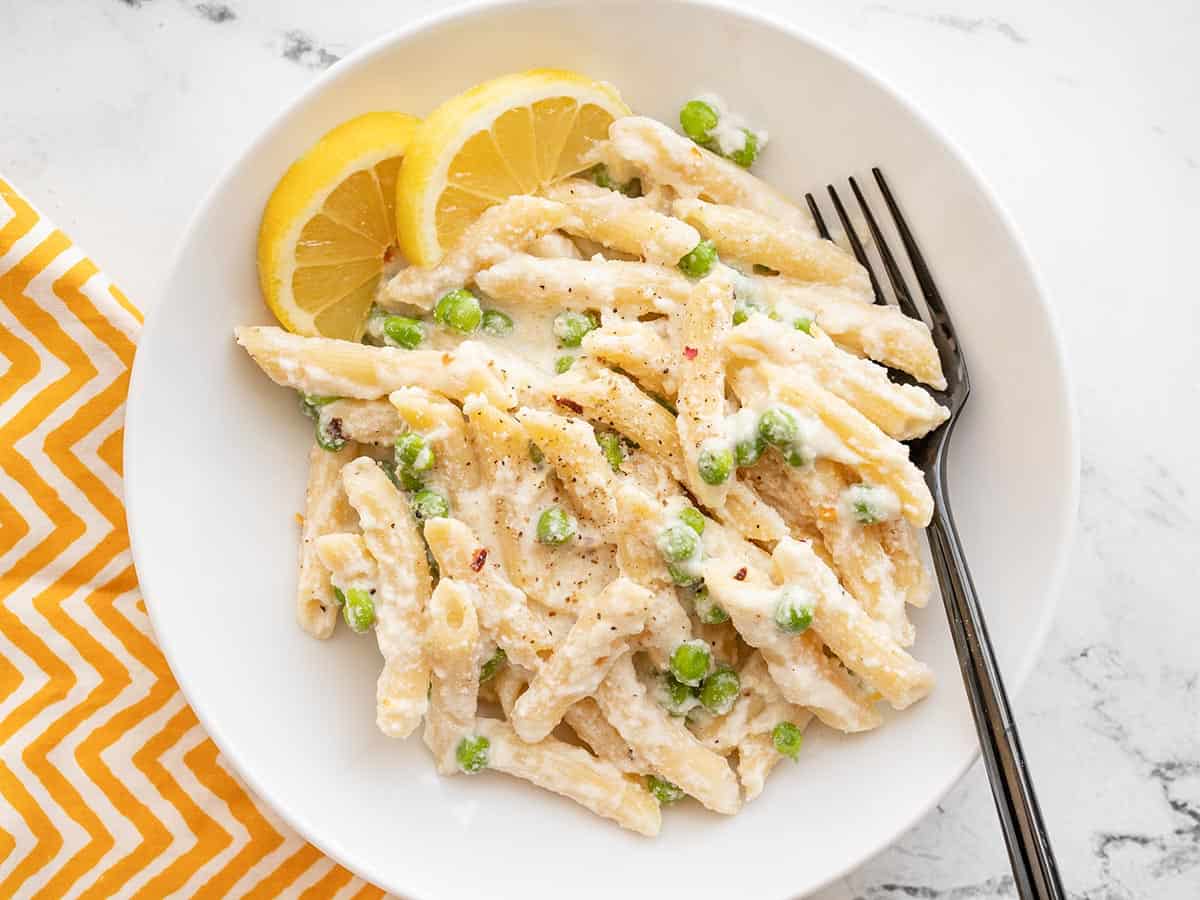
Silken Textures through Ricotta: The use of ricotta in lemon-based pasta sauces represents a move away from heavy, flour-thickened creams. The Nashville Test Kitchen’s Lemon Ricotta Pasta utilizes the moisture of the cheese to create a silk-like coating. When paired with sweet peas, the dish hits the four major flavor quadrants: sweet, salty, sour, and umami.
-
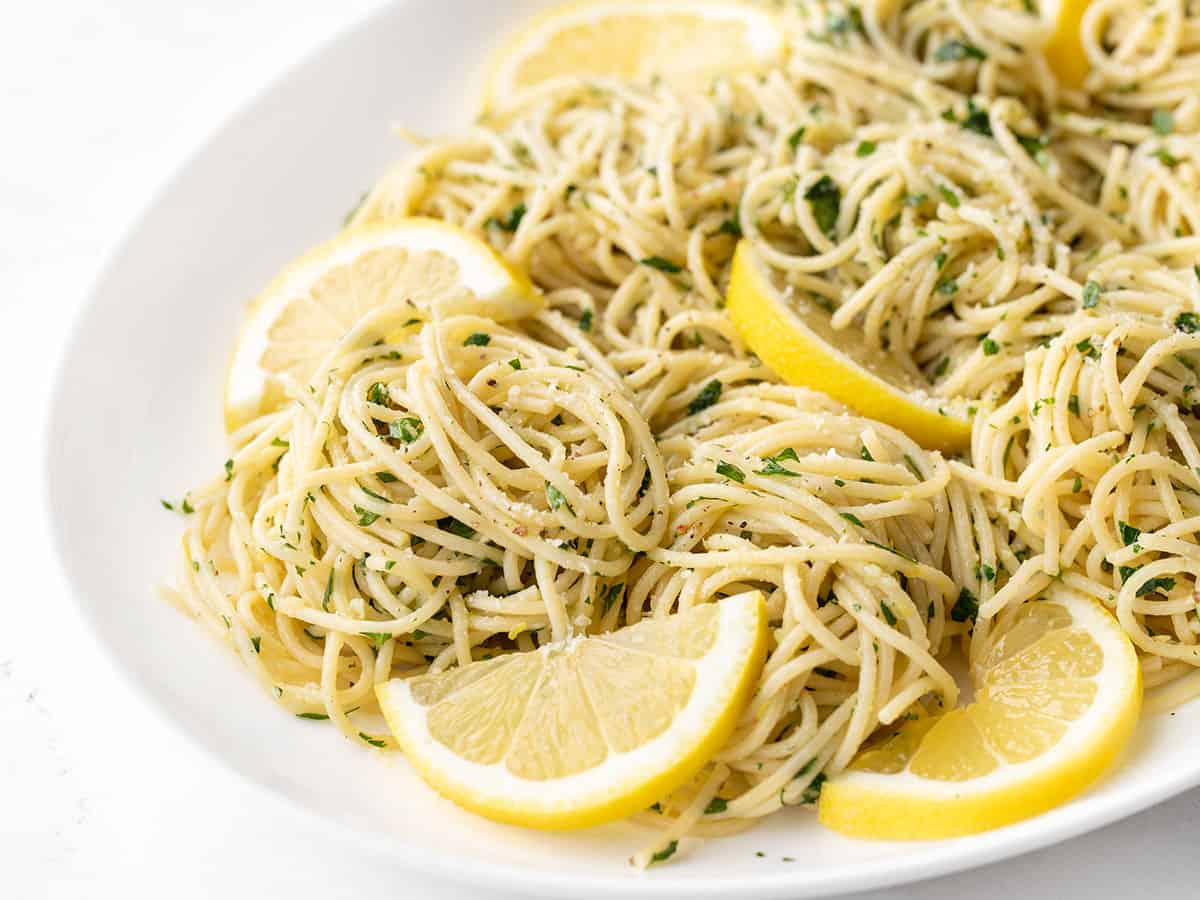
Affordability in Minimalist Cooking: The Lemon Parsley Pasta serves as a case study in minimalist culinary economics. With a recipe cost of approximately $2.81 for four servings, it demonstrates how high-impact ingredients like Parmesan and fresh lemon can elevate basic semolina pasta into a nutrient-dense meal.
Salad Engineering and Emulsification Trends
Modern salad preparation has moved beyond the simple vinaigrette. There is an increasing focus on "hefty" salads that utilize roasted vegetables and complex emulsified dressings.
-
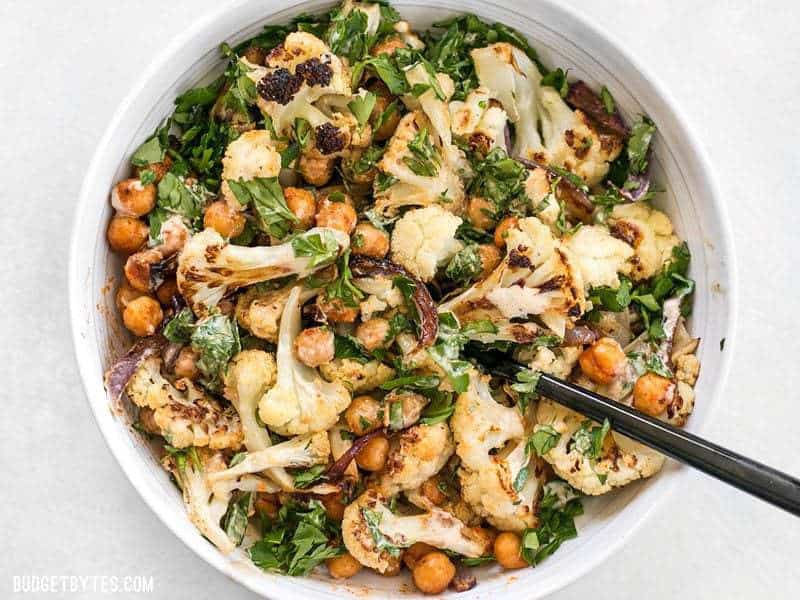
The Rise of Tahini-Citrus Pairings: The Roasted Cauliflower Salad with Lemon Tahini Dressing illustrates the growing popularity of Middle Eastern flavor profiles in Western domestic cooking. Tahini, a paste made from toasted ground hulled sesame, requires an acidic counter-balance to cut through its dense, nutty fat content. Lemon juice provides the necessary pH shift to stabilize the emulsion, creating a creamy texture without the use of dairy.
-
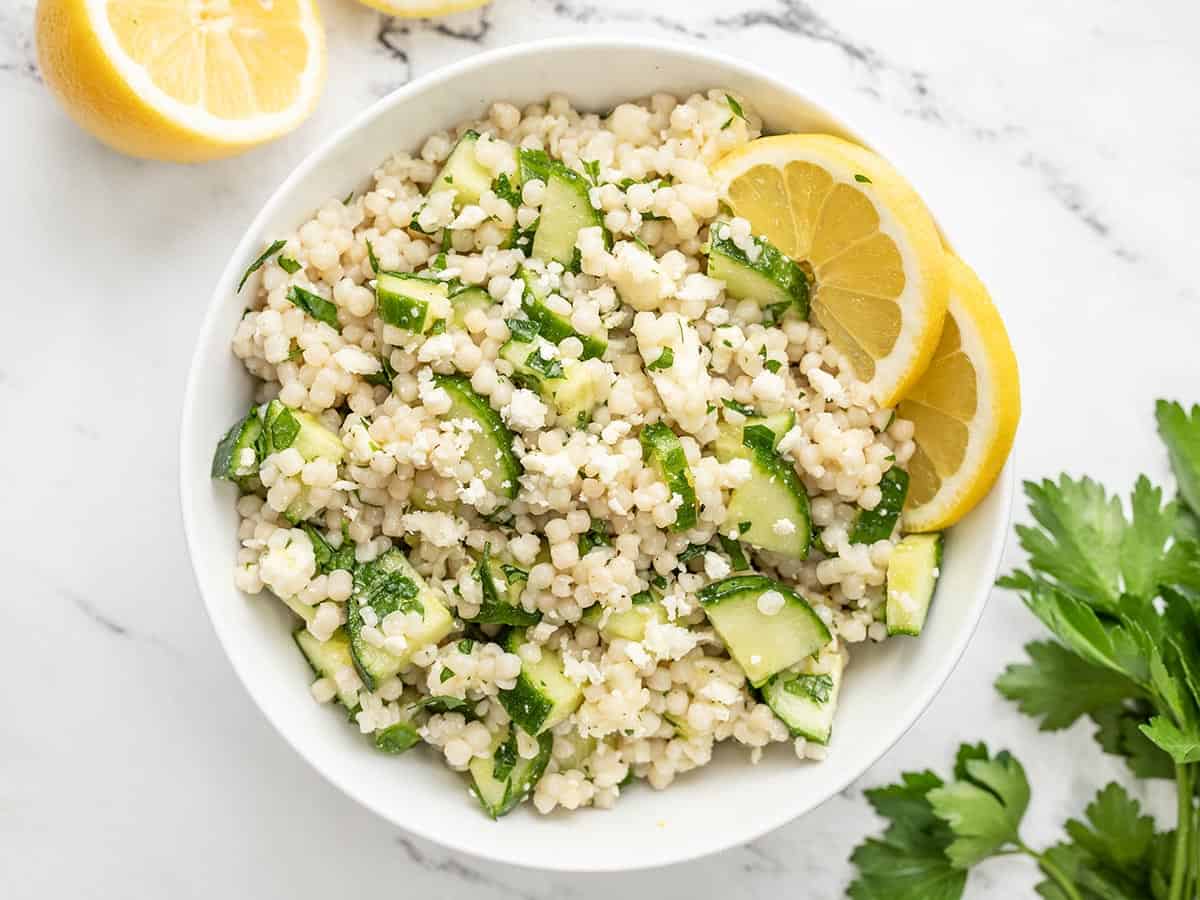
Make-Ahead Durability in Grains: Couscous and grain-based salads, such as the Lemony Cucumber Couscous Salad, are increasingly favored for their "fridge-life." Unlike leafy greens, which wilt due to osmotic pressure when exposed to salt and acid, semolina-based couscous absorbs the lemon dressing, becoming more flavorful over a 24-to-48-hour period.
-
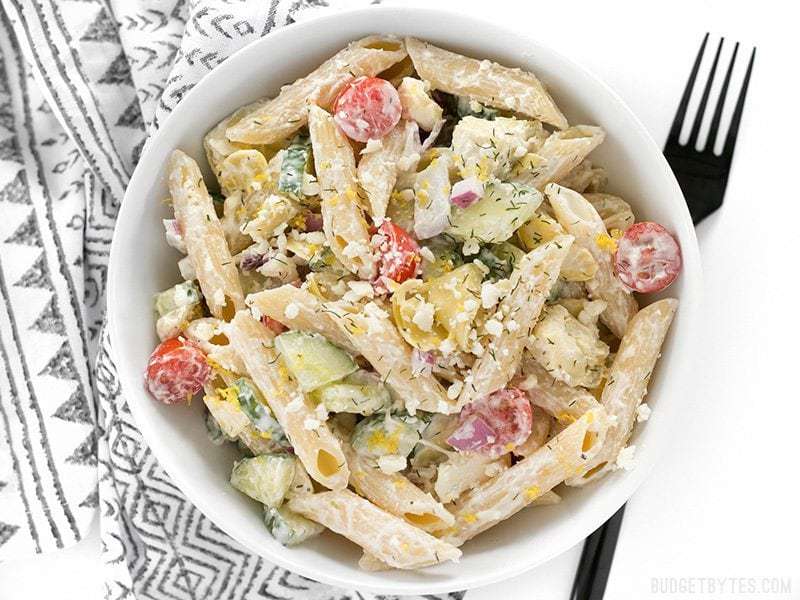
Yogurt-Based Tang in Pasta Salads: Moving away from mayonnaise-heavy dressings, the Creamy Lemon Dill Greek Pasta Salad utilizes Greek yogurt. This shift aligns with broader consumer trends toward high-protein, probiotic-friendly ingredients that offer a natural tang which complements the sharpness of lemon and the herbaceous notes of fresh dill.
Seafood and Soup: The Mediterranean Influence
The application of lemon in seafood is not merely traditional; it is functional. Citric acid neutralizes amines—the compounds responsible for the "fishy" odor in seafood—resulting in a cleaner, fresher taste profile.
-
Garlic Butter Baked Cod: Inspired by the aromatic profile of garlic bread, this dish utilizes cod as a lean protein source. The Nashville Test Kitchen emphasizes the use of lemon slices during the baking process to infuse the fish with steam and citrus oils simultaneously, preventing the protein from drying out under high heat.
-
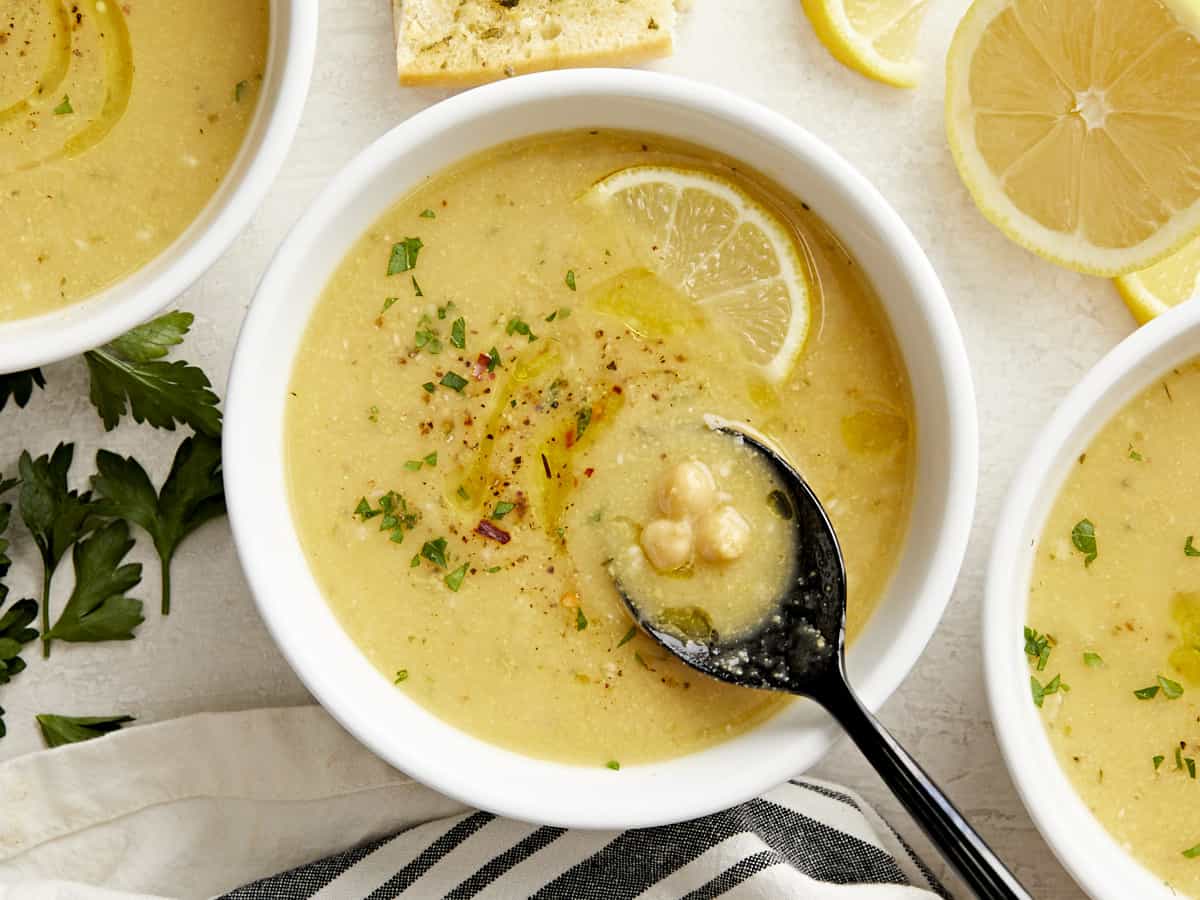
Lemony Chickpea Soup: This dish is a modern interpretation of Avgolemono, the classic Greek soup. By utilizing canned chickpeas, the recipe remains accessible to the budget-conscious cook while providing a high fiber and protein count. The lemon juice acts as a flavor "extender," making a simple broth feel more substantial and sophisticated.
-
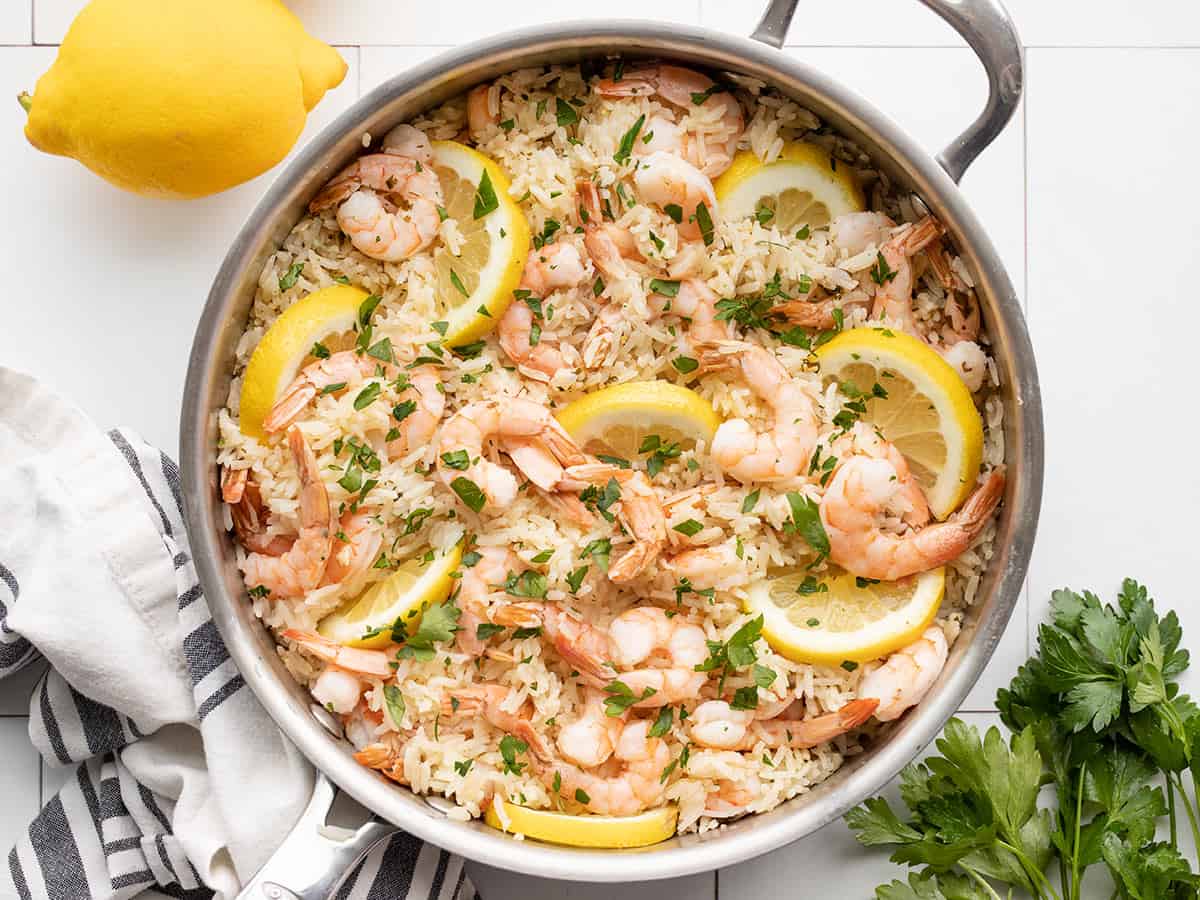
Efficiency in Shellfish Preparation: The One-Pot Lemon Garlic Shrimp and Rice addresses the consumer’s need for rapid protein preparation. Shrimp, which cooks in under five minutes, is protected from overcooking by being integrated into the rice at the final stage of the steaming process, with lemon serving as the primary brightening agent.
The Chemistry of Citrus in Baking and Breakfast
In the realm of baking, lemon serves as more than a flavoring; it is a chemical leavening aid. When lemon juice (an acid) reacts with baking soda (a base), it produces carbon dioxide gas, which helps baked goods rise and creates a tender crumb.
-
Muffin and Scone Dynamics: Lemon Blueberry Muffins and Scones represent the pinnacle of "bakery-style" home cooking. The inclusion of lemon zest in the batter ensures that the citrus flavor is baked into the structure, while a lemon juice-based glaze provides an immediate acidic "hit" upon consumption.
-
The Breakfast Bowl Pivot: The Lemon Berry Yogurt Breakfast Bowl utilizes lemon curd—a cooked emulsion of egg yolks, sugar, and citrus. This represents a trend toward "dessert-inspired" breakfasts that maintain nutritional integrity through the addition of chia seeds, oats, and fresh berries.
-
Structural Integrity in Pound Cakes: The Lemon Pound Cake is a study in density. The acidity of the lemon helps to break down the gluten slightly, ensuring that the cake remains moist rather than "bready." Statistical data from the Nashville Test Kitchen suggests that citrus-based loaf cakes have a higher consumer satisfaction rating during the spring months than chocolate or spice-based alternatives.
Confections and Global Beverage Trends
As the meal concludes, lemon remains a dominant force in the dessert and beverage sectors. The balance of "sweet and tart" is a primary driver in consumer dessert selection.

-
Textural Contrast in Lemon Bars: A successful lemon bar requires a bifurcated structural approach: a crisp, buttery shortbread base to provide a salt-fat contrast, and a custardy, tart filling. The Nashville Test Kitchen’s recipe highlights the importance of using fresh-squeezed juice over concentrate to ensure the enzymatic properties of the fruit remain intact.
-
No-Bake Cream Pies: The Lemon Cream Pie utilizes the chemical reaction between lemon juice and sweetened condensed milk. The acid causes the milk proteins to thicken without the need for heat, creating a "cloud-like" texture that has become a staple of spring and summer social gatherings.
-
The Versatility of Homemade Lemon Curd: With a recipe cost of only $0.13 per serving, lemon curd is identified as a high-utility condiment. Its ability to be stored and used across multiple platforms—from toast to cake filling—makes it a focal point of "zero-waste" citrus cooking.
-
Beverage Innovation and the Brazilian Influence: The final category involves the hydration market. While traditional Homemade Lemonade remains a seasonal standard, the "Brazilian Lemonade" has seen a surge in social media and culinary interest. Interestingly, this drink utilizes limes and sweetened condensed milk, blended whole. This technique extracts the oils from the rind, providing a creamy, bitter-sweet profile that challenges the traditional American definition of lemonade.
Broader Implications and Economic Impact
The emphasis on lemon-centric recipes during the spring of 2024 and 2025 reflects a broader economic reality. As food inflation impacts meat and dairy prices, citrus remains a relatively stable and affordable "luxury" ingredient that can transform low-cost staples like flour, rice, and legumes into gourmet experiences. The work of culinary experts like Jess Rice and the Nashville Test Kitchen staff bridges the gap between professional culinary theory and household management.
By providing "rigorously tested" recipes that average between $0.13 and $2.15 per serving, these institutions empower consumers to maintain high culinary standards regardless of economic fluctuations. The "citrus-packed" spring table is therefore more than a seasonal aesthetic; it is a strategic approach to flavor, nutrition, and fiscal responsibility in the modern kitchen. As we move further into the spring season, the lemon stands as a symbol of culinary renewal—a bright, punchy, and indispensable tool for the creative cook.