

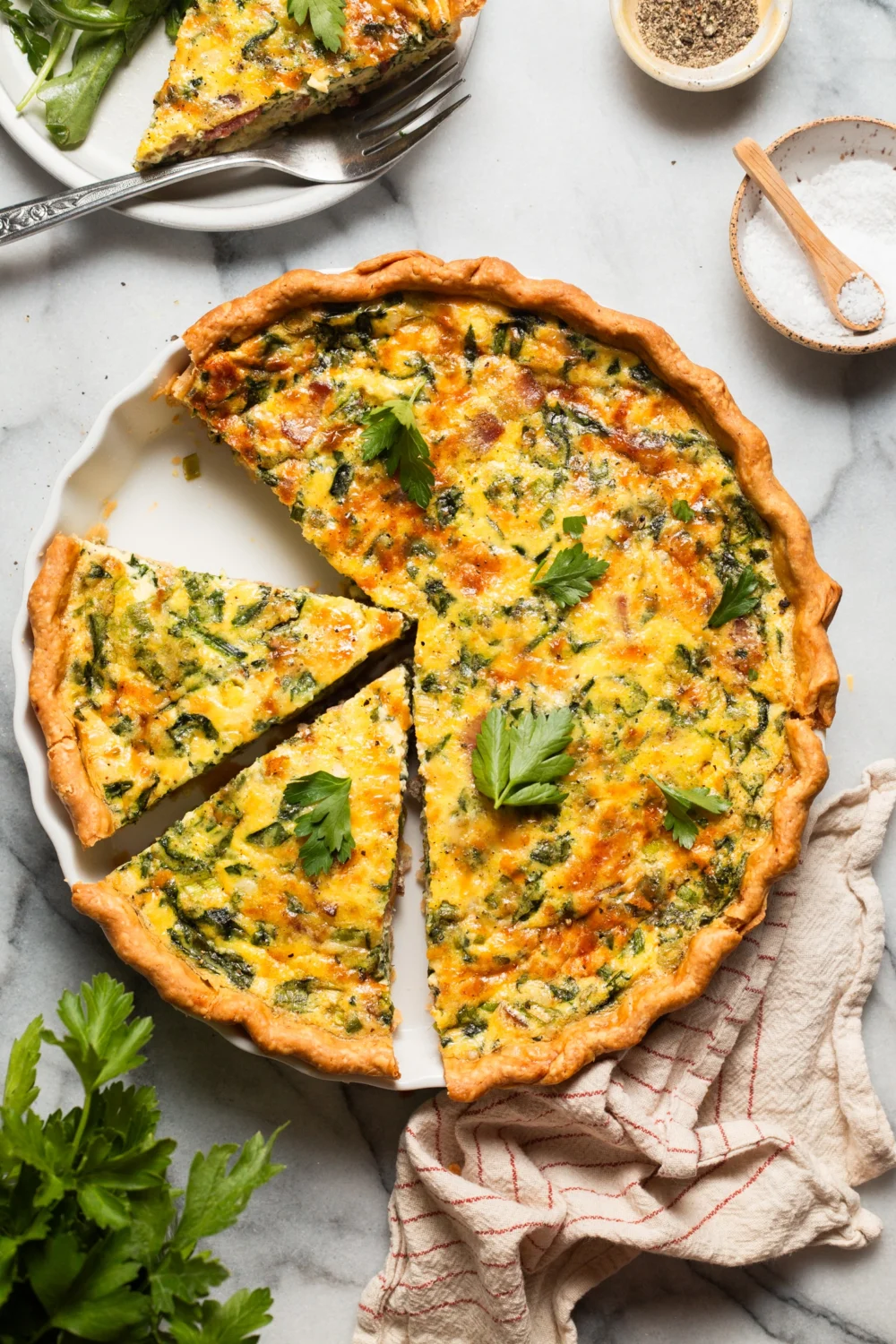
The art of crafting a perfect quiche, once perceived as a culinary endeavor reserved for seasoned chefs, is now within reach for home cooks thanks to an approachable and versatile recipe that prioritizes simplicity without compromising on flavor or texture. This guide delves into the fundamental elements of creating a creamy, silky custard encased in a flaky, golden-brown crust, with the strategic use of store-bought pie dough significantly streamlining the process. The recipe, championed by culinary enthusiast Chungah Rhee of Damn Delicious, emphasizes adaptability, allowing for a wide array of fillings to suit any palate or occasion.
The appeal of quiche lies in its inherent flexibility. Traditionally a French delicacy, a quiche is defined by its characteristic pastry crust, a rich baked egg custard (typically a blend of eggs and dairy), and an assortment of savory additions ranging from cheese and vegetables to meats. Its ability to be served hot, warm, or even cold makes it an ideal candidate for brunches, light lunches, elegant dinners, or even as a portable meal.
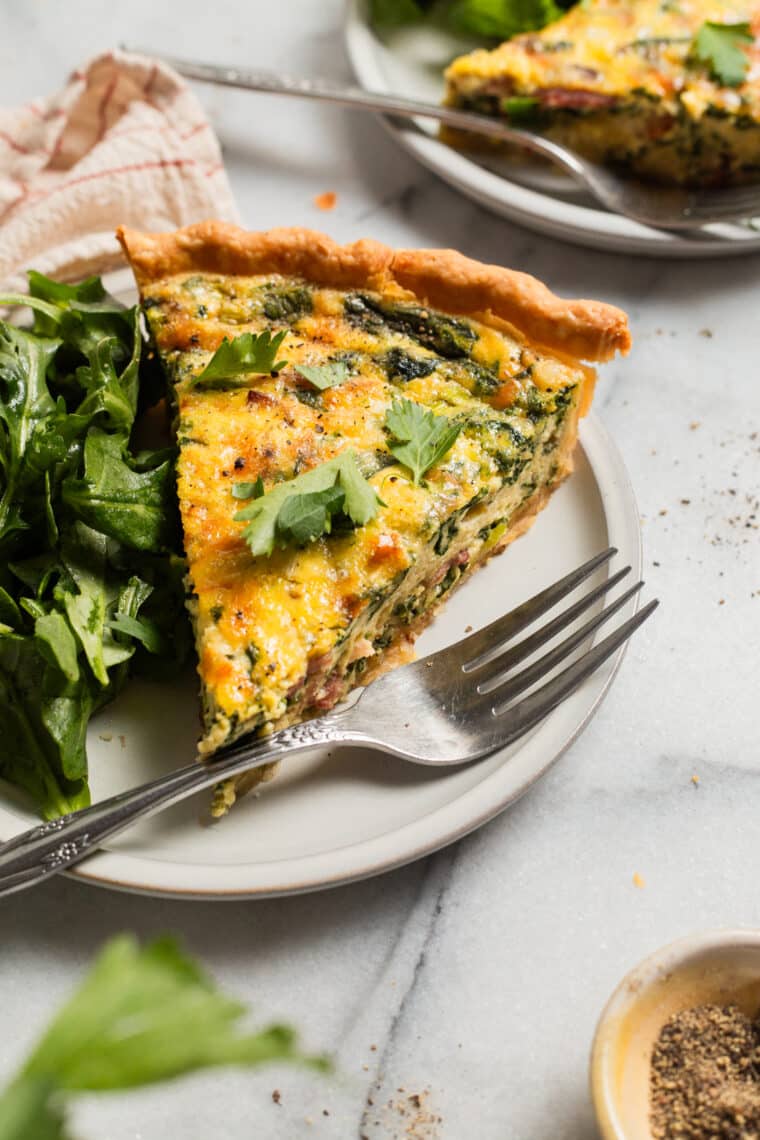
Understanding the Quiche: A Culinary Cornerstone
At its core, a quiche is a savory tart. The distinction between a quiche and its often-confused Italian counterpart, the frittata, is significant. While both dishes feature a base of eggs, the frittata notably lacks a crust, resulting in a denser, firmer texture that more closely resembles a thick, fluffy omelette. The quiche, on the other hand, owes its signature appeal to the textural contrast between its tender, yielding filling and its crisp, buttery foundation.
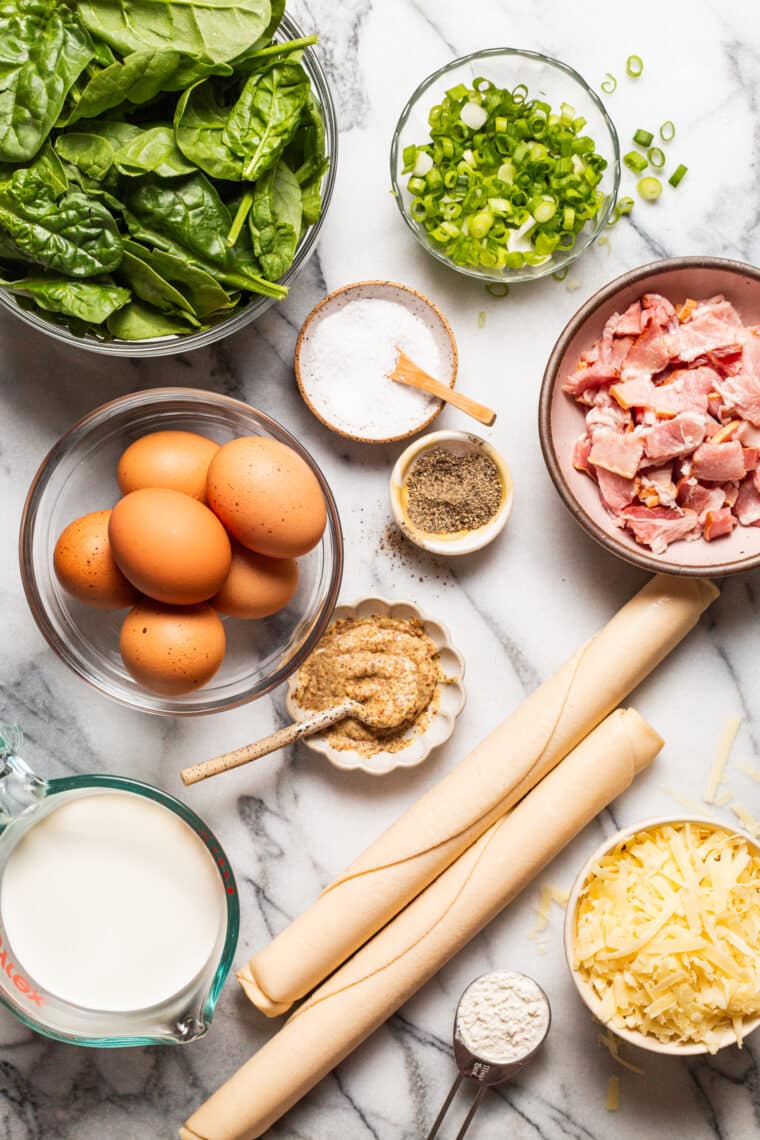
The fundamental components that contribute to a truly exceptional quiche are meticulously detailed in the recipe. The choice of pie dough is a critical starting point. Recognizing the trend of decreasing package sizes for premade pie crusts, this recipe advocates for the use of two crusts, providing ample material to line a slightly larger quiche dish. This ensures a robust and aesthetically pleasing crimped edge, a hallmark of a well-executed quiche.
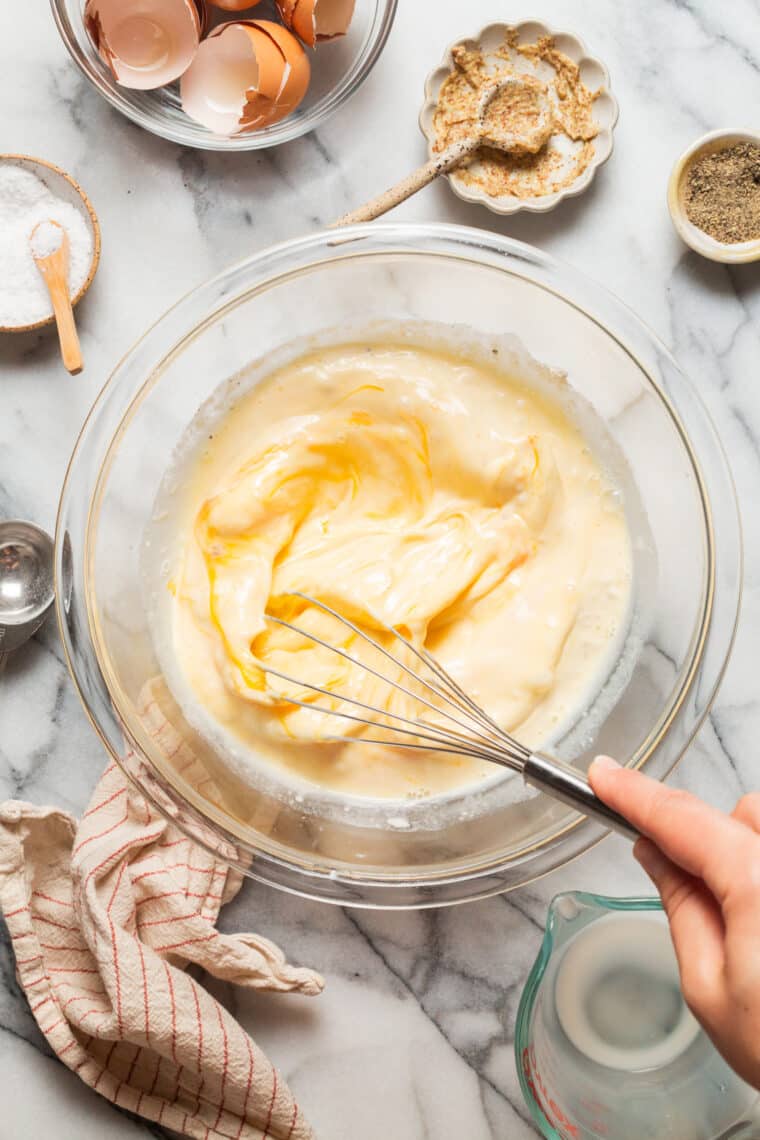
The custard, the heart of any quiche, is built upon a foundation of fresh eggs. These act as the essential binder, harmonizing all the ingredients into a smooth, luscious texture. The dairy component, whether it be milk, half-and-half, or heavy cream, plays a crucial role in determining the final consistency. Half-and-half, a popular choice, strikes a delightful balance, offering richness without being overly heavy. Whole milk yields a lighter quiche, while heavy cream delivers an unparalleled level of decadence and creaminess.

A seemingly minor addition, all-purpose flour, is strategically incorporated at a tablespoon’s measure. This ingredient serves a vital purpose: to absorb excess moisture, thereby preventing the custard from curdling and ensuring a uniformly creamy texture throughout the baking process.
The Art of Filling: A Canvas for Creativity
The true magic of this easy quiche recipe unfolds in its customizable filling. While the classic combination of bacon and spinach is a perennial favorite, the possibilities are virtually limitless. This recipe encourages culinary exploration, presenting a spectrum of popular and intriguing flavor profiles.
Classic Combinations to Inspire:
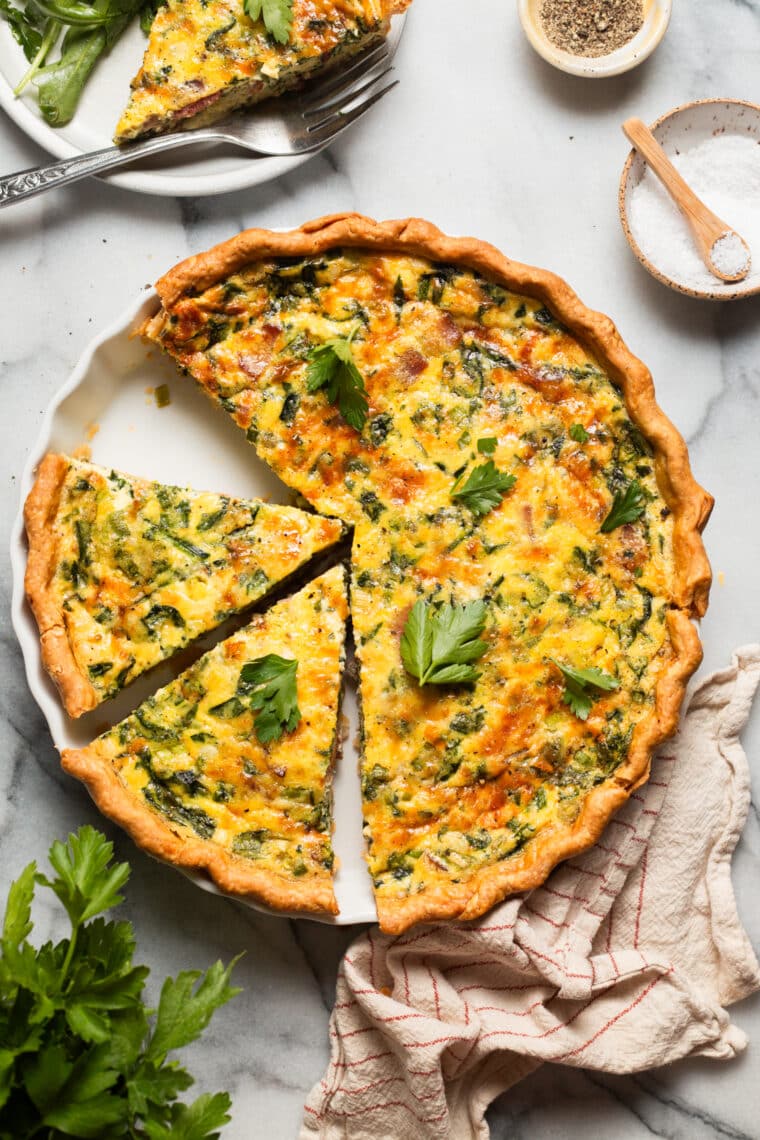
- Quiche Lorraine: A timeless staple, this iteration features the savory richness of bacon complemented by the nutty, slightly sweet notes of Gruyère or Swiss cheese.
- Spinach and Feta: A lighter yet equally flavorful option, this combination marries the earthy notes of sautéed spinach with the tangy brine of crumbled feta cheese.
- Ham and Swiss: This hearty option combines the savory depth of diced cooked ham with the subtle sweetness of caramelized onions and the mild, nutty flavor of Swiss cheese.
- Broccoli and Cheddar: A comforting and familiar pairing, this quiche showcases the texture of cooked broccoli florets (steamed or roasted for optimal flavor) against the sharp, tangy profile of cheddar cheese.
Beyond these established combinations, the recipe opens doors to a world of vegetable-based creations. Caramelized onions, sautéed bell peppers, zucchini, mushrooms, and even heartier root vegetables can be incorporated. Leafy greens such as Swiss chard, kale, arugula, or watercress, when sautéed to perfection, add both color and nutritional value.
Furthermore, the recipe suggests a range of “add-ins” that can elevate a simple quiche to gourmet status. A touch of Dijon mustard can impart a subtle tang, while fresh herbs like dill, thyme, rosemary, basil, or parsley can introduce aromatic complexity. Spices such as nutmeg, paprika, or crushed red pepper flakes offer opportunities to fine-tune the flavor profile and add a hint of warmth or gentle heat.
The Technique: Ensuring a Flawless Bake
Achieving a perfect quiche is not solely about the ingredients; the technique employed is equally crucial. A key step highlighted for success is the blind baking of the crust. This preparatory stage involves pre-baking the pie crust before the filling is added. The primary objective is to ensure the crust holds its shape and develops a crisp texture, thereby preventing the dreaded "soggy bottom," a common pitfall when dealing with moist custard fillings.
The process of blind baking typically involves lining the unbaked crust with parchment paper and filling it with pie weights – ceramic balls, dried beans, or even rice – to anchor the dough and prevent it from puffing up or bubbling during the initial bake. This technique provides the crust with a significant head start, ensuring it is perfectly cooked by the time the quiche is fully baked.
Pro Tips for Quiche Perfection
Beyond blind baking, several other tips contribute to a consistently excellent quiche:
- Crust Management: When working with store-bought pie dough, allow it to soften slightly at room temperature for a few minutes. This makes it more pliable and easier to press into the quiche dish without tearing. Ensure the edges are neatly crimped to prevent the filling from seeping out.
- Custard Consistency: Whisk the eggs and dairy gently but thoroughly until just combined. Over-whisking can incorporate too much air, leading to a less smooth custard.
- Filling Preparation: Ensure any vegetables or meats used as fillings are pre-cooked and drained of excess moisture. This prevents the quiche from becoming watery. Sautéing vegetables until tender and lightly browned enhances their flavor.
- Baking Temperature: The optimal baking temperature for quiche typically falls between 350°F and 375°F (175°C and 190°C). This allows the custard to set without the crust burning.
- Doneness Test: A quiche is ready when the edges are set and slightly puffed, and the center is just barely jiggly. A knife inserted near the center should come out clean.
- Cooling Period: Allowing the quiche to cool for at least 10 minutes after baking is essential. This crucial resting period allows the custard to fully set, ensuring clean slices and preventing it from collapsing when cut.
Quiche vs. Frittata: A Clear Distinction
To further clarify the culinary landscape, understanding the fundamental differences between quiche and frittata is beneficial. As previously noted, the presence of a crust is the most defining characteristic of a quiche. This pastry shell provides a structural and textural counterpoint to the soft, savory filling. Frittatas, conversely, are crustless. Their preparation typically involves cooking the ingredients in an oven-safe skillet, often starting on the stovetop and finishing in the oven. The resulting dish is more akin to a baked omelette or a firm egg casserole. The texture of a frittata is generally more uniform and dense compared to the layered complexity of a quiche.
Storage and Reheating: Extending the Enjoyment
The versatility of quiche extends to its storage and reheating capabilities. Prepared quiches can be stored in an airtight container in the refrigerator for up to 3-4 days. To reheat, a moderate oven temperature of around 300°F (150°C) is recommended, allowing the quiche to warm through gently without overcooking the custard or drying out the crust. For those who prefer to prepare ahead, blind-baked crusts can be stored at room temperature for up to two days when tightly covered, or the fully assembled and baked quiche can be refrigerated for up to two days.
Conclusion: Embracing the Simplicity of Homemade Quiche
The easy homemade quiche recipe, as presented, demystifies a classic dish, making it accessible and enjoyable for cooks of all levels. By leveraging convenient store-bought pie dough and focusing on a well-balanced custard and adaptable fillings, anyone can create a delicious and visually appealing quiche. This recipe serves not only as a guide to a specific dish but also as an invitation to explore the endless possibilities within the realm of egg-based baked goods, proving that culinary excellence can indeed be achieved with simplicity and creativity.