

This post may contain affiliate links. Please read our disclosure policy.
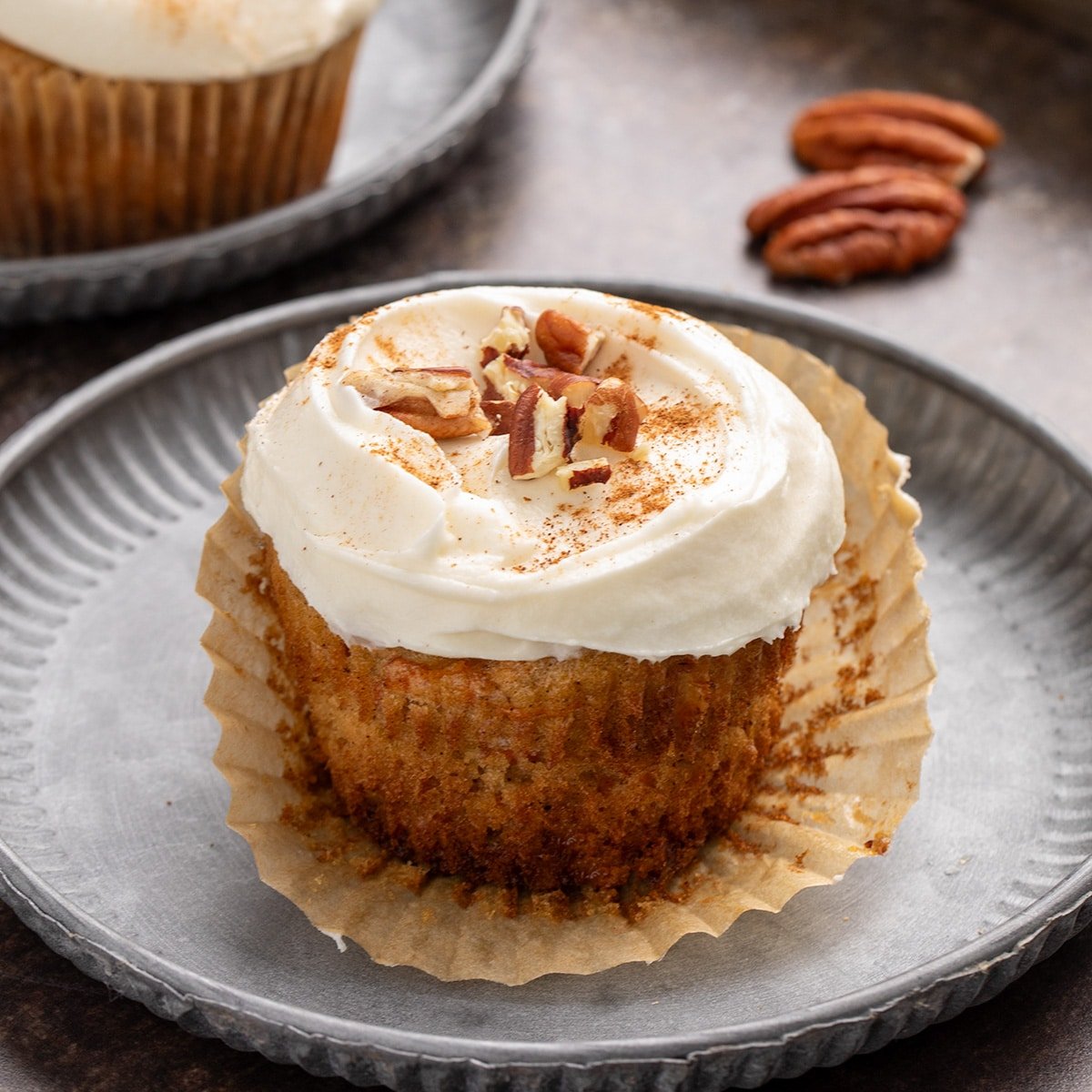
These gluten-free carrot cake cupcakes are a testament to the possibility of achieving classic comfort food flavors without gluten. Characterized by their tender crumb, warm spice notes, and authentic carrot essence, these cupcakes offer a delightful alternative for those adhering to a gluten-free diet. Unlike their full-sized cake counterparts, the cupcake format benefits from the structural support of muffin wells, allowing for a reduced flour content and an exceptionally delicate texture. The recipe meticulously balances sweetness and spice, ensuring a rich yet not overpowering flavor profile, making them a versatile treat for any occasion.
The Science Behind the Perfect Gluten-Free Carrot Cake Cupcake
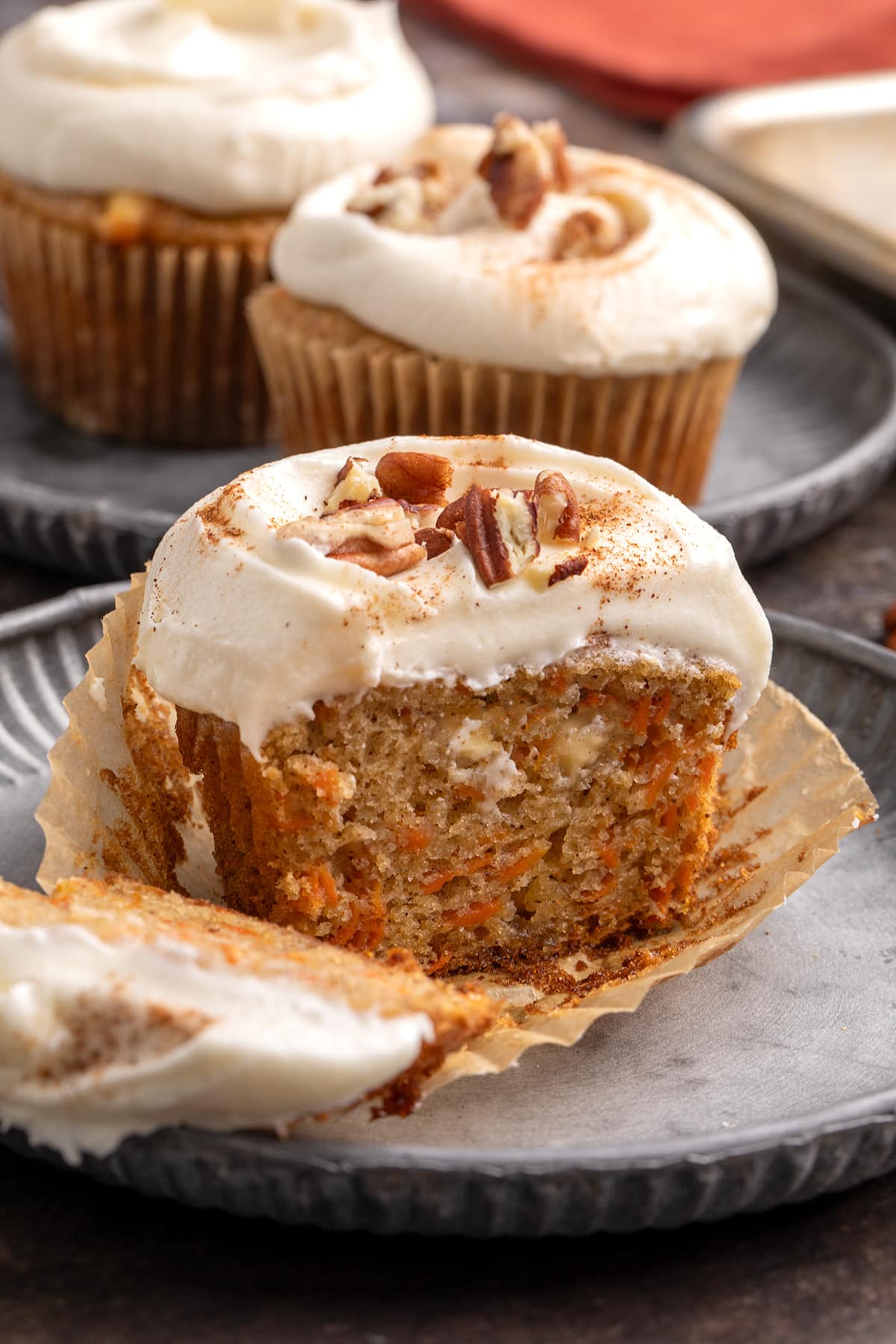
The success of these gluten-free carrot cake cupcakes lies in a few key culinary techniques, primarily centered around the preparation of the carrots themselves. The recipe emphasizes grating the carrots using the larger holes of a box grater, a detail that significantly impacts the final texture and flavor. These thicker shreds soften during the baking process while retaining their form, contributing sweetness and structural integrity rather than dissolving into the batter. This allows for a higher carrot-to-flour ratio, resulting in a moist and intensely flavorful crumb, visually punctuated by distinct flecks of carrot.
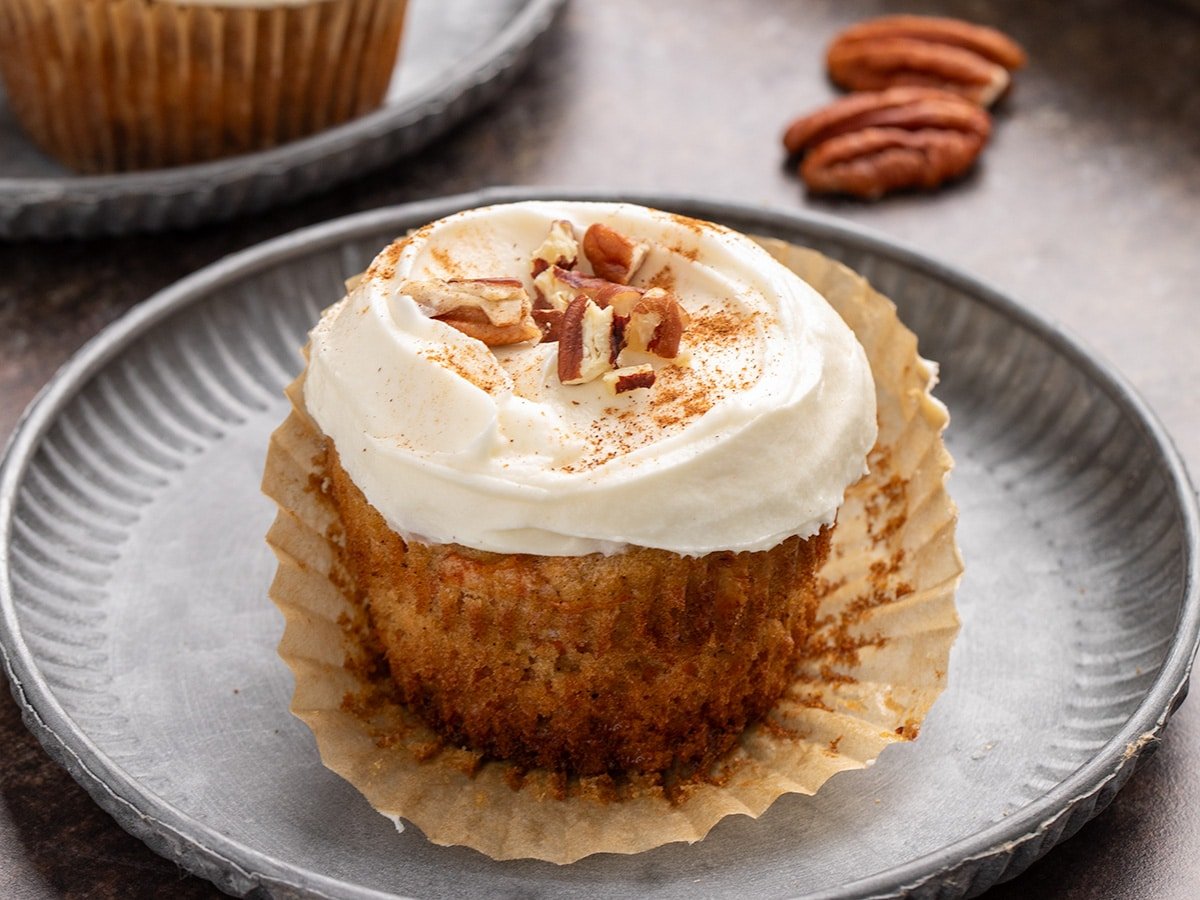
Furthermore, the careful balance of ingredients, including the use of oil, brown sugar, and a proprietary blend of spices, ensures that the carrot flavor remains paramount without imparting a greasy sensation or excessive sweetness. This precise formulation also guarantees that the cupcakes maintain their tender consistency, even when chilled, a common challenge with gluten-free baked goods.
Recipe Genesis and Ingredient Spotlight
The development of this gluten-free carrot cake cupcake recipe is rooted in a desire to replicate the nostalgic taste of traditional carrot cake in an accessible, individual portion. The ingredients chosen are designed to work harmoniously to achieve this goal.
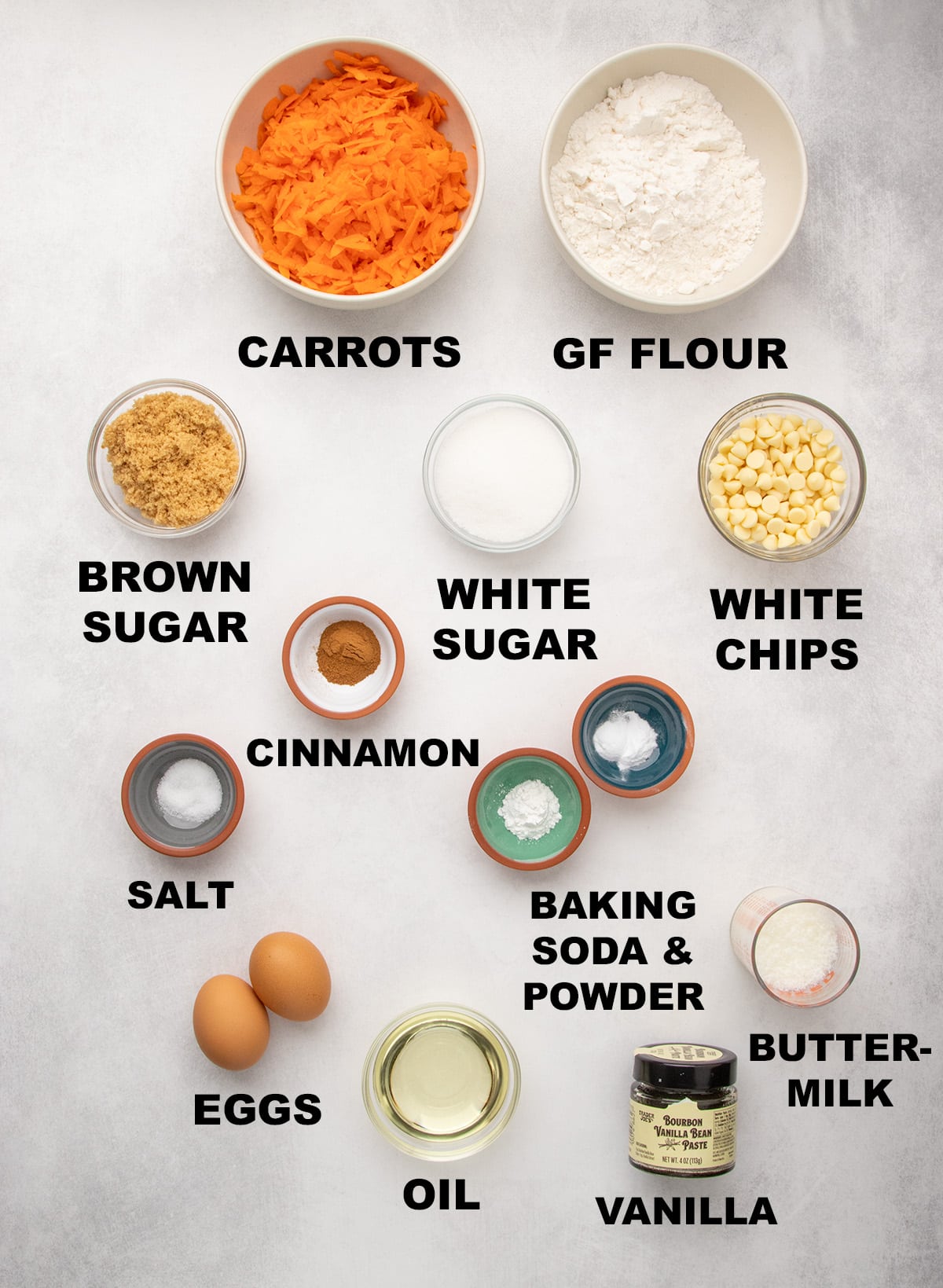
- Gluten-Free Flour Blend: The foundation of any gluten-free baked good. A well-balanced blend, often containing a combination of rice flour, tapioca starch, and potato starch, is crucial. The inclusion of xanthan gum is vital for mimicking the binding properties of gluten, providing structure and preventing a crumbly texture. For those using specific blends like Bob’s Red Mill 1-to-1, an adjustment in xanthan gum is recommended to prevent dryness.
- Carrots: The star ingredient. Grated on the larger holes of a box grater, these provide moisture, sweetness, and visual appeal. The quality and freshness of the carrots are paramount, with the sweetest and most flavorful parts being the middle to the tapered end.
- Sugars (Granulated and Brown): A combination provides both structure and moisture. Brown sugar, with its molasses content, contributes a deeper flavor profile and enhances tenderness.
- Leavening Agents (Baking Soda and Baking Powder): These work together to provide lift and a light texture. Baking soda reacts with acidic ingredients, while baking powder provides a double action of lift.
- Spices (Cinnamon): Essential for the characteristic warm, comforting flavor of carrot cake. Nutmeg and cloves can also be added for complexity.
- Oil: Contributes moisture and tenderness, ensuring the cupcakes remain soft even when refrigerated. Neutral oils like vegetable or canola are typically used.
- Eggs: Act as binders, contribute to richness, and aid in leavening.
- Buttermilk: Adds moisture and a subtle tang that complements the sweetness of the cake. Its acidity also helps to activate baking soda.
- Vanilla Bean Paste: Enhances the overall flavor profile with its rich, aromatic qualities.
- Optional Mix-ins (White Chocolate Chips, Pecans): These add texture and additional layers of flavor. Raisins or other dried fruits are also popular choices.
Step-by-Step Guide to Crafting Gluten-Free Carrot Cake Cupcakes
For aspiring bakers, a visual and detailed approach to the preparation process can be invaluable. The following steps outline the creation of these gluten-free carrot cake cupcakes, offering clarity for each stage.
1. Preparing the Dry Ingredients:
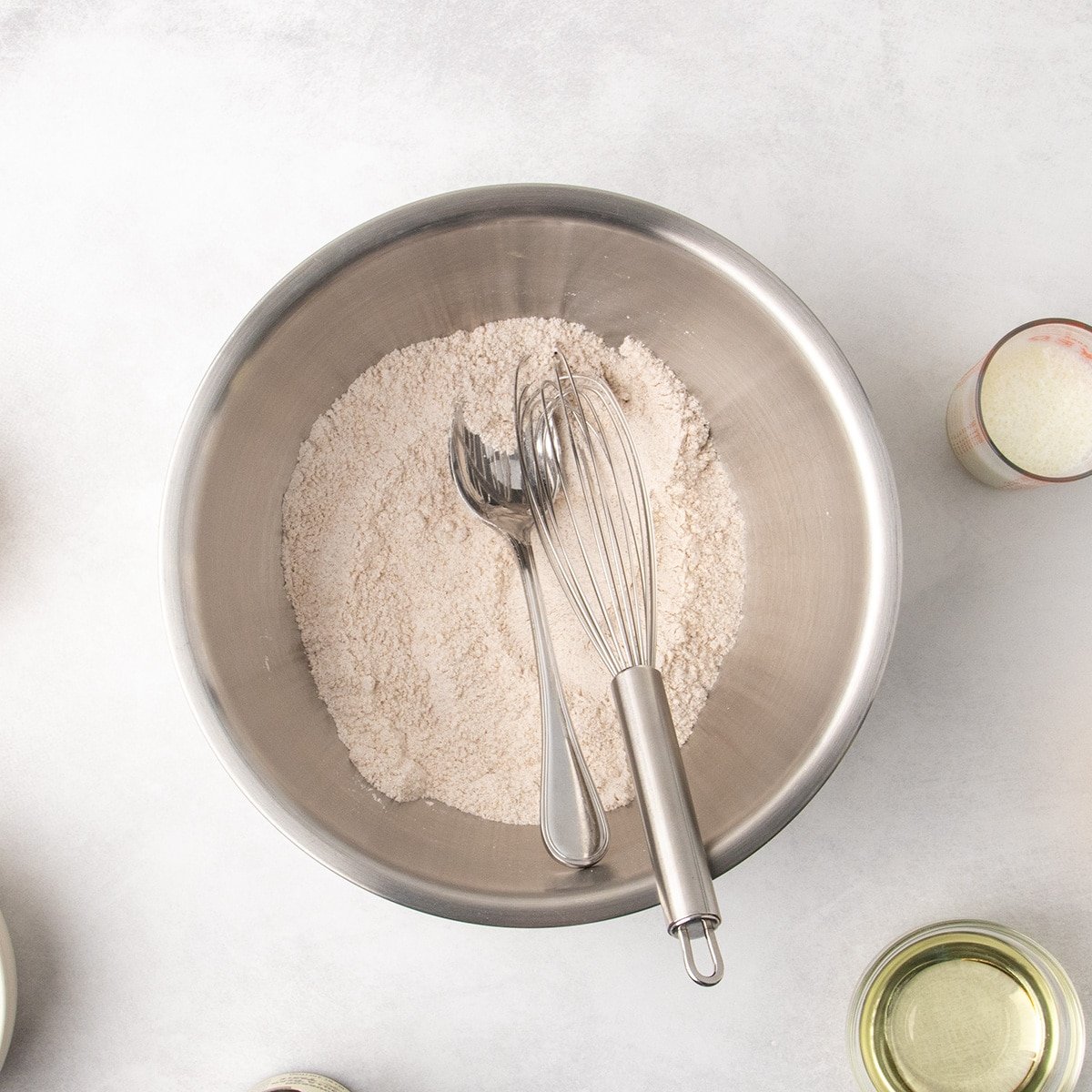
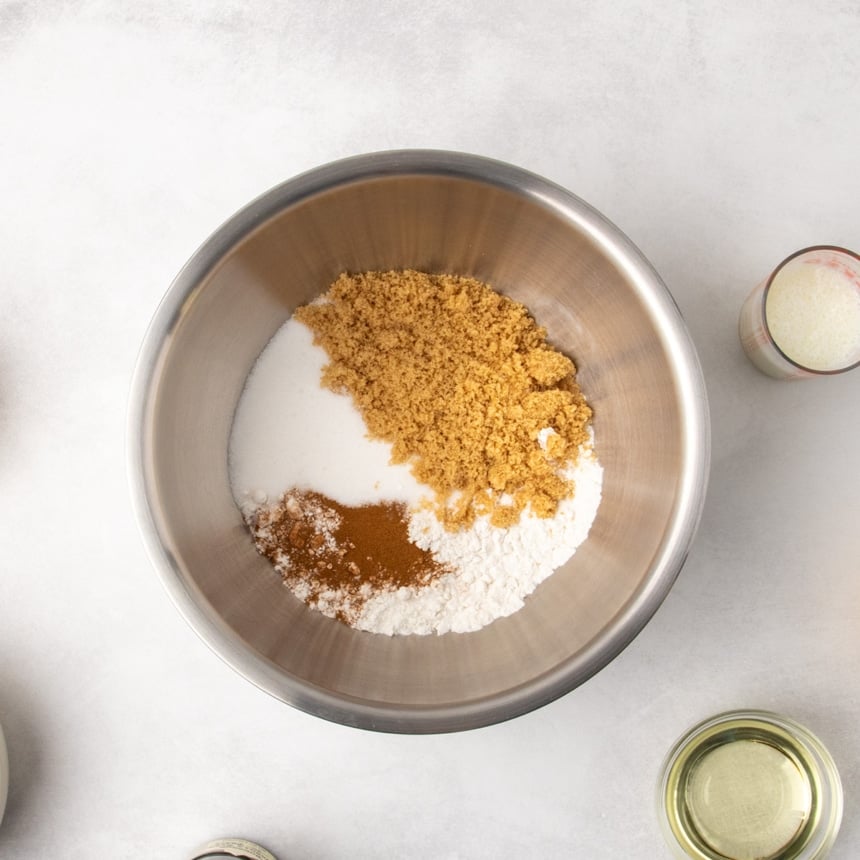
The initial step involves combining all dry components in a single large mixing bowl. This typically includes the gluten-free flour blend, baking soda, baking powder, salt, cinnamon, granulated sugar, and brown sugar. Thorough whisking ensures even distribution of ingredients. It is important to break up any lumps in the brown sugar, often by pressing them against the side of the bowl with a spoon, to ensure a smooth batter.
2. Incorporating the Wet Ingredients:
A well is created in the center of the dry ingredients to facilitate the incorporation of the wet components. Neutral oil, beaten eggs, buttermilk, and vanilla bean paste are added to this well. The mixture is then gently combined until a smooth, homogenous batter forms. The presence of oil at room temperature will contribute to a soft batter consistency.
3. Adding the Mix-Ins:
Once the base batter is prepared, the grated carrots and chosen mix-ins, such as white chocolate chips or chopped pecans, are folded in. This step is crucial for achieving an even distribution of these textural and flavorful additions throughout the cupcake. Adding them towards the end of the mixing process helps to prevent overmixing, which can toughen gluten-free baked goods.
4. Baking the Cupcakes:
Standard, lined 12-well cupcake tins are used for baking. The batter is carefully portioned into each well, filling them approximately three-quarters of the way full. This precise filling level is critical for achieving cupcakes that bake flat, ideal for frosting, rather than domed like muffins. If the muffin tin wells are smaller, resulting in leftover batter, it is advisable to bake additional cupcakes rather than overfilling the existing wells. The baking temperature and time are calibrated to ensure a tender crumb and even cooking.
Expert Insights for Optimal Results
Achieving consistently excellent gluten-free baked goods often benefits from expert advice. Several key considerations can elevate the quality of these carrot cake cupcakes.

Don’t Overfill the Cupcake Tin
The adage of "less is more" is particularly relevant when filling cupcake liners. Cupcakes are designed to have a flat surface for optimal frosting application, unlike muffins which are often intentionally domed. Overfilling the tins can lead to an undesirable dome shape, making frosting more challenging. The recipe’s instructions to fill wells only three-quarters full, coupled with a lower baking temperature and a thinner batter, are designed to promote a flatter bake. If your tin has smaller wells, creating additional cupcakes is the recommended approach to maintain the desired structure.
Coarsely Grate the Carrots
The texture of the grated carrots plays a pivotal role. Utilizing the largest holes on a box grater (approximately 1/4-inch wide) is key. These thicker shreds soften sufficiently during baking to contribute moisture and a subtle sweetness without disintegrating. Crucially, they also provide a degree of structural support to the cupcake, a valuable asset in gluten-free baking.

Use Only Freshly-Grated Carrots
Pre-shredded carrots often lack the optimal moisture content and can be too thick to soften properly during baking. This can lead to a less flavorful and potentially tougher cupcake. For the most vibrant and sweet flavor, it is recommended to grate carrots just before incorporating them into the batter. Furthermore, selecting the sweetest parts of the carrot, typically from the middle to the tapered end, will further enhance the overall taste.
Vary Your Mix-Ins
While white chocolate chips are a popular choice, the recipe is adaptable to various preferences. For a dairy-free option, dairy-free white chocolate chips can be used. Other suitable additions include raisins, chopped pecans or walnuts for added crunch, or even cinnamon chips for an intensified spice flavor. For the most accurate and consistent results, measuring mix-ins by weight rather than volume is recommended, a practice that ensures precision in all aspects of baking.

Consider Canned Frosting for Simplicity
The beauty of these cupcakes lies in their relatively straightforward preparation, especially since they are oil-based rather than butter-based. For ultimate convenience, opting for a high-quality canned cream cheese frosting, such as those from Duncan Hines or Betty Crocker, can be a practical solution. This eliminates the need for a separate frosting preparation, streamlining the entire process without compromising on the overall enjoyment of the treat.
Ingredient Substitutions for Dietary Needs
Catering to various dietary restrictions is a common consideration in modern baking. This recipe offers flexibility for common allergens.

Dairy-Free Adaptations
To make the cupcakes dairy-free, the buttermilk can be substituted with a mixture of dairy-free sour cream or Greek-style yogurt and an unsweetened dairy-free milk (coconut or soy milk are excellent choices). For the mix-ins, dairy-free white chocolate chips or other dairy-free alternatives like small dried fruits or nuts can be employed. Commercially available canned cream cheese frostings are often dairy-free and gluten-free, providing a convenient frosting option.
Egg-Free Alternatives
For those requiring an egg-free recipe, several viable substitutes exist. Chia eggs, commercial egg replacers like Bob’s Red Mill Egg Replacer, or liquid egg alternatives such as JustEgg can be used in place of the whole eggs. It is advisable to follow the specific instructions for the chosen egg replacer for optimal results.

Storage and Longevity of Gluten-Free Carrot Cake Cupcakes
The oil-based nature of these cupcakes contributes to their extended shelf life. Stored in an airtight container in the refrigerator, they can remain fresh for up to five days. It is recommended to allow them to reach room temperature before serving to best appreciate their texture and flavor. For longer-term preservation, unfrosted cupcakes can be tightly wrapped and frozen for up to three months. Thawing can be done at room temperature or by microwaving for brief intervals. Frosted cupcakes can also be frozen, but require thawing at room temperature to prevent condensation and maintain frosting integrity.
The nutritional information provided for these cupcakes is an approximation calculated automatically. Serving size is typically one frosted cupcake, with estimated values for calories, carbohydrates, protein, fat, and various micronutrients. These figures serve as a general guideline and may vary based on specific ingredients and preparation methods.

The development and refinement of gluten-free recipes, like these carrot cake cupcakes, represent a significant advancement in inclusive baking. By understanding the nuances of gluten-free ingredients and employing strategic culinary techniques, it is possible to create delicious and satisfying treats that can be enjoyed by a wider audience. The focus on flavor, texture, and ease of preparation ensures that these cupcakes are not just a substitute, but a delightful indulgence in their own right.