

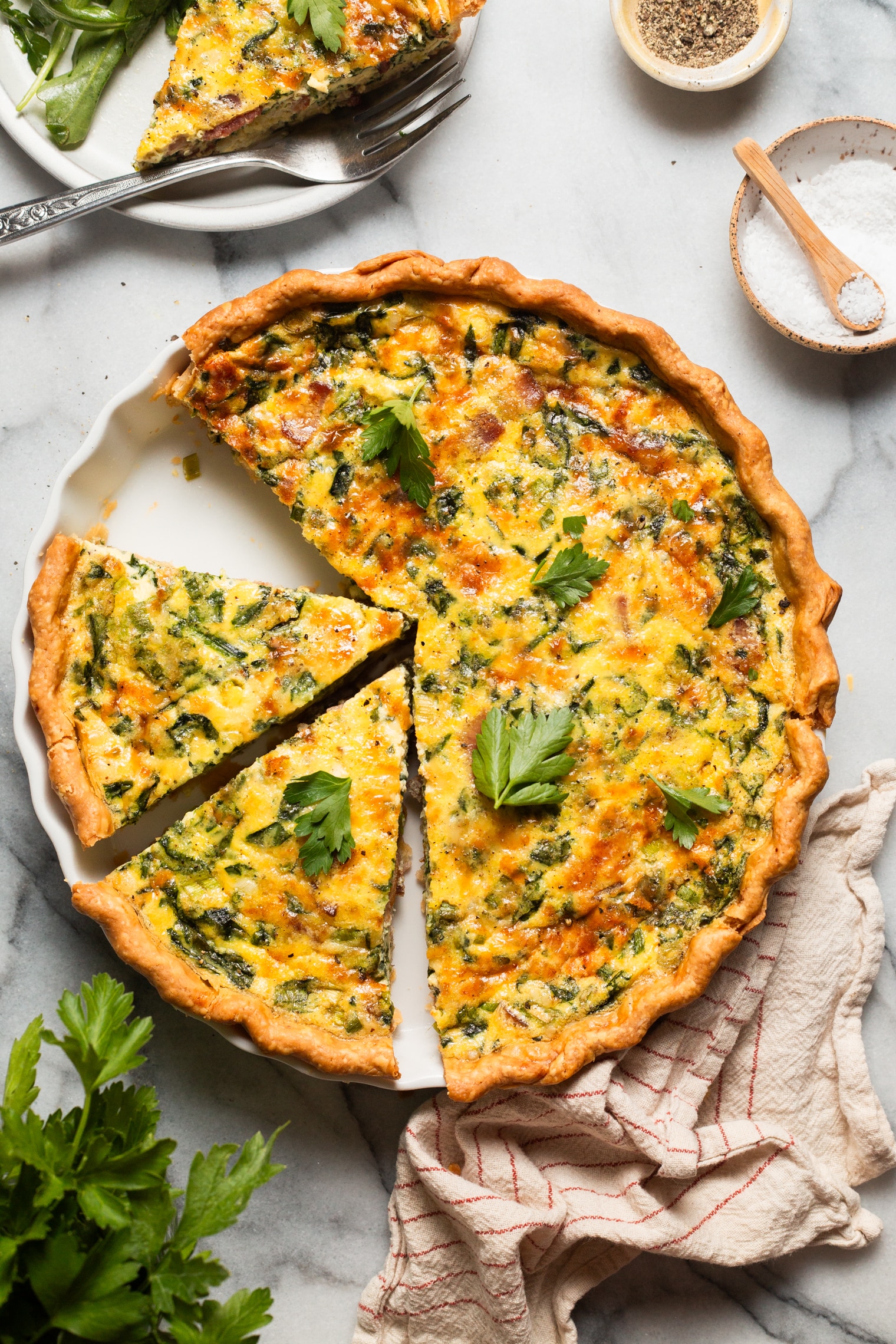
The culinary world often presents dishes that appear deceptively complex, yet are surprisingly approachable for home cooks. Quiche, a beloved French classic, often falls into this category. While its reputation might suggest intricate pastry work and precise techniques, a new wave of recipes is demystifying this savory tart, making it accessible to even the most novice of chefs. This comprehensive guide delves into the art of crafting a perfect homemade quiche, emphasizing simplicity without compromising on exquisite flavor and texture.
Understanding the Quiche: A Culinary Cornerstone
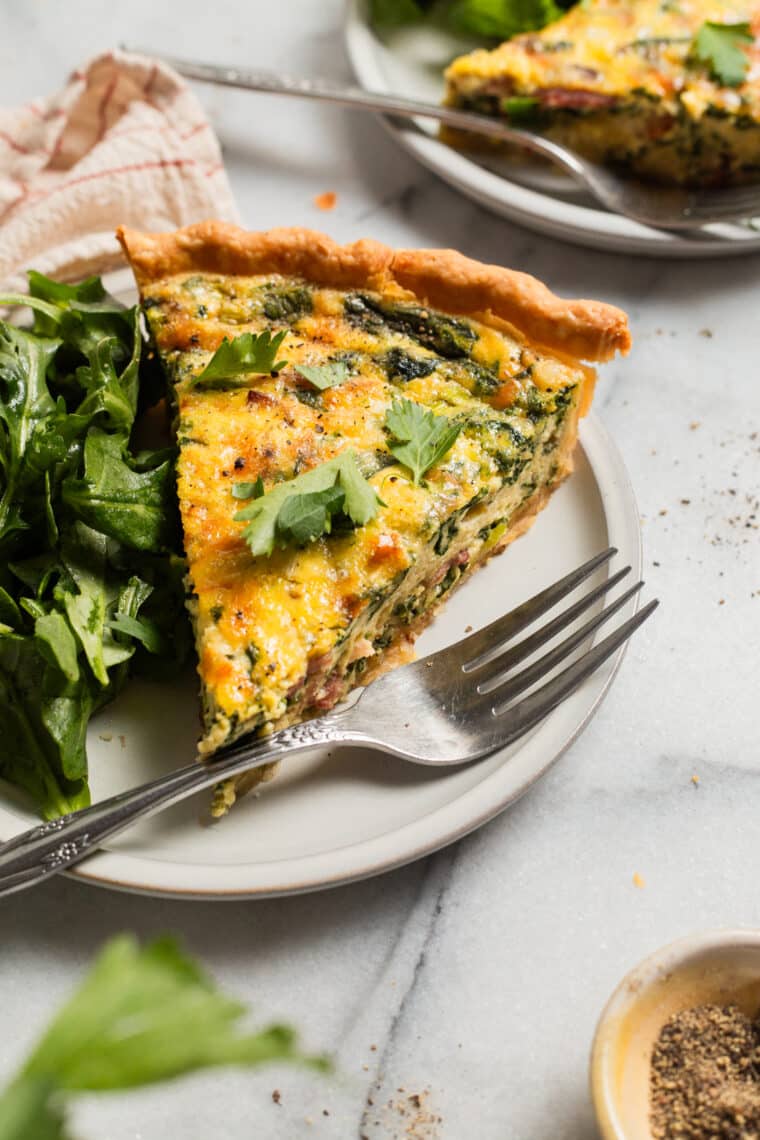
At its core, a quiche is a savory tart consisting of a rich, creamy egg custard baked within a flaky pastry crust. Originating in the German region of Lorraine, the dish has evolved significantly over centuries, becoming a staple in French cuisine and subsequently, a global favorite. The fundamental components – eggs, dairy, and a crust – offer a versatile canvas for an infinite array of fillings, from the traditional Quiche Lorraine with bacon and cheese to vibrant vegetable medleys and heartier meat additions.
It’s crucial to distinguish quiche from its close relative, the frittata. While both dishes feature a base of whisked eggs, the frittata notably omits the pastry crust, resulting in a denser, more omelet-like consistency. Quiche, on the other hand, derives its signature elegance and textural contrast from its buttery, crisp foundation.
The Allure of Homemade: Why This Recipe Shines

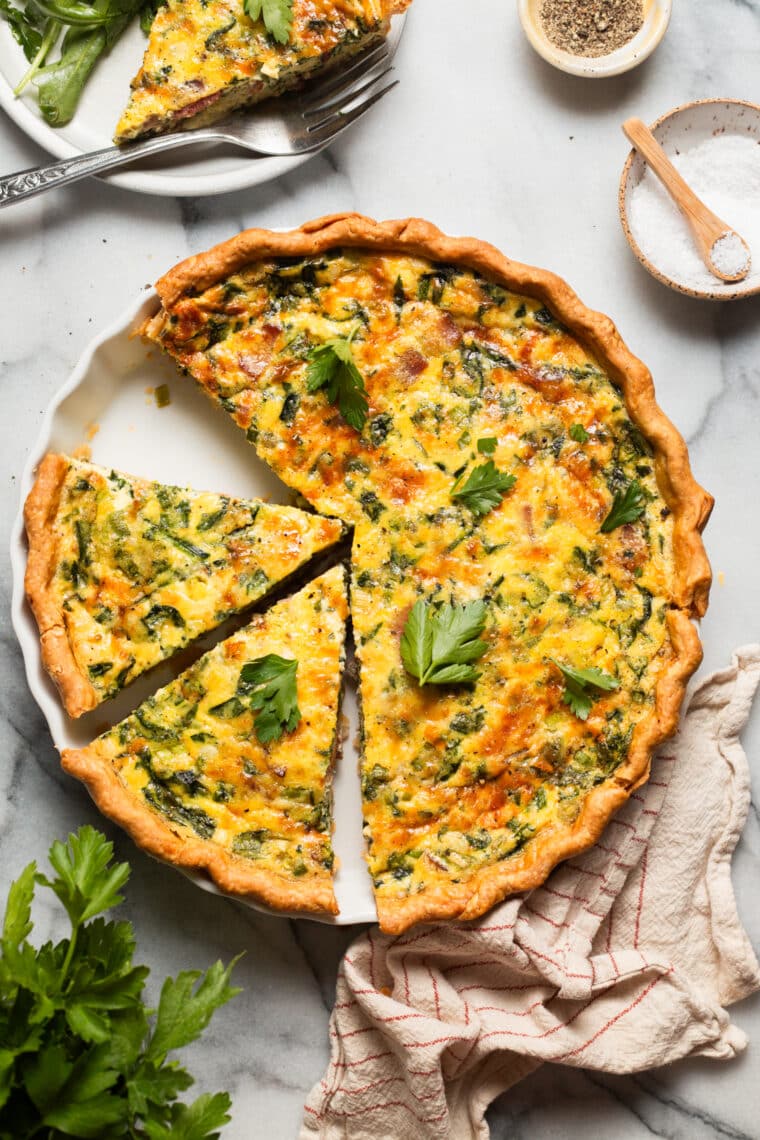
This particular approach to quiche-making champions ease and deliciousness, particularly through the strategic use of store-bought pie dough. This element significantly streamlines the preparation process, allowing home cooks to focus on achieving a sublime custard and perfectly baked filling. The result is a quiche that boasts a creamy, silky custard cradled by a golden-brown, flaky crust – a testament to the fact that gourmet results can indeed be achieved with minimal fuss.
The recipe’s flexibility is another key selling point. It serves as a foundational blueprint, encouraging experimentation with a wide variety of fillings. This adaptability ensures that the quiche can be tailored to any palate, occasion, or available ingredients, making it a go-to dish for brunches, light lunches, dinners, or even elegant appetizers.
Key Ingredients for Quiche Perfection
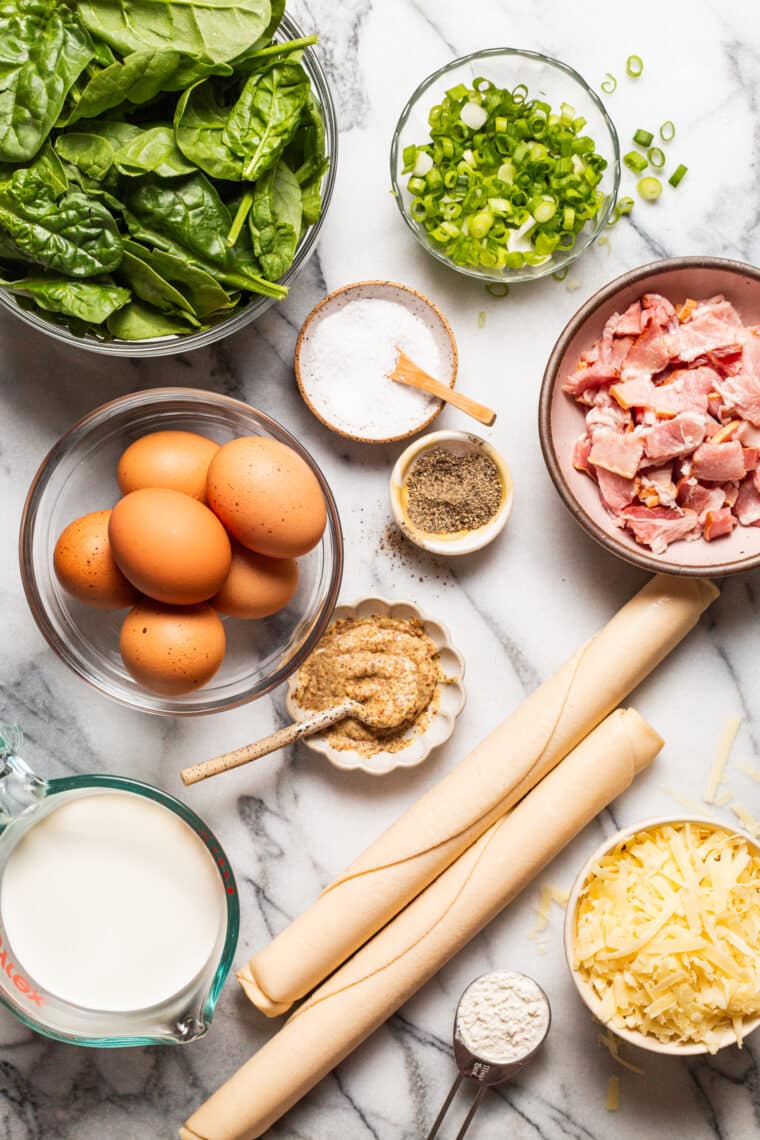
The success of any quiche hinges on the quality and balance of its core ingredients. This recipe highlights several key components that contribute to its superior outcome:
- Pie Dough: The recipe advocates for utilizing two store-bought pie crusts. This thoughtful approach accounts for the tendency of modern pre-made crusts to be smaller in diameter, providing ample dough to properly line a slightly larger quiche dish. This ensures a well-formed crust with a beautifully crimped edge, contributing to both the visual appeal and structural integrity of the finished dish.
- Eggs: As the foundation of the custard, eggs are paramount. They act as the primary binder, transforming liquid ingredients into a smooth, rich, and savory filling that holds its form beautifully after baking.
- Dairy: The choice of dairy significantly impacts the custard’s texture. While milk, half-and-half, or heavy cream can be used, half-and-half strikes an ideal balance. It imparts a luxurious creaminess without being overly heavy, offering a rich mouthfeel that is both satisfying and elegant. For a lighter version, whole milk can be substituted, while heavy cream will yield an exceptionally rich and decadent custard.
- Flour: A small addition of all-purpose flour (approximately one tablespoon) plays a crucial role in achieving a perfectly smooth custard. This seemingly minor ingredient acts as a stabilizer, helping to absorb excess moisture and prevent the custard from curdling during the baking process. The result is a consistently creamy texture throughout.
- Fillings: The heart of any quiche lies in its fillings. The recipe suggests the classic combination of bacon and spinach, a tried-and-true pairing that offers a delightful interplay of smoky, savory, and earthy flavors. However, the true beauty of this recipe lies in its adaptability, inviting the incorporation of a vast array of meats, vegetables, and cheeses.
- Cheese: Cheese not only adds flavor but also contributes to the richness and binding of the custard. Gruyere cheese is often lauded for its nutty, savory, and creamy characteristics, making it a prime choice. However, other excellent options include sharp cheddar, Swiss, fontina, goat cheese, or feta, each offering a unique flavor profile.
The Art of Preparation: A Step-by-Step Approach
Crafting this easy quiche involves a straightforward process that can be mastered by cooks of all skill levels.
- Preheat and Prepare the Crust: Begin by preheating your oven to the specified temperature. The crust is typically prepared by fitting one pie crust into a quiche dish. A crucial step for ensuring a perfectly cooked crust, especially with a wet filling, is "blind baking" or pre-baking. This involves lining the crust with parchment paper and filling it with pie weights (such as ceramic balls or dried beans) to prevent the dough from puffing up or collapsing. The crust is then baked for a preliminary period before the filling is added.
- Prepare the Fillings: While the crust is pre-baking, prepare your chosen fillings. This might involve sautéing vegetables, cooking bacon until crisp, or dicing and pre-cooking any meats. Grating cheese and ensuring all ingredients are ready for assembly is also part of this stage.
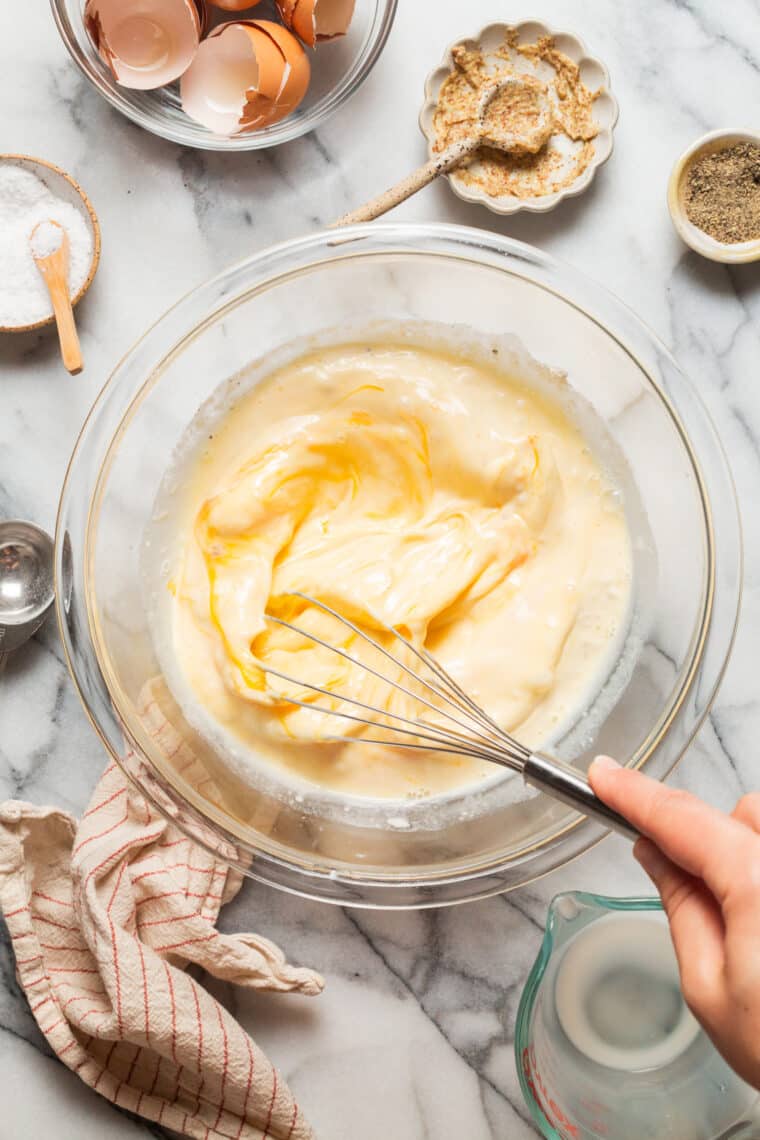
- Whisk the Custard: In a separate bowl, whisk together the eggs, chosen dairy (half-and-half, milk, or cream), flour, and any desired seasonings like salt, pepper, and a pinch of nutmeg for warmth. The goal is a smooth, homogenous mixture.
- Assemble the Quiche: Once the crust has been partially baked and the weights removed, arrange your prepared fillings evenly within the crust. If using ingredients like spinach or bacon, ensure they are distributed throughout.
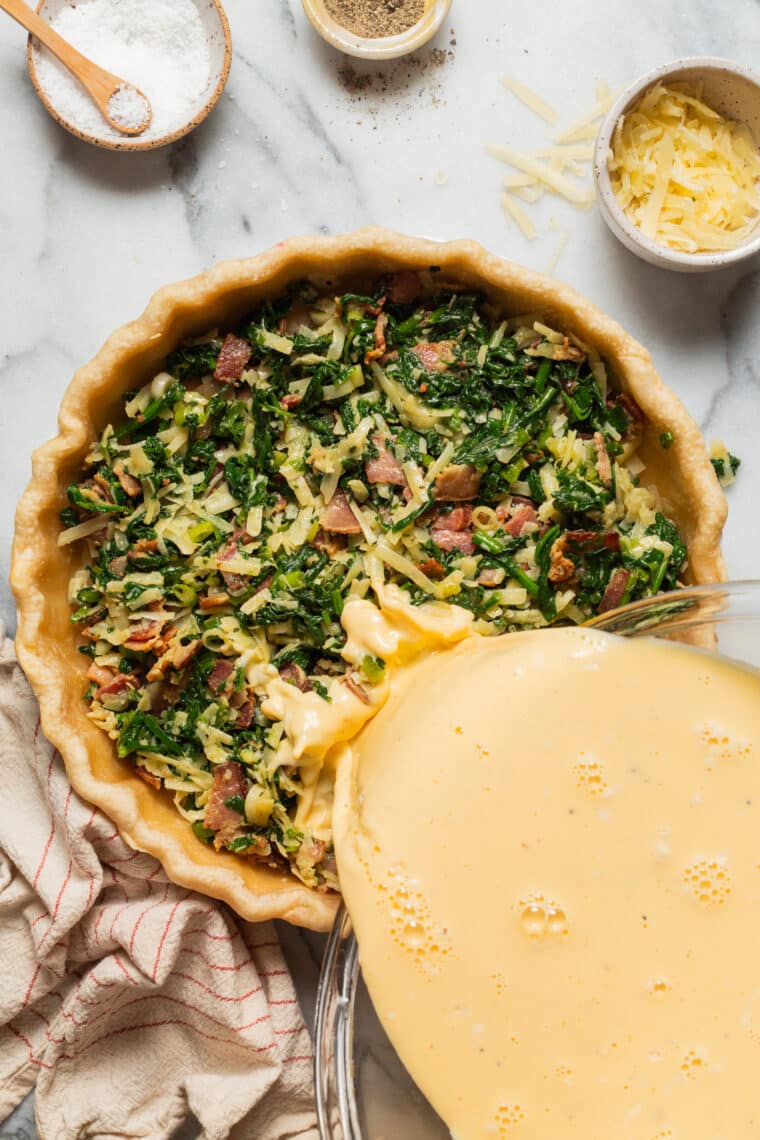
- Pour and Bake: Carefully pour the egg custard mixture over the fillings, ensuring it fills any gaps and reaches the desired level. The quiche is then baked until the custard is set and the crust is golden brown. The internal temperature should reach a safe level, indicating the eggs are fully cooked.
- Cool and Serve: Allowing the quiche to cool for a short period (at least 10 minutes) after baking is essential. This resting phase allows the custard to fully set, ensuring clean, neat slices when served. Quiche can be enjoyed warm, at room temperature, or even cold, offering remarkable versatility.
A World of Flavor Combinations
The true magic of quiche lies in its endless possibilities for flavor. Here are some popular and delicious combinations to inspire your culinary creativity:
- Quiche Lorraine: The timeless classic, featuring crisp bacon and nutty Gruyere or Swiss cheese.
- Spinach and Feta: A lighter, Mediterranean-inspired option with sautéed spinach and the tangy, salty punch of crumbled feta cheese.
- Ham and Swiss: A hearty and comforting choice with diced cooked ham, sweet caramelized onions, and the mild, nutty flavor of Swiss cheese.
- Broccoli and Cheddar: A family-friendly favorite, combining tender cooked broccoli florets with sharp, flavorful cheddar cheese.
- Vegetable Medley: Embrace seasonal produce by incorporating caramelized onions, sautéed bell peppers, zucchini, mushrooms, or even roasted root vegetables.
- Leafy Greens: Elevate your quiche with sautéed spinach, Swiss chard, kale, peppery arugula, or delicate watercress.
- Flavorful Add-ins: Don’t forget the finishing touches! A touch of Dijon mustard in the custard adds a subtle tang, while fresh herbs like dill, thyme, rosemary, basil, or parsley can infuse vibrant aromas. Spices such as nutmeg, paprika, or a pinch of crushed red pepper flakes can further enhance the complexity of the flavors.
Pro Tips for Culinary Excellence
To ensure your homemade quiche is a resounding success, consider these expert tips:
- Blind Baking is Key: As mentioned, blind baking the crust is a critical step for preventing a soggy bottom. This pre-bake creates a barrier that protects the crust from the moisture of the custard, resulting in a perfectly crisp base.
- Custard Consistency: The ratio of eggs to dairy is crucial for achieving the perfect custard. Too few eggs, and it may be too runny; too many, and it can become rubbery. The recipe’s proportions are carefully balanced for a silken texture.
- Don’t Overfill: Avoid overfilling the pie crust with fillings. This can lead to an uneven bake and potentially cause the custard to overflow.
- Accurate Baking Temperature: Use an oven thermometer to ensure your oven is calibrated accurately. An incorrect temperature can lead to over-baking, resulting in a dry quiche, or under-baking, leaving the custard unset.
- Resting Period: Patience is a virtue when it comes to quiche. Allowing it to cool for at least 10 minutes post-baking is essential for the custard to firm up, ensuring clean slices and preventing a messy presentation.
Storage and Reheating
Leftover quiche is a culinary gift that keeps on giving. It can be stored in an airtight container in the refrigerator for up to 3-4 days. To reheat, a moderate oven temperature of around 300°F (150°C) is ideal, allowing the quiche to warm through gently without drying out the crust or overcooking the custard. This method ensures that the quiche retains much of its original texture and flavor.
Conclusion: A Culinary Triumph within Reach
The pursuit of a delicious, homemade quiche is no longer an undertaking reserved for seasoned pastry chefs. By leveraging simple techniques and understanding the core principles of this classic dish, anyone can create a quiche that is both impressive and deeply satisfying. The adaptability of the recipe, coupled with its emphasis on ease and flavor, makes it an invaluable addition to any home cook’s repertoire, promising delightful culinary experiences for years to come.