

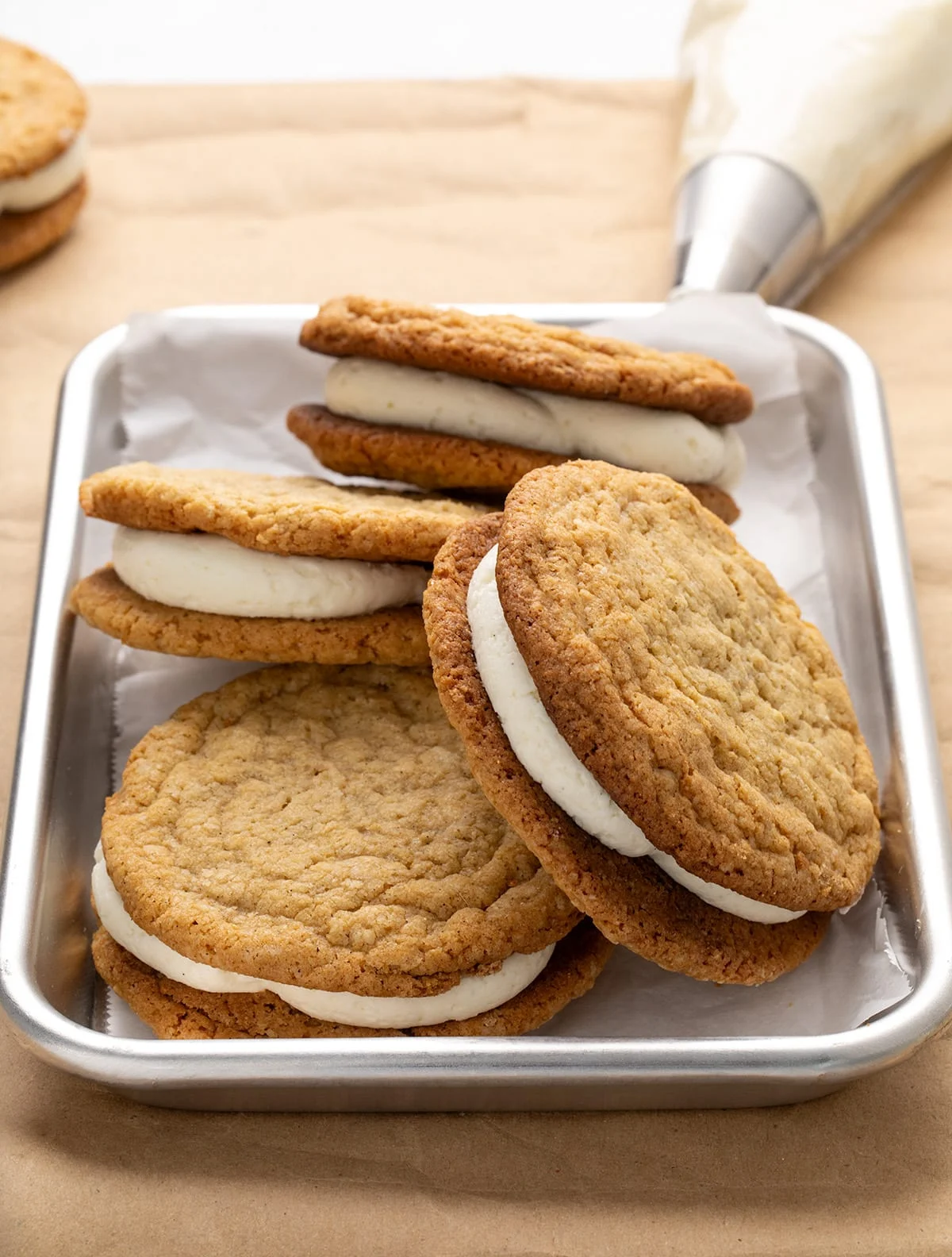
This comprehensive guide delves into the creation of a delectable gluten-free oatmeal cream pie, offering a homemade alternative to the beloved Little Debbie classic. The recipe focuses on achieving a thin, chewy cookie texture, perfectly complemented by a sweet, vanilla-infused cream filling. This detailed exploration aims to equip home bakers with the knowledge and techniques necessary to replicate this nostalgic treat with precision and ease, ensuring a satisfying culinary experience for those managing gluten sensitivities or simply seeking a delicious homemade dessert.
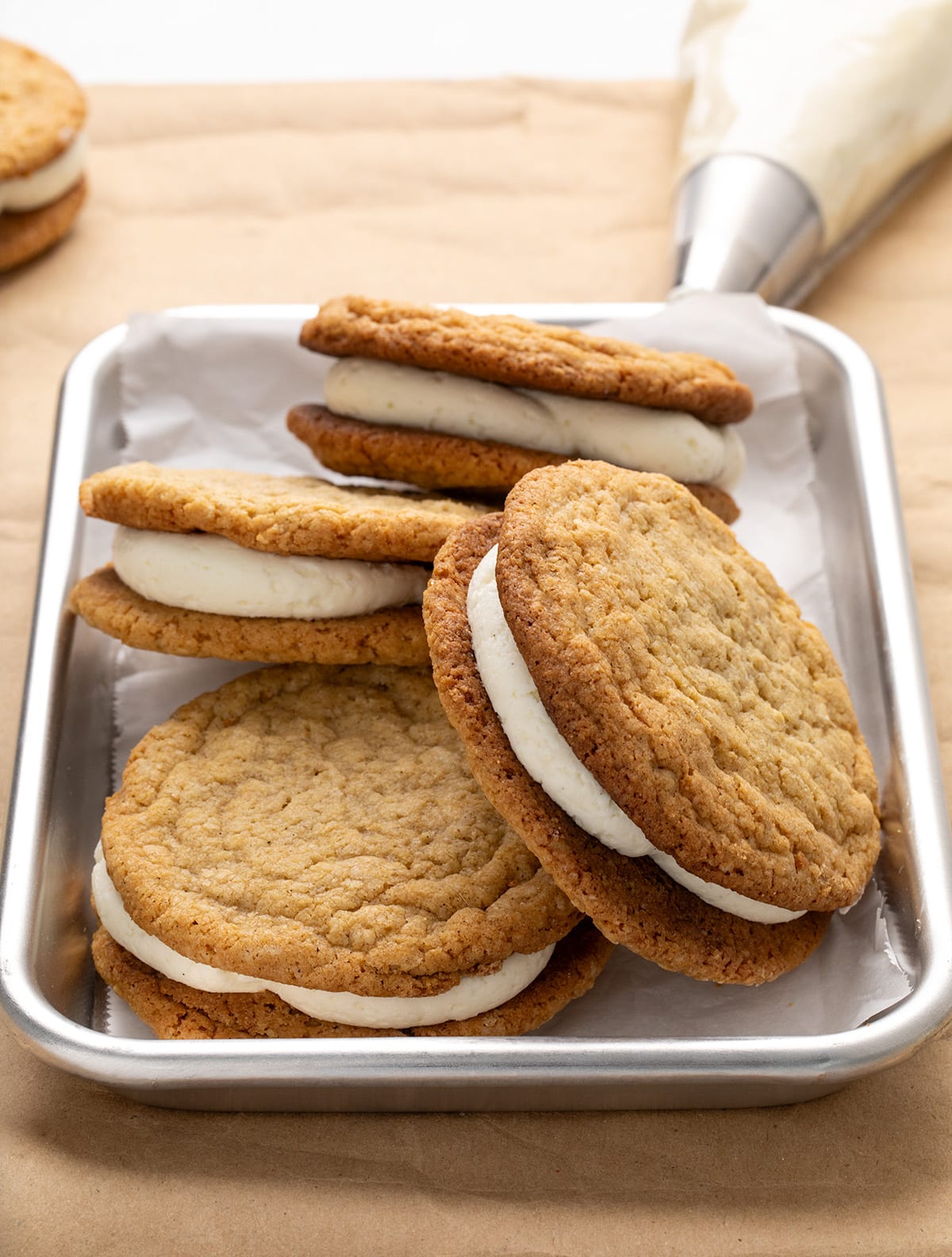
The Allure of the Oatmeal Cream Pie: A Culinary Icon
The oatmeal cream pie holds a special place in the hearts of many, evoking childhood memories and simple pleasures. Its unique combination of a soft, slightly spiced oatmeal cookie and a rich, creamy center has cemented its status as a pantry staple and a beloved snack cake. However, for individuals adhering to a gluten-free diet, enjoying this classic treat often requires finding suitable alternatives. This recipe aims to bridge that gap, providing a from-scratch solution that honors the original’s texture and flavor profile without compromising on gluten-free integrity.
Achieving the Perfect Texture: The Science Behind the Chew
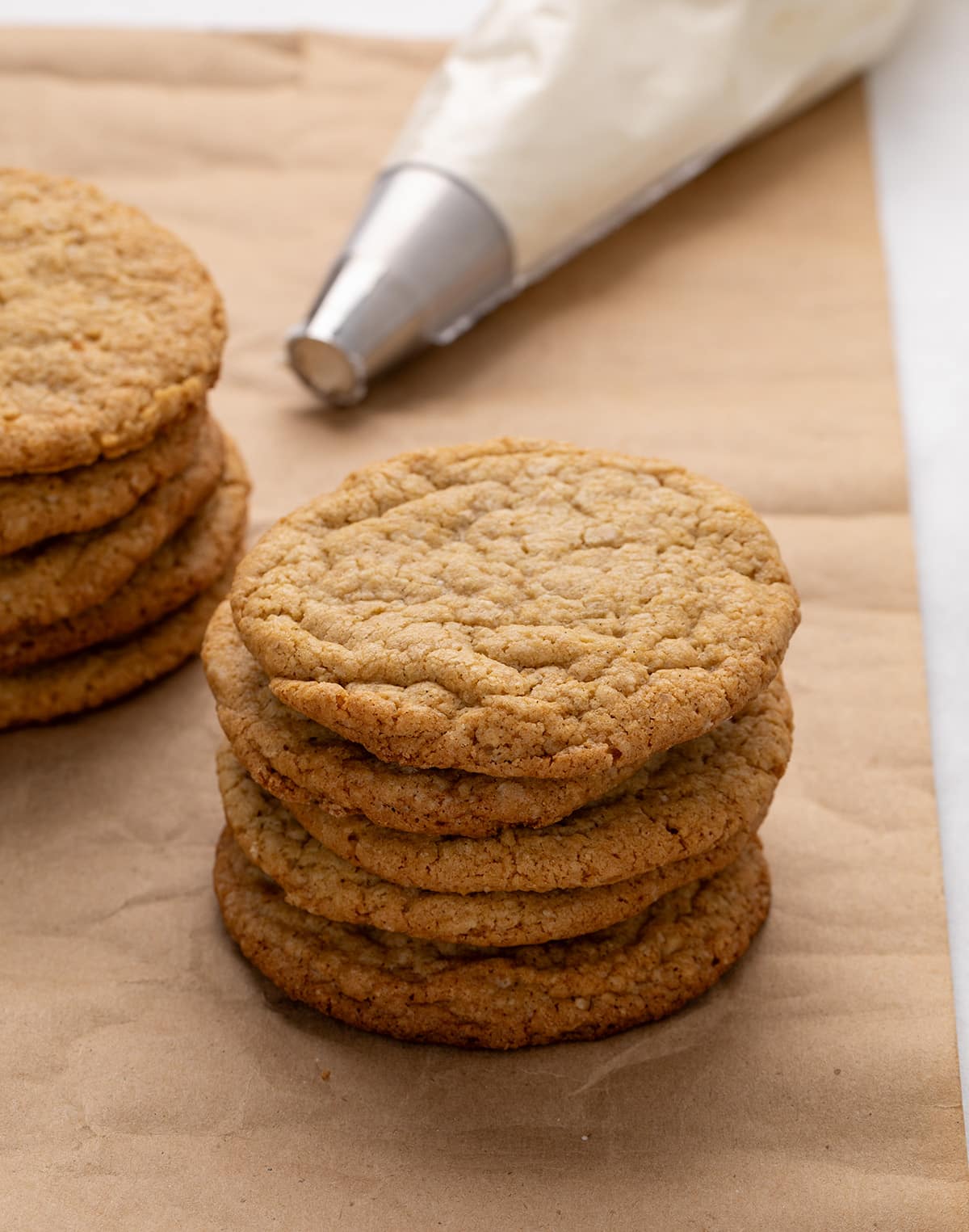
Many gluten-free baked goods can fall into the trap of being either too cakey or too crumbly, failing to capture the desired chewy essence of traditional cookies. This recipe meticulously addresses this challenge through a thoughtful approach to its ingredients and preparation methods.
A key element in achieving the signature chewiness is the treatment of the oats. Instead of being ground into a fine flour, the oats are processed just enough to break them down, retaining a slight texture that contributes to the cookie’s cohesive structure and authentic oatmeal flavor. This partial processing prevents the cookies from becoming overly dense or hearty, while still delivering the satisfying mouthfeel associated with quality oatmeal cookies.
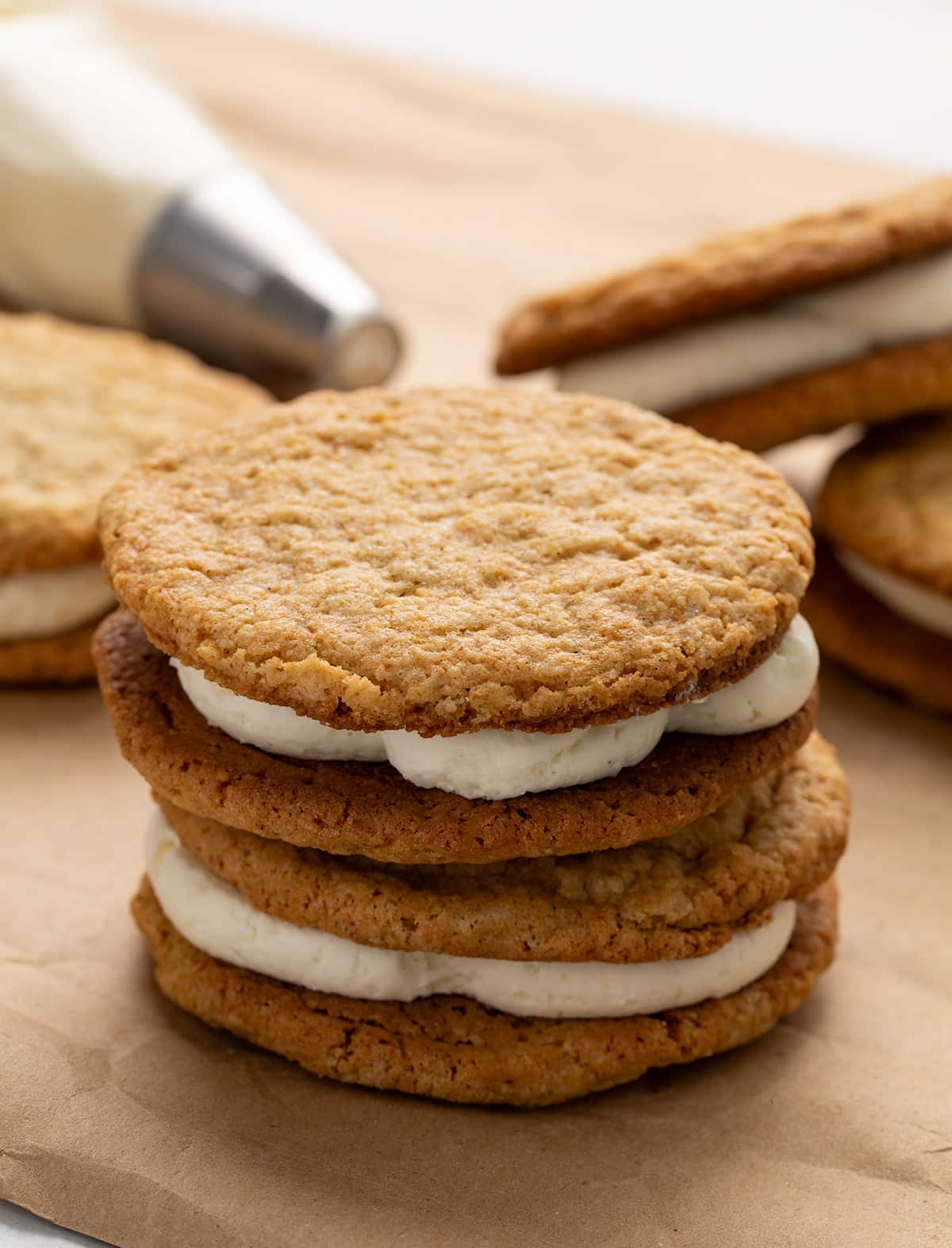
The recipe’s success hinges on a delicate balance of ingredients designed to promote spread and chew. Unlike traditional gluten-free cookies that might be thicker and more cake-like, these are intentionally crafted to be thin and yielding. The resulting texture, characterized by a lightly crinkled surface and a soft, pliable crumb, is a testament to the careful formulation of the dough. This attention to detail ensures that the gluten-free version stands as a faithful and delightful rendition of the original.
The Sweet Embrace of the Filling: Stability and Flavor
The creamy filling is equally crucial to the oatmeal cream pie experience. This recipe employs a sweet buttercream, enhanced with a touch of meringue powder. This seemingly small addition plays a significant role in the overall success of the dessert. Meringue powder, a common ingredient in baking for its stabilizing properties, helps to ensure that the filling remains fluffy and structurally sound at room temperature. This prevents the common issue of fillings softening or separating after a few hours, a frequent concern with buttercream-based desserts, especially in warmer environments. The result is a consistently delightful creamy layer that complements the chewy cookies perfectly.
Essential Ingredients for Gluten-Free Perfection
The creation of these gluten-free oatmeal cream pies relies on a specific set of ingredients, each contributing to the final taste and texture. Understanding the role of each component can empower bakers to make informed decisions and potential substitutions.
For the Cookies:
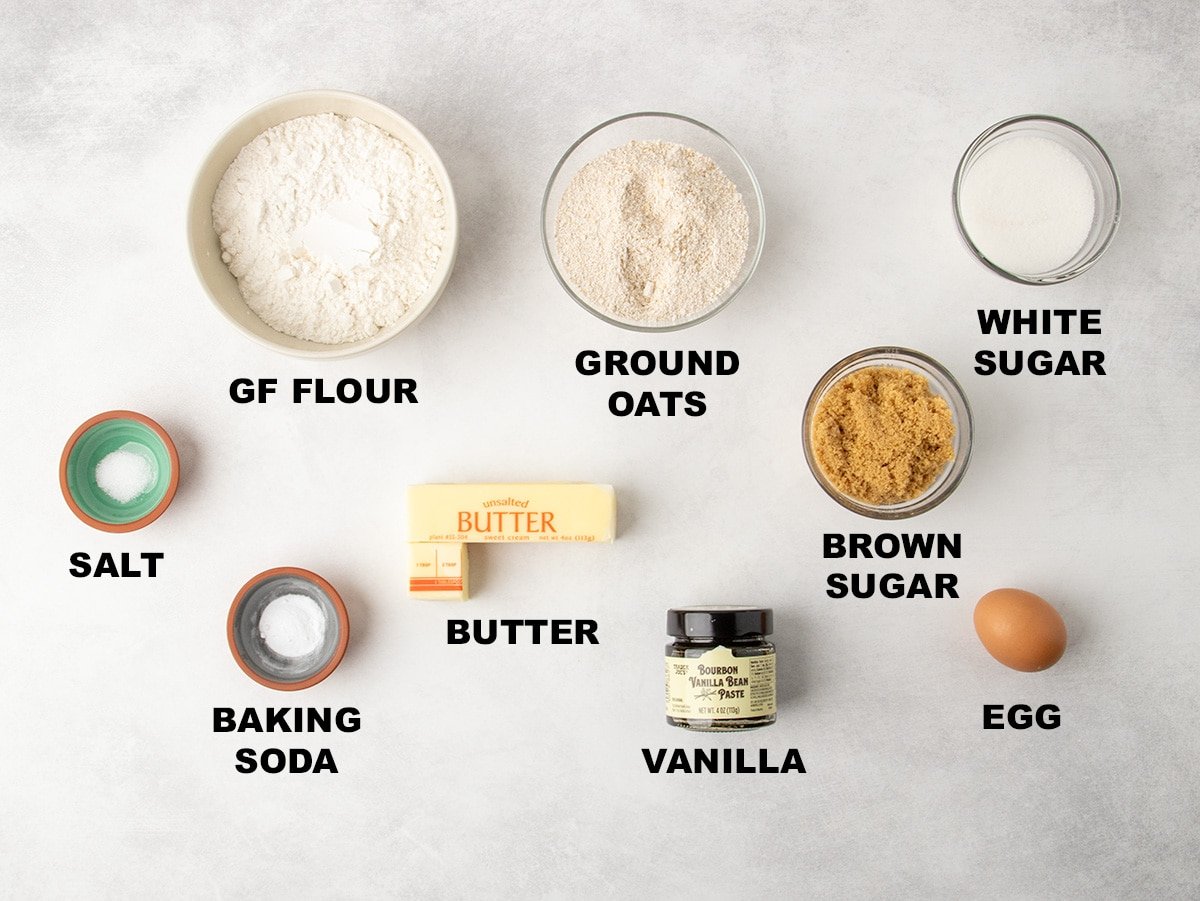
- Gluten-Free Flour Blend: The foundation of the cookie, a well-balanced blend is crucial. Recommendations include Better Batter’s original blend, Nicole’s Best multipurpose plus xanthan gum, or Bob’s Red Mill 1-to-1 gluten-free flour (with an added 1/8 teaspoon of xanthan gum for enhanced cohesion). The inclusion of xanthan gum is vital for providing structure and preventing the cookies from crumbling, a common challenge in gluten-free baking.
- Ground Oats: As mentioned, partially processed oats are key to the chewy texture. They provide an authentic oatmeal flavor and contribute to the cookie’s overall integrity.
- Granulated Sugar and Light Brown Sugar: These sugars not only contribute sweetness but also play a role in the cookie’s texture and spread. Brown sugar, in particular, adds moisture and a subtle caramel note.
- Baking Soda: A leavening agent that helps the cookies spread and achieve their characteristic thinness.
- Salt: Enhances the overall flavor profile and balances the sweetness.
- Unsalted Butter: Provides richness, tenderness, and contributes to the cookie’s spread. Using unsalted butter allows for greater control over the final salt content.
- Egg: Acts as a binder, contributing to the structure and richness of the cookies.
- Vanilla Extract: Adds depth of flavor and aroma.
For the Filling:
- Unsalted Butter: The base of the creamy filling, providing a rich and smooth texture.
- Milk: Helps to achieve the desired consistency for the filling.
- Confectioners’ Sugar: Provides sweetness and helps to thicken the filling to a pipeable consistency.
- Vanilla Extract: Enhances the sweet flavor of the filling.
- Meringue Powder: Crucial for stabilizing the filling, ensuring it holds its shape and doesn’t soften.
Step-by-Step Guide to Crafting Gluten-Free Oatmeal Cream Pies
The process of creating these gluten-free oatmeal cream pies is straightforward, with each step designed to build upon the last for a successful outcome.
Making the Cookies:
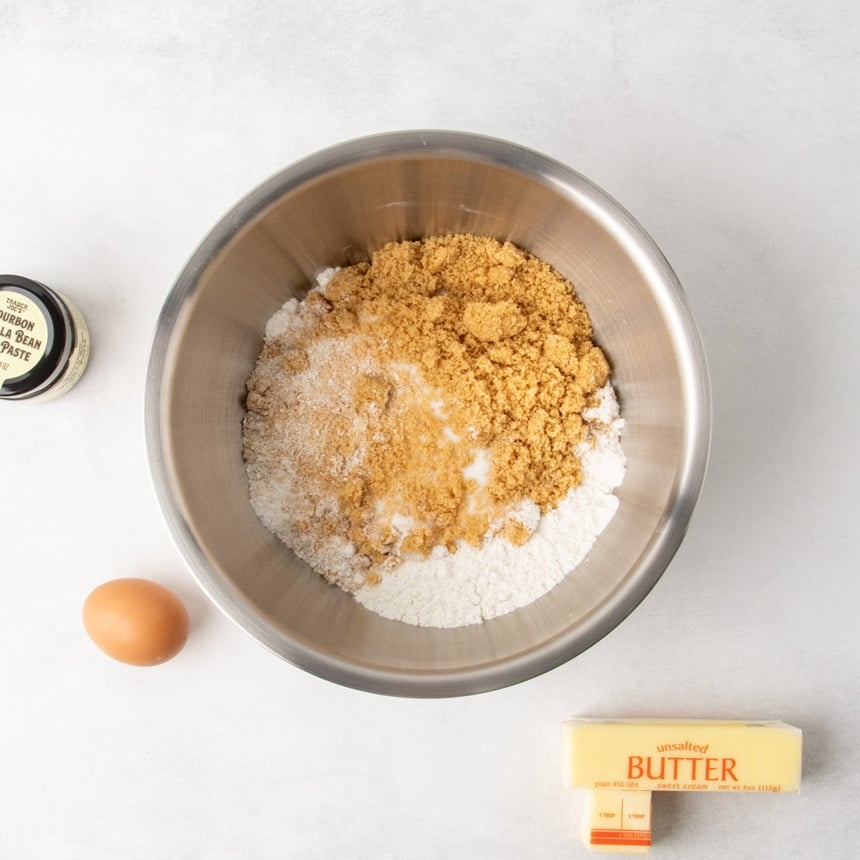
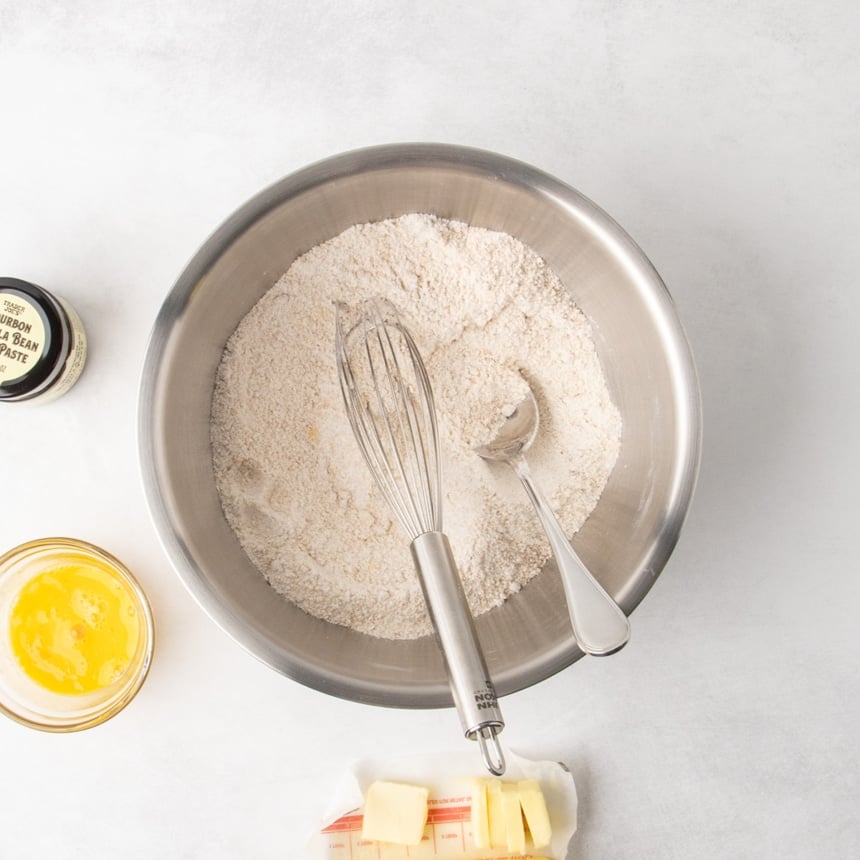
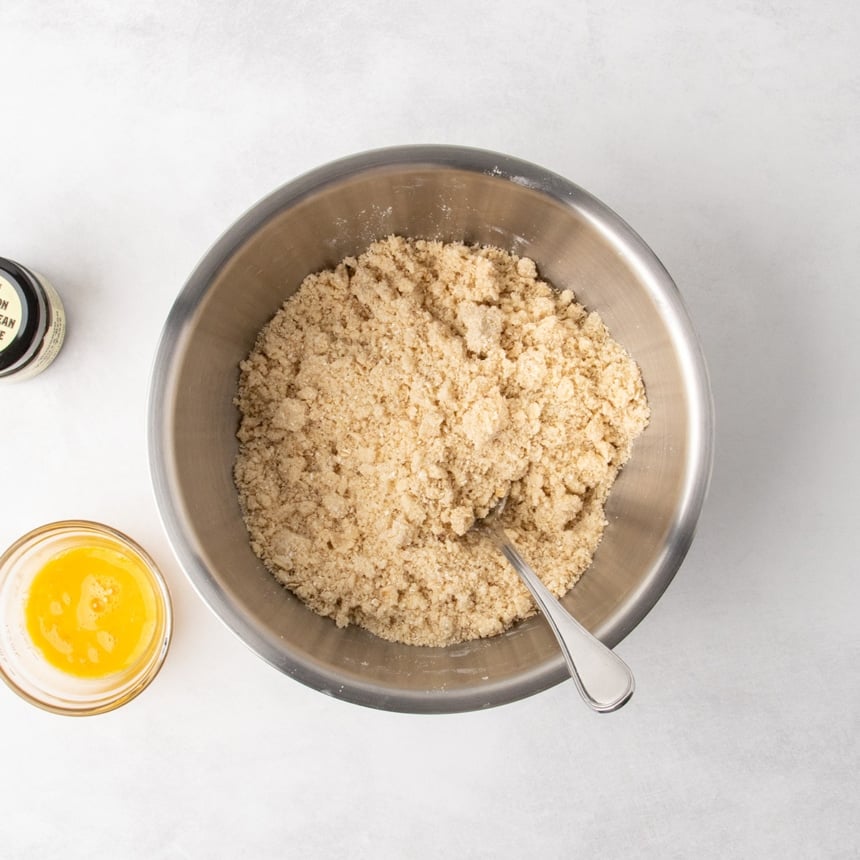
- Combine Dry Ingredients: In a mixing bowl, thoroughly whisk together the gluten-free flour blend, ground oats, granulated sugar, light brown sugar, baking soda, and salt. This ensures even distribution of all dry components, preventing any pockets of unmixed ingredients.
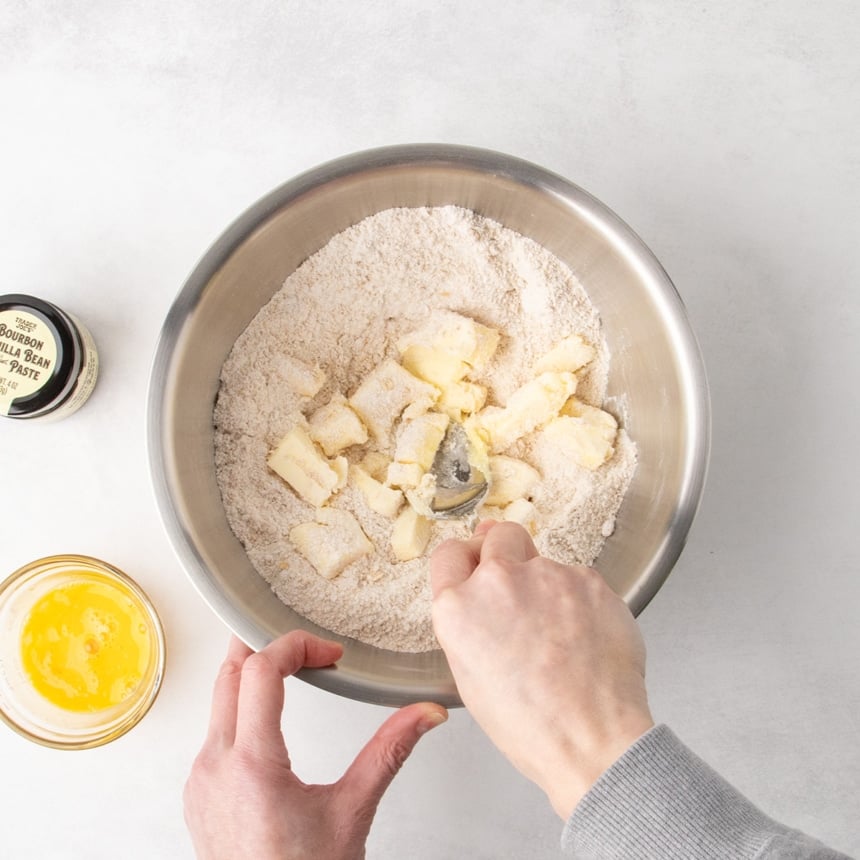
- Incorporate Butter: Add chunks of room-temperature butter to the dry ingredients. Using the underside of a mixing spoon, press the butter firmly into the mixture until it resembles coarse, moistened crumbs. This method ensures the butter is evenly distributed, coating the dry ingredients and contributing to controlled spread during baking.
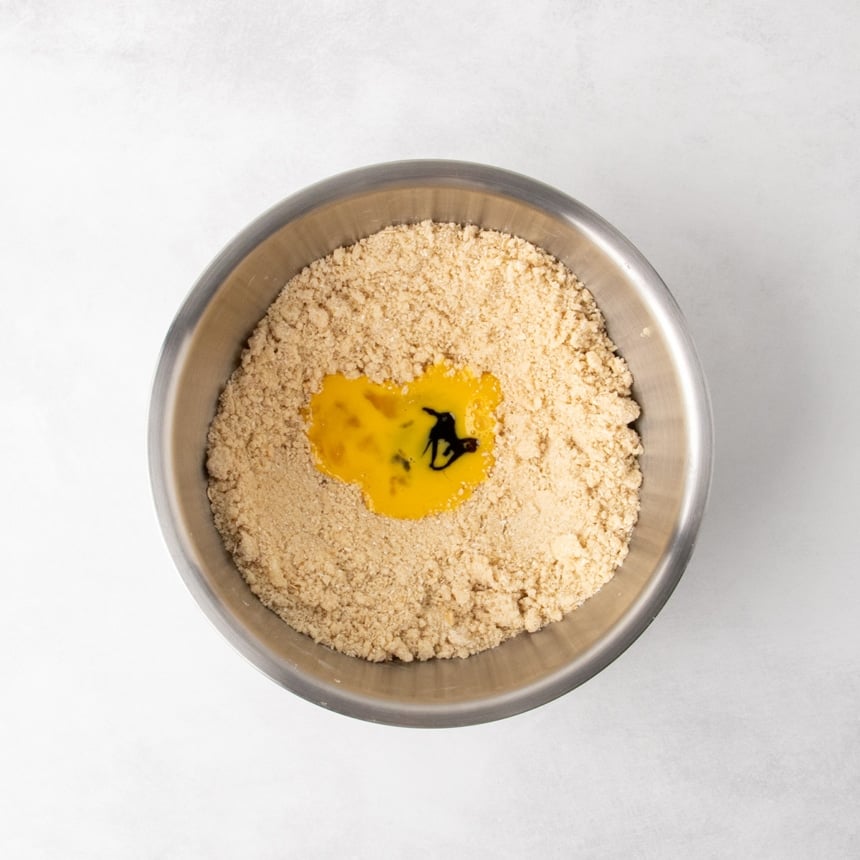
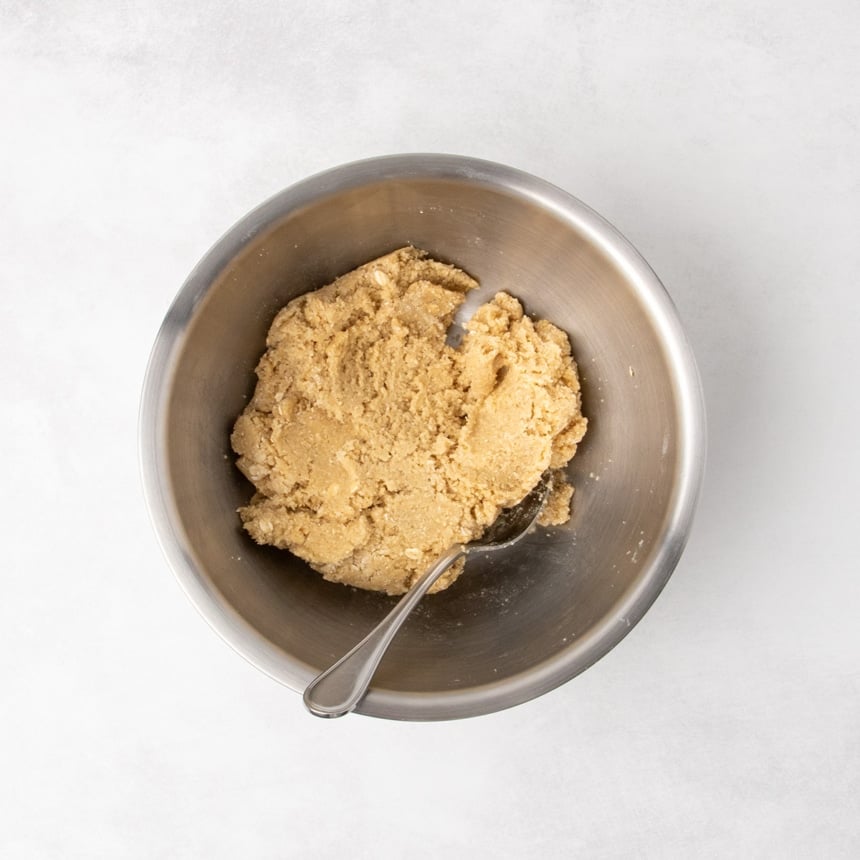
- Add Wet Ingredients: Create a well in the center of the bowl. Add the beaten egg and vanilla extract to this well. Gently mix everything together until a smooth, cohesive, and light brown cookie dough forms. The dough should be thick and somewhat stiff, but not dry.
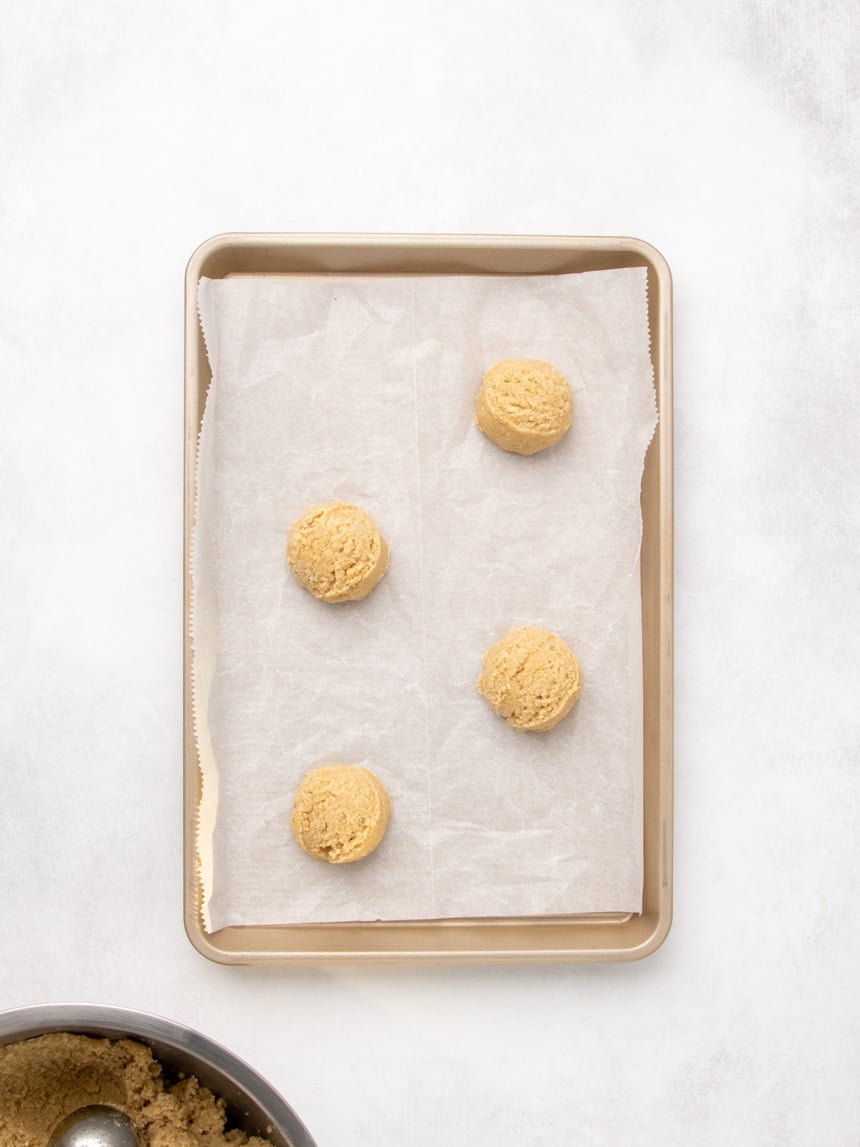
- Portion the Dough: Using a medium-sized ice cream scoop (approximately a #40 scoop, or an OXO medium scoop), portion the dough. Each portion should weigh around 2 ounces. It is important not to chill the cookie dough before baking, as this can negatively impact the spread and chewiness.
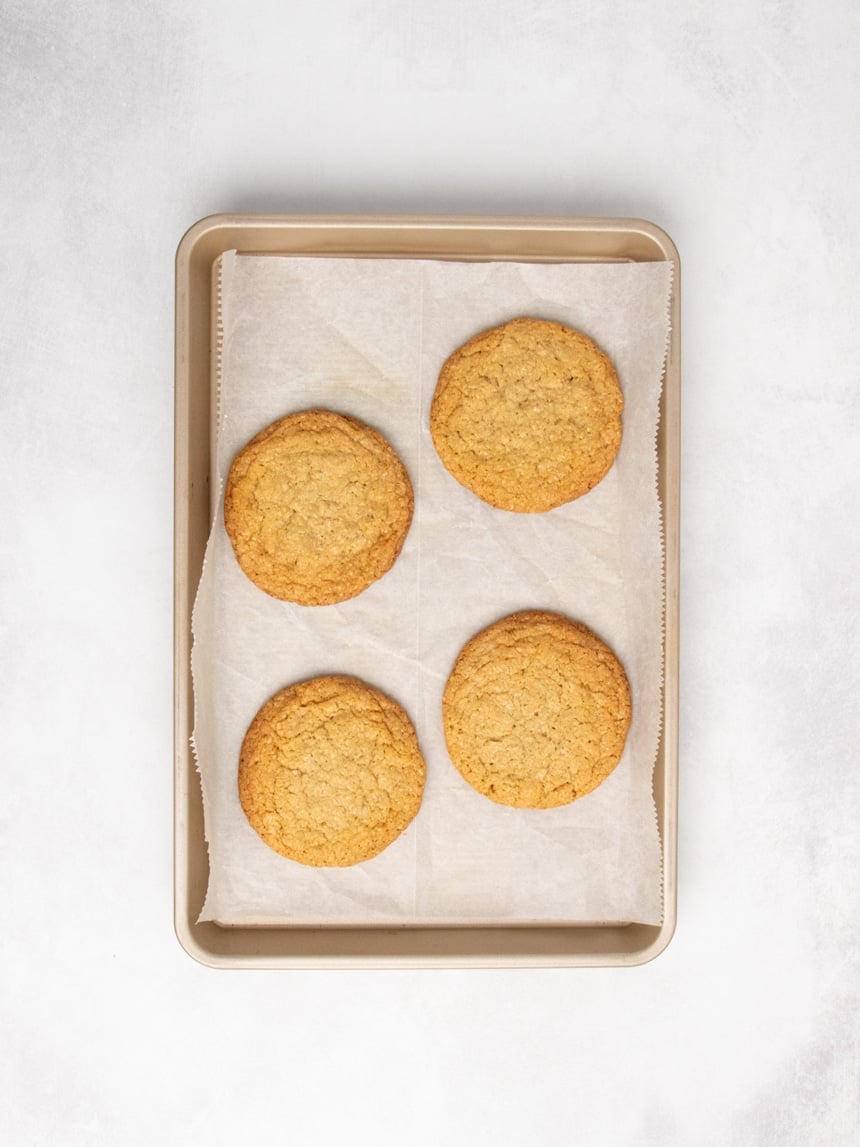
- Bake the Cookies: Place the dough portions onto baking sheets lined with parchment paper, ensuring at least 2 inches of space between each one to allow for spreading. Bake until the cookies are lightly golden brown all over and have spread to approximately 4 inches in diameter.
- Cool the Cookies: Once baked, allow the cookies to cool on the baking sheet for about 10 minutes. This initial cooling period allows them to firm up slightly before being transferred to a wire rack to cool completely.
Preparing the Filling:
- Cream Butter and Liquids: In a separate bowl, use an electric mixer (a handheld mixer works well) to cream the butter, milk, and vanilla extract until smooth and creamy.
- Add Confectioners’ Sugar: Gradually add the confectioners’ sugar, mixing until the filling reaches a spreadable consistency that holds its shape but is soft enough for piping.
- Incorporate Meringue Powder: Add the meringue powder and continue to mix until well incorporated. This step is critical for the filling’s stability.
Assembling the Pies:
- Pipe the Filling: Transfer the prepared filling into a piping bag fitted with a large open tip. Alternatively, a zip-top bag with a corner snipped off can be used.
- Form the Sandwiches: Pipe a generous layer of filling onto the underside of half of the cooled cookies. For an authentic look, create a three-leaf clover shape with the filling.
- Complete the Pies: Gently press the remaining cookies on top of the filling to create the classic sandwich cookie structure.
Addressing Dietary Needs: Ingredient Substitutions
For bakers managing specific dietary restrictions, thoughtful substitutions can ensure that everyone can enjoy these delightful treats.
Dairy-Free Adaptations:
- Butter Replacement: For a dairy-free version, opt for a block-style vegan butter such as Melt, Miyoko’s, or Trader Joe’s brand. It is important to note that vegan butters may cause the cookies to spread slightly more. To compensate, an additional 10 grams of gluten-free flour blend can be added to the cookie dough. The filling is less susceptible to melting issues, and the meringue powder remains essential for its structure.
Egg-Free Alternatives:
- Egg Replacement: To create an egg-free cookie, the single egg can be substituted with a chia egg or a flax egg. While a flax egg may impart a slight bitter flavor, it is often unnoticeable in a single serving. Another option is to increase the gluten-free flour blend by 10 grams and incorporate 25 grams of plain, Greek-style yogurt. For the filling, simply omit the meringue powder to maintain an egg-free composition. Adjust the milk quantity slightly to ensure the filling remains firm enough.
Storage and Enjoyment
Once assembled, these gluten-free oatmeal cream pies can be stored in an airtight glass container at room temperature for up to 5 days, retaining their desirable texture. For longer preservation, unfilled cookies can be tightly wrapped in freezer-safe material and frozen for up to two months. Upon defrosting at room temperature, they can then be filled as directed. Alternatively, the filled pies can be individually wrapped and frozen, then thawed at room temperature before serving.
The creation of these gluten-free oatmeal cream pies offers a delightful journey into recreating a beloved classic. By understanding the nuances of gluten-free baking and employing the techniques outlined, bakers can consistently produce a treat that is not only safe for those with gluten sensitivities but also a truly satisfying and nostalgic indulgence for all.