

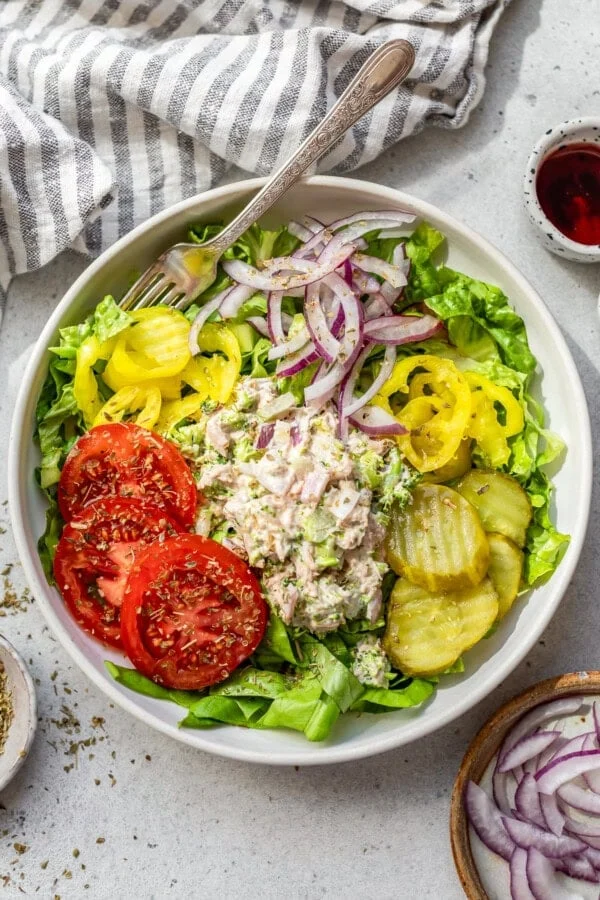
The culinary landscape is continually evolving, driven by shifting dietary preferences, a growing emphasis on health, and the persistent demand for convenience. In this dynamic environment, a new iteration of a classic deli staple has emerged: the "Tuna Sub-in-a-Tub." This deconstructed sandwich, stripping away the traditional bread in favor of a vibrant medley of creamy tuna salad and crisp vegetables served in a bowl, is rapidly gaining popularity among a diverse demographic seeking nutritious, low-carb, and gluten-free meal options. Pioneered by influential food platforms, this dish is not merely a recipe but a reflection of broader trends in contemporary eating habits.
The Evolution of Deli Favorites into Health-Focused Meals

The concept of transforming beloved deli sandwiches into salads or "bowls" is not entirely new but has seen a significant surge in recent years. Traditional deli subs, while offering satisfying flavors and textures, often come with a substantial carbohydrate load from large portions of bread. As consumers increasingly scrutinize macronutrient intake and seek alternatives to refined grains, the idea of enjoying the core components of a sandwich without the bread has become highly appealing. The "Tuna Sub-in-a-Tub," explicitly inspired by popular offerings from chains like Jersey Mike’s, epitomizes this trend, providing the familiar creamy texture of tuna salad, the refreshing crunch of assorted vegetables, and the tangy zest of a classic sub dressing, all without the bread. This adaptation speaks to a broader movement where individuals are actively seeking ways to enjoy comfort foods in formats that align with their health goals, such as those adhering to ketogenic, low-carb, or gluten-free diets. Another notable example of this trend, often highlighted alongside the tuna variation, is the "Italian Sub Salad," which similarly deconstructs another popular deli item into a lighter, vegetable-forward meal.
Addressing Modern Dietary Demands: Low-Carb, Keto, and Gluten-Free Lifestyles
The primary driver behind the "Tuna Sub-in-a-Tub’s" ascent is its inherent suitability for several prevalent dietary frameworks. Low-carbohydrate diets, including the highly popular ketogenic diet, emphasize significantly reducing carbohydrate intake to promote fat burning and metabolic changes. For individuals committed to these regimens, bread is often the first item to be eliminated or severely restricted. By removing the bread, the "Tuna Sub-in-a-Tub" becomes an ideal meal, allowing them to enjoy the rich flavors of a tuna sub without compromising their dietary goals. Similarly, for the millions globally managing celiac disease or non-celiac gluten sensitivity, finding satisfying and safe meal options can be a challenge. This bread-free alternative offers a delicious and worry-free solution, expanding their culinary repertoire.

Beyond specific dietary restrictions, there is a general societal shift towards more mindful eating, with many consumers aiming to reduce processed foods and increase their intake of whole, unprocessed ingredients. The "Tuna Sub-in-a-Tub" aligns perfectly with this ethos, foregrounding protein-rich tuna and an abundance of fresh, crisp vegetables.
Nutritional Profile: The Power of Tuna and Fresh Produce
Tuna, the cornerstone of this dish, is celebrated for its robust nutritional benefits. It is an excellent source of lean protein, essential for muscle repair, satiety, and overall bodily function. A typical serving of tuna salad can provide a significant portion of an individual’s daily protein requirements, contributing to sustained energy levels and reducing the likelihood of mid-day hunger pangs. Furthermore, tuna, particularly varieties like albacore and skipjack, is rich in omega-3 fatty acids (EPA and DHA), which are vital for heart health, brain function, and reducing inflammation. These essential fats are often lacking in modern diets, making tuna a valuable addition. The "Tuna Sub-in-a-Tub" typically contains approximately 16.5 grams of protein per serving, alongside a modest 9 grams of carbohydrates, 19 grams of fat (including healthy fats from mayonnaise and olive oil), and 4 grams of fiber, contributing to a balanced meal with around 265 calories.

The accompanying vegetables are equally crucial, providing essential vitamins, minerals, and dietary fiber. Lettuce, tomatoes, onions, bell peppers, and banana peppers not only add a refreshing crunch and vibrant color but also contribute antioxidants and support digestive health. The combination of protein, healthy fats, and fiber makes the "Tuna Sub-in-a-Tub" a highly satiating meal, helping to manage appetite and support weight management efforts.
The Convenience Factor: A Meal Prep Champion
In today’s fast-paced world, convenience is king. Consumers are constantly seeking meal solutions that require minimal preparation time while still delivering on taste and nutrition. The "Tuna Sub-in-a-Tub" excels in this regard, proving to be an exceptionally low-effort lunch or dinner option. The preparation primarily involves chopping vegetables and combining ingredients for the tuna salad, a process that can be completed in approximately 15 minutes. This makes it an ideal candidate for meal prepping, allowing individuals to prepare multiple servings at the beginning of the week.

For meal prep, the tuna salad can be made in advance and stored separately. The fresh vegetables, such as lettuce, tomatoes, and banana peppers, can be pre-chopped and stored in airtight containers. When it’s time to eat, simply combine the components, drizzle with oil and vinegar, and sprinkle with oregano. This modular approach ensures that the vegetables remain crisp and fresh, preventing sogginess, and maintaining the appealing texture that is central to the dish’s appeal. The ability to quickly assemble a nutritious meal on busy days is a significant draw, reducing reliance on less healthy takeout options.
Culinary Innovation and Community Engagement in the Digital Age
The propagation and refinement of recipes like the "Tuna Sub-in-a-Tub" are heavily influenced by online food communities and influential food bloggers. Platforms such as Skinnytaste, known for its focus on healthy and accessible recipes, play a pivotal role in introducing and popularizing such culinary innovations. These communities often serve as testing grounds, where new recipes are shared, evaluated, and refined based on user feedback before wider publication. For instance, the creator of the "Tuna Sub-in-a-Tub" recipe mentioned testing it within her private Skinnytaste community, gathering insights and perfecting the nutritional information and photographic presentation. This collaborative process ensures that recipes are well-received, practical, and meet the expectations of a discerning audience.

The interactive nature of these online spaces fosters a sense of engagement and allows for rapid dissemination of successful concepts. Members gain early access to recipes, contributing to their development and feeling a part of the culinary journey. This model of community-driven recipe development is a hallmark of modern food culture, highlighting how digital platforms have become essential incubators for new gastronomic trends.
Broader Implications for the Food Industry
The growing popularity of dishes like the "Tuna Sub-in-a-Tub" carries significant implications for various sectors of the food industry.

- Deli and Restaurant Adaptation: Traditional delis and fast-casual restaurant chains are already responding to the demand for healthier, bread-free options. Many now offer "salad bowls" or "protein bowls" that mirror the deconstructed sandwich concept. This trend indicates a necessary evolution for establishments to remain competitive and cater to the changing preferences of their customer base. Restaurants that fail to adapt risk losing patrons to more health-conscious alternatives.
- Packaged Food Market: The success of meal prep-friendly concepts suggests a potential for expansion in the packaged food sector. We may see an increase in pre-portioned "sub-in-a-tub" kits or similar ready-to-assemble meals available in grocery stores, capitalizing on the demand for convenience and health.
- Ingredient Sourcing and Sustainability: As tuna remains a popular protein source, discussions around sustainable fishing practices and ethical sourcing become increasingly relevant. Consumers are more aware of environmental impacts, and brands that can demonstrate responsible sourcing will likely gain an advantage. The demand for fresh, high-quality vegetables will also continue to drive growth in the produce sector.
Expert Commentary and Nutritional Perspectives
Nutritionists and dietitians generally laud the "Tuna Sub-in-a-Tub" as a commendable choice for a balanced meal. Dr. Evelyn Reed, a registered dietitian specializing in meal planning, observes, "This type of dish perfectly encapsulates what we recommend for healthy eating: a good source of lean protein, abundant non-starchy vegetables for fiber and micronutrients, and healthy fats. It’s a fantastic way to enjoy a classic flavor profile without the excess refined carbohydrates often found in traditional sandwiches, making it suitable for blood sugar management and weight control." Food trend analysts concur, highlighting the longevity of such trends. "The shift towards customizable, health-aligned meals isn’t a fad; it’s a fundamental change in how people approach their daily nutrition," states Mr. David Chen, a food industry consultant. "Recipes that offer flexibility and cater to specific dietary needs, while remaining delicious and easy to prepare, are poised for sustained success."
Variations and Customization: Enhancing Versatility

The inherent versatility of the "Tuna Sub-in-a-Tub" concept further contributes to its appeal. While the classic preparation involves a creamy tuna salad with standard deli vegetables, the dish can be easily customized to suit individual tastes and available ingredients.
- Protein Alternatives: For those who prefer other proteins or wish to vary their intake, cooked chicken breast, turkey, or even chickpeas (for a vegetarian option) can readily replace tuna.
- Vegetable Diversity: Beyond the typical lettuce, tomato, and onion, additions like cucumber, shredded carrots, olives, artichoke hearts, or even roasted red peppers can introduce new textures and flavors.
- Dressing Options: While a simple oil and vinegar dressing with oregano is traditional, bolder choices such as a lemon-herb vinaigrette, a light Greek yogurt-based dressing, or a spicy sriracha mayo can dramatically alter the flavor profile.
- Spice and Herb Enhancements: A pinch of red pepper flakes, fresh dill, chives, or a dash of hot sauce can elevate the tuna salad or the overall "tub" experience.
- Cheese Inclusion: For those not strictly adhering to dairy-free diets, a sprinkle of shredded mozzarella, provolone, or feta cheese can add a layer of richness.
These variations underscore the adaptability of the "Tuna Sub-in-a-Tub," making it a sustainable choice for routine meals without culinary fatigue.
In conclusion, the "Tuna Sub-in-a-Tub" represents more than just a simple recipe; it is a significant culinary trend reflecting the evolving dietary priorities of modern consumers. Its combination of health-consciousness, convenience, and delicious flavor profile makes it an attractive alternative to traditional deli sandwiches. As health trends continue to shape the food industry, innovative dishes like this, propagated through dynamic online communities, will likely play an increasingly central role in how individuals approach their daily meals, driving further adaptations in home cooking, restaurant offerings, and the broader packaged food market.