

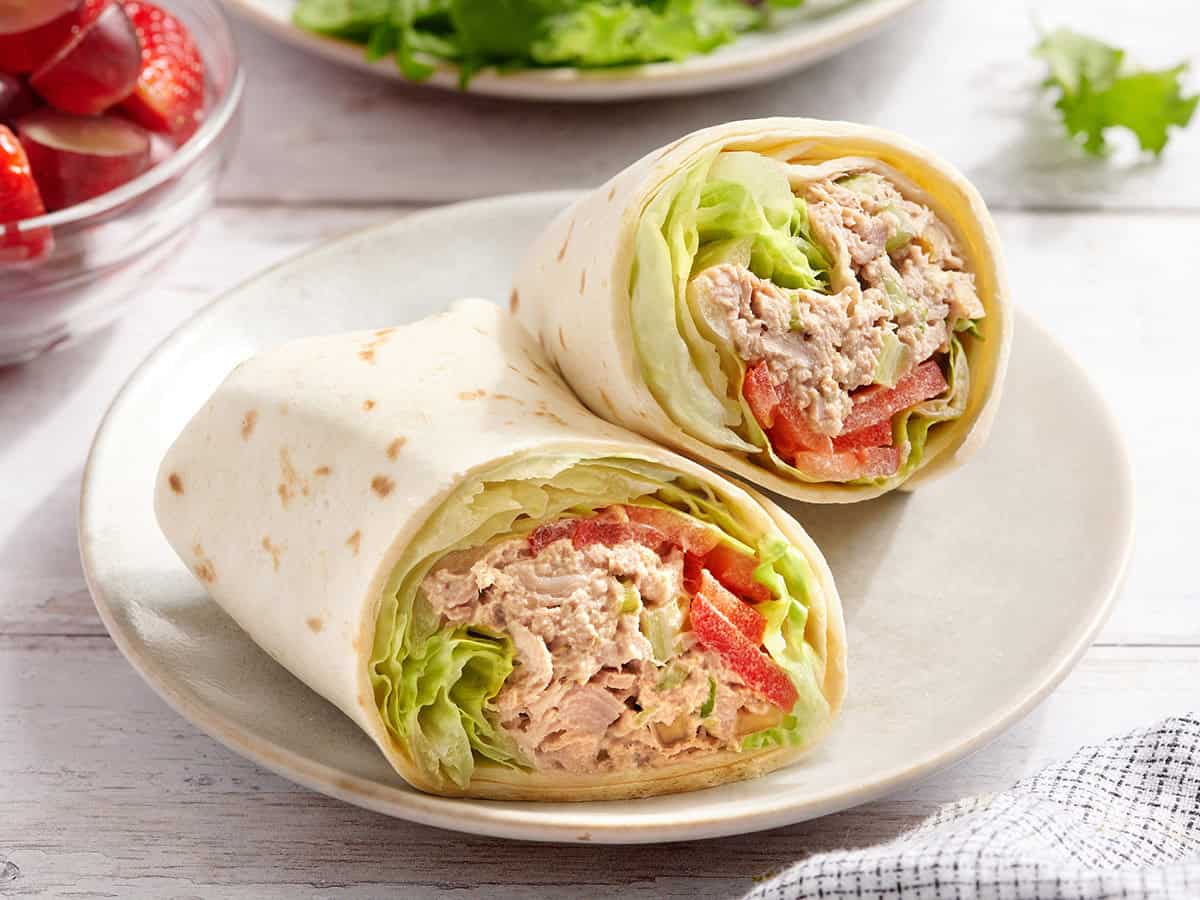
The transition into the academic year presents a significant logistical challenge for households, primarily centered on the efficient production of high-quality, cost-effective midday meals. As inflationary pressures continue to impact the consumer price index for food-at-home, the adoption of the "Crunchy Tuna Salad Wrap" methodology has emerged as a viable solution for families seeking to balance nutritional requirements with rigorous morning schedules. This culinary framework, developed and tested within the Nashville Test Kitchen environment, prioritizes a "grab-and-go" architecture that facilitates multi-day meal prep without compromising the structural integrity or flavor profile of the components.
Economic Context and Nutritional Foundations
In the current economic climate, the cost of school-provided lunches and commercial pre-packaged options has seen a steady incline. The Tuna Wrap recipe offers a strategic counter-measure, with a calculated cost of approximately $5.78 per total recipe, resulting in a per-serving expenditure of $1.93. This price point sits significantly below the national average for both fast-casual alternatives and many subsidized school lunch programs.
From a nutritional perspective, each wrap provides a robust macro-nutrient profile suitable for sustaining cognitive function throughout the school day. A single serving contains 412 calories, underpinned by 34 grams of protein—representing 68% of the recommended daily value. This high protein density is essential for satiety and muscular maintenance in developing children and active adults. Furthermore, the inclusion of walnuts provides essential fatty acids, while the addition of fresh romaine lettuce and Roma tomatoes introduces vital micronutrients and fiber (3g per serving), which are often lacking in traditional processed lunch options.
Technical Methodology and Preparation Chronology
The success of the tuna wrap as a meal-prep staple relies on a specific sequence of operations designed to prevent moisture migration, which is the primary cause of structural failure in flour-based wraps. The following chronology outlines the standardized preparation process:
I. Component Preparation and Desiccation
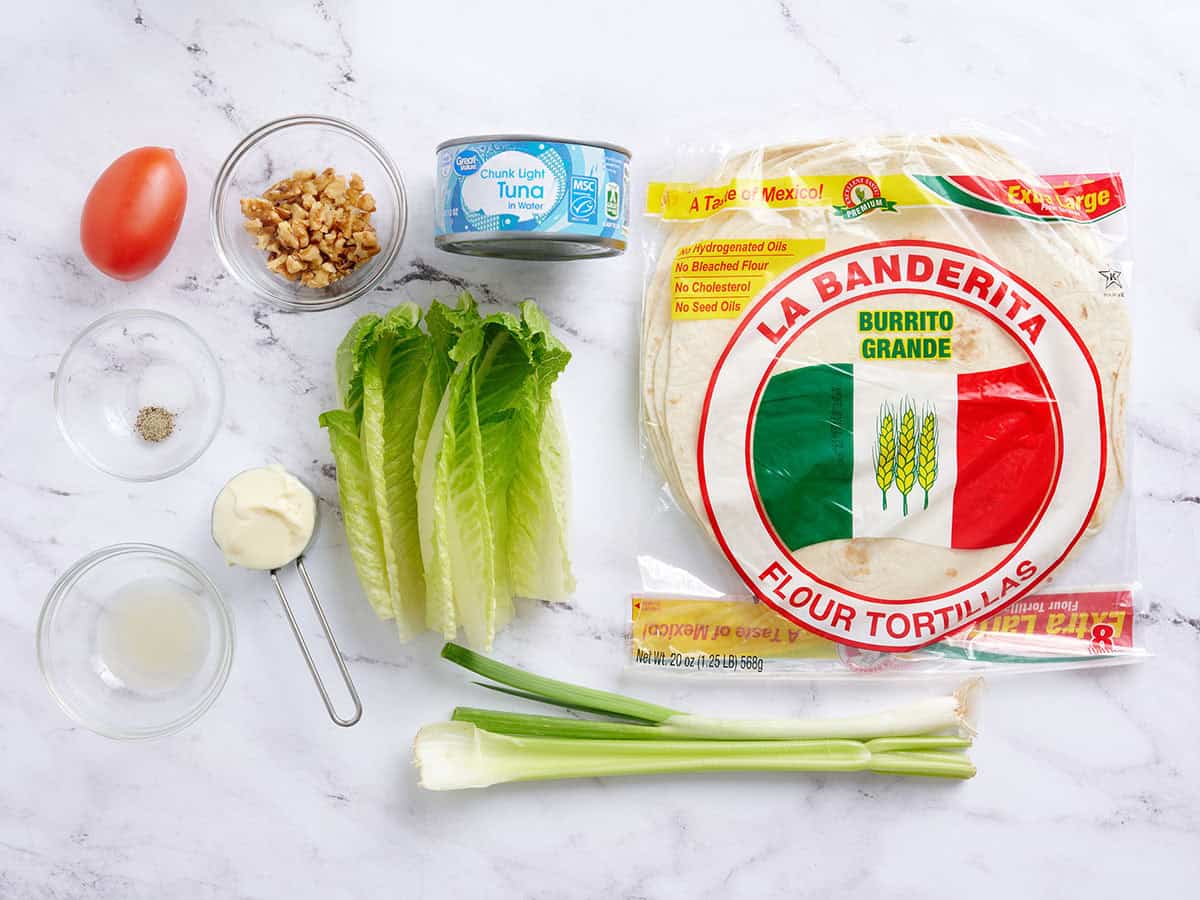
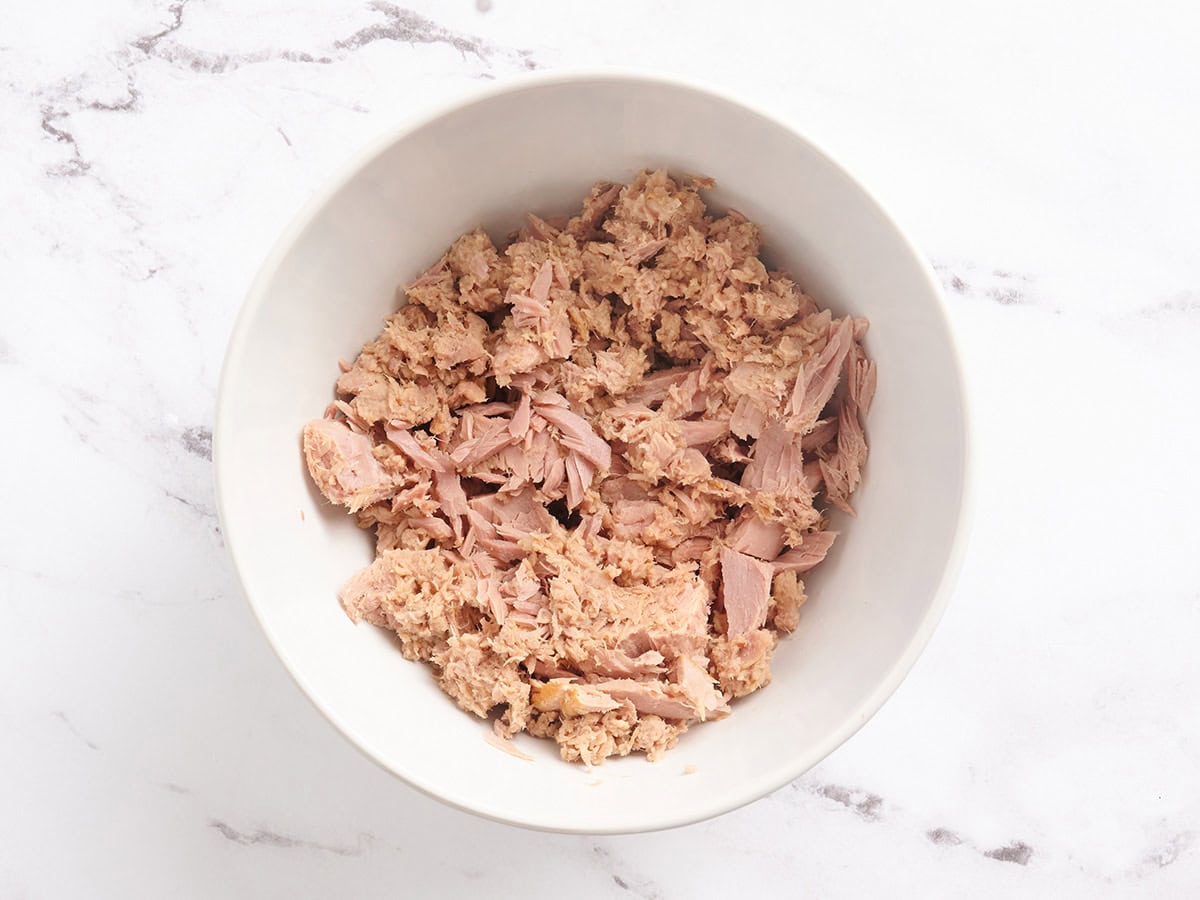
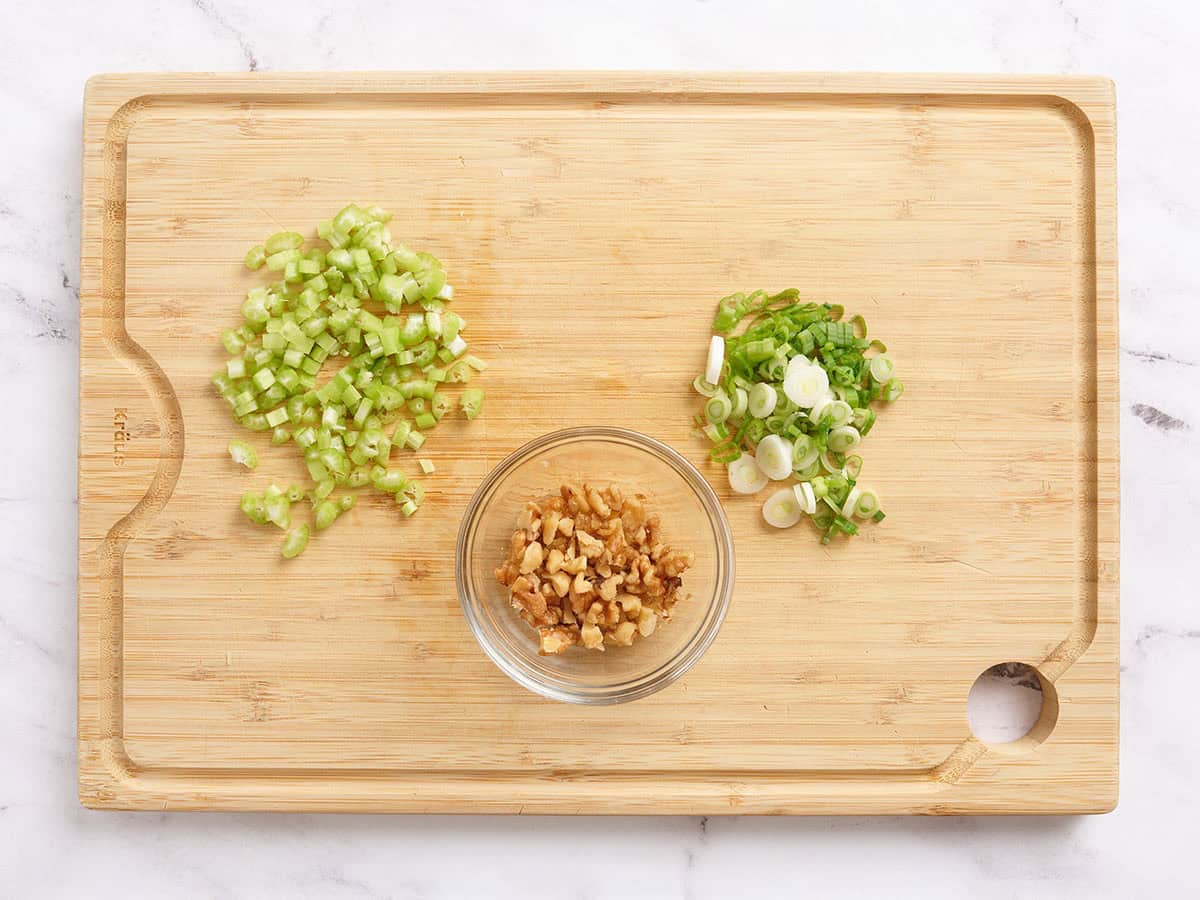
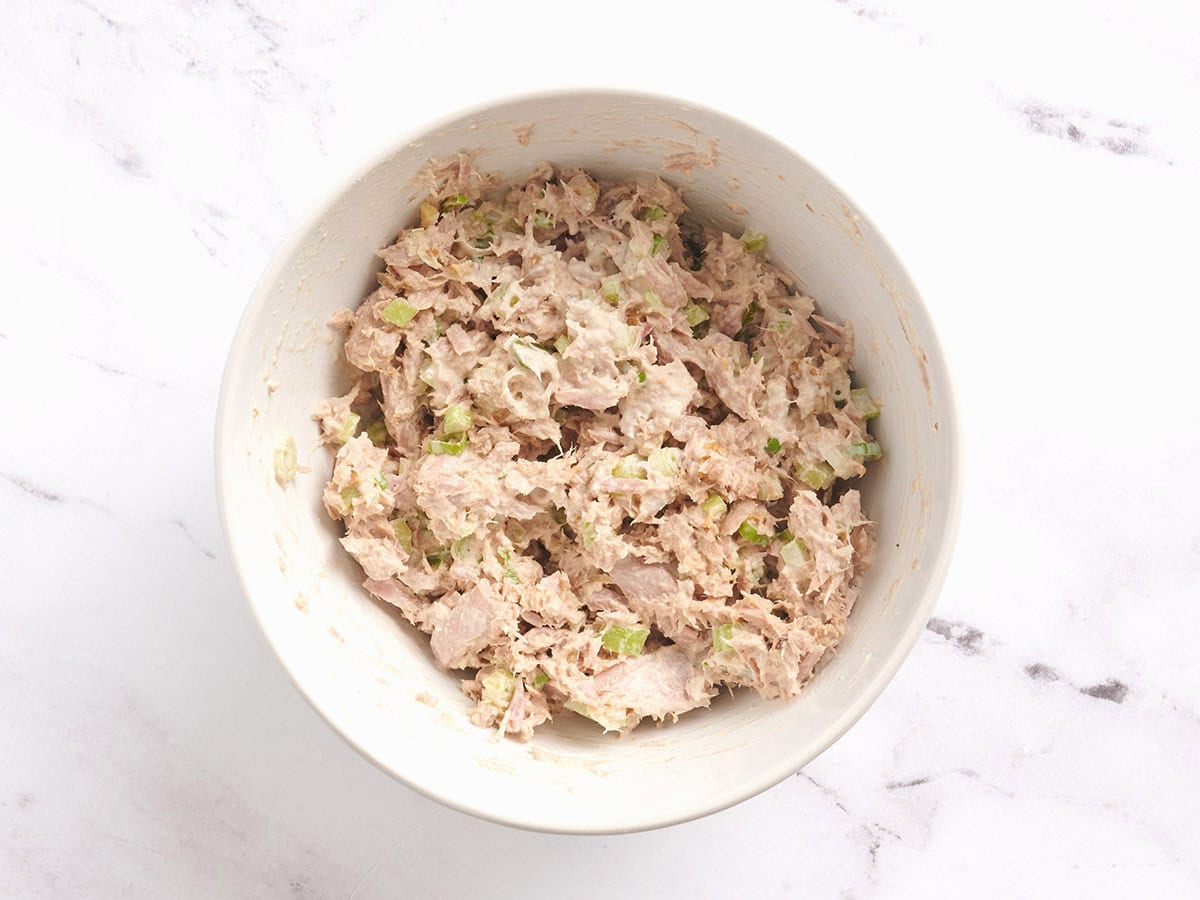
The process begins with the rigorous draining of one 12-ounce can of chunk light tuna. Technical experts emphasize that the drier the tuna base, the more stable the final wrap will be. Simultaneously, the aromatic and textural mix-ins—comprising 1/2 cup of diced celery, 2 tablespoons of chopped walnuts, and one sliced green onion—are prepared to provide the "crunch" factor that distinguishes this recipe from standard tuna mashes.
II. Emulsification and Integration
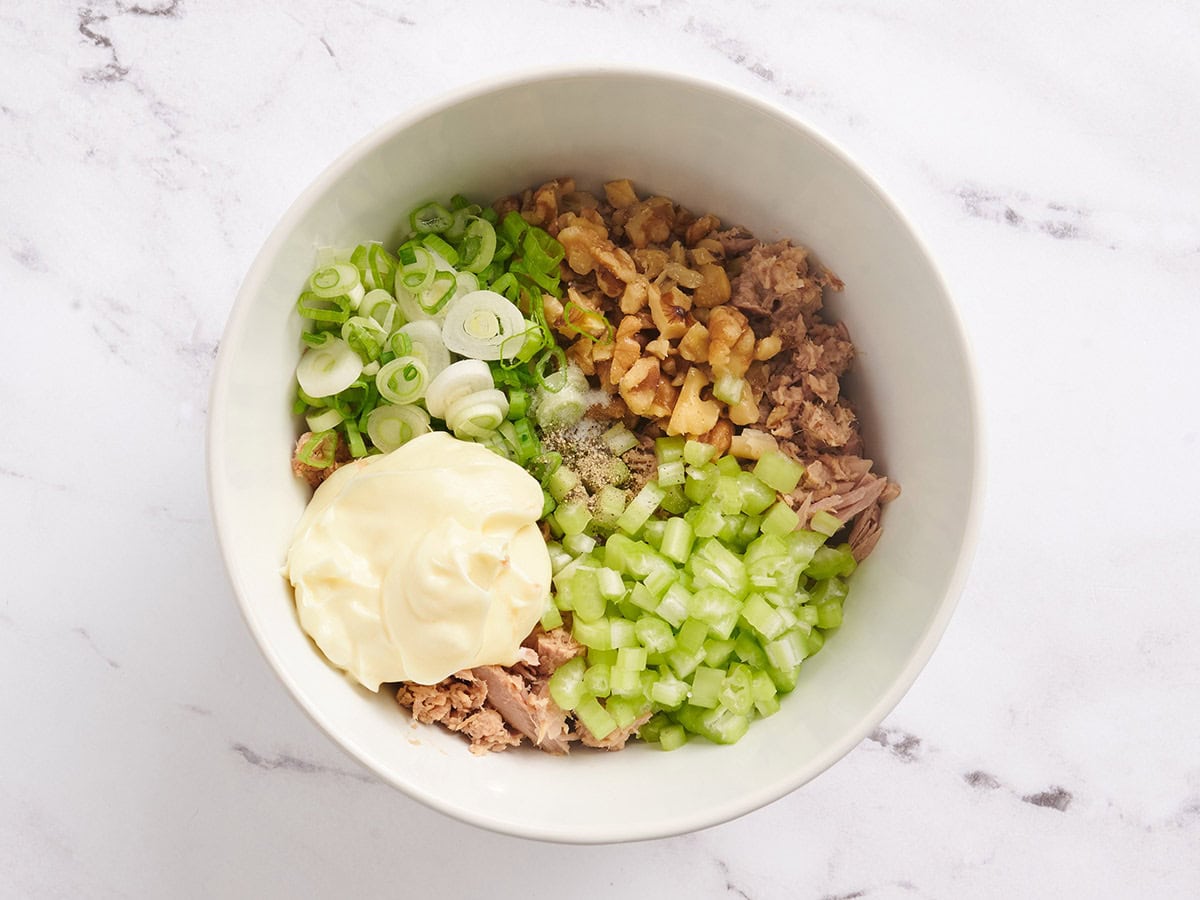
The drained tuna is combined with 1/4 cup of mayonnaise, 1/2 tablespoon of lemon juice, and 1/8 teaspoon each of salt and black pepper. The lemon juice acts not only as a flavor enhancer but also as a mild preservative and pH balancer. The mixture is stirred until a uniform consistency is achieved, ensuring that the fats and acids are evenly distributed among the protein fibers.
III. Structural Layering and Thermal Conditioning
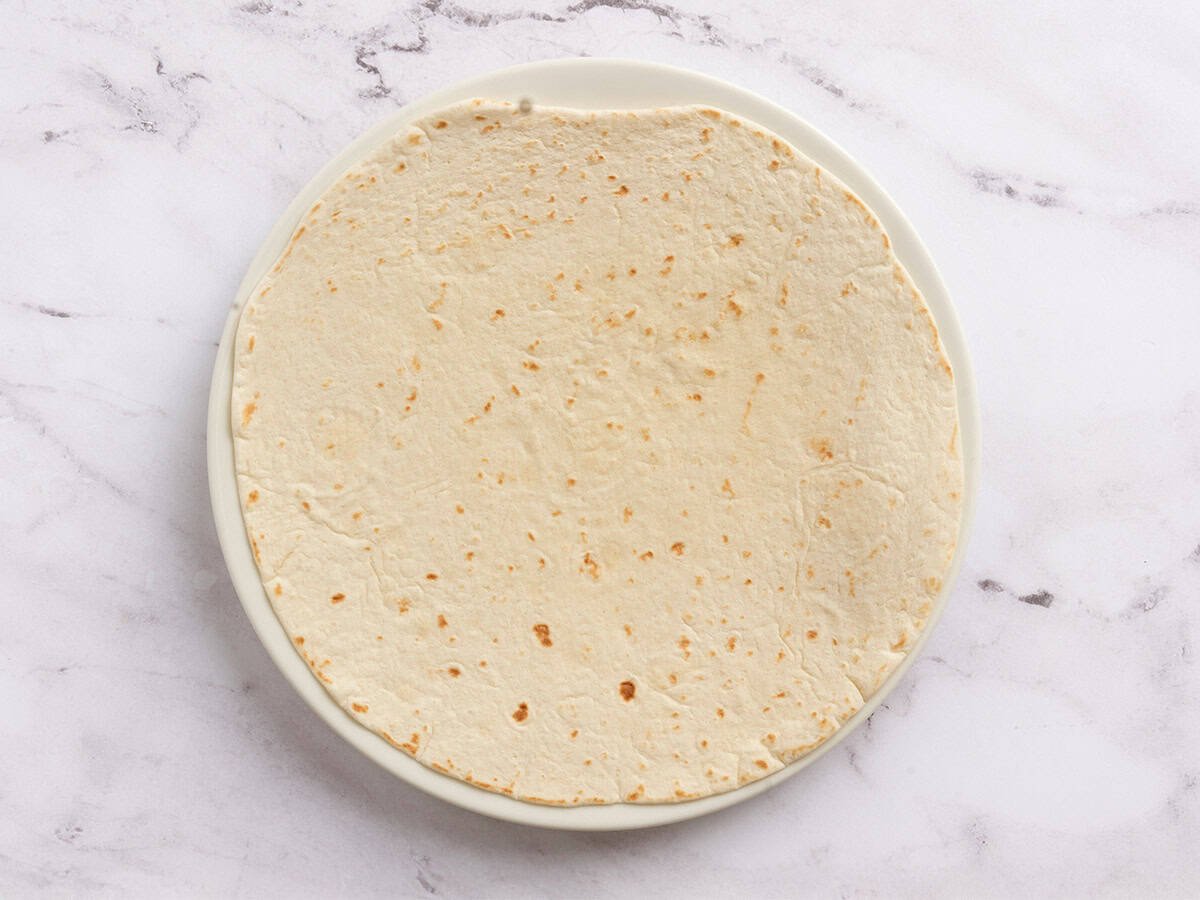
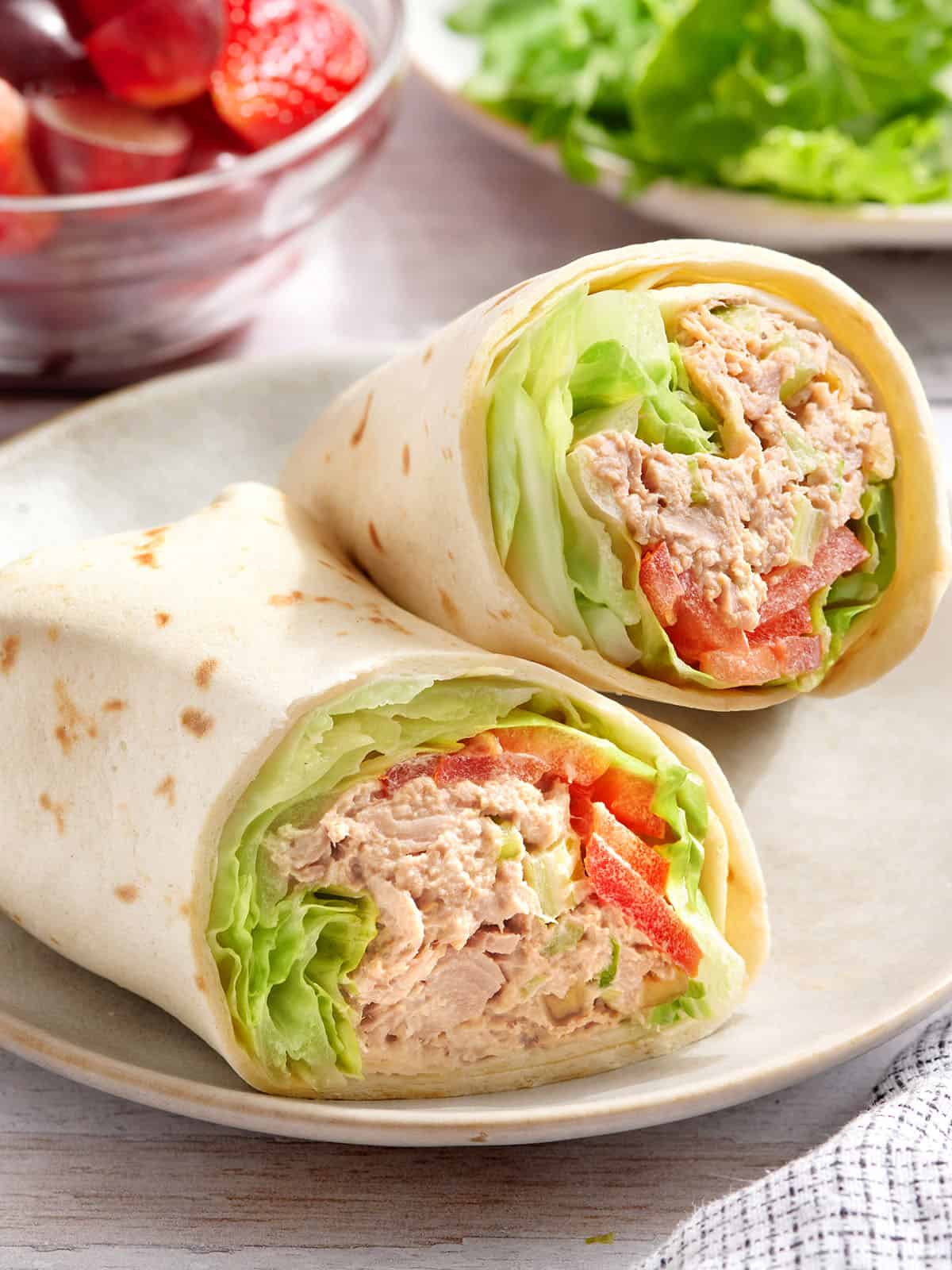
To ensure the tortilla remains pliable and resistant to tearing, a brief thermal application is required. Microwaving a large flour tortilla for 5 to 10 seconds increases its elasticity, allowing for a tighter seal. The assembly phase utilizes a "barrier method": a layer of romaine lettuce is placed directly onto the tortilla, followed by thinly sliced Roma tomatoes. This vegetation acts as a moisture shield between the tuna salad and the flour wrap, significantly extending the shelf life of the product when stored.
IV. Mechanical Assembly and Sealing
The rolling process involves folding in the lateral edges of the tortilla while maintaining tension on the filling. Once rolled, the wrap is placed seam-side down for approximately sixty seconds. The residual heat from the initial warming process facilitates a "steam seal," which prevents the wrap from unraveling during transport or consumption.
Expert Analysis: Culinary Theory in Practice
The development of this recipe was overseen by Jess Rice, a Chef Professor and former restaurateur with extensive experience in food theory and classic culinary techniques. Rice, who has instructed at Niagara College and founded the innovative Nashville restaurant AVO, brings a professional lens to the concept of "budget-friendly" cooking.
"The objective is to move beyond the simplicity of a sandwich and create a lunchbox-friendly vessel that is neat, healthy, and customizable," Rice notes. Her background in raw vegan cuisine and international food theory informs the inclusion of walnuts and lemon, which provide a sophisticated flavor profile usually absent from budget-oriented canned seafood recipes. According to Rice, the use of romaine as a structural barrier is a professional technique adapted for the home kitchen to solve the common issue of "soggy bread" in pre-prepared lunches.
Market Trends and Consumer Behavior
The rise of the tuna wrap coincides with a broader shift in consumer behavior toward "No-Cook" and "No-Reheat" meal prep. Market data suggests that as workplace and school environments return to full capacity, there is an increased demand for meals that do not require communal microwave use. The tuna wrap fits this niche perfectly, maintaining its palatability at refrigerated or room temperatures.
Furthermore, the versatility of the tuna base allows for regional and dietary variations, which enhances its appeal to a diverse consumer base. Logistical data provided by the Nashville Test Kitchen suggests several successful iterations:
- The Mediterranean Variant: Incorporating feta cheese, kalamata olives, and cucumbers.
- The Spicy Profile: The addition of sriracha, pickled jalapeños, or crushed red pepper.
- The Sweet and Savory Balance: Substituting walnuts with pecans and adding dried cranberries or diced apples.
Logistical Implications for Food Safety and Storage
As with all seafood-based products, food safety is a paramount concern for consumers. The Tuna Wrap recipe is designed for a specific storage window. While the tuna salad itself can remain viable in an airtight container for up to four days, the fully assembled wrap is recommended for consumption within 72 hours. This 3-day window is determined by the water content of the Roma tomatoes; even with the lettuce barrier, prolonged storage beyond 72 hours may result in a degradation of the tortilla’s texture.
To maximize freshness, analysts recommend packing the wraps in airtight containers or wrapping them tightly in parchment paper or foil to prevent oxidation. When paired with sides such as Mediterranean white bean salad, cauliflower tabbouleh, or fresh fruit, the wrap forms part of a comprehensive nutritional strategy that meets the standards of modern health guidelines.
Broader Impact and Conclusion
The Crunchy Tuna Salad Wrap represents more than a simple recipe; it is a manifestation of efficient household management. By utilizing shelf-stable proteins like canned tuna and combining them with fresh, low-cost produce, families can navigate the complexities of the school year with reduced stress and improved financial outcomes.
The implications of this approach extend to the reduction of food waste. Because the components can be stored separately and assembled as needed, or batch-prepared for the first half of the week, the likelihood of ingredient spoilage is minimized. In an era where food waste contributes significantly to household loss, such "lifesaver" recipes provide a practical framework for sustainable living.
In summary, the Tuna Wrap serves as a benchmark for what modern meal prep should achieve: high protein density, low per-serving cost, and a preparation time that respects the constraints of the contemporary working family. As educational and professional schedules continue to demand more of the individual’s time, the reliance on scientifically tested, budget-conscious, and nutritionally sound culinary solutions like the Nashville Test Kitchen’s Tuna Wrap is expected to grow. Through the expert guidance of culinary professionals like Jess Rice and the accessible platforms of the Budget Bytes network, the transition from high-stress mornings to wholesome, homemade lunches becomes a tangible reality for the modern consumer.