

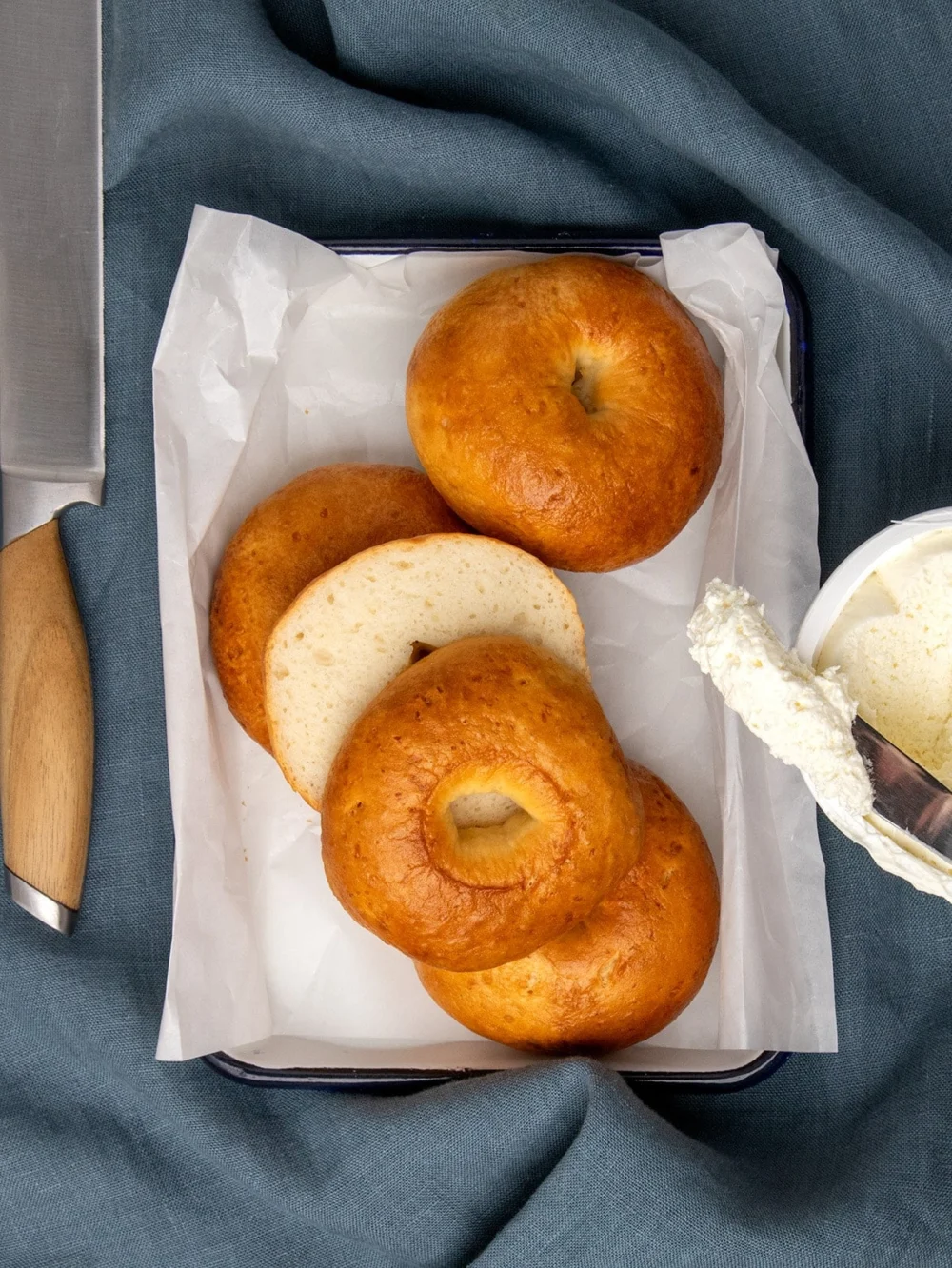
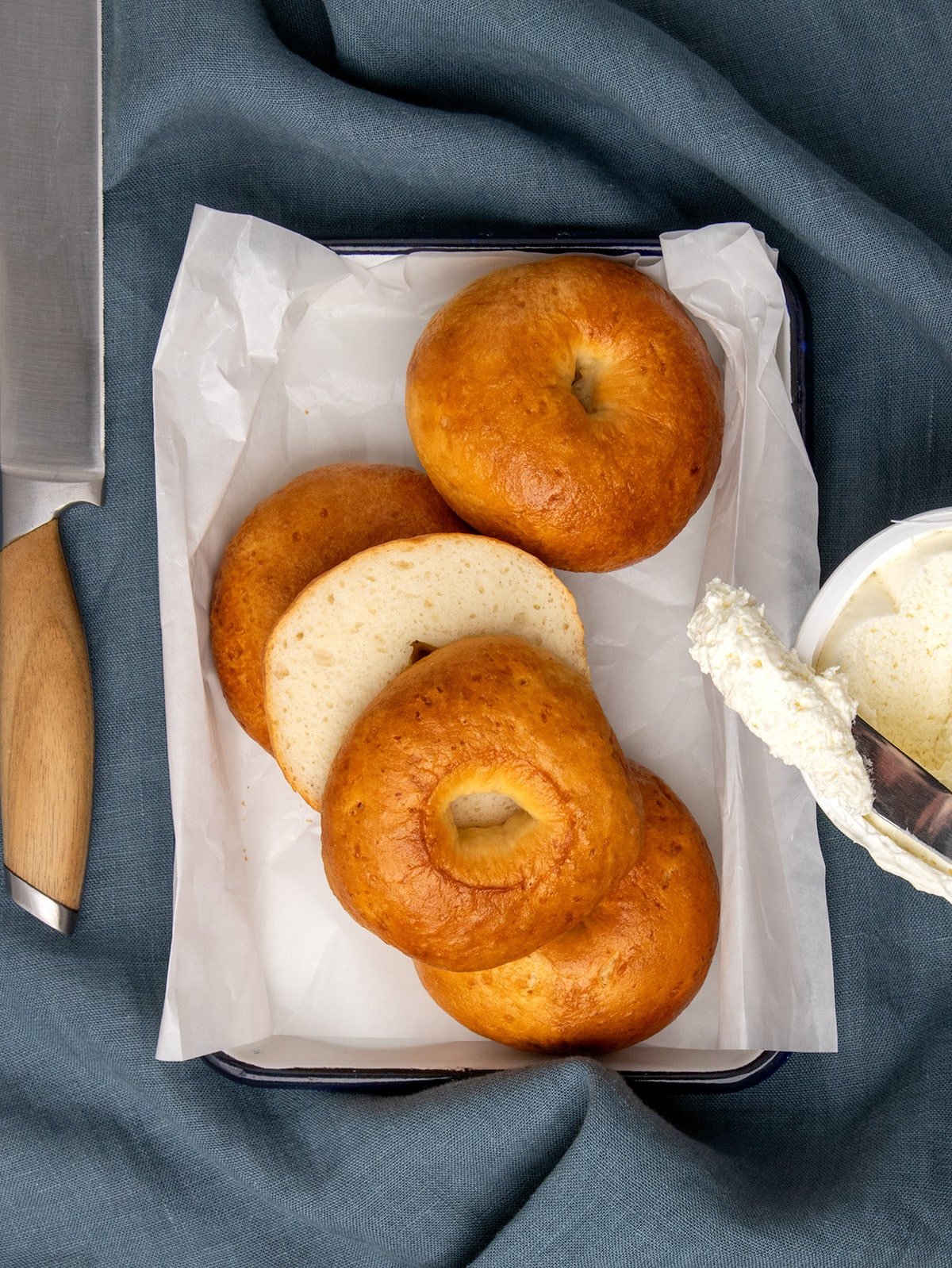
For many who navigate a gluten-free lifestyle, the dream of a truly authentic New York-style bagel – that perfectly chewy interior encased in a crisp, golden-brown crust – can seem like a distant memory. However, a recent culinary breakthrough promises to bring this beloved classic back to the table, offering a taste of the city’s iconic breakfast staple to those with gluten sensitivities. This innovative recipe hinges on two key techniques: a crucial cold rise for an easily manageable dough and a transformative boiling process in a molasses bath before baking to achieve that signature chewy crust.
The origin of this recipe is rooted in a deep personal connection to New York’s culinary heritage. As a native New Yorker, the author underscores the profound importance of the chewy, crusty bagel to their identity. This passion has driven the development of a gluten-free version that aims to replicate the authentic experience, dispelling the notion that such beloved textures and flavors are unattainable without gluten.
The Science Behind the Chewy Crust and Easy Handling
The success of these gluten-free bagels can be attributed to specific ingredient choices and preparation methods. The inclusion of ingredients that promote browning in the oven, an egg white to help the bagels maintain their shape during cooling, and a generous amount of tapioca starch for that essential chewiness are central to the recipe’s effectiveness.
The cold rise, a technique that involves refrigerating the unshaped dough for an extended period, plays a pivotal role. This chilling process not only allows the gluten-free flours to fully absorb moisture, leading to a smoother, more pliable dough, but also stiffens the fats within the dough. This makes the dough significantly easier to handle and shape, a common challenge in gluten-free baking where dough can often be sticky and uncooperative. Furthermore, the cold rise allows for the development of complex flavors, as yeast activity continues at a slower pace, enriching the dough with a subtle yeasty depth.
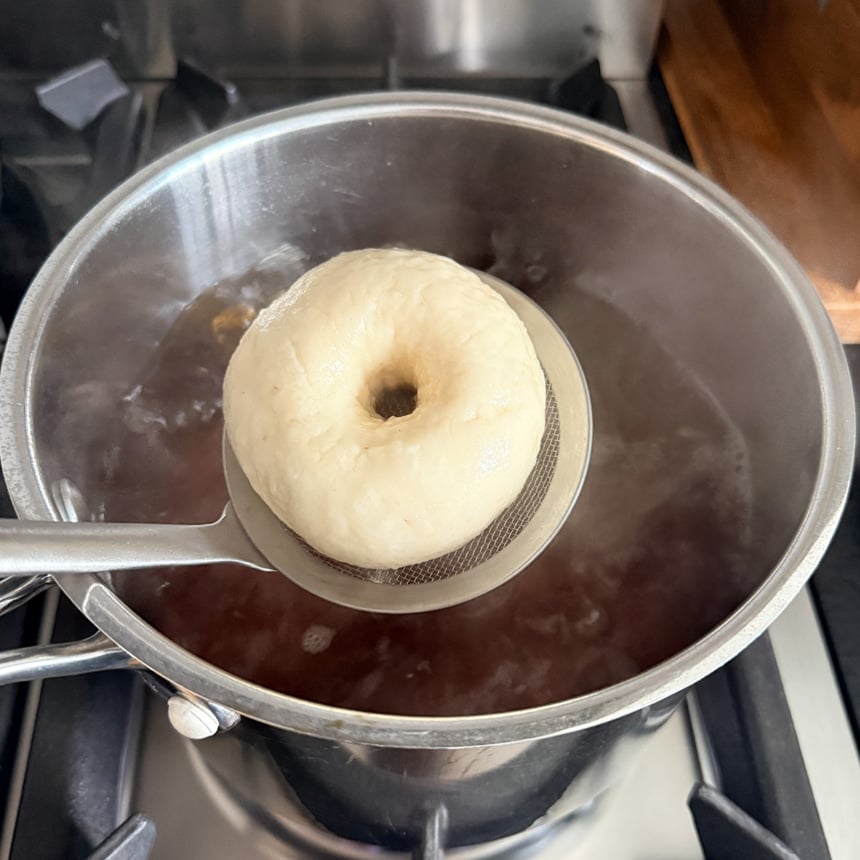
The boiling step, often considered the defining characteristic of a true bagel, is also critical. Submerging the shaped bagels in a boiling mixture of water and unsulphured molasses before baking is what fundamentally alters the dough’s structure. This process gelatinizes the starches on the exterior of the bagel, creating a barrier that restricts excessive puffing in the oven and locks in moisture. The result is the coveted dense, chewy interior and a slightly crisp exterior that is distinct from a mere roll with a hole. The molasses not only contributes to the rich color but also adds a subtle, complex sweetness that complements the savory dough.
Crafting the Perfect Gluten-Free Bagel: A Step-by-Step Guide
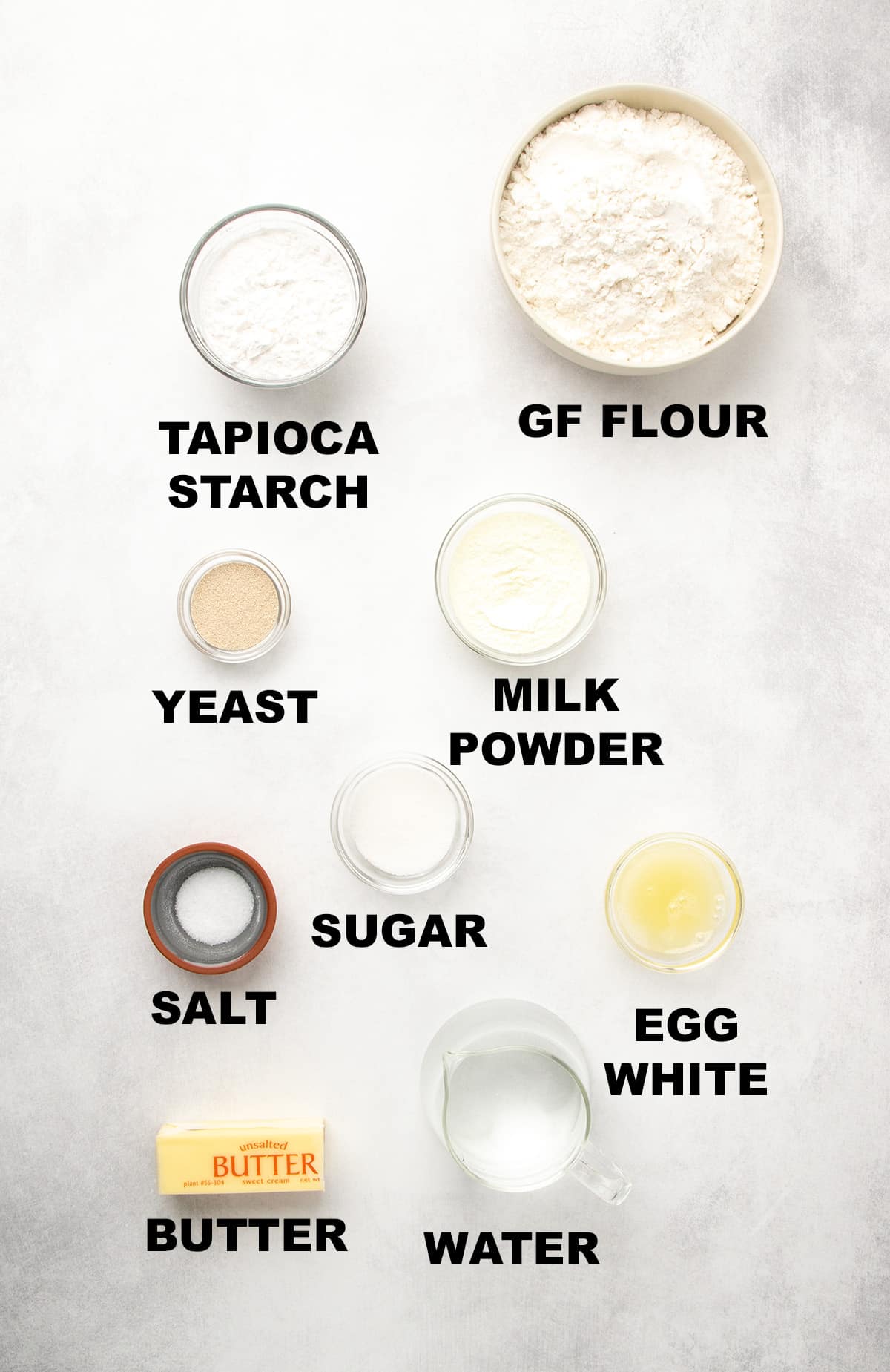
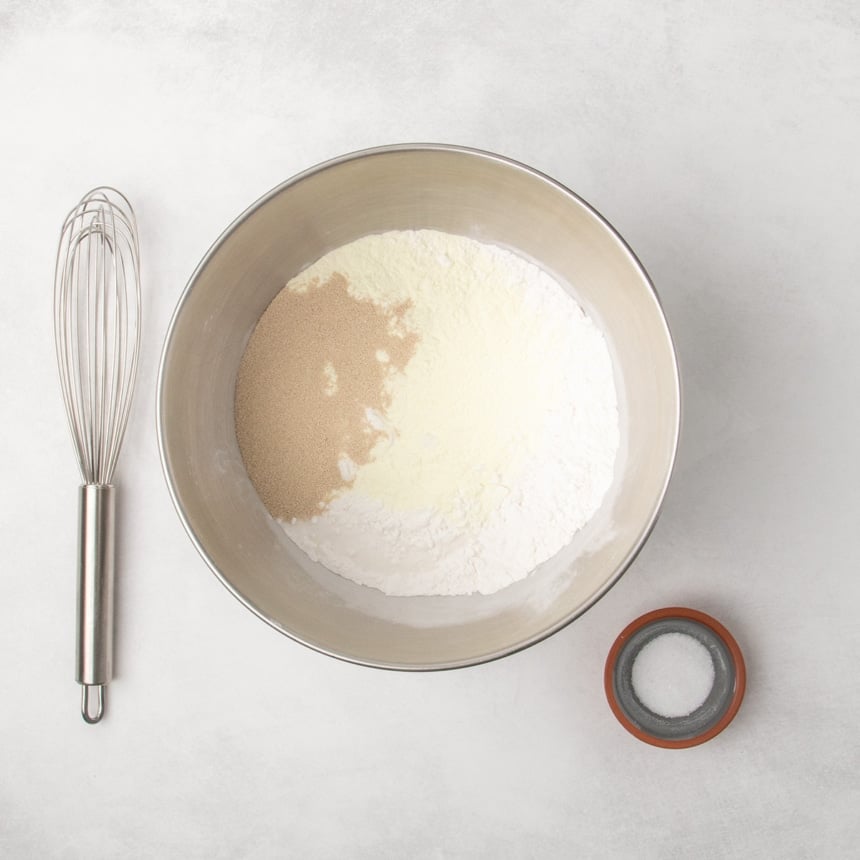
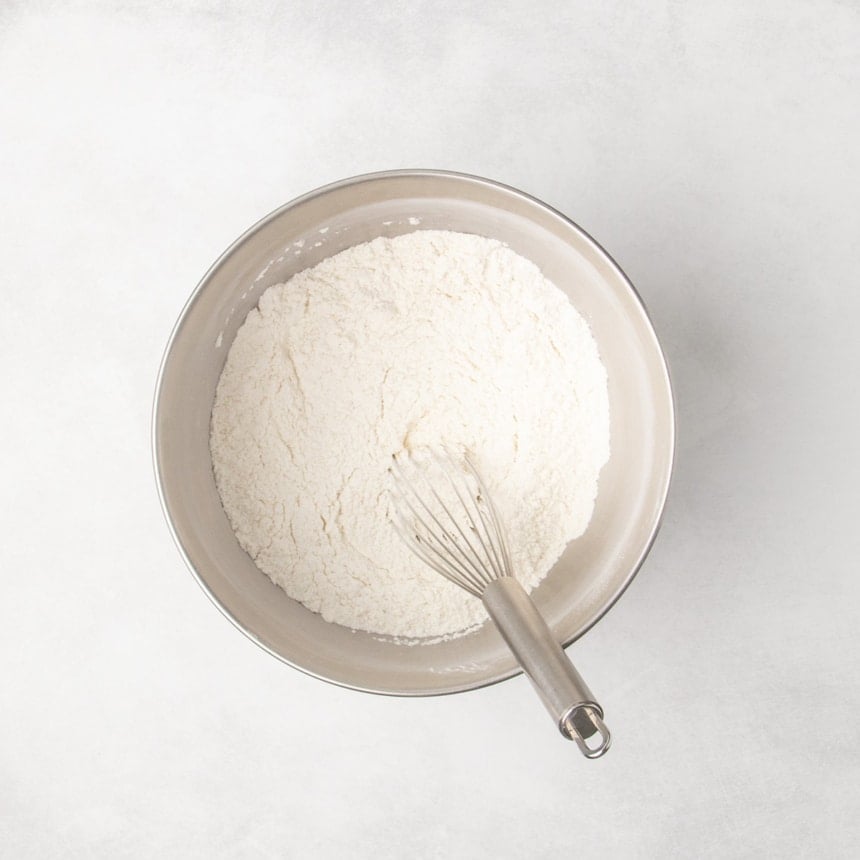
The process begins with the meticulous whisking of dry ingredients. This includes a balanced gluten-free flour blend (often containing xanthan gum), tapioca starch, milk powder, yeast, and sugar. Salt is added separately to prevent direct contact with the yeast, as salt can inhibit yeast activity. This initial step ensures even distribution of all leavening and structural agents.
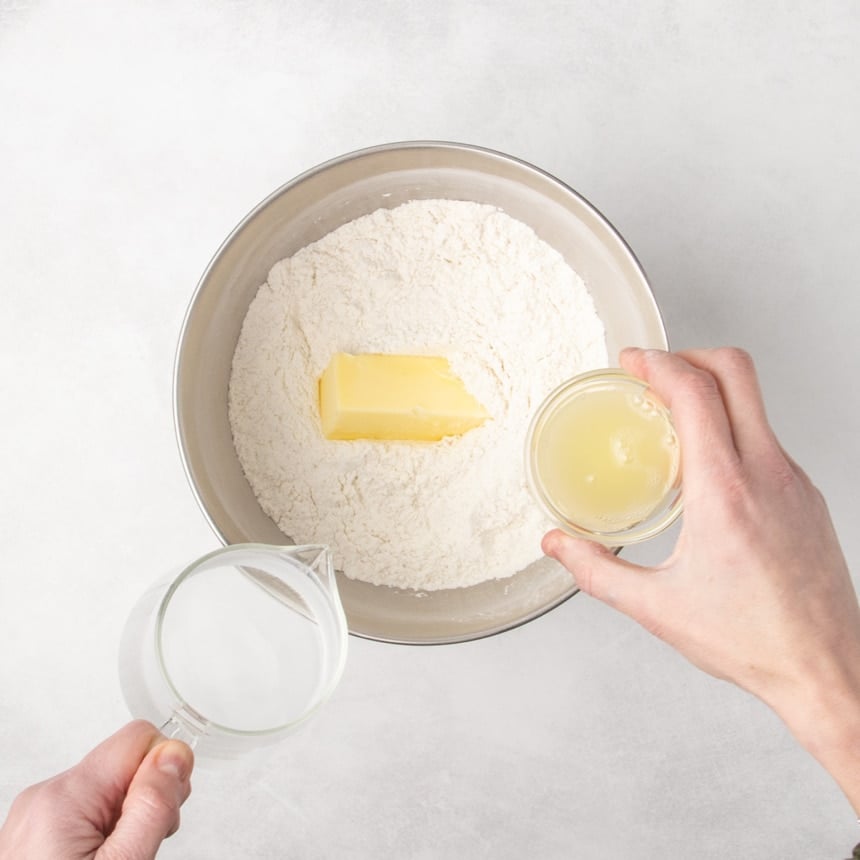
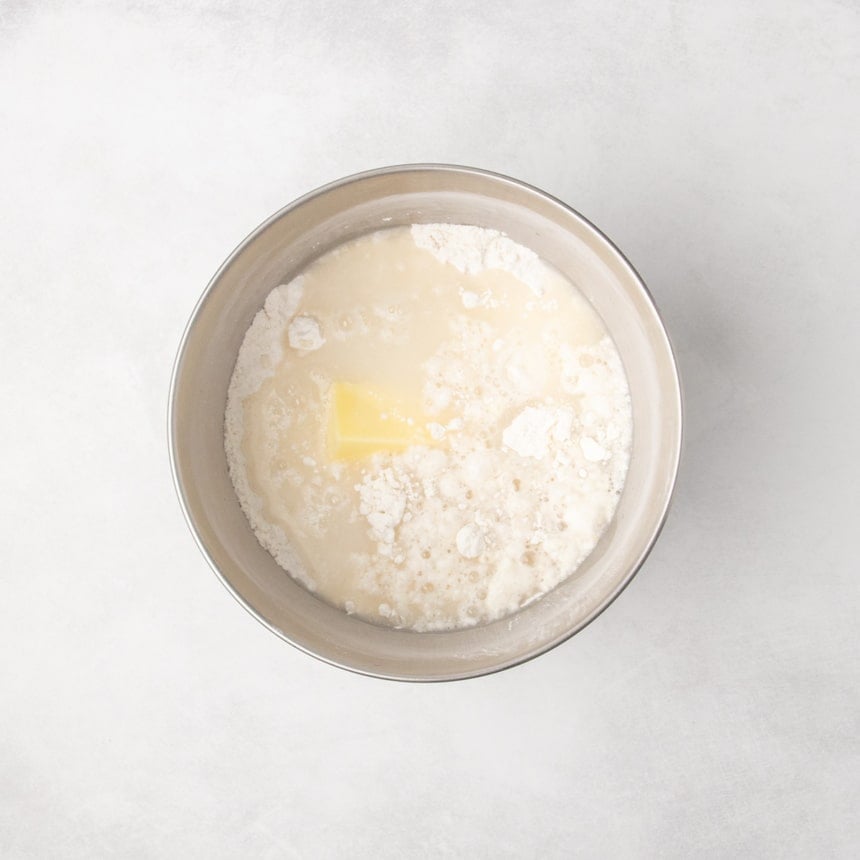
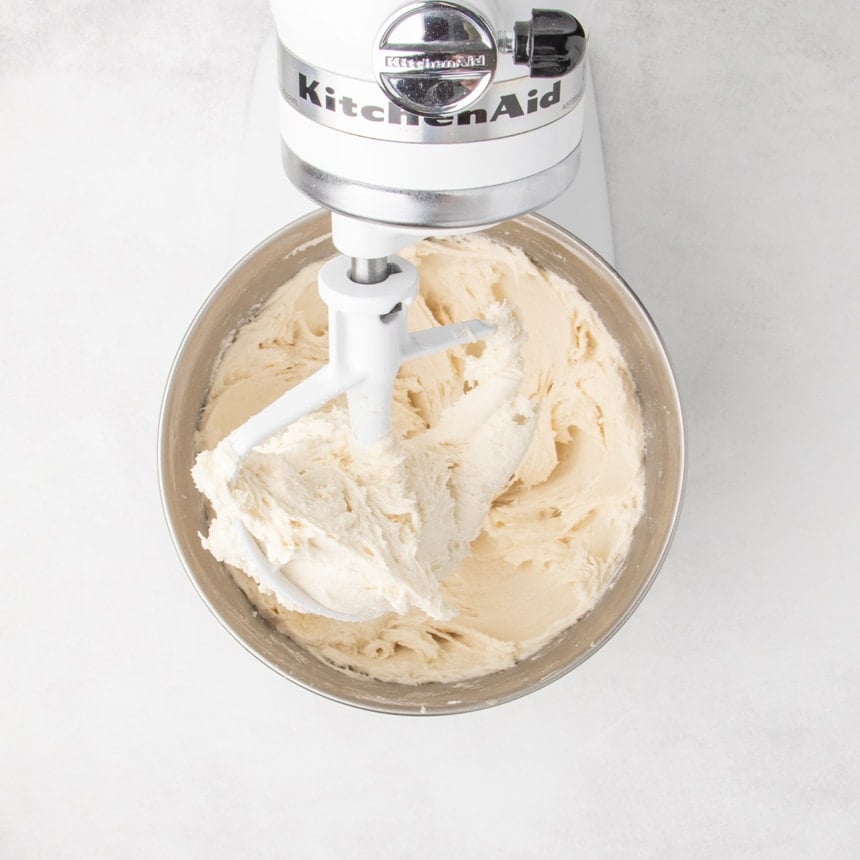
Following the dry ingredients, softened butter, a room-temperature egg white, and warm water are introduced. The mixture is then processed in a stand mixer with a paddle attachment on medium-high speed for approximately four minutes. This extended mixing time is crucial for gluten-free dough, as it helps to aerate the mixture and develop the necessary structure in the absence of gluten. The dough should become cohesive, clinging to the sides of the bowl and exhibiting an airy, whipped appearance.
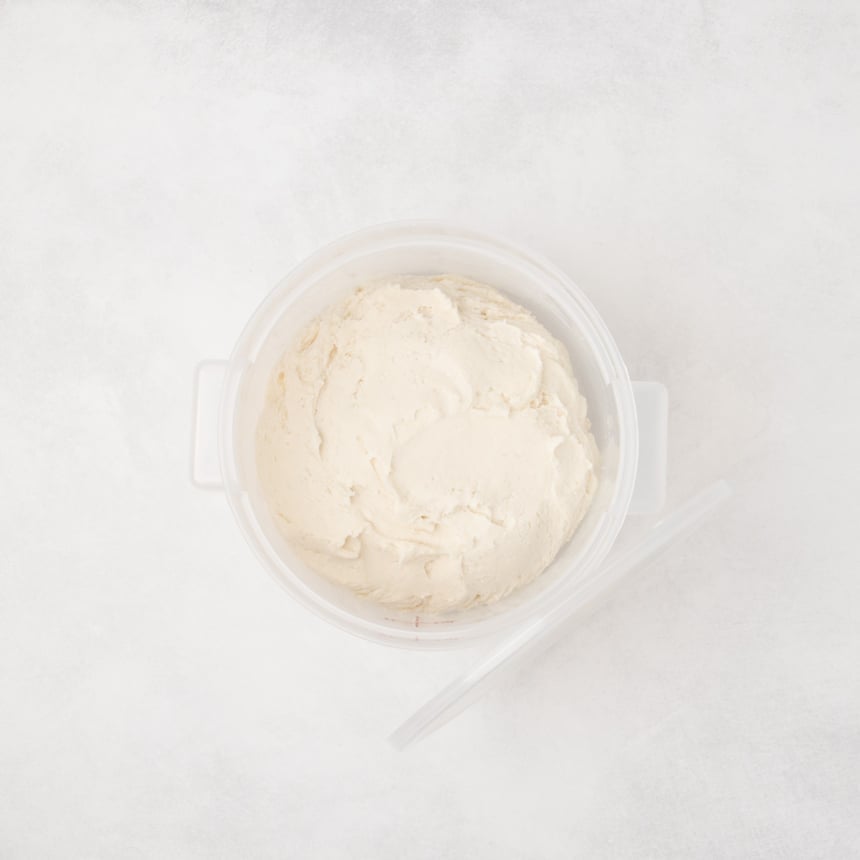
The subsequent cold rise is where patience yields significant rewards. The prepared dough is transferred to a container, covered tightly, and refrigerated for at least 30 minutes, and can be held for up to two days. This extended chilling period is vital for flavor development and dough manageability.
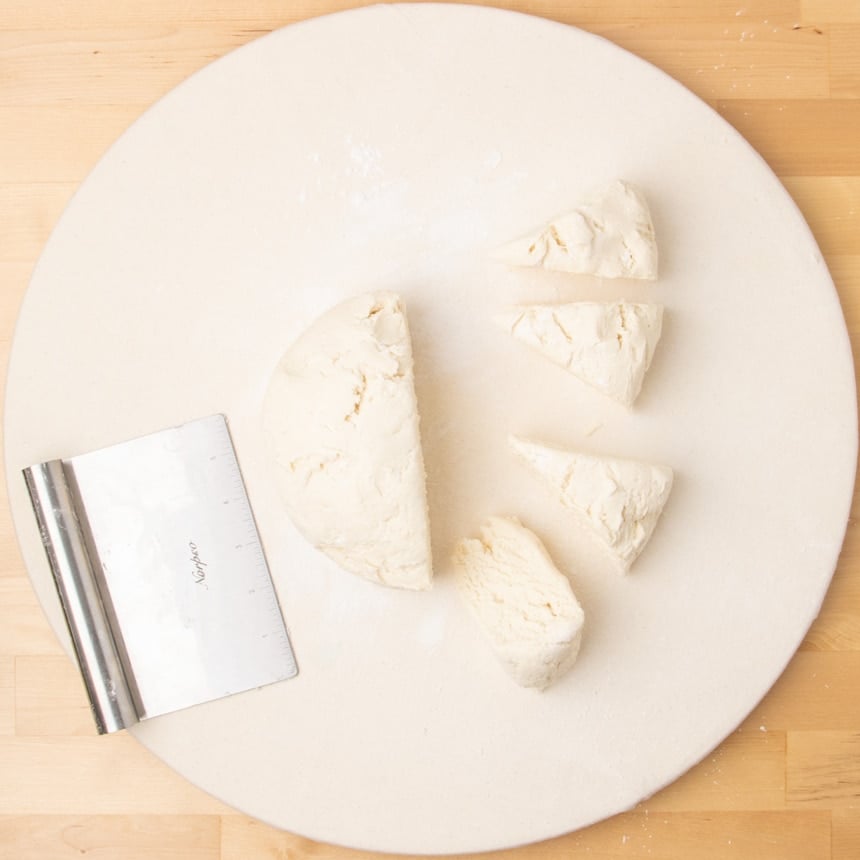
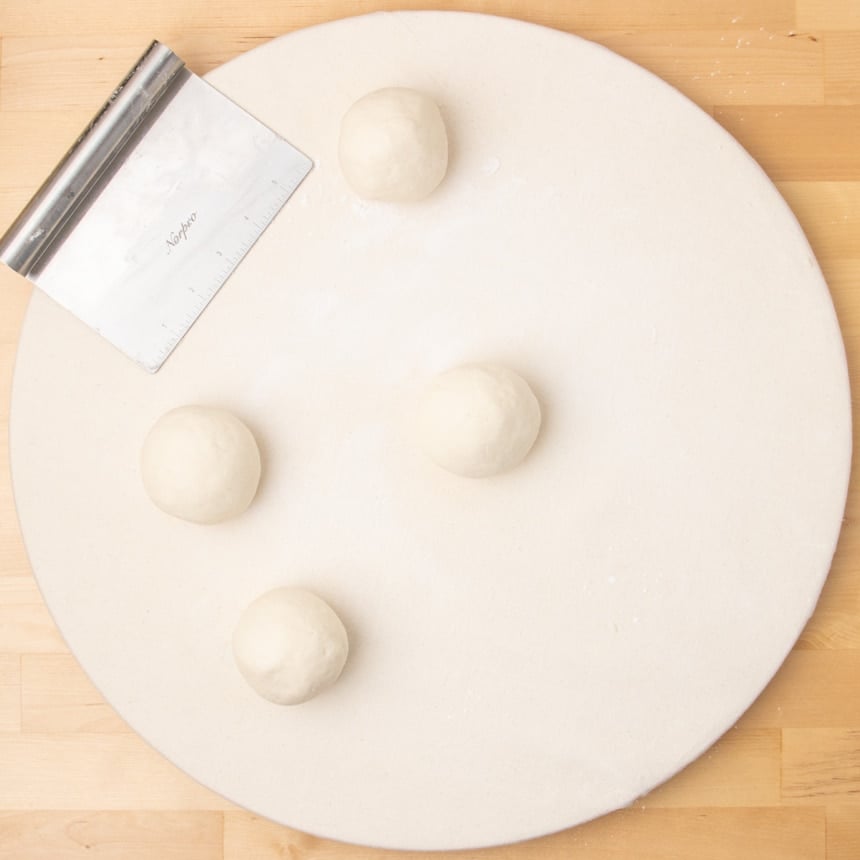
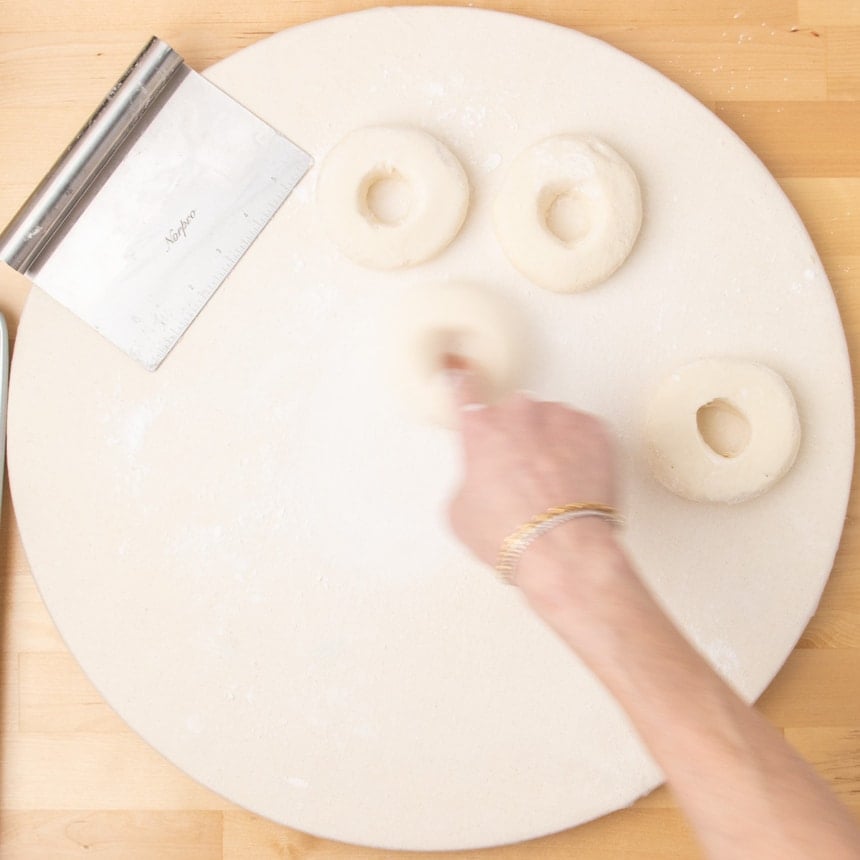
Once chilled, the dough is divided into equal portions, typically weighing a little over four ounces each. The shaping process involves carefully forming each portion into a smooth ball using a cupping motion of the hand against a lightly floured surface. A key technique involves pressing the ball into a disk and then using a floured finger to create and widen the characteristic bagel hole from both sides. This method is preferred over rolling dough into a cylinder and joining the ends, which can lead to seams splitting during the cooking process.
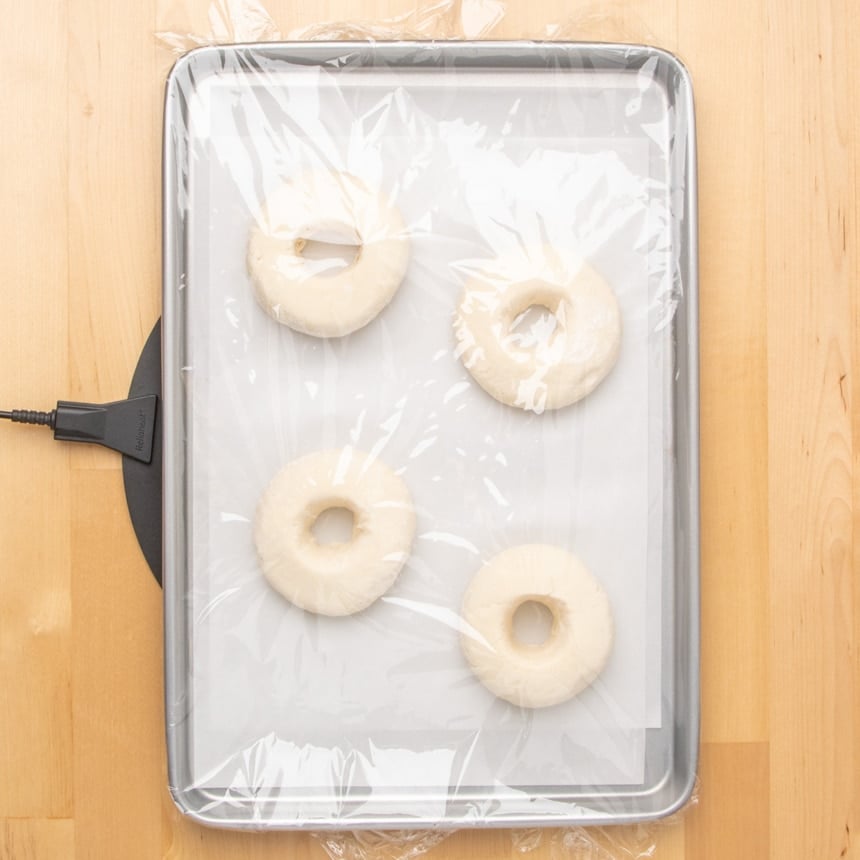
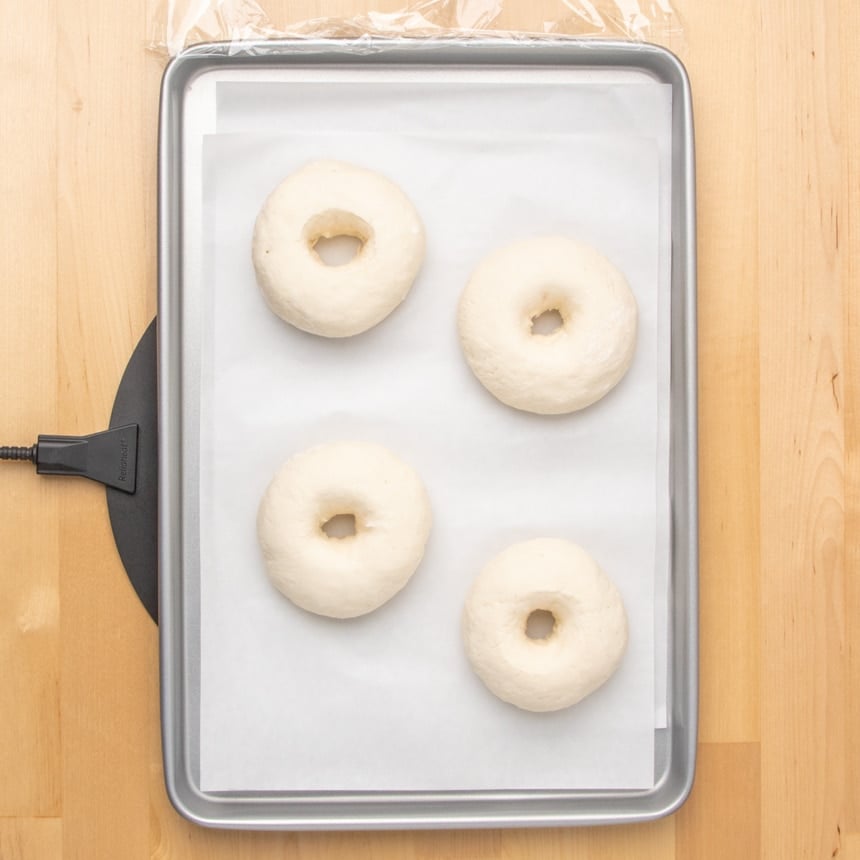
After shaping, the bagels are allowed a second, shorter rise at room temperature. They are placed on lined baking sheets, spaced about two inches apart, and covered lightly. This rise is crucial for achieving a lighter texture, but it’s important to avoid overproofing, which can cause the dough to become too fragile and disintegrate during boiling. The dough should appear about 50% larger, not doubled.
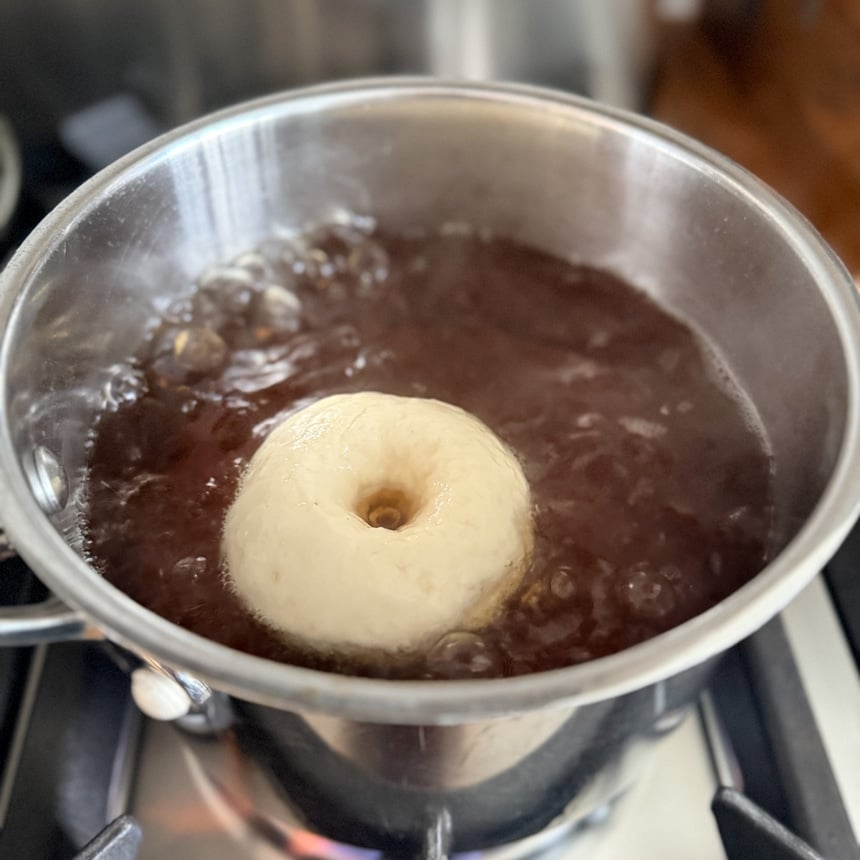
The defining boiling stage follows. A pot of water is brought to a rolling boil, infused with unsulphured molasses. Each shaped bagel is carefully submerged for less than a minute, flipped to ensure even cooking, and then returned to the baking sheet. This critical step sets the exterior, contributing to the chewy texture.
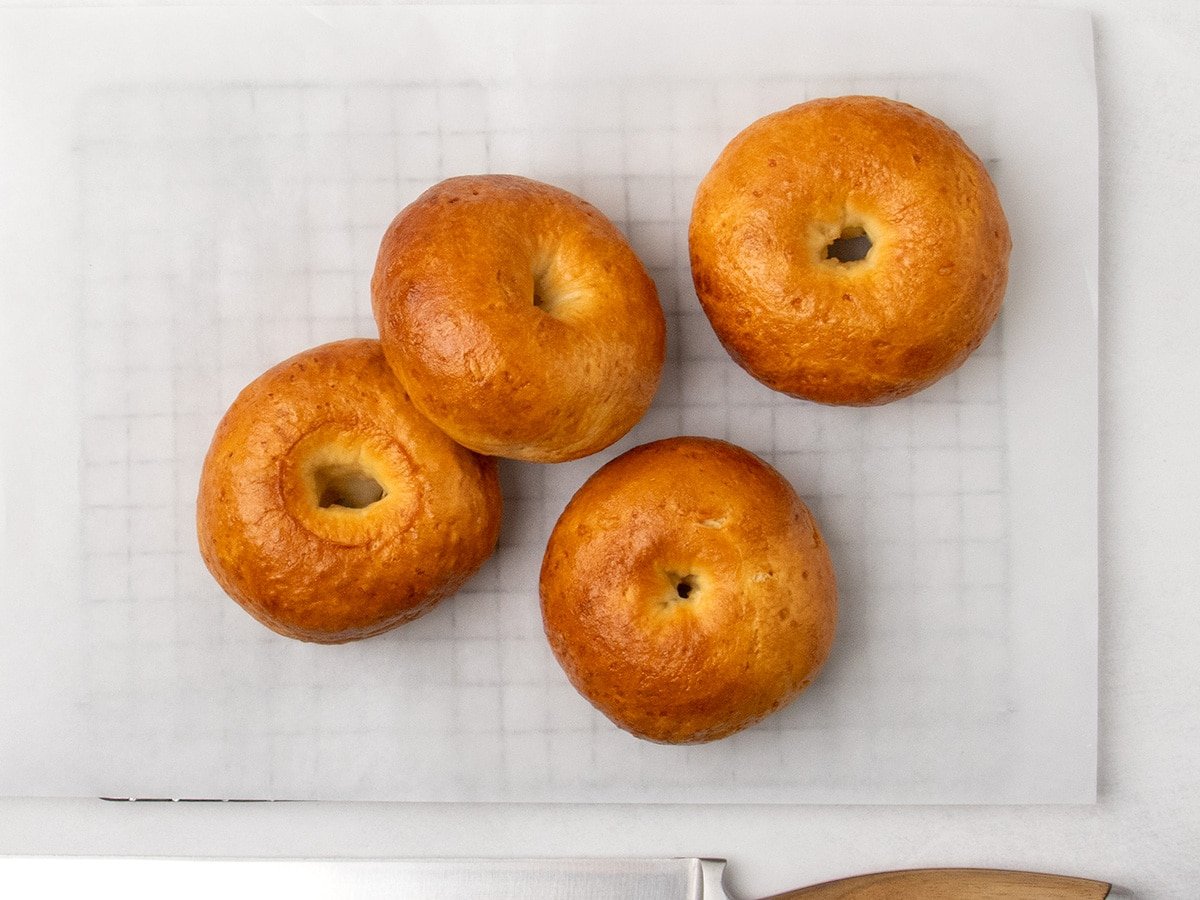
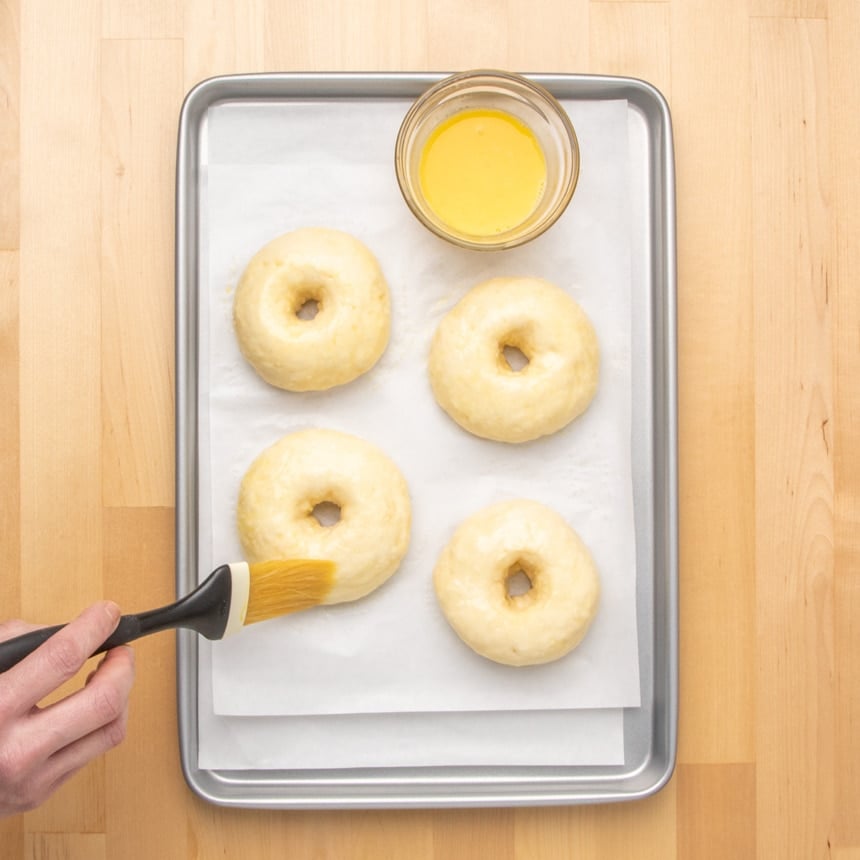
A final brush of egg wash provides a glossy finish and aids in browning. The bagels are then baked at 375°F (190°C) for approximately 25 minutes, rotating halfway through. They are ready when they achieve a deep golden-brown hue and register an internal temperature of around 180°F (82°C). The bottoms may appear slightly darkened from the molasses, but this does not affect the taste.
Expert Insights and Ingredient Considerations
The recipe’s reliance on extra tapioca starch, beyond what might be found in a standard gluten-free flour blend, is emphasized as essential for providing structure, elasticity, and a smooth dough consistency. For those without a stand mixer, a food processor with a plastic dough blade can be used, though caution is advised to prevent overprocessing.
For individuals with dietary restrictions, substitutions are readily available. Dairy-free options include using coconut milk powder and vegan butter alternatives such as Miyoko’s, Melt, or Trader Joe’s brands. For an egg-free approach, aquafaba (chickpea brine) can substitute for the egg white in the dough, and melted butter or cream can be used as an egg wash alternative.
Broader Implications and Storage
The development of such an authentic gluten-free bagel recipe has significant implications for individuals with celiac disease or gluten sensitivities, offering them the opportunity to enjoy a widely cherished food item that has historically been difficult to replicate outside of traditional baking methods. The ability to achieve both the characteristic chewiness and the ideal crust without gluten is a testament to advancements in gluten-free baking science and ingredient understanding.
These bagels are best enjoyed fresh, typically staying good for about a day. For longer storage, they freeze exceptionally well. Slicing them in half horizontally before freezing in an airtight container preserves their quality for up to three months. Upon thawing, a brief toasting can restore their perfect texture.
The recipe also highlights the importance of a well-balanced gluten-free flour blend. Blends that are not formulated for shaped yeast breads may not yield satisfactory results. Resources for building custom blends or understanding the nuances of gluten-free flour composition are often available through dedicated culinary blogs and resources. This ensures that home bakers have the knowledge to select or create the optimal flour mix for successful bagel making.
The journey to creating an authentic gluten-free bagel is a complex one, involving precise techniques and carefully selected ingredients. However, the reward is a culinary experience that brings the iconic taste and texture of New York’s most beloved breakfast staple within reach for a wider audience.