

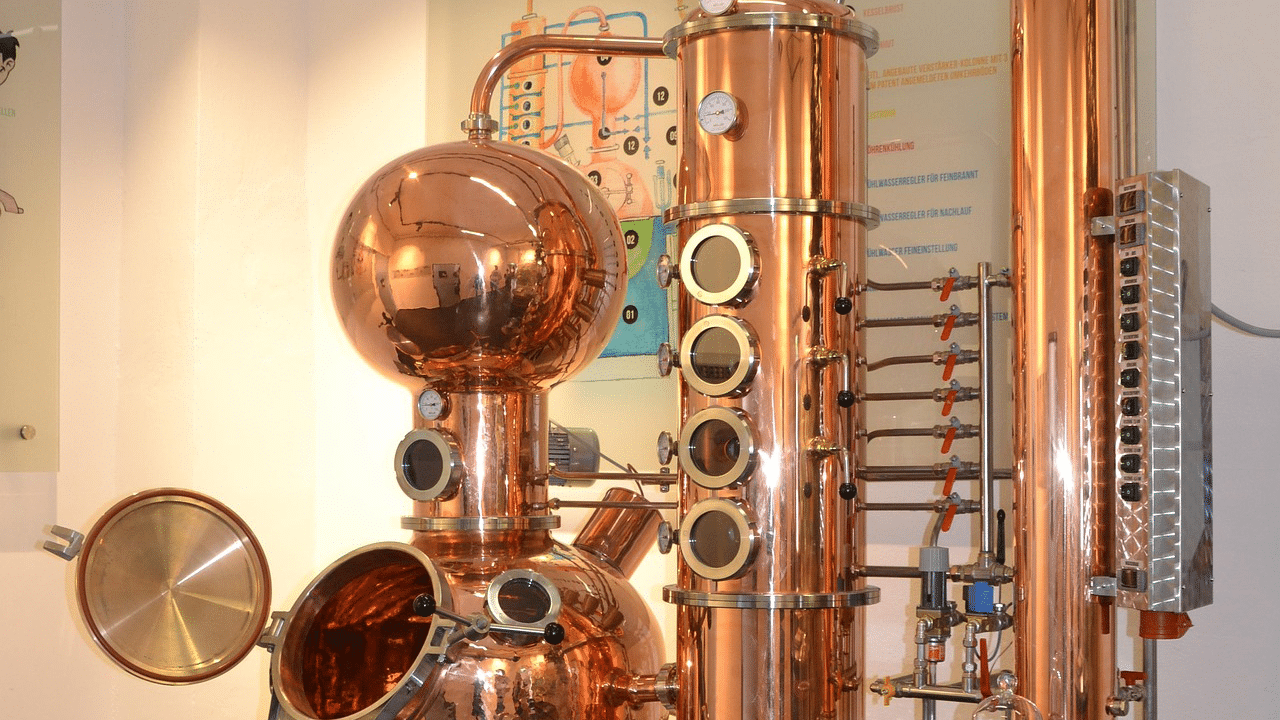
The production of gin is frequently framed as a poetic selection of botanicals, yet the final profile of the spirit is dictated as much by technical engineering and chemical management as it is by the choice of herbs and spices. While the presence of juniper is the sole legal requirement for a spirit to be classified as gin, the method by which that juniper—and its supporting cast of botanicals—is processed determines the difference between a mass-market staple and a craft masterpiece. For the modern distiller, the journey begins with a neutral canvas, typically a Neutral Grain Spirit (NGS), and involves a series of high-stakes decisions regarding ratios, extraction methods, distillation "cuts," and dilution strategies.
The Foundation: Neutral Grain Spirit as the Distiller’s Canvas
Most gins produced globally begin their life as Neutral Grain Spirit, a highly rectified alcohol distilled to at least 95% or 96% alcohol by volume (ABV). At this concentration, the spirit is stripped of the "congeners" or flavor characteristics of its base material—be it wheat, rye, corn, or sugar beets—resulting in a product that is effectively a high-proof, clean vodka.
The use of NGS is a standard industry practice because it provides a consistent, stable base. However, the quality of this base is not uniform. Distillers often choose specific NGS sources based on the mouthfeel they provide; for instance, wheat-based NGS is often cited for its creamy texture, while potato-based spirit may offer a heavier body. The technical decision to start with a specific neutral base is the first step in a process where the distiller acts more like a chemist than a chef, ensuring that the ethanol does not compete with the delicate volatile oils soon to be extracted from the botanicals.
The Mathematical Foundation: Botanical Ratios and Juniper Dominance
The construction of a gin recipe is a study in ratios and concentrations. While individual recipes are often guarded as trade secrets, industry benchmarks provide a window into the standard composition of the spirit. A common starting point for distillers is a botanical load of 20 to 35 grams of total botanicals per liter of finished gin at 40% ABV.
Within this "botanical bill," juniper typically accounts for approximately 60% of the total volume. This dominance is not merely a matter of tradition but a regulatory necessity in major markets like the United Kingdom, the European Union, and the United States, where gin must possess a "predominant flavor of juniper."
Beyond juniper, distillers categorize botanicals into tiers based on their potency and chemical interaction:
- Core Botanicals: Ingredients like coriander seed, angelica root, and orris root are often used at a ratio of one-half to one-tenth the weight of the juniper. These act as fixatives, binding the more volatile citrus notes to the spirit.
- Modifier Botanicals: Citrus peels (lemon, orange, grapefruit) and spices like cassia or cinnamon are used in smaller increments to provide top notes.
- Accent Botanicals: Bold or highly aromatic ingredients, such as lavender, grains of paradise, or cubeb berries, may be used at levels as low as one-hundredth of the juniper quantity. Even at these minute levels, the chemical compounds—such as the linalool in lavender or the cineole in cardamom—can dramatically alter the organoleptic profile of the final distillate.
Extraction Methodologies: Maceration versus Vapor Infusion
Once the ratio is established, the distiller must decide how to transfer the essential oils from the solid botanicals into the liquid spirit. This is primarily achieved through two distinct methods: maceration and vapor infusion.
Maceration (The Steep-and-Boil Method)
In the maceration process, botanicals are soaked directly in the NGS (usually diluted to around 50-60% ABV) within the pot still. This "soaking" period can last anywhere from a few hours to 24 hours, as seen in the production of Beefeater Gin. The spirit acts as a solvent, breaking down the cellular structures of the botanicals to extract oils. When the heat is applied, the spirit and the oils evaporate together. This method generally results in a "weightier" gin with a robust mouthfeel and deep, earthy flavors, as the boiling process extracts heavier compounds from the roots and seeds.
Vapor Infusion (The Carter-Head Method)
Conversely, vapor infusion involves placing the botanicals in a basket suspended in the neck or "lyne arm" of the still. As the ethanol vapors rise, they pass through the botanicals, gently volatilizing the aromatic compounds without "stewing" the ingredients. This technique, famously utilized by Bombay Sapphire, produces a lighter, more floral, and delicate spirit. Distillers can further manipulate the flavor by adjusting the height of the basket; a higher placement results in a cooler vapor and a different extraction profile than a basket placed closer to the boiling liquid.
The Regulatory Framework: Defining London Dry and Distilled Gin
The technical decisions made during distillation are often dictated by the specific legal category the distiller aims to achieve. The most prestigious and restrictive of these is "London Dry Gin."
Contrary to popular belief, London Dry is not a geographical designation but a process designation. To be labeled as London Dry, all botanical flavors must be introduced through distillation in traditional stills. No artificial flavors or colors can be added after distillation, and only a minute amount of sugar (0.1 grams per liter) is permitted. This requires the distiller to "get it right" during the run, as there is no opportunity to correct the flavor profile later.
In contrast, "Distilled Gin" allows for the addition of flavors or "essences" after the distillation process. This provides more flexibility, allowing for the inclusion of delicate ingredients like cucumber or rose petal—popularized by brands like Hendrick’s—which might lose their character if subjected to the high temperatures of a primary distillation.
The Precision of the Cut: Managing the Distillation Timeline
Distillation is a temporal art. As the still runs, the chemical composition of the vapor changes, and the distiller must decide when to "cut" the flow from the condenser into the receiving tank. This is divided into three phases:
- The Heads (Foreshots): The first liquid to emerge. This contains highly volatile compounds like acetaldehyde and ethyl acetate. While aromatic, these can be harsh and solvent-like. Distillers typically discard or recycle this portion.
- The Heart: This is the "sweet spot" where the ethanol is at its purest and the desirable botanical oils are in perfect balance. The distiller’s primary goal is to maximize the heart while ensuring it is not contaminated by the phases on either side.
- The Tails (Feints): As the alcohol concentration drops, heavier, less volatile compounds emerge. These include fusel oils and bitter compounds that can smell of damp cardboard or wax. However, some distillers keep a small portion of the "early tails" to provide depth and length to the finish.
The decision of where to make these cuts is what defines a distiller’s "house style." A "tight" cut results in a clean, sharp gin, while a "wide" cut produces a more complex, albeit riskier, spirit.
Production Scaling: The Single-Shot versus Multi-Shot Controversy
As gin brands scale, they must choose between the "single-shot" and "multi-shot" methods.
In a single-shot distillation, the botanicals are distilled with the exact amount of spirit and water required to reach the target flavor concentration. After distillation, only water is added to bring the spirit to bottling strength (usually 40-47% ABV). This is often viewed by purists as the superior method, as it maintains the integrity of the distillation.
The multi-shot method involves distilling a much higher concentration of botanicals—sometimes double or triple the standard load—to create a "gin concentrate." This concentrate is then blended with additional NGS and water before bottling. While some critics argue this "dilutes" the craft, the method is highly efficient and is used by some of the world’s largest and most respected gin brands. Scientifically, if the ratios are managed correctly, the organoleptic difference between the two methods can be negligible, but the choice remains a point of contention in the industry.
A Chronology of Gin Distillation Technology
The technical evolution of gin is marked by several key milestones that shifted the spirit from a crude medicinal tonic to a refined luxury product:
- 11th–16th Century: Benedictine monks in Salerno, Italy, are credited with some of the first distillations of juniper-based "tonics."
- 17th Century: The Dutch refine "Jenever," a malt-wine based spirit that served as the precursor to modern gin.
- 1830: Aeneas Coffey patents the Column Still. This allows for the production of high-purity NGS, paving the way for the "London Dry" style which lacked the sweetness needed to mask the impurities of older pot-still spirits.
- 1987: The launch of Bombay Sapphire revitalizes the vapor infusion method, shifting the global palate toward lighter, more "botanical-forward" gins.
- 2009: Sipsmith wins a legal battle to open the first copper pot distillery in London in nearly 200 years, sparking the global "craft gin" explosion.
- 2010s–Present: The introduction of vacuum distillation (cold distillation) allows distillers to extract flavors from botanicals at room temperature, preserving the fresh taste of ingredients like citrus and fresh herbs that would be "cooked" in a traditional still.
The Impact of Water Quality and Post-Distillation Finishing
The final technical hurdle is dilution. Because gin comes off the still at roughly 70-80% ABV, it must be "cut" with water to reach bottling strength. The mineral content of this water is crucial; many distillers use demineralized or reverse-osmosis water to ensure the water does not cloud the spirit or introduce off-notes.
Furthermore, some distillers employ chill filtration, cooling the gin to near-freezing temperatures and passing it through a fine filter to remove fatty acid esters. This prevents the gin from turning "cloudy" (the louching effect) when stored in cold climates or mixed with ice. However, many craft distillers now avoid chill-filtration, arguing that those very esters provide a superior mouthfeel and flavor complexity.
Conclusion: The Future of Gin Engineering
The modern gin landscape is defined by a tension between traditional methods and technological innovation. While the "Big Four" botanicals remain the heart of the category, the ways in which they are processed continue to evolve. From the use of rotary evaporators in "molecular" gin production to the precise chemical analysis of terpene profiles in the lab, gin has moved far beyond the simple "bathtub" infusions of the past.
For the consumer, understanding these technical decisions offers a deeper appreciation for the liquid in the glass. Every bottle of gin is a record of a distiller’s choices—a balance of mathematics, chemistry, and sensory intuition that transforms a neutral grain spirit into a complex aromatic experience. As the category continues to grow, the mastery of these technical variables will remain the true differentiator in an increasingly crowded global market.