

The production of gin represents a sophisticated intersection of chemistry, sensory evaluation, and traditional craftsmanship. While the consumer often focuses on the final flavor profile, the identity of a gin is forged through a series of critical technical decisions made by the distiller long before the spirit reaches the bottle. Even when starting with the exact same suite of botanicals, two different distillers can produce radically different spirits based on their approach to ratios, extraction methods, and the precision of their cuts. Understanding these variables provides a window into an industry that has transitioned from its origins as a crude medicinal tonic to a multi-billion-dollar global market defined by nuance and technical rigor.
The Foundation of Neutral Grain Spirit and the Alchemy of Ratios
The journey of most modern gins begins with Neutral Grain Spirit (NGS), a highly rectified alcohol usually distilled to at least 95% or 96% Alcohol by Volume (ABV). By starting with what is essentially a high-proof, flavorless vodka, the distiller ensures a "blank canvas" that does not interfere with the delicate volatile oils extracted from the botanicals. However, the first major hurdle in gin design is the botanical load—the physical weight of ingredients used per liter of spirit.
Industry benchmarks typically cite a ratio of 20 to 35 grams of botanicals per liter of NGS. Within this mixture, juniper berries remain the sovereign ingredient; by legal definition in both the European Union and the United States, gin must possess a predominant flavor of juniper. Most traditional recipes dedicate approximately 60% of the total botanical weight to juniper. The remaining 40% is where the distiller’s "signature" is written.
Mathematical precision is required to balance the secondary and tertiary notes. Master distillers often utilize a hierarchical ratio system. If juniper is the baseline, coriander—the second most common botanical—is frequently used at half the weight of juniper. "Fixative" botanicals, such as angelica root or orris root, which help bind the volatile aromas to the spirit, might be used at one-tenth the weight of juniper. Potent spices like cassia, cinnamon, or citrus peels may be dialed down even further, sometimes to one-hundredth of the primary juniper volume, as their essential oils can easily overwhelm the delicate floral or herbal notes of a blend.
Extraction Methodologies: Maceration versus Vapor Infusion
Once the recipe is finalized, the distiller must choose how to marry these dry ingredients with the ethanol. This decision fundamentally alters the texture and "weight" of the gin. There are two primary schools of thought: maceration and vapor infusion.
Maceration, often referred to as the "steeping" method, involves soaking the botanicals directly in the spirit. This process is akin to making tea. Distillers like Beefeater are famous for their 24-hour maceration period, where the botanicals sit in the still before the heat is applied. This extended contact time allows the ethanol to act as a solvent, pulling out deeper, earthier, and more robust flavors. Some distillers choose to macerate the botanicals at room temperature, while others do so within the still itself as it begins to heat.
In contrast, vapor infusion offers a more delicate approach. In this method, the botanicals are placed in a "gin basket" suspended in the neck of the still. As the ethanol boils and turns into vapor, it passes through the botanicals, picking up the most volatile essential oils without the "stewed" effect of direct boiling. This technique is the hallmark of Bombay Sapphire. The placement of the basket is a variable in itself; a basket placed higher in the still’s neck encounters cooler vapors, resulting in a lighter, more floral spirit, whereas a lower placement subjects the botanicals to higher temperatures and more aggressive extraction.
The Regulatory Framework: London Dry and the Distillation Process
The technical choices available to a distiller are often governed by the specific category of gin they aim to produce. The "London Dry" designation is perhaps the most misunderstood term in the spirits world. Contrary to popular belief, it does not refer to a geographic location but to a strict production process.
Under London Dry regulations, all botanicals must be distilled together in the presence of the spirit. No artificial flavors or colors can be added after distillation, and only a minute amount of sugar (0.1 grams per liter) is permitted. This requires the distiller to be a master of the "one-pot" method, where the synergy of all ingredients must be balanced perfectly within a single distillation run.
However, the rise of "Contemporary" or "New Western" gins has seen a shift toward individual botanical distillation. In this more modular approach, a distiller may distill juniper, citrus, and spices separately, creating a library of mono-botanical distillates. These are then blended together to create the final product. This method allows for unparalleled control, as the distiller can optimize the "cut" for each specific ingredient, ensuring that the bright notes of lemon peel are not muddied by the heavier oils of cardamom.
The Critical Science of the Cut: Heads, Hearts, and Tails
Distillation is a function of time and temperature, and the most vital skill a distiller possesses is the ability to make "the cut." As the still runs, the composition of the distillate changes.
- The Foreshots and Heads: These are the first compounds to come off the still. They contain high concentrations of methanol and acetaldehydes, which are harsh, chemical-smelling, and potentially toxic. A distiller must discard these.
- The Heart: This is the "sweet spot." It contains the purest ethanol and the most desirable aromatic compounds. In gin production, the heart is where the balanced flavors of juniper and spice reside.
- The Tails: As the distillation nears its end, the vapors become heavy with fusel oils and bitter compounds. While some of these "tail" notes can add complexity and "bass notes" to a gin, too many will result in a spirit that tastes cardboard-like or overly oily.
The decision of when to switch from heads to hearts, and from hearts to tails, is often done by "sensory analysis"—the distiller literally tasting and smelling the spirit as it drips from the condenser. A cut made thirty seconds too late can ruin an entire batch, illustrating the high stakes of artisanal production.
Operational Efficiency: Single-Shot versus Multi-Shot Distillation
As the global demand for gin has surged, distillers have had to choose between traditional "single-shot" methods and the more industrial "multi-shot" approach.
In a single-shot distillation, the recipe is followed exactly as intended for the final bottle. Once the distillation is complete, the only thing added to the spirit is pure water to bring it down to bottling strength (typically between 40% and 47% ABV). This is often viewed as the "purist" method, favored by small-batch craft distilleries.
The multi-shot method is a tool for scalability. Here, the distiller increases the botanical load significantly—sometimes by five or ten times the standard amount—creating a "gin concentrate." After distillation, this hyper-intense spirit is diluted not just with water, but with additional Neutral Grain Spirit. This allows a distillery to produce a much larger volume of gin from a single run of the still, saving time, labor, and energy. While purists argue that multi-shot gins lack the integrated mouthfeel of single-shot products, many of the world’s most successful and award-winning commercial gins utilize the multi-shot process with great success.
Market Context and the Future of Gin Distillation
The technical evolution of gin comes at a time of unprecedented market growth. According to industry data, the global gin market was valued at approximately $14 billion in 2023 and is projected to grow at a Compound Annual Growth Rate (CAGR) of 5% through 2030. This growth is driven by the "premiumization" trend, where consumers are increasingly willing to pay more for spirits with a transparent and sophisticated production story.
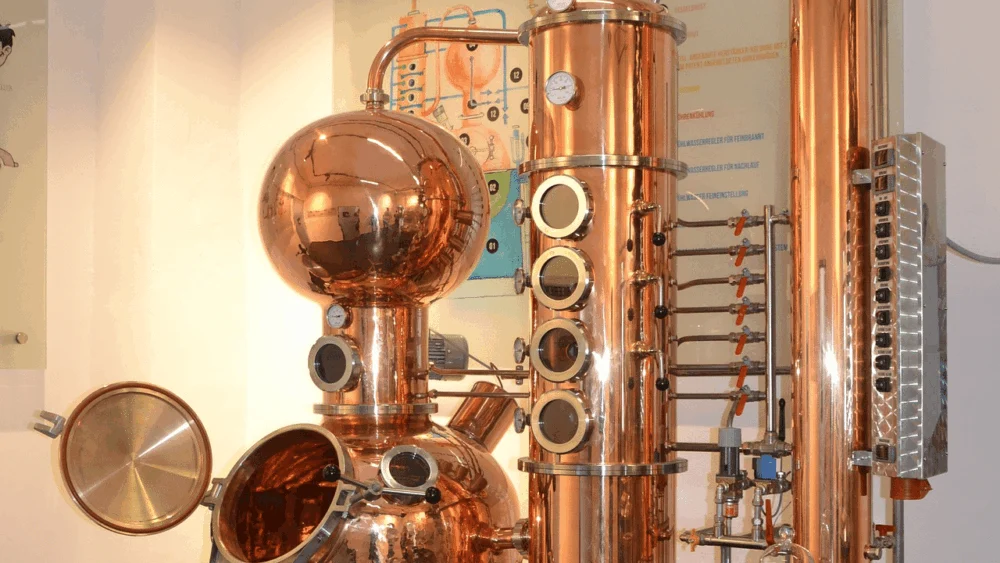
Industry analysts suggest that the next frontier in gin distillation will focus on "terroir" and sustainability. We are seeing a rise in vacuum distillation (or "cold distillation"), which allows distillers to extract flavors from fresh botanicals like cucumbers or rose petals at room temperature, preventing the heat-degradation of delicate molecules. Furthermore, as environmental regulations tighten, the energy-intensive nature of traditional copper pot stills is being challenged by more efficient column still designs and water-recycling cooling systems.
Conclusion: The Distiller’s Creative Sovereignty
Ultimately, the production of gin is a testament to the power of technical decision-making. The transition from a neutral, 96% ABV spirit to a complex, aromatic gin is not an accident of nature but a result of calculated risks and refined techniques. Whether a distiller chooses the heavy, oil-rich path of maceration or the ethereal, bright path of vapor infusion, they are engaging in a centuries-old dialogue between science and sensory pleasure.
As the "Gin Renaissance" continues to expand globally, the transparency of these processes—from the botanical ratios to the precision of the cuts—will continue to define the leaders of the industry. For the enthusiast, understanding these technical milestones transforms gin from a mere cocktail ingredient into a sophisticated work of liquid engineering.